
Landscape with Trees in Foreground — History & Facts
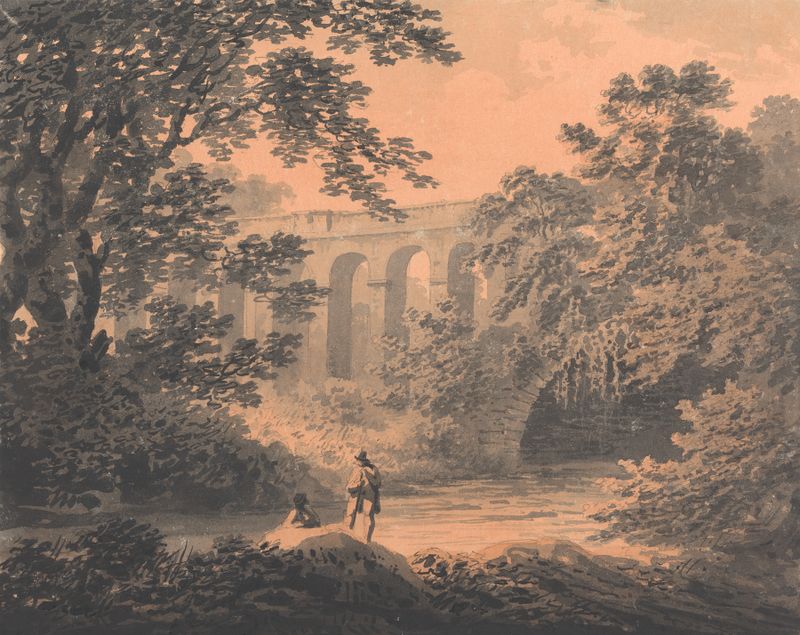
In the stillness of untouched nature, we are reminded of the ecstasy that resides in the simplicity of landscapes. Here, the union of land and sky sings a forgotten hymn, inviting us to lose ourselves in its embrace. Focus on the trees that stand prominently in the foreground. Their gnarled branches twist and turn, reaching toward the heavens while grounding us in the earth below.
The palette of greens and browns evokes a sense of life and vitality, contrasting with the ethereal blues and soft whites of the sky. Notice how the light dances through the foliage, creating intricate patterns of shadow and illumination that breathe life into the scene. Yet, beneath the tranquil surface lies a complexity of emotions. The trees, sturdy and steadfast, symbolize resilience amidst the transient beauty of nature.
As the sky transitions from day to twilight, there’s a poignant reminder of time’s relentless passage — ecstasy intertwined with the melancholy of impermanence. Each detail, from the textured bark to the wispy clouds, whispers stories of joy and sorrow, offering a meditation on existence itself. William Gilpin created Landscape with Trees in Foreground between 1762 and 1783, a period marked by the burgeoning Romantic movement in art. Residing in England, he sought to capture the sublime beauty of nature, reflecting a shift in societal values that favored emotional experience over classical ideals.
This painting encapsulates his dedication to portraying the profound connection between humanity and the natural world during a time of great philosophical exploration.
More Artworks by William Gilpin
Browse all →
Bridgnorth Bridge, Shropshire
William Gilpin
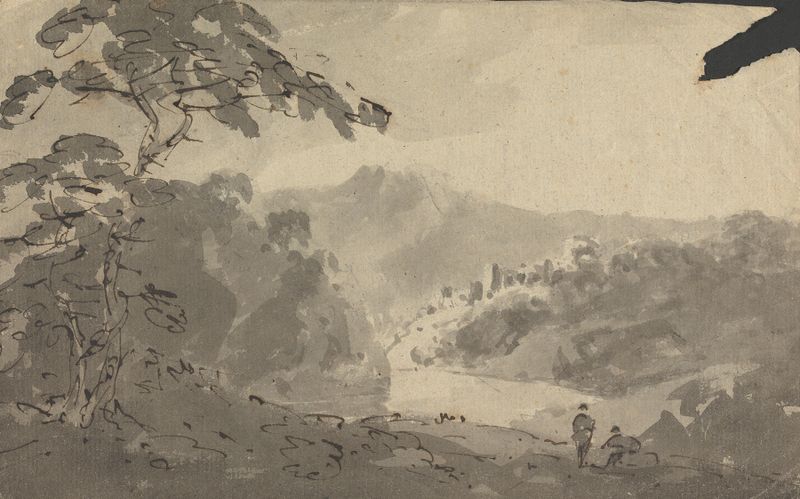
Two Men Looking Into Landscape with Castle, River and Mountain Scene
William Gilpin
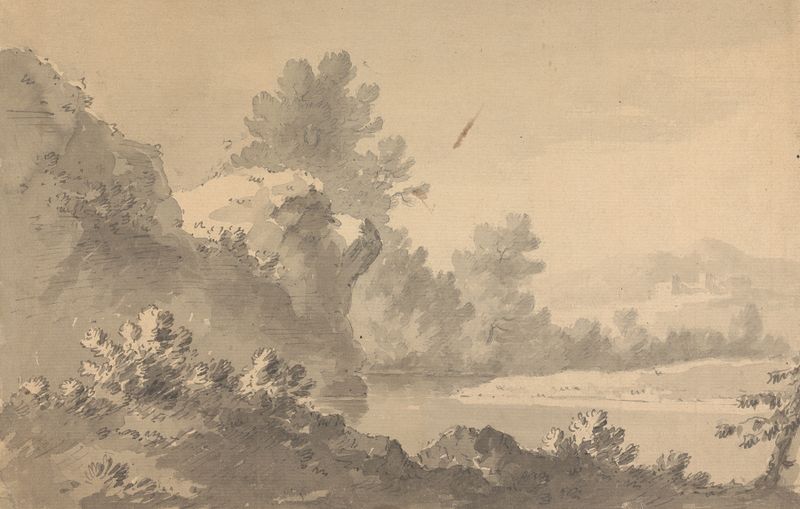
River Landscape with Castle in the Distance
William Gilpin
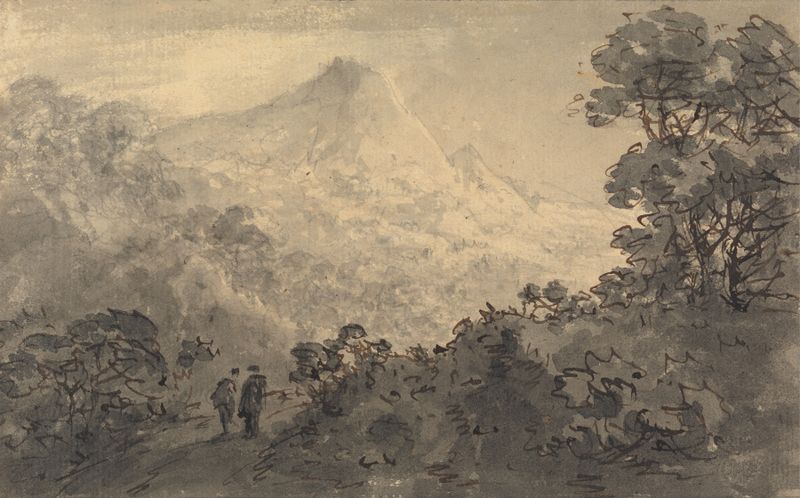
Snowdon
William Gilpin

Hilly Landscape
William Gilpin
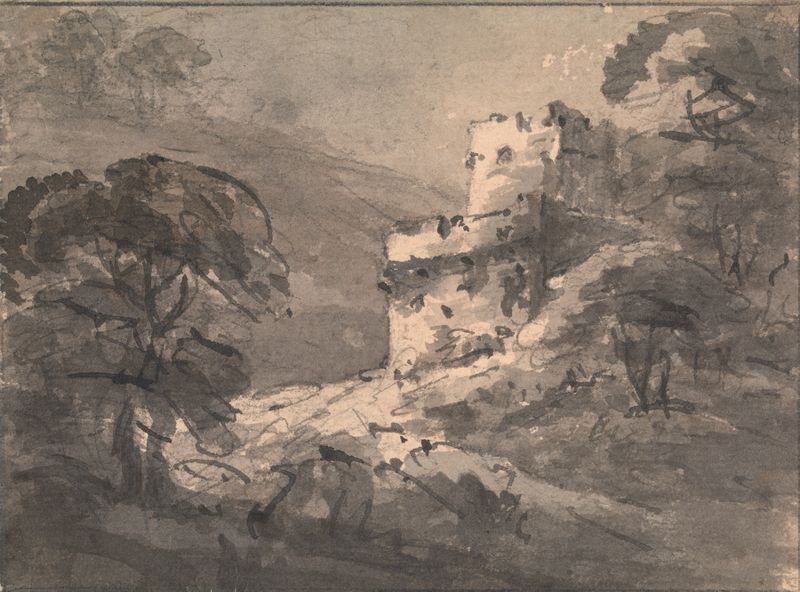
Landscape with a Ruined Castle on the Right
William Gilpin

Mountainous Landscape with Trees – High Crags to the Right
William Gilpin

View of Castle Ruin
William Gilpin
Bridge on the Malton Road from York
William Gilpin

Landscape with Two Trees and Castle
William Gilpin





