
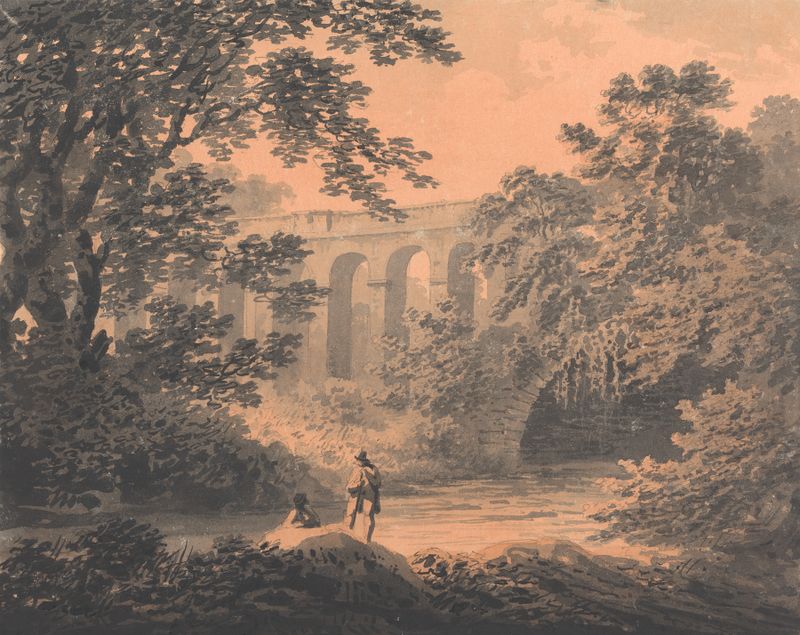
Landscape with Two Men and a Castle Ruin on the Riverbank — History & Facts
The canvas doesn’t lie — it simply waits. In the stillness of a moment captured, truth unfolds with each brushstroke, beckoning us to peer deeper into its serene depths. Look to the right at the two figures positioned quietly along the riverbank, their postures suggesting contemplation amid nature's embrace. The gentle ripples of the water reflect a soft palette of greens and browns, merging with the muted tones of the distant castle ruin.
Notice how the light falls upon the weathered stones, illuminating the passage of time while casting long shadows that intertwine with the calm landscape. Gilpin’s meticulous attention to detail evokes a sense of harmony between man and nature, inviting the viewer into a world where solitude reigns. Delve into the tension between the natural and the constructed. The castle ruin, a silent witness to history, stands in contrast to the vibrant life of the riverbank, hinting at stories long forgotten.
The two men, though small against the expansive landscape, become symbols of reflection and solitude, their presence amplifying the grandeur and the fragility of existence. There’s a delicate balance here, where the fleeting moments of life are juxtaposed against the timelessness of the natural world, prompting an introspective journey for the viewer. In 1783, William Gilpin painted this piece during a period of growing interest in the picturesque and the natural landscape in England. As a clergyman and artist, he sought to convey the beauty of the English countryside through a lens of authenticity and emotional resonance.
This era marked the beginning of Romanticism, reshaping the artistic landscape as artists began to embrace not just representation, but an emotional connection to their surroundings.
More Artworks by William Gilpin
Browse all →
Bridgnorth Bridge, Shropshire
William Gilpin
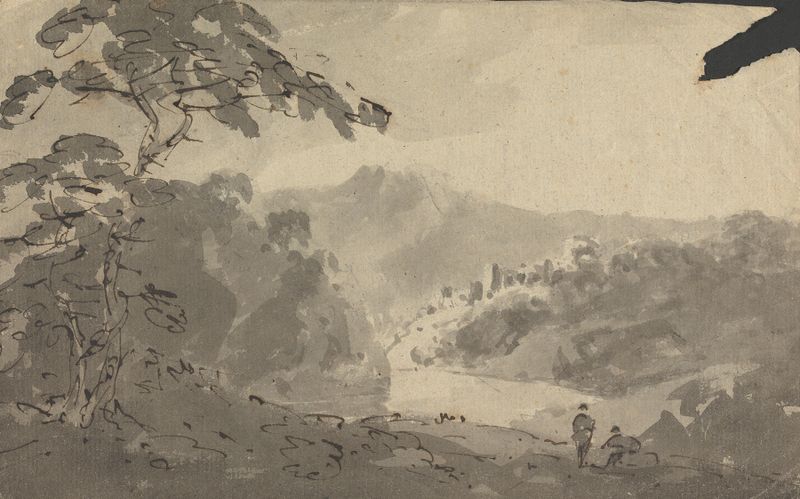
Two Men Looking Into Landscape with Castle, River and Mountain Scene
William Gilpin
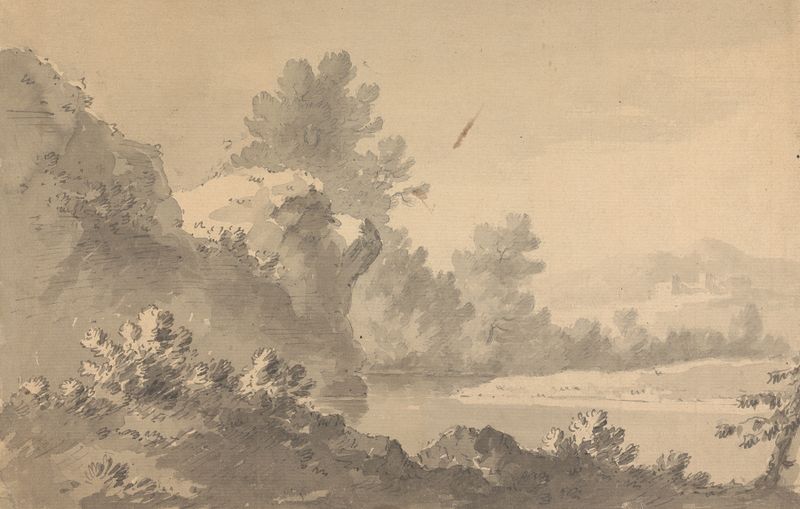
River Landscape with Castle in the Distance
William Gilpin
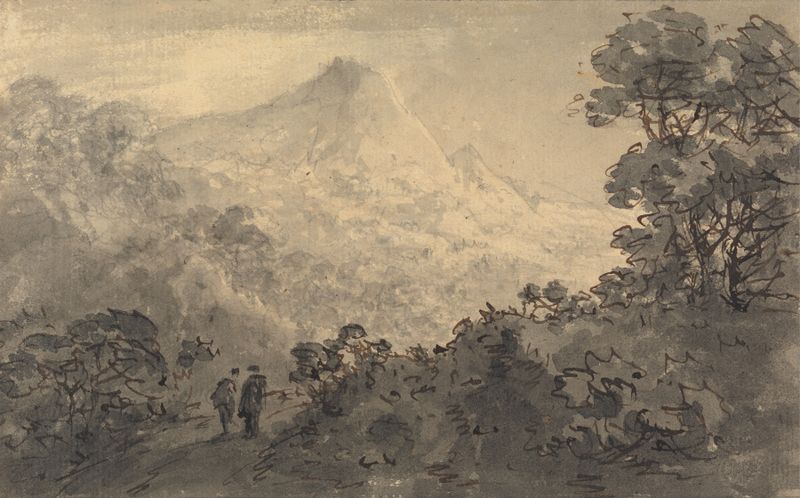
Snowdon
William Gilpin

Hilly Landscape
William Gilpin
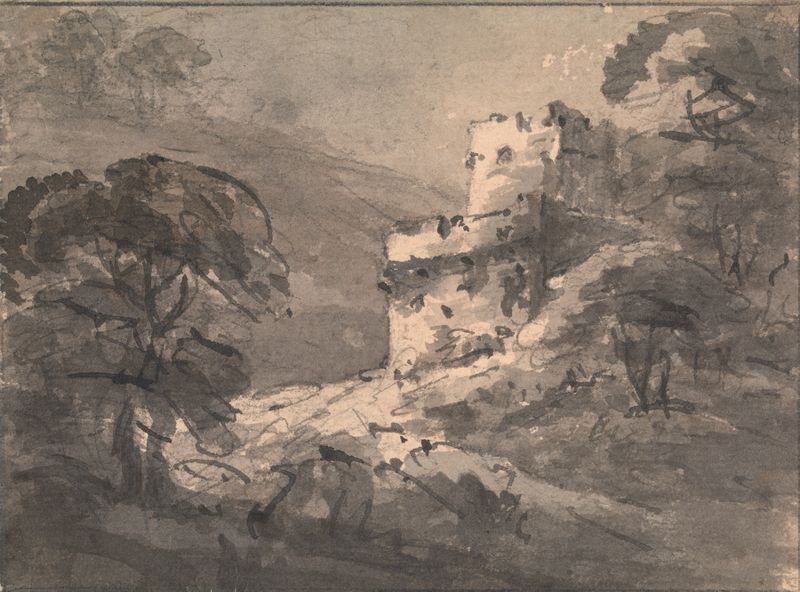
Landscape with a Ruined Castle on the Right
William Gilpin

Mountainous Landscape with Trees – High Crags to the Right
William Gilpin

View of Castle Ruin
William Gilpin
Bridge on the Malton Road from York
William Gilpin

Landscape with Two Trees and Castle
William Gilpin





