
Landscape with Windmill — History & Facts
In the quiet embrace of nature, decay whispers truths often unacknowledged, inviting us to confront our own transience. Look to the left at the windmill, its once-proud sails now dulled by time, each blade a metaphor for forgotten dreams. The muted earth tones dominate the scene, while the sky above hints at an impending storm, gray clouds swirling with a weight that mirrors life’s inevitable decline. Notice how the brushstrokes dance across the canvas, alive yet fragile, capturing an ephemeral moment that teeters on the brink of chaos and calm. The juxtaposition of the sturdy, mechanical windmill and the delicate wildflowers at its base encapsulates the tension between human ambition and nature’s quiet reclamation.
Each wilted petal seems to sigh, a reminder of beauty’s fleeting nature. The interplay of shadow and light evokes a poignant nostalgia, inviting viewers to ponder not only what is lost but what remains in the face of decay. Produced in 1850, this work emerged during a pivotal time in Elizabeth Murray’s life as she navigated the complexities of her artistic identity amidst a male-dominated field. Working in a period marked by romanticism and the industrial revolution, she captured the essence of a changing world, channeling her reflections on progress, decay, and the passage of time into this evocative landscape.
More Artworks by Elizabeth Murray
Browse all →
Scarborough
Elizabeth Murray

From Barnard’s Book on Coloring
Elizabeth Murray

Cows in Landscape
Elizabeth Murray

Winchelsea Church
Elizabeth Murray

Caernarvon Castle
Elizabeth Murray

Val of Shanganagh, Dún Laoghaire, with Boats
Elizabeth Murray

Scarborough Castle
Elizabeth Murray
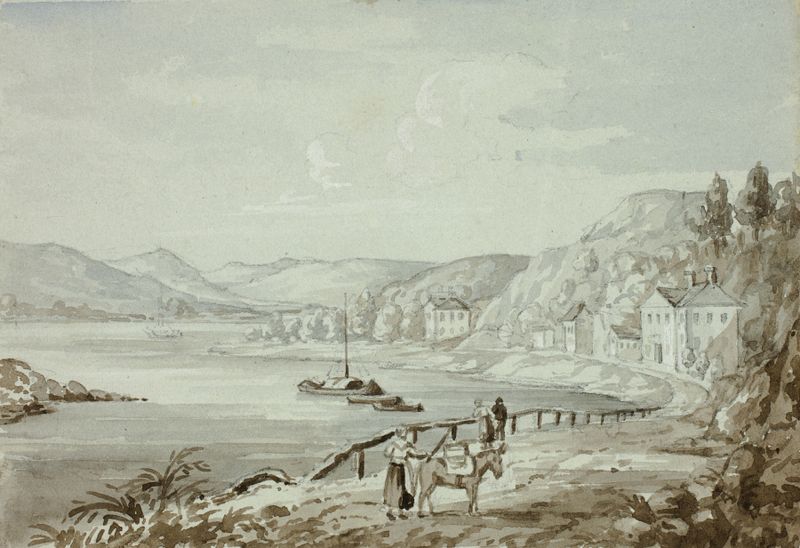
On the Rhine
Elizabeth Murray
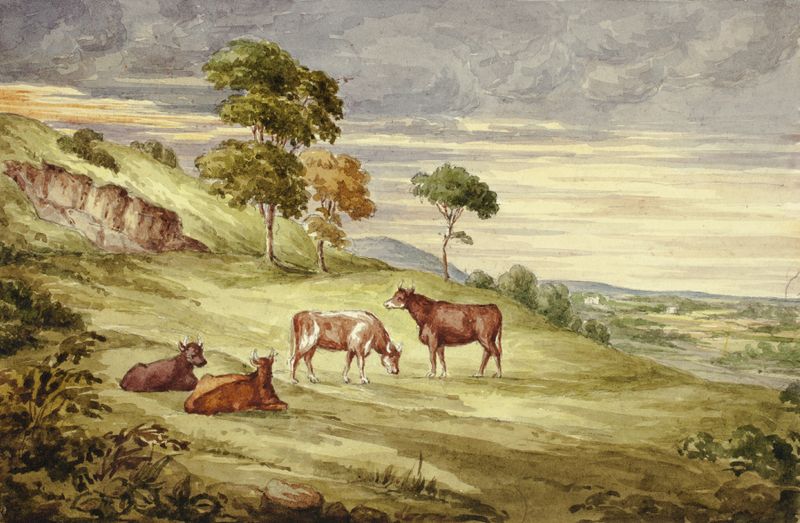
Deer Park, possibly Kilkenny
Elizabeth Murray
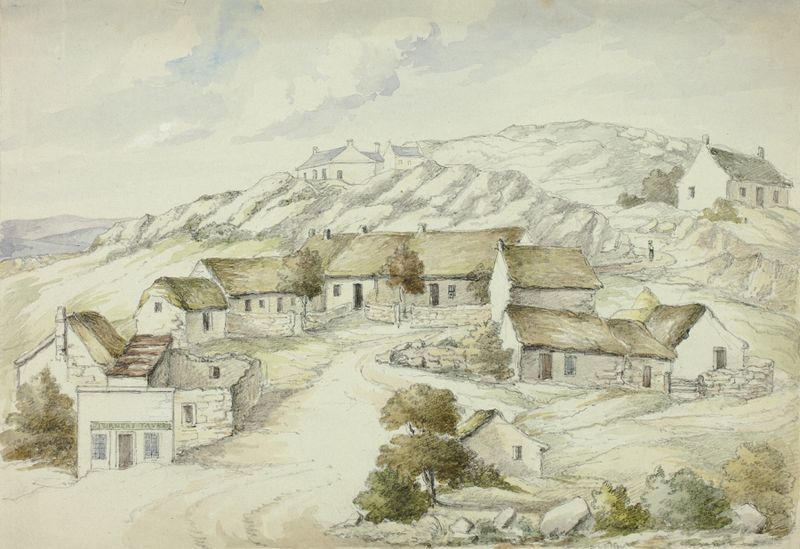
Kilkenny Village from the Rocks
Elizabeth Murray





