
Landscape with Windmills — History & Facts
Could beauty survive in a century of chaos? In Landscape with Windmills, a serene vista emerges, where nature and human ingenuity entwine in a delicate dance. Look to the left at the towering windmills, their elegant blades poised against the backdrop of a vibrant sky. The artist masterfully employs cool blues and warm earth tones, inviting the viewer’s eye to trace the gentle undulations of the landscape. Notice how the fluffy clouds spill over the horizon, their reflections whispering across a quiet stream, adding layers of depth and movement to the composition.
The windmills stand as silent witnesses, their stillness juxtaposed against the lively backdrop of nature—a testament to harmony amidst change. This tranquility, however, holds an undercurrent of tension. The windmills, while symbols of progress, also speak to a world in transition, where the beauty of pastoral life may be overshadowed by industrialization. Tiny figures in the foreground, perhaps farmers or laborers, suggest the ongoing struggle of humankind as they navigate this evolving landscape.
The contrast between the industrious windmills and the untouched beauty of nature evokes contemplation on the impact of human intervention. Created during an undefined period in Landscape with Windmills, the artist found inspiration in England’s pastoral scenes. Although specific details about Shotter Boys’ life during this time remain elusive, his work aligns with a broader movement in 19th-century art that celebrated the countryside while grappling with the rapid industrial changes of the era. This piece serves as a visual meditation on the balance between nature and industry, reflecting both the artist's vision and the palpable tension of his time.
More Artworks by Thomas Shotter Boys
Browse all →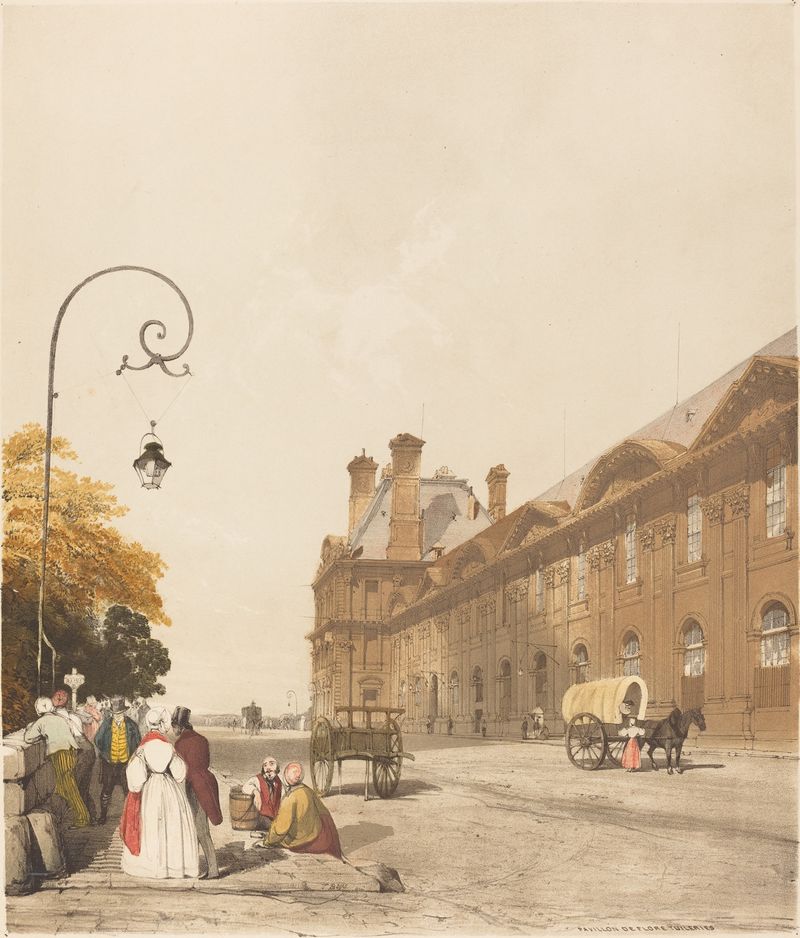
Pavillon de Flore, Tuileries
Thomas Shotter Boys
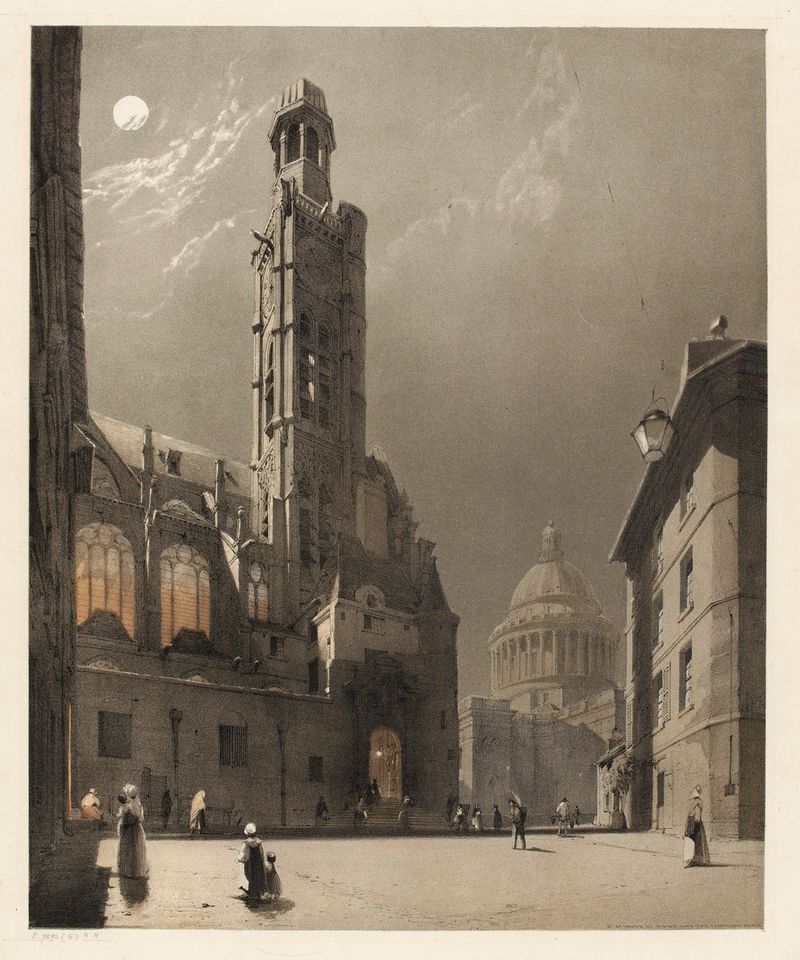
St Etienne du Mont and the Panthéon, Paris
Thomas Shotter Boys
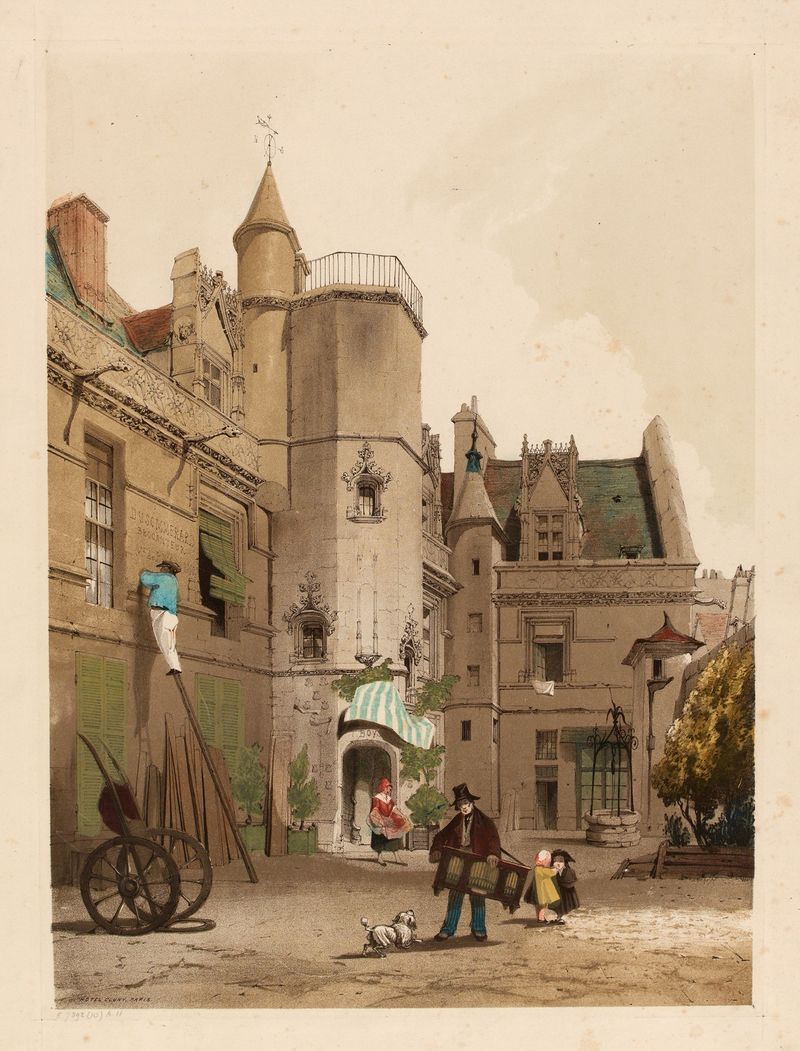
Hôtel Cluny, Paris.
Thomas Shotter Boys
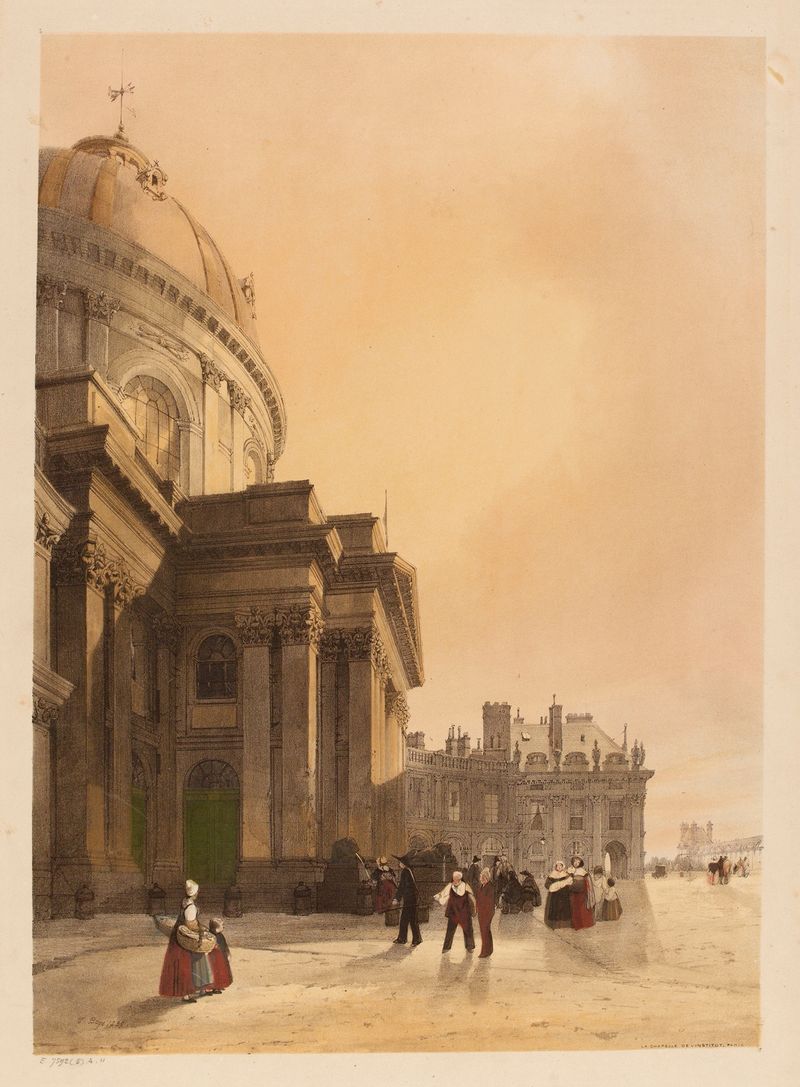
La chapelle de l’Institut, Paris
Thomas Shotter Boys
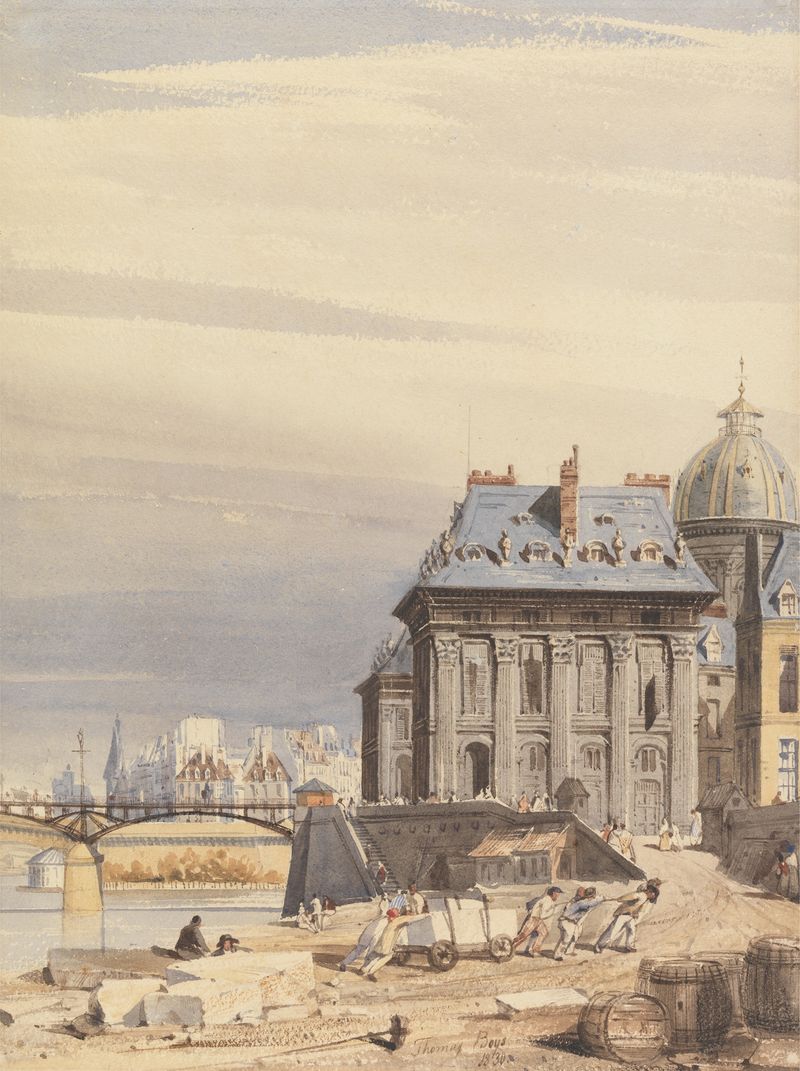
L’Institut de France, Paris
Thomas Shotter Boys
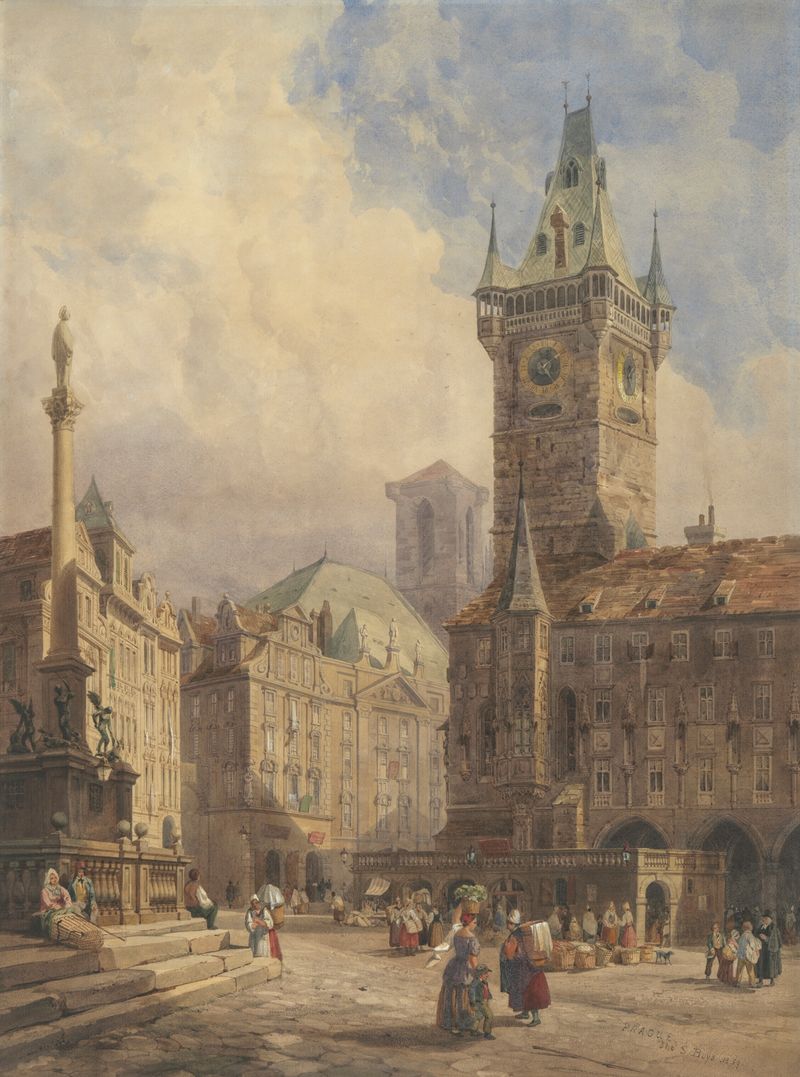
Rathaus from Old Town Square, Prague
Thomas Shotter Boys
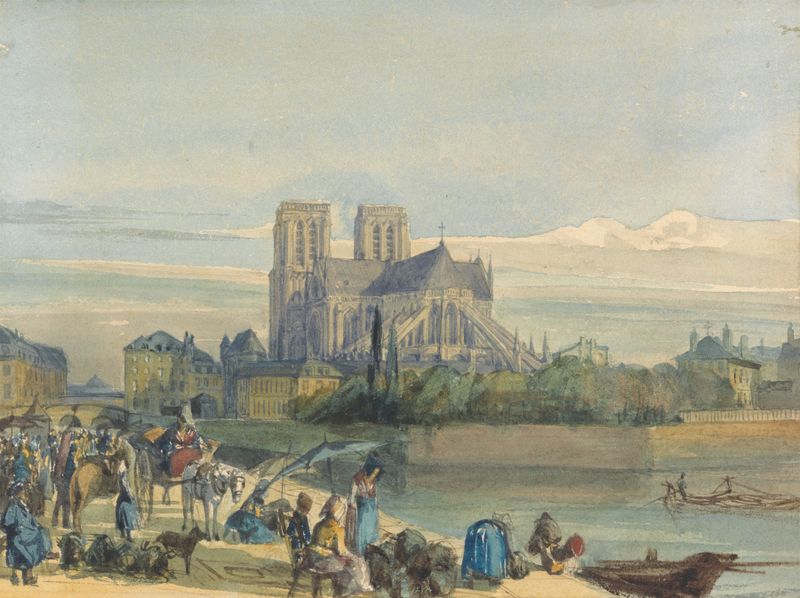
Notre Dame, Paris
Thomas Shotter Boys
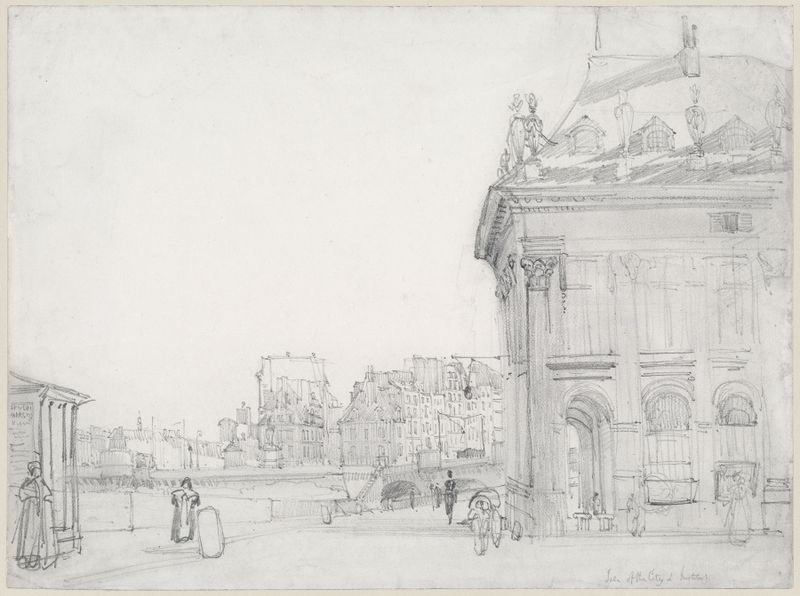
Ile de la Cité from the Institut, Paris
Thomas Shotter Boys
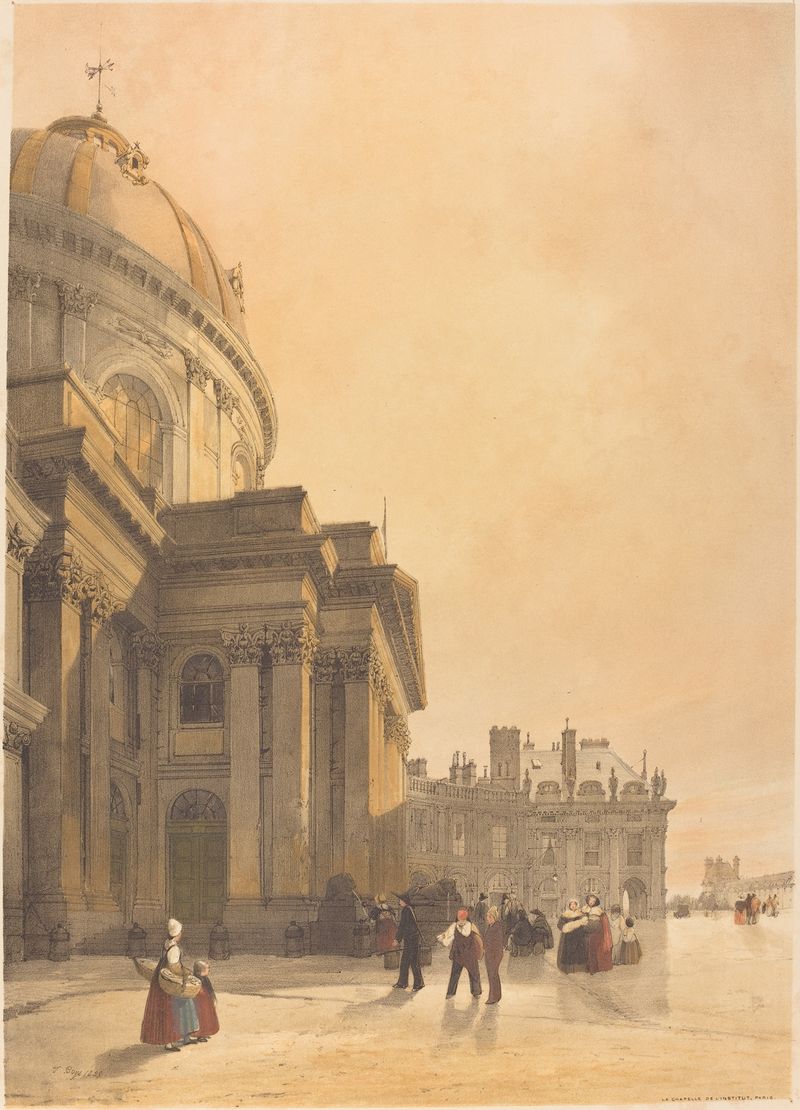
La Chapelle de l’Institut, Paris
Thomas Shotter Boys
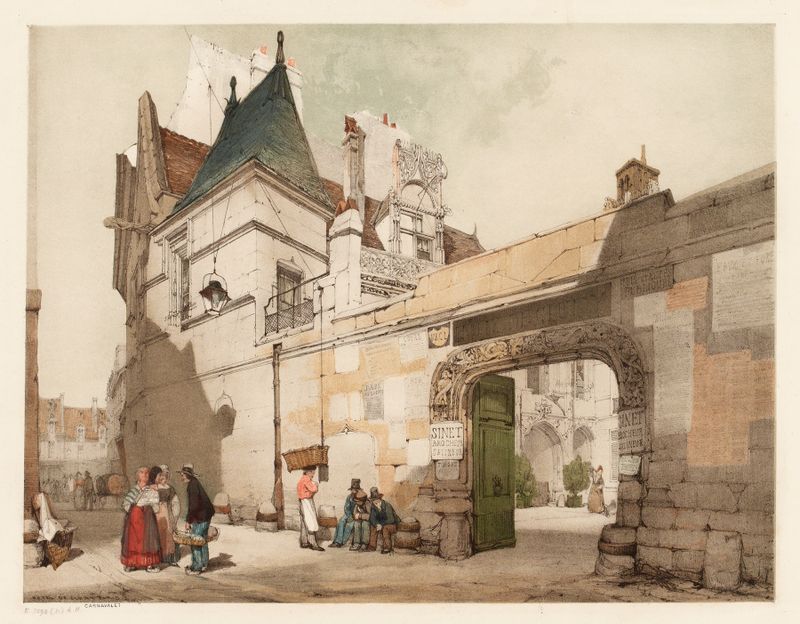
Hôtel de Cluny, Paris
Thomas Shotter Boys





