Landscapes and calligraphy Pl.3 — History & Facts
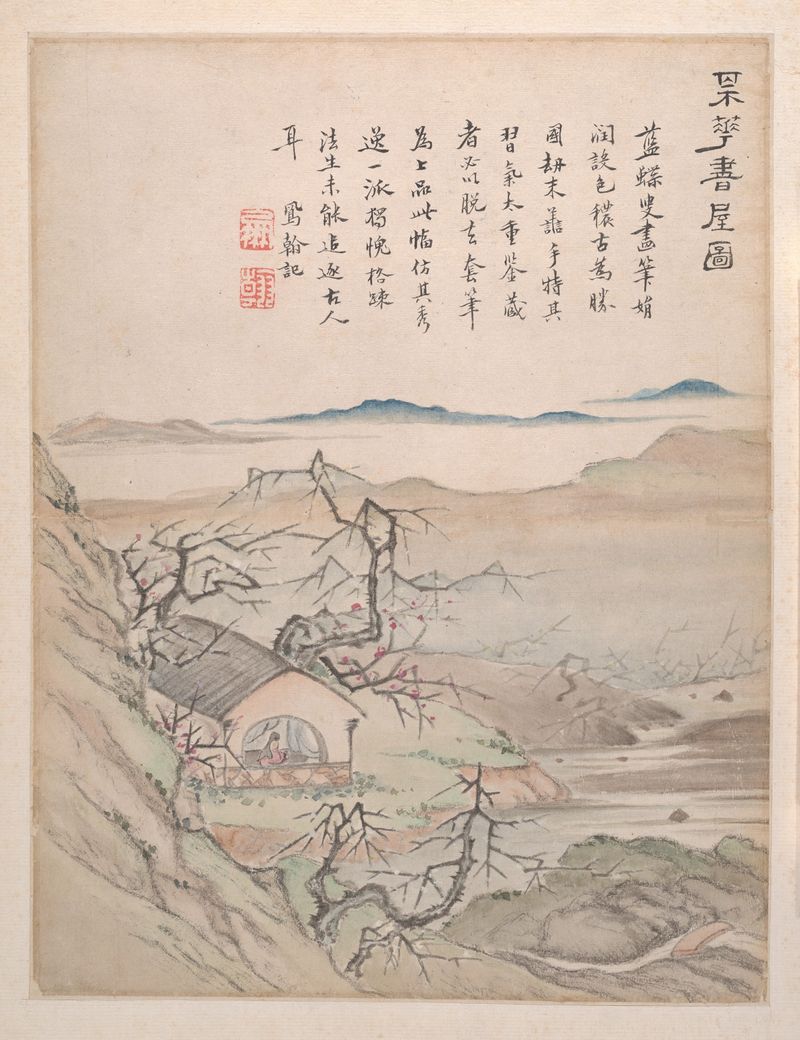
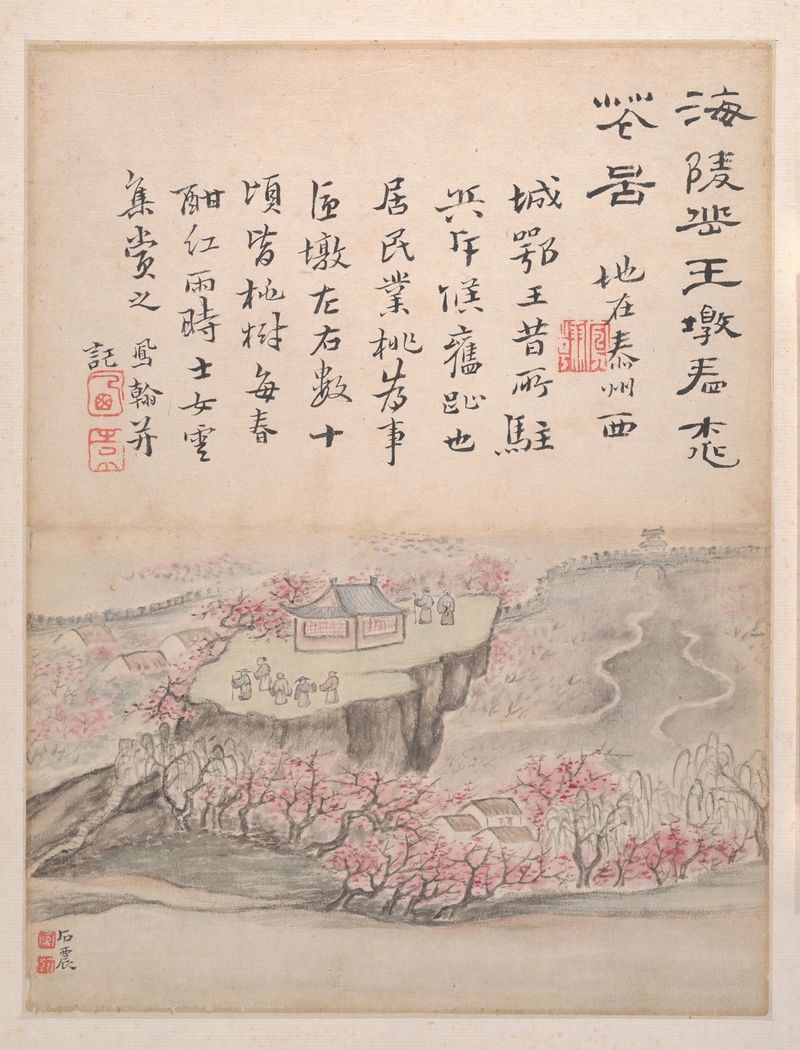
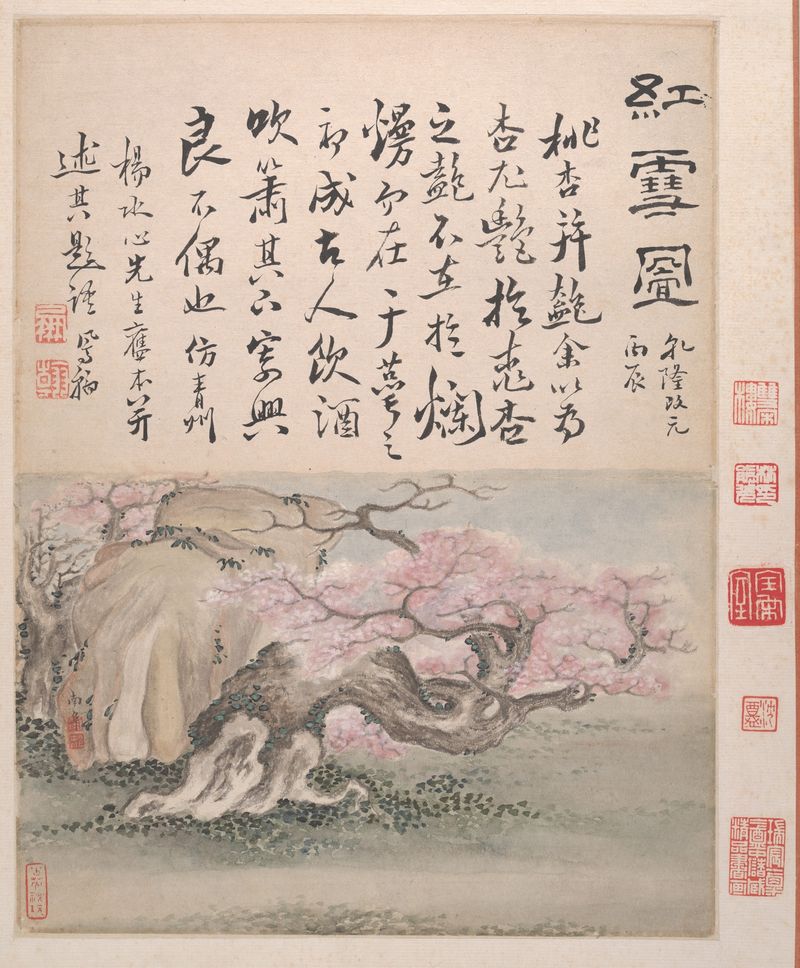
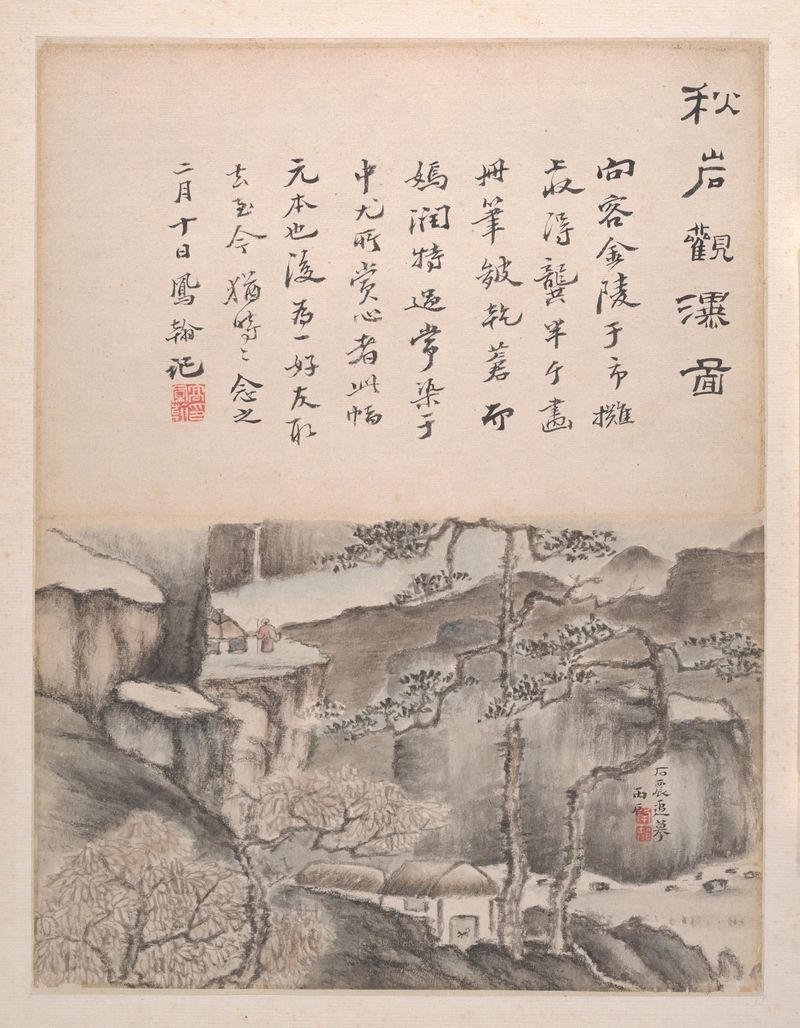
Can paint confess what words never could? In the delicate strokes of Landscapes and Calligraphy Pl.3, we find a dialogue between the visual and the verbal, a legacy whispered through time. Look to the center where the brushwork dances with the fluidity of ink, capturing an ethereal landscape that seems to breathe. The earthy tones of green and brown create a serene backdrop, while the flowing calligraphy weaves through the composition, adding texture and rhythm. Notice how the subtle gradients of color blend seamlessly, inviting the viewer in, yet the sharp lines of the characters assert an authority that commands attention. Digging deeper, the juxtaposition of nature and script offers a reflection on the transient nature of existence.
The lush mountains, rendered with a soft touch, suggest permanence, while the calligraphic forms embody the fleeting thoughts of the human experience. This contrast speaks to the struggle between the enduring and the ephemeral, encapsulating the artist's exploration of legacy — both in the natural world and in the written word. In 1736, Gao Fenghan was amid a rich tapestry of cultural evolution in China, where calligraphy and painting underwent a renaissance. It was a time marked by a flourishing of intellectual thought and artistic expression, as he sought to bridge the realms of landscape and written artistry.
His work stands as a testament to an era deeply engaged with the interplay of tradition and innovation, reflecting both personal and collective legacies in every stroke.