Landscapes and calligraphy Pl.4 — History & Facts
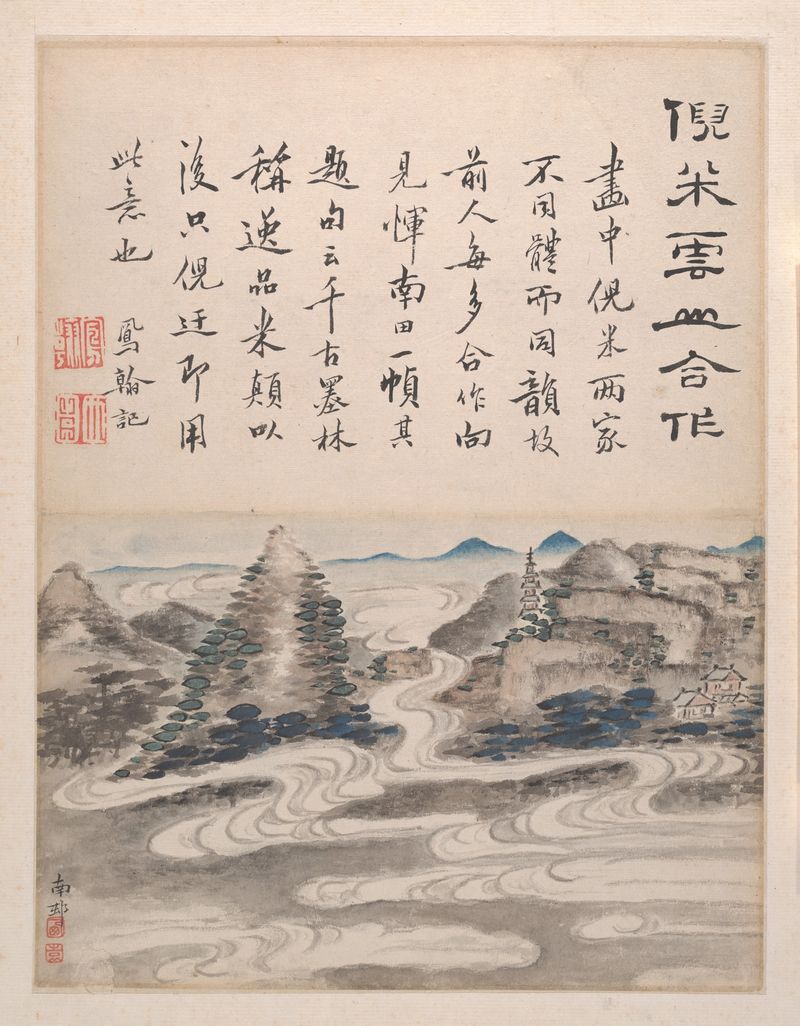
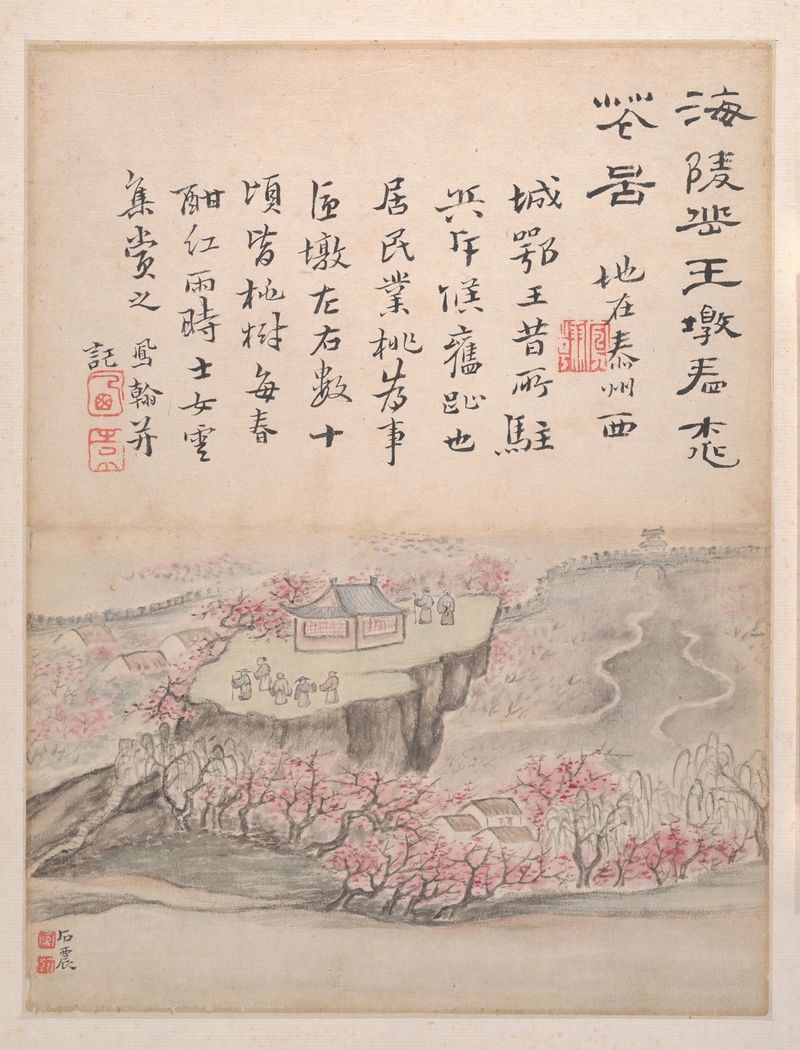
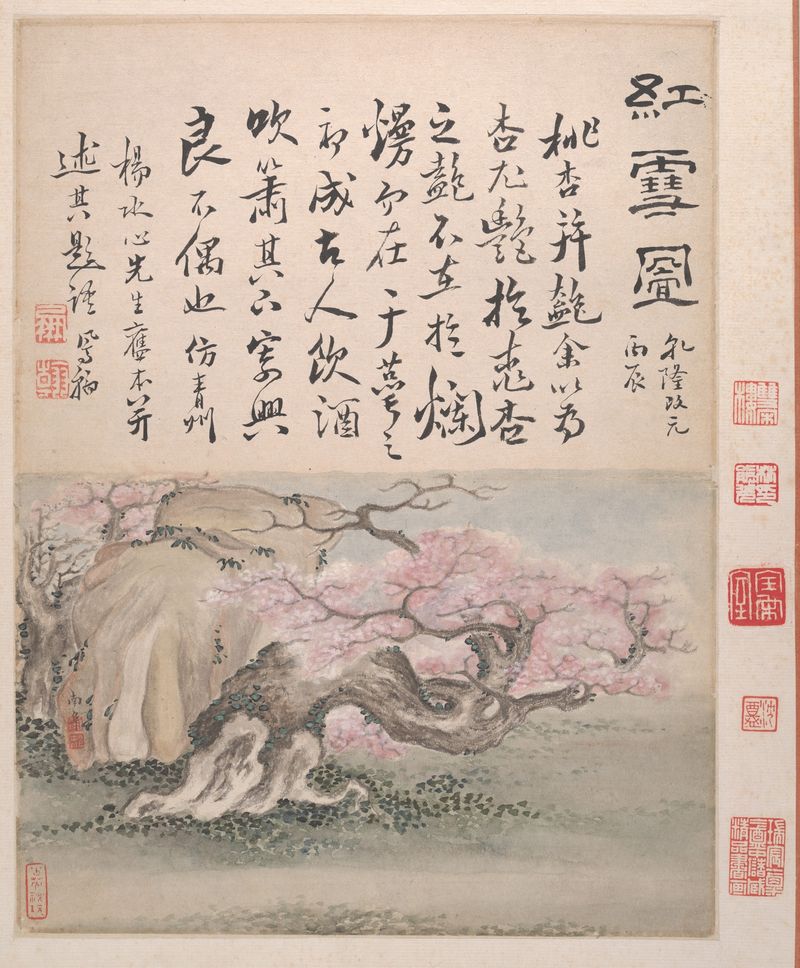
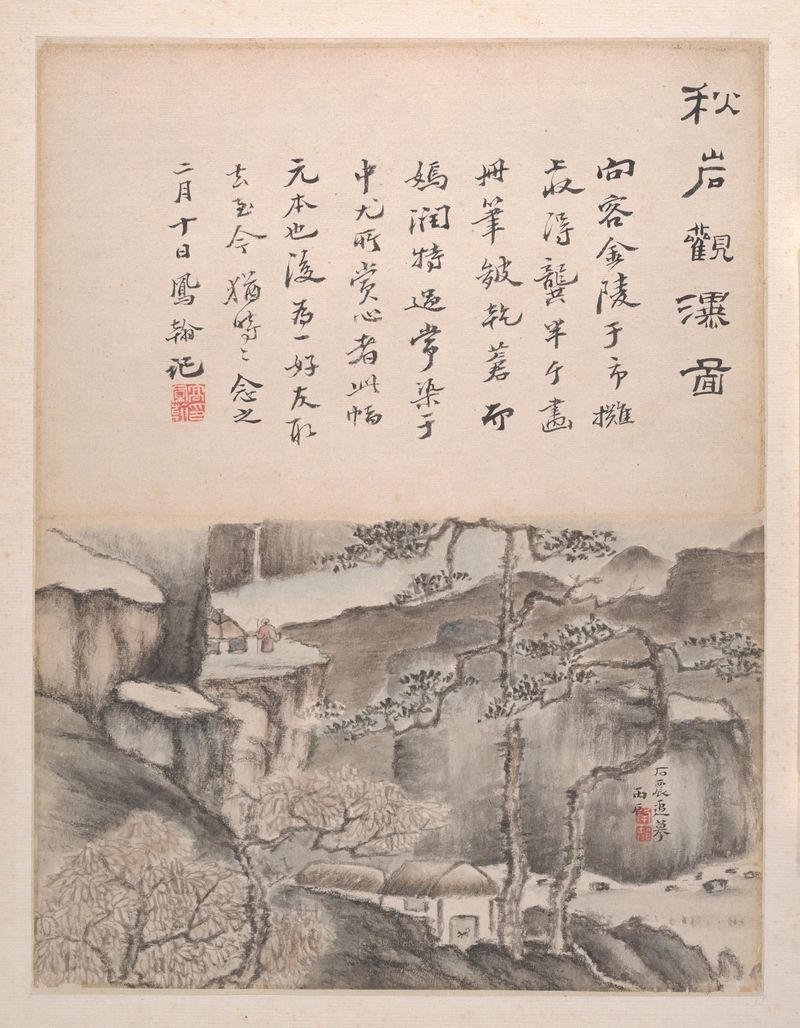
Could a single brushstroke hold eternity? In the realm of ink and paper, the void becomes a canvas for whispers and the ephemeral seeks permanence. Look to the center where elegant, sweeping lines dance across the delicate surface, revealing a landscape that melds mountains and streams into a harmonious whole. Notice how the deep blacks of the calligraphy contrast against the soft, muted colors of the scenery, inviting the viewer’s eye to traverse the composition like a journey through memory. The careful layering of ink creates a rich texture that feels almost alive, while the fluidity of the brushwork suggests both motion and serenity. As you delve deeper, consider the tension between the calligraphy and the landscape; one signifies the weight of words, the other the lightness of nature’s forms.
This interplay evokes a dialogue between silence and expression, inviting contemplation of the void that underlies both art and existence. Tiny details, like a subtle swirl or an unexpected break in a line, serve as reminders of imperfection and the beauty that arises from it. In 1736, Gao Fenghan created this piece during a time when the Qing Dynasty was experiencing cultural flourishing, blending traditional Chinese aesthetics with personal expression. As an artist deeply rooted in the literati tradition, he sought to reconcile the refined skills of calligraphy with the natural world, opening a dialogue between the transient and the eternal.
It was a period marked by exploration of self and the universe, and his work reflects that intersection beautifully.