Landscapes and calligraphy Pl.6 — History & Facts
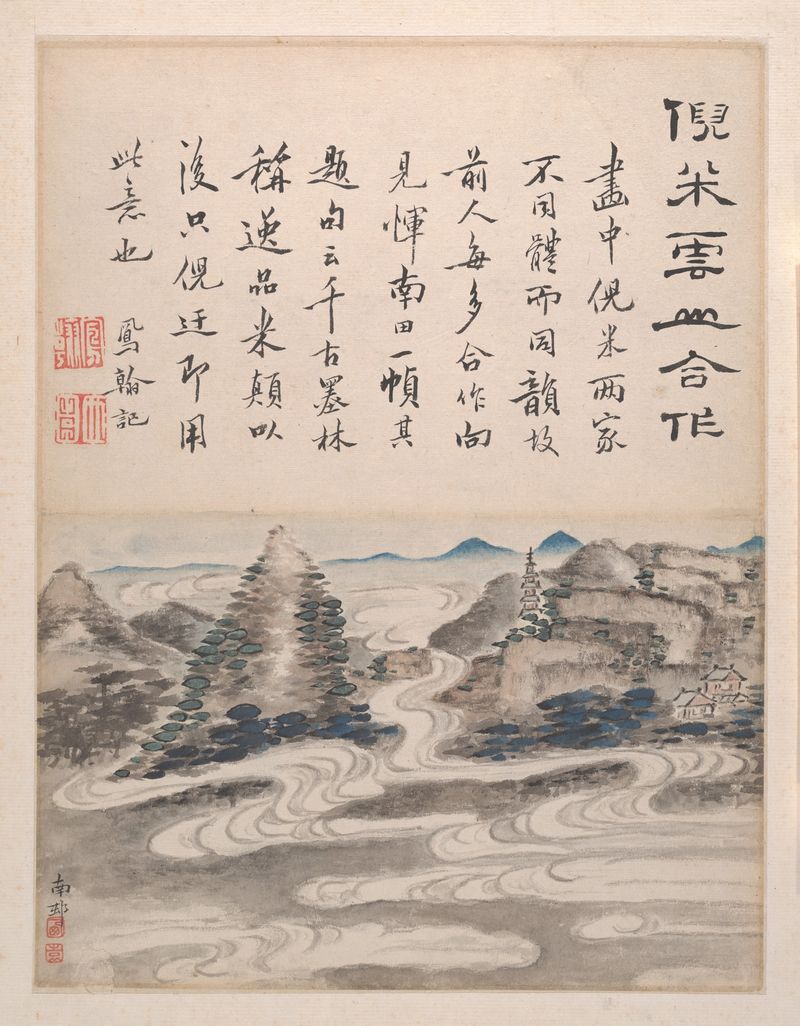
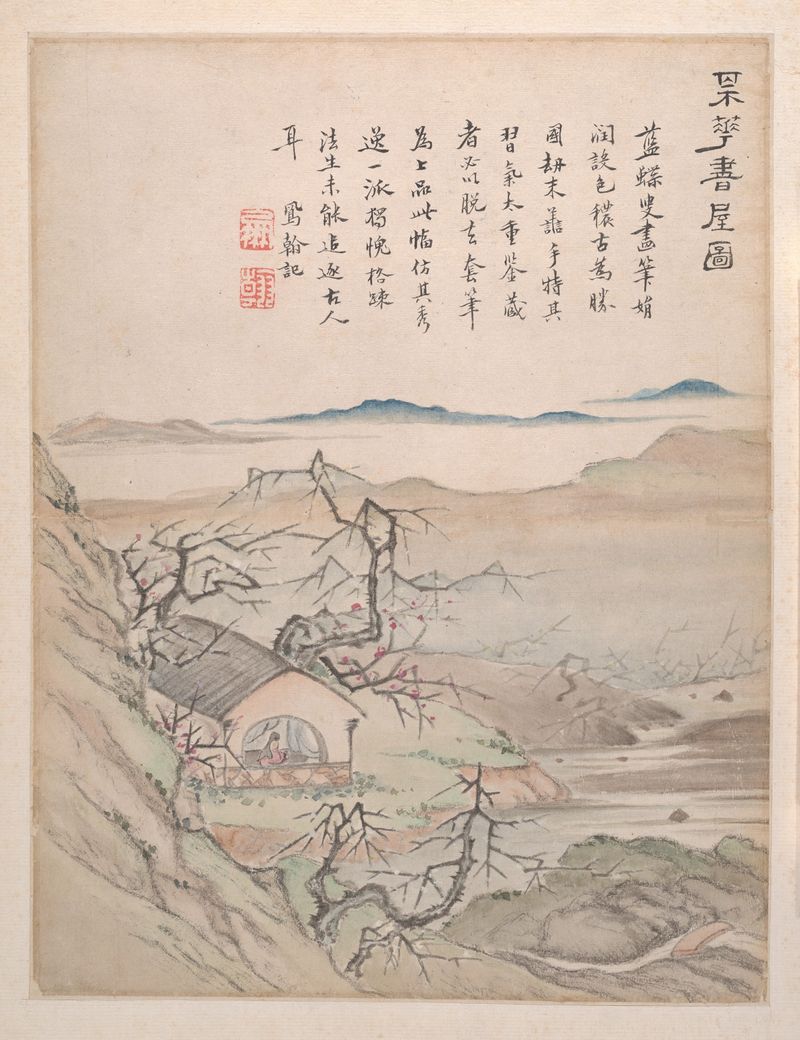
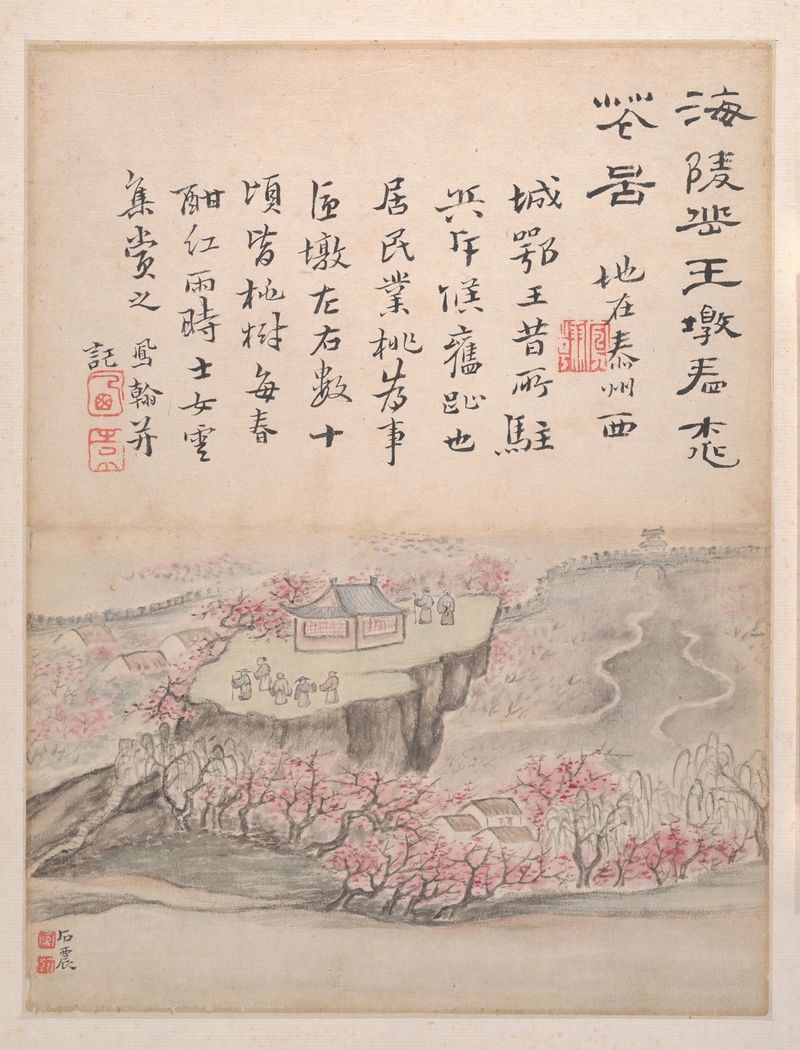
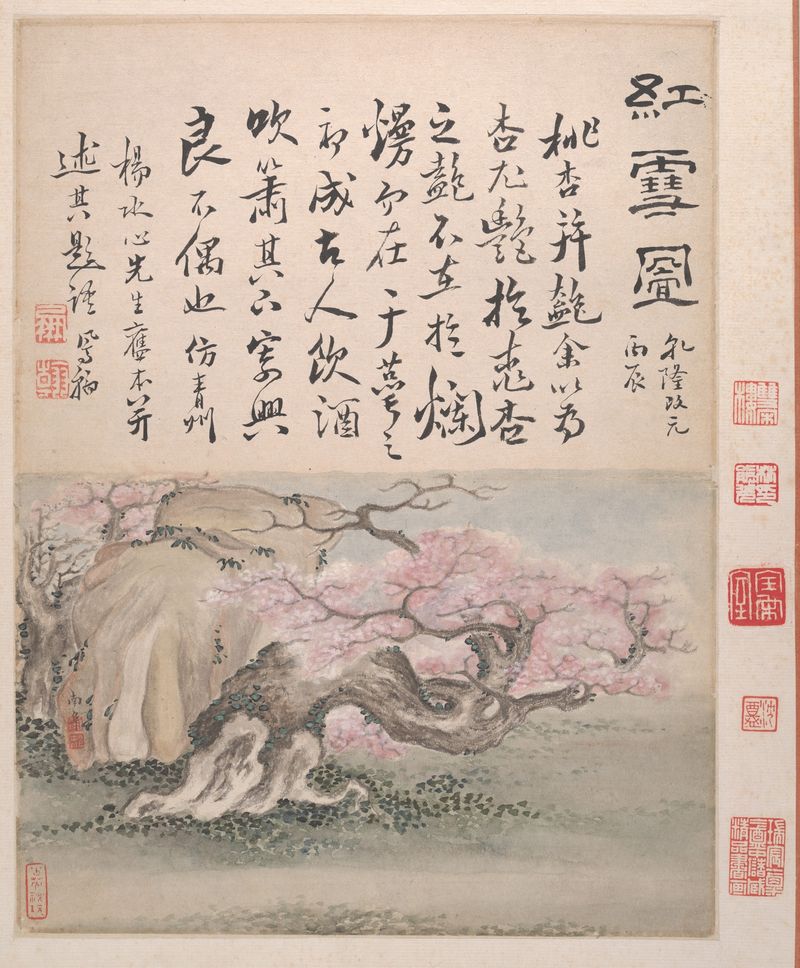
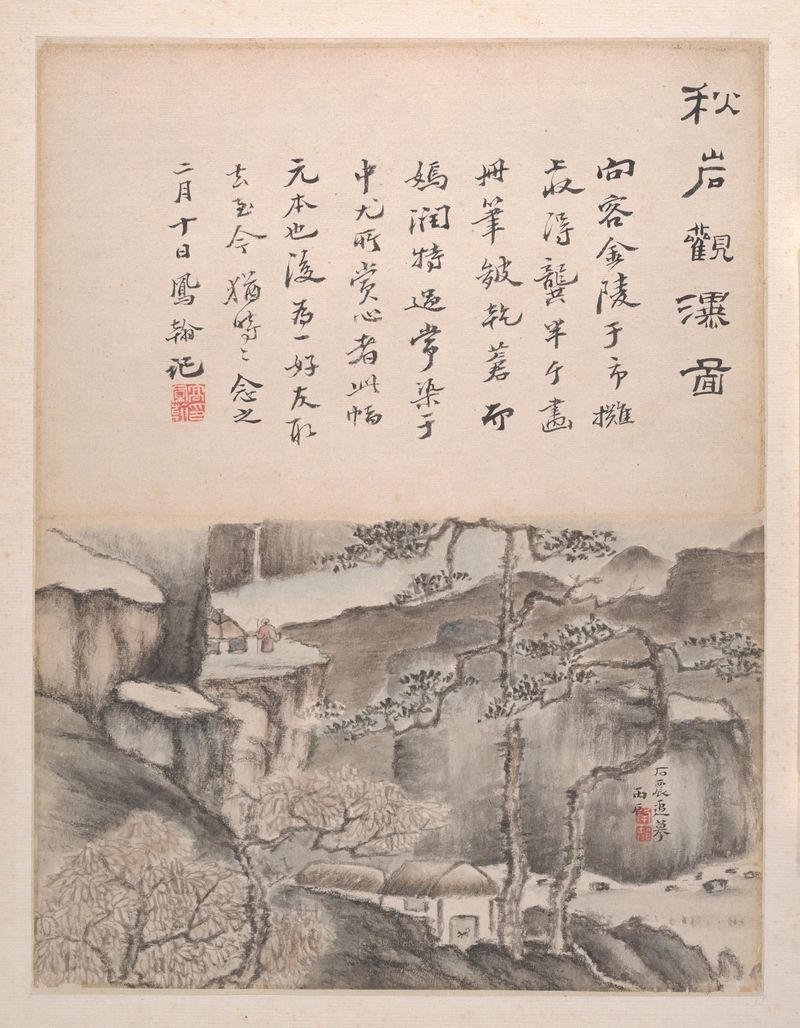
In Landscapes and Calligraphy Pl.6, a palpable ecstasy emerges from the union of brush and ink, inviting viewers to pause and reflect on the eternal beauty of the natural world. Look closely at the sweeping strokes that form ethereal mountains in the background, their jagged peaks rising like whispers of ancient secrets. Notice the fluidity of the calligraphy, seamlessly woven into the landscape; it moves with grace, chanting the song of the earth. The colors, muted yet vibrant, dance across the canvas—each hue a promise of serenity, each curve a celebration of the sublime. Delve deeper into the interplay between nature and language; here, the mountains cradle the calligraphy, suggesting a dialogue between the physical and the spiritual.
The artist’s choice to merge these elements reflects a harmonious existence between experience and articulation, where every stroke vibrates with emotion. The gentle yet commanding presence of the landscape evokes nostalgia, a yearning for the intangible, as if the canvas beckons us to uncover the stories hidden within its depths. Gao Fenghan created this piece in 1736 during the Qing Dynasty, a period marked by cultural prosperity and an appreciation for traditional Chinese art forms. Living and working in Yangzhou, he navigated a milieu rich in scholarly pursuits and artistic expression.
This painting exemplifies his mastery of blending natural beauty with the elegance of calligraphy, encapsulating a moment where art becomes a vessel for memory and timelessness.