
Landschaft — History & Facts
When did color learn to lie? The delicate shades of softness that embrace the landscape reveal more than mere beauty; they whisper of fragility and the transient nature of existence. Look to the left at the gentle curve of the horizon, where muted greens blend seamlessly with a soft sky, suggesting a fleeting moment caught between dawn and dusk. The brushstrokes are delicate yet assertive, inviting the viewer to linger with the interplay of light and shadow. Notice how the warm ochres and cool blues dance across the canvas, creating a harmony that evokes both peace and a sense of impending change. Delve deeper, and you’ll find the tension between solidity and ephemerality.
The trees stand resilient yet seem to sway under an unseen breeze, embodying a fragile strength. In the foreground, a cluster of wildflowers with their fleeting blooms symbolizes the beauty of life that is inherently temporary, urging contemplation of the moments that slip away unnoticed. Each stroke and color choice encapsulates not just a scene, but an emotional resonance that transcends the physical plane of the landscape. In 1906, Rumpler was navigating a transitional period in his artistic career, moving between Impressionism and early modernism.
Living in Vienna, he was part of an art world increasingly intrigued by innovation, while also grappling with the timeless beauty found in nature. This work encapsulates his exploration of color and form, demonstrating his ability to capture the sublime essence of the world around him during a time of cultural change.
More Artworks by Franz Rumpler
Browse all →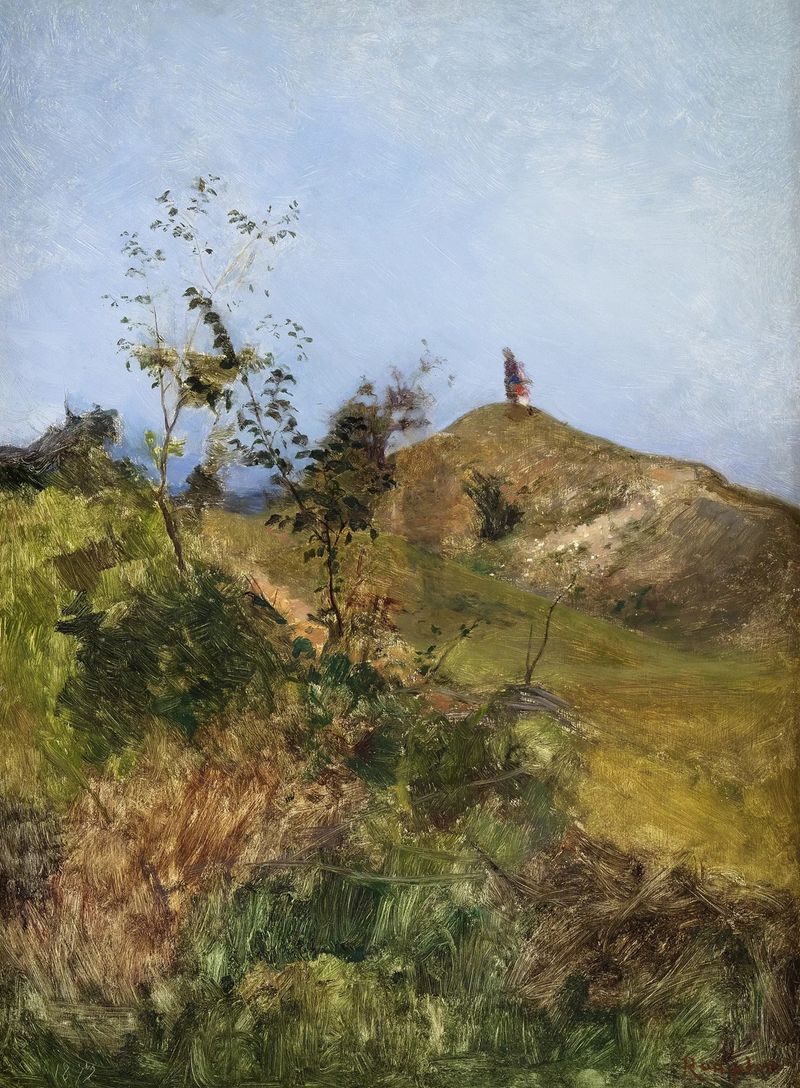
Auf der Hügelkuppe (Mädchen in Landschaft)
Franz Rumpler
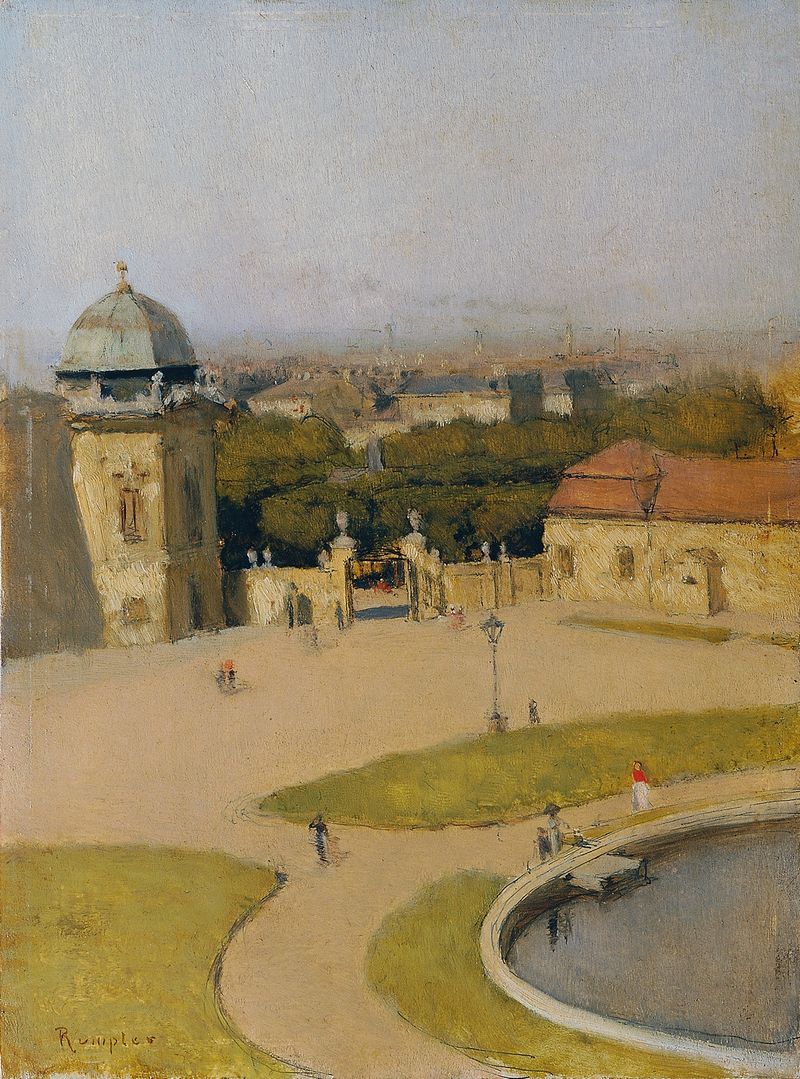
Blick von Südwest auf das Obere Belvedere
Franz Rumpler
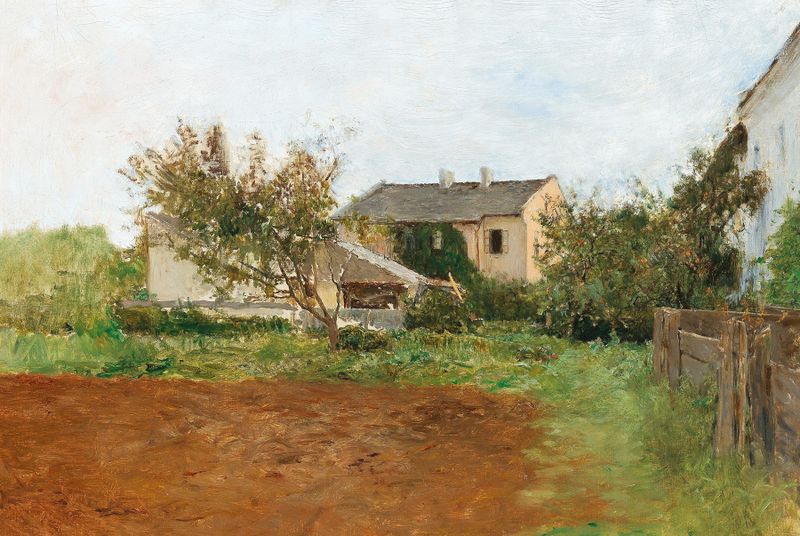
At the Village Edge
Franz Rumpler
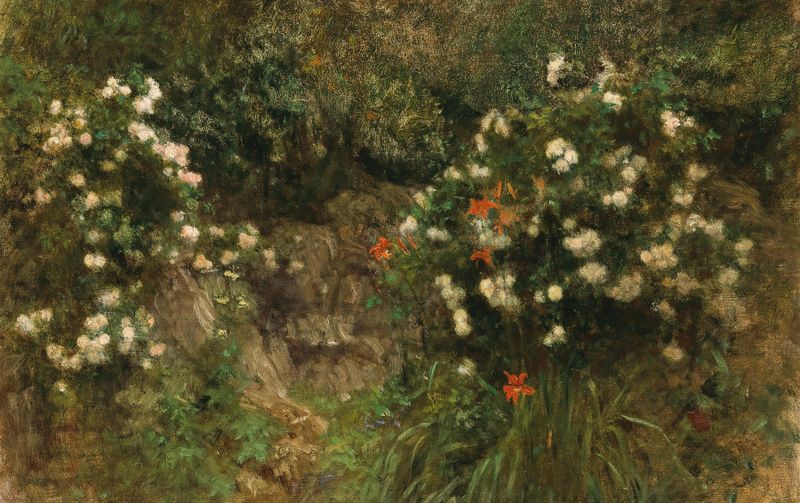
Grotto with white roses
Franz Rumpler
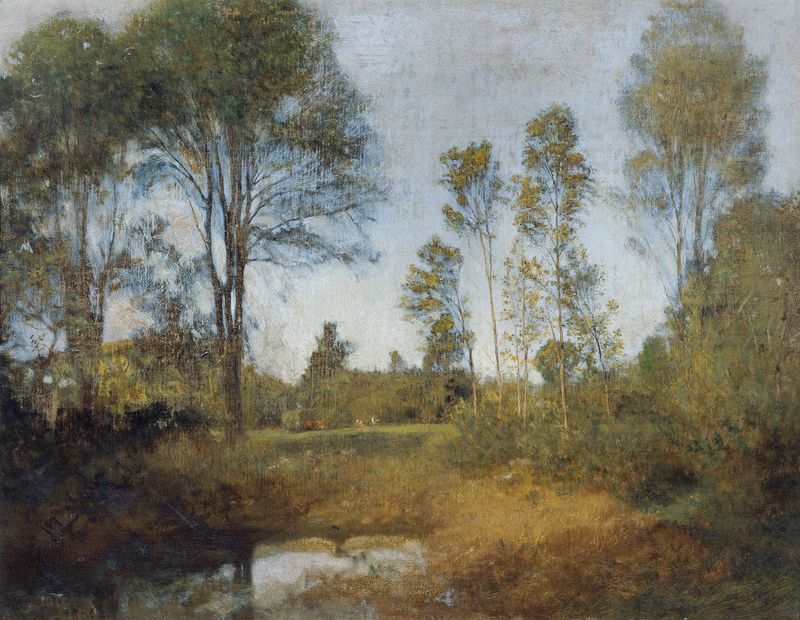
Landschaft mit Heuwagen
Franz Rumpler
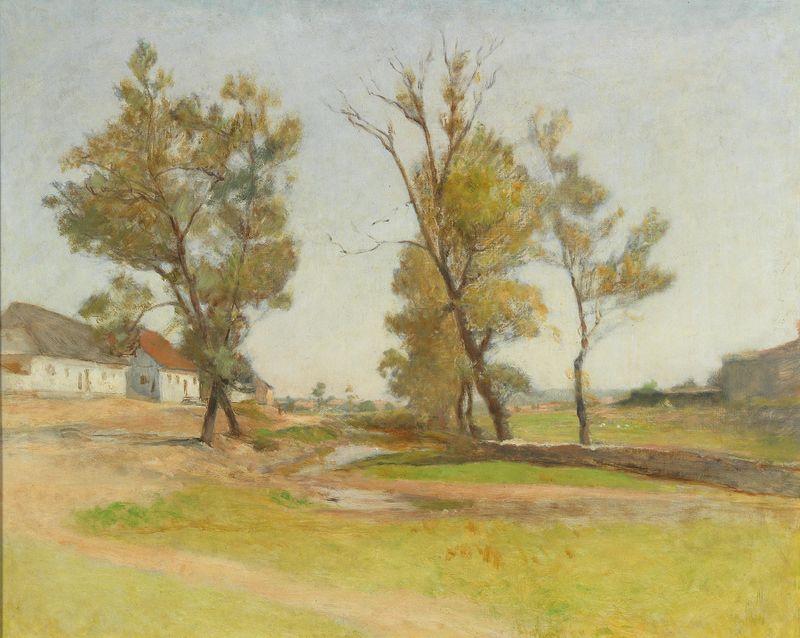
Wiese vor einem Dorf
Franz Rumpler
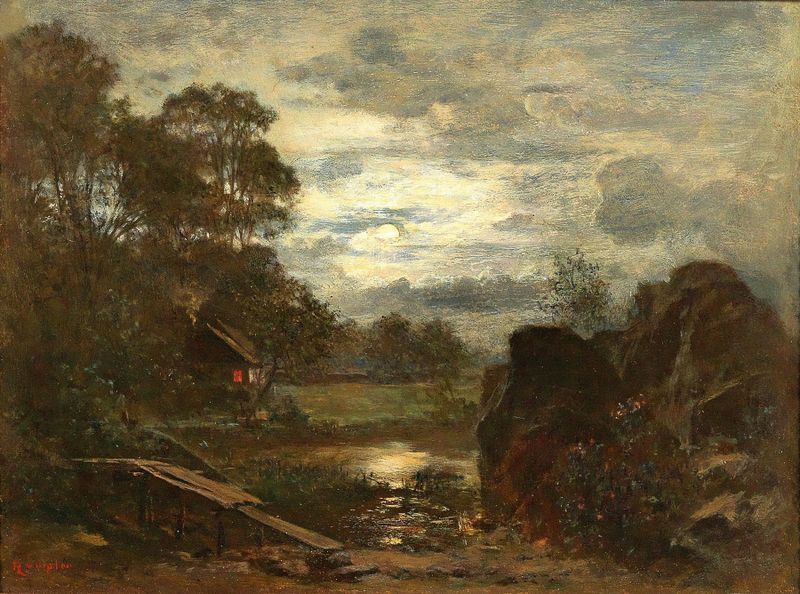
Pond Landscape with Jetty and Hut in the Moonlight
Franz Rumpler
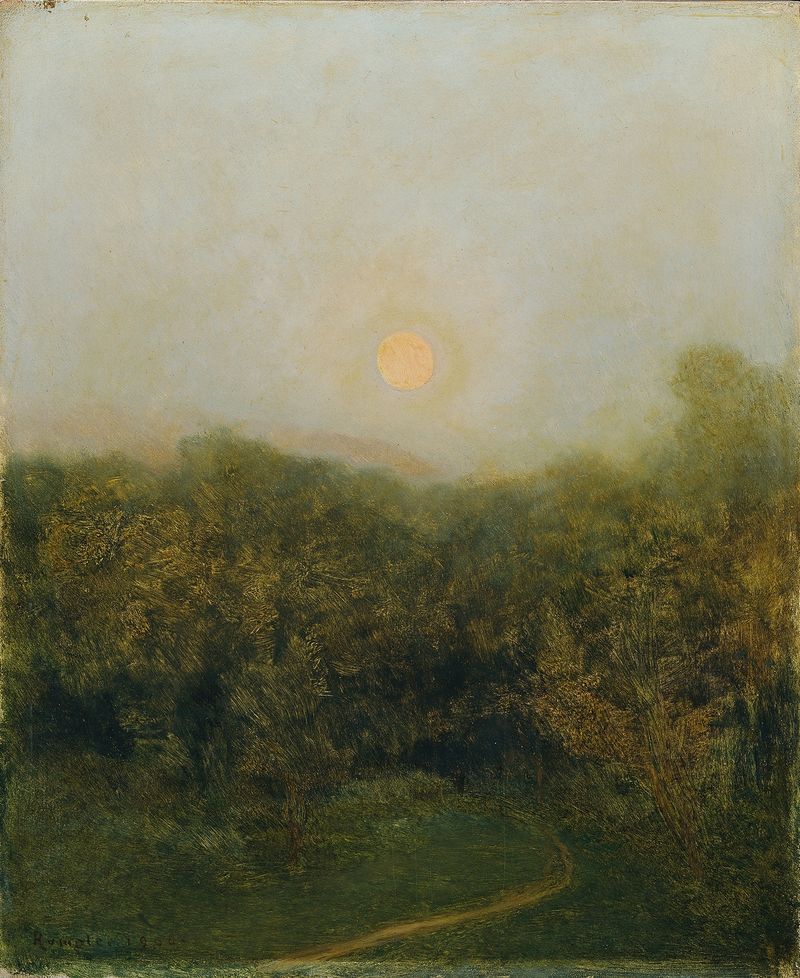
Mondaufgang
Franz Rumpler





