
Landschaft mit Heuwagen — History & Facts
When did color learn to lie? In the quiet realm of Landschaft mit Heuwagen, nature unfolds as a vivid tapestry of dreams, inviting contemplation that transcends mere observation. Look to the left, where a vibrant hay wagon rests against a backdrop of fields that pulse with life. The brushwork is loose yet deliberate, blending shades of golden yellow and earthy green to create a sense of abundance. Notice how the light spills across the landscape, casting playful shadows that dance along the contours of the rolling hills.
The sky, a soft azure tinged with whispers of lavender, embraces the scene, imbuing it with an ethereal quality that feels almost otherworldly. Hidden within this pastoral setting are contrasts that speak volumes. The hay wagon, a symbol of labor, stands at odds with the soft, dreamy landscape that cradles it. This juxtaposition hints at the tension between nature’s serene beauty and the toil of human existence.
The fluidity of the brushstrokes, reminiscent of fleeting memories, suggests that this moment, though rooted in reality, is tinged with a nostalgic dreaminess that encourages reflection on the passage of time. Franz Rumpler painted this piece in 1886 during his time in Vienna, a period marked by the rise of impressionism and a visual culture increasingly fascinated by the interplay of light and color. As he explored these new artistic avenues, Rumpler sought to capture the essence of the natural world, infusing his landscapes with a sense of both immediacy and timelessness, bridging the gap between the real and the imagined.
More Artworks by Franz Rumpler
Browse all →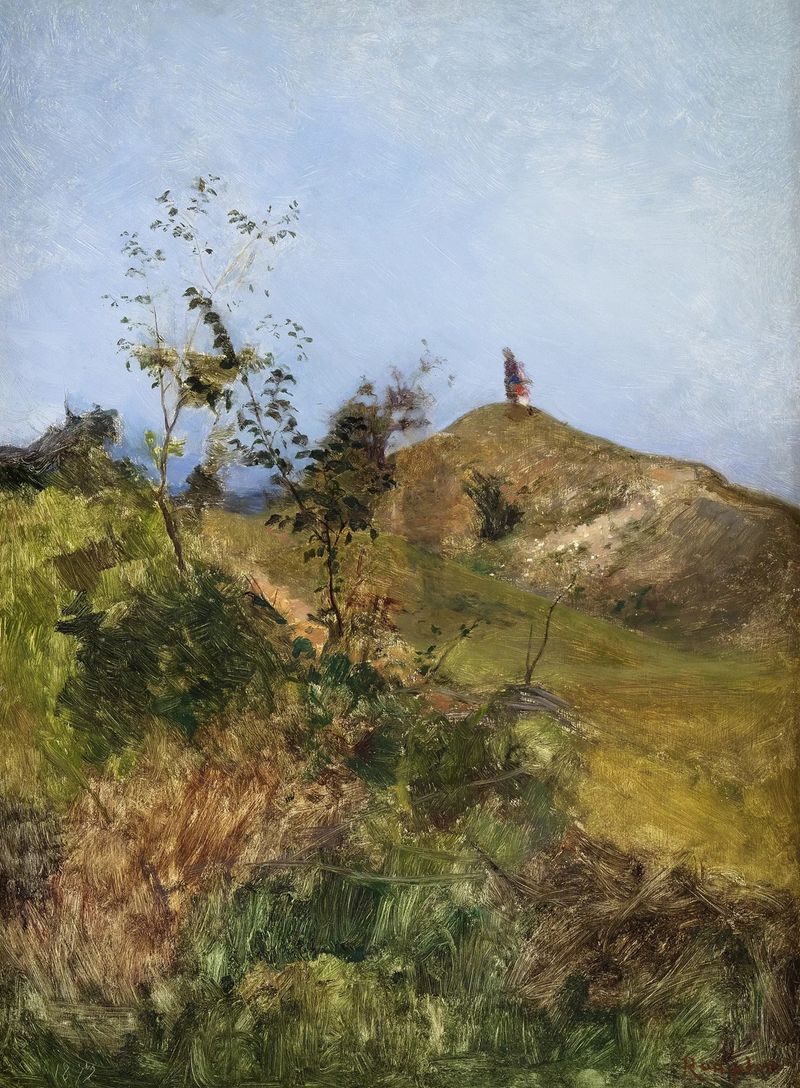
Auf der Hügelkuppe (Mädchen in Landschaft)
Franz Rumpler
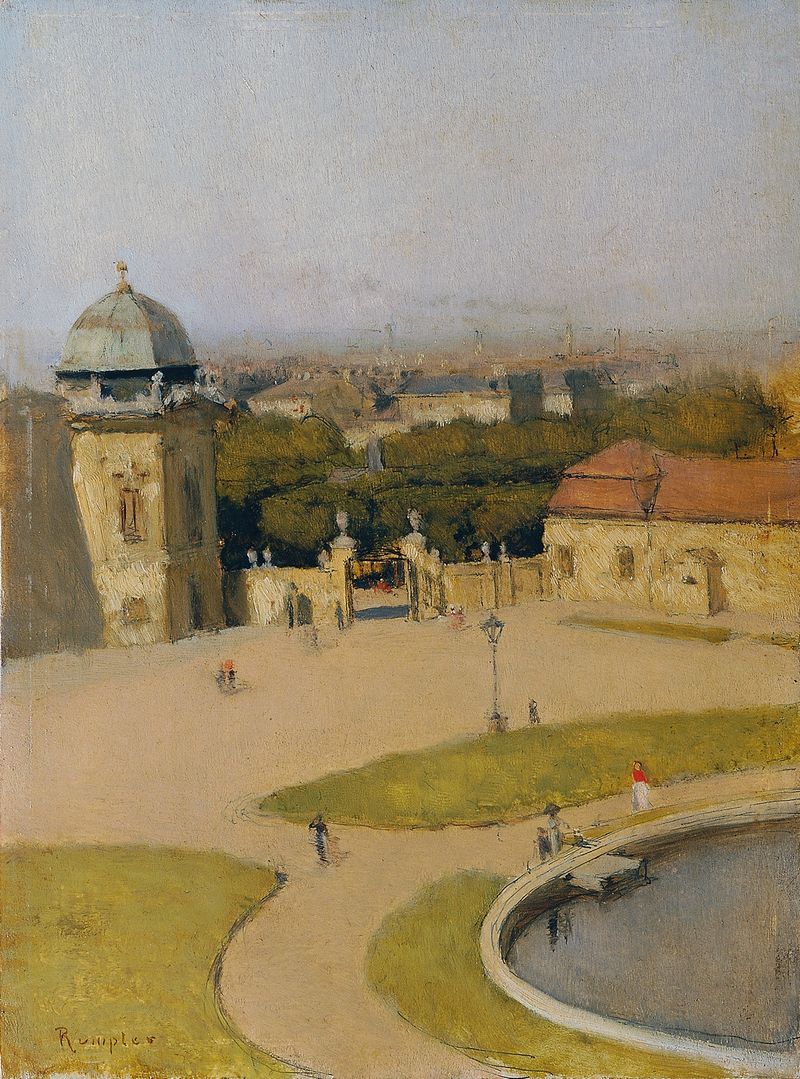
Blick von Südwest auf das Obere Belvedere
Franz Rumpler
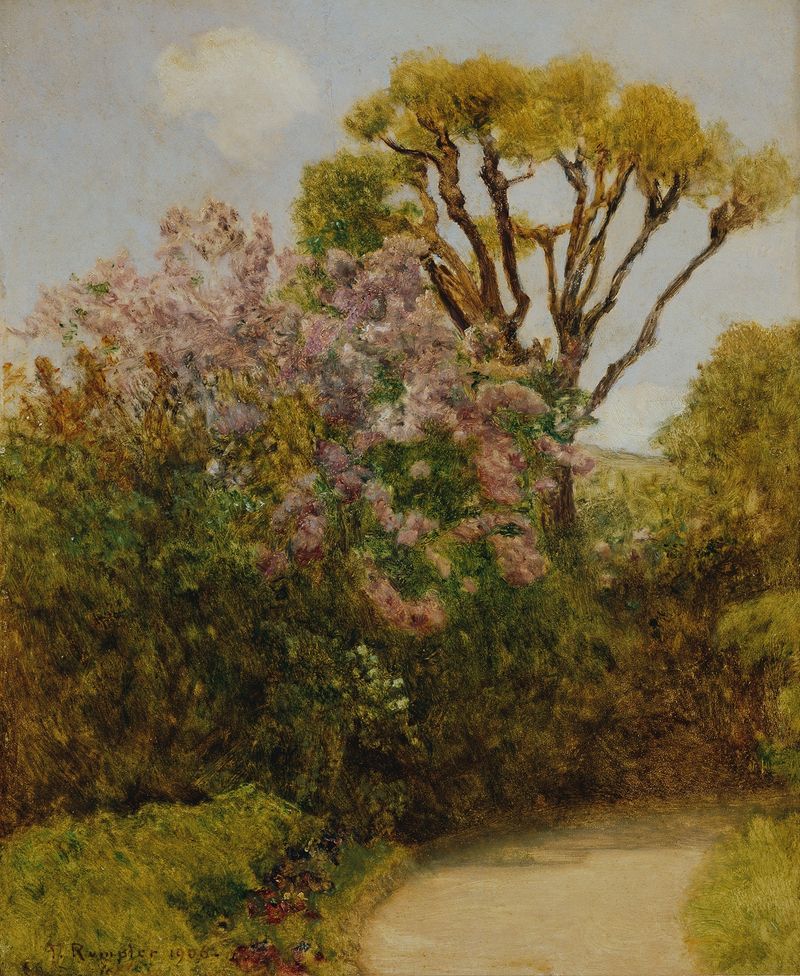
Landschaft
Franz Rumpler
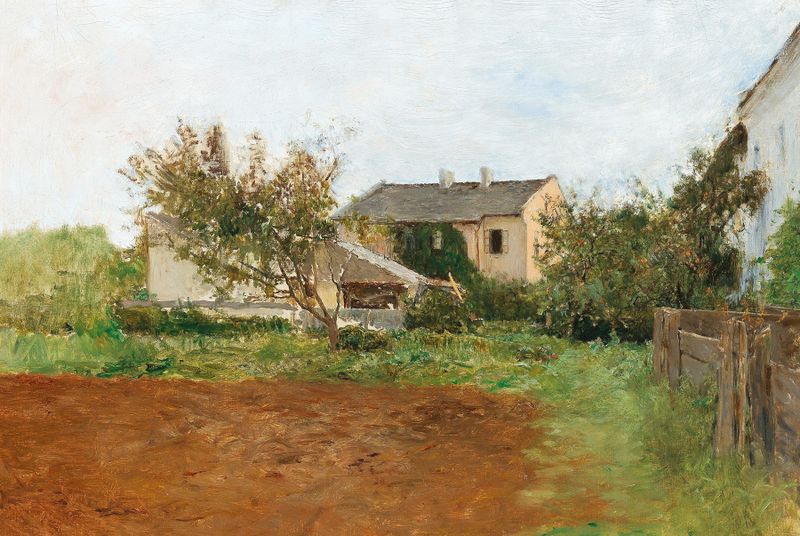
At the Village Edge
Franz Rumpler
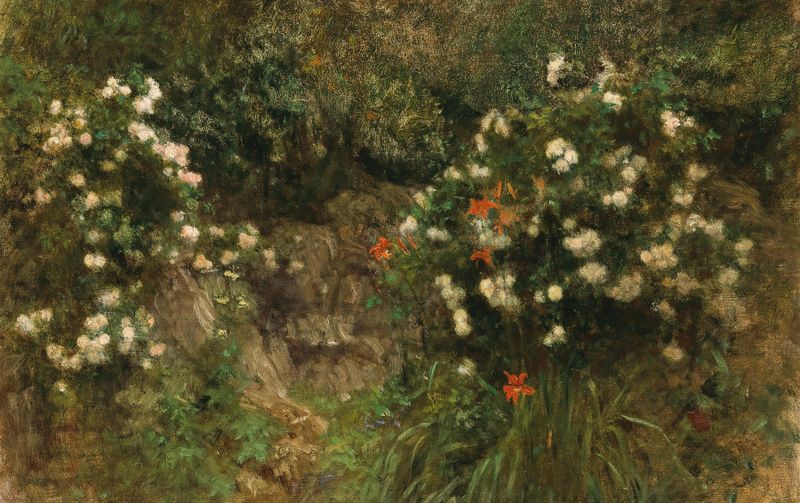
Grotto with white roses
Franz Rumpler
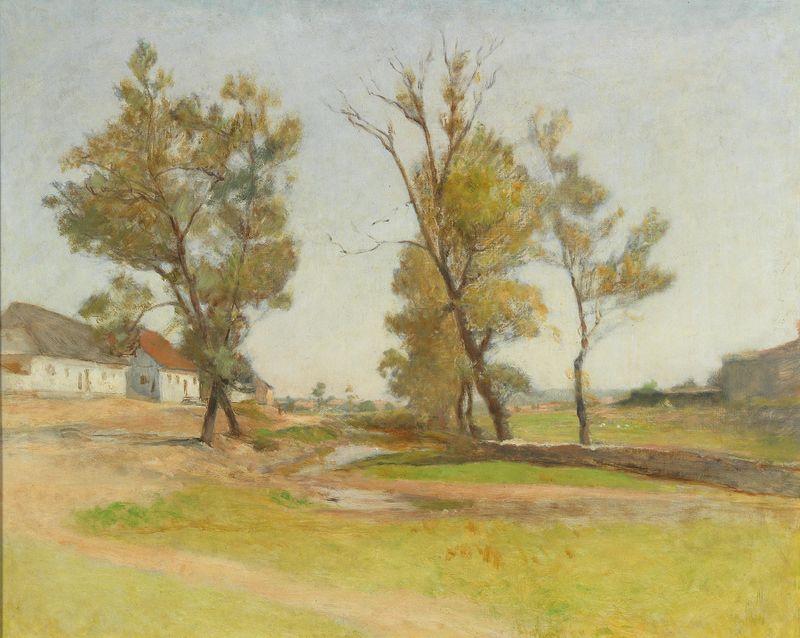
Wiese vor einem Dorf
Franz Rumpler
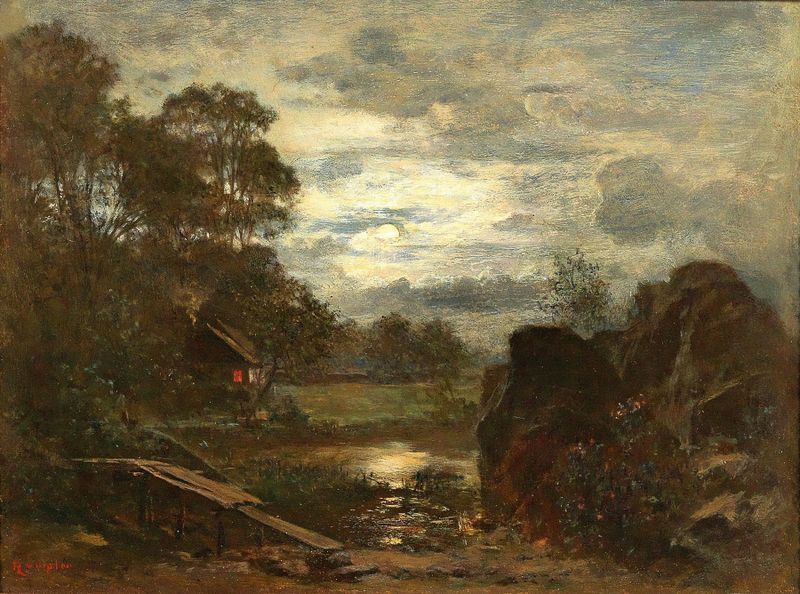
Pond Landscape with Jetty and Hut in the Moonlight
Franz Rumpler
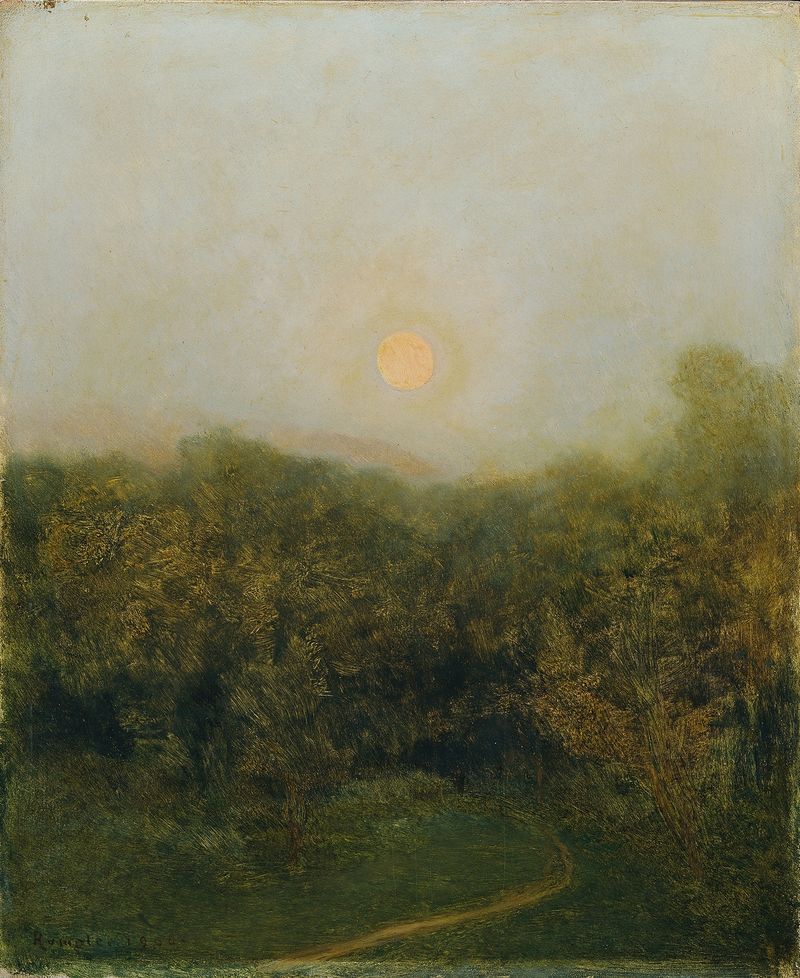
Mondaufgang
Franz Rumpler





