
Wiese vor einem Dorf — History & Facts
When did color learn to lie? In a world awash in vibrant shades, the fleeting nature of existence whispers through a seemingly idyllic scene. Look to the center of the canvas, where swells of verdant grass cradle a tranquil village, its thatched roofs bathed in golden sunlight. Notice the delicate brushstrokes that animate the foliage, each blade a testament to life’s vigor, yet they hint at something deeper — the inevitable decay that lies just beneath the surface. The soft blues of the sky contrast with the earthy tones of the village, creating a balance that invites tranquility while subtly stirring a sense of foreboding. This juxtaposition of idyllic beauty and hidden mortality is at the heart of Rumpler's work.
The gentle sway of the grass serves as both a celebration of life and a reminder of its transience, with shadows lurking in the corners of the scene. The placement of the village, isolated yet inviting, speaks to humanity’s ongoing struggle with its place in the natural world, where comfort coexists with the knowledge of decay and loss. During the late 19th century, when this piece was likely created, Rumpler was immersed in the vibrant art scene of Central Europe, grappling with the shifts brought about by modernity. The rise of Impressionism and the exploration of light and color deeply influenced his technique, allowing him to capture landscapes that resonated with both beauty and the weight of reality.
In this period, artists sought not only to depict the world around them but also to evoke deeper emotional truths, echoing the eternal dance between life and death.
More Artworks by Franz Rumpler
Browse all →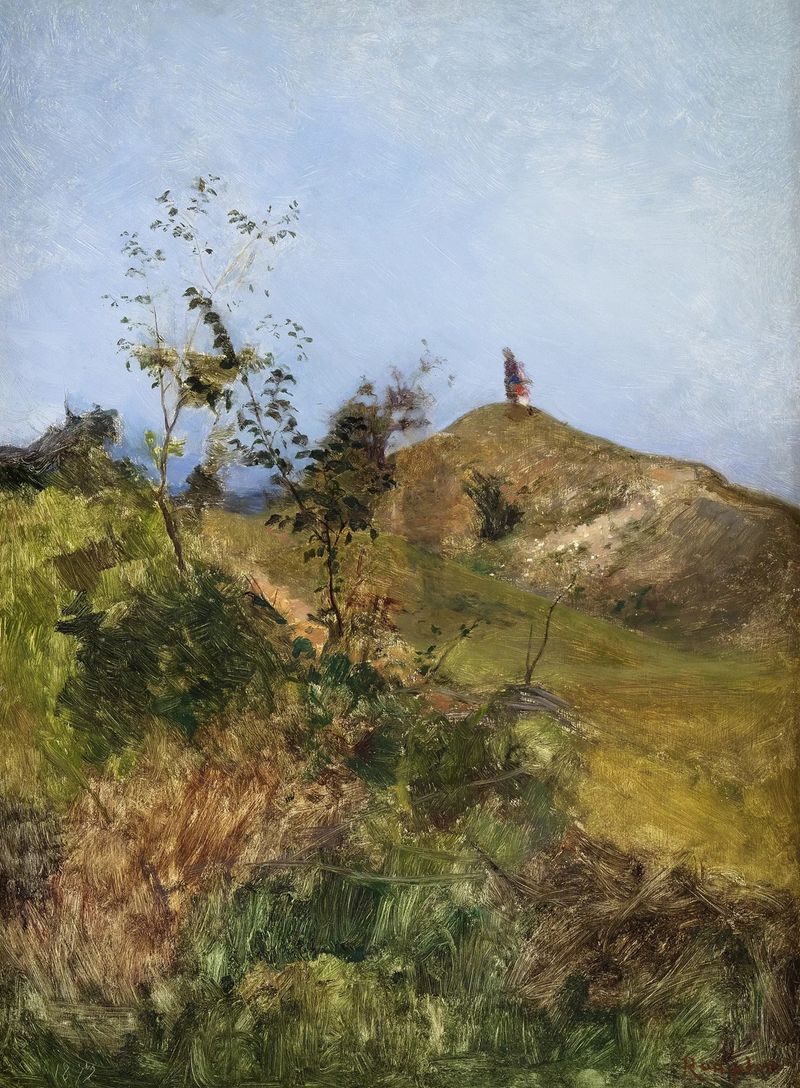
Auf der Hügelkuppe (Mädchen in Landschaft)
Franz Rumpler
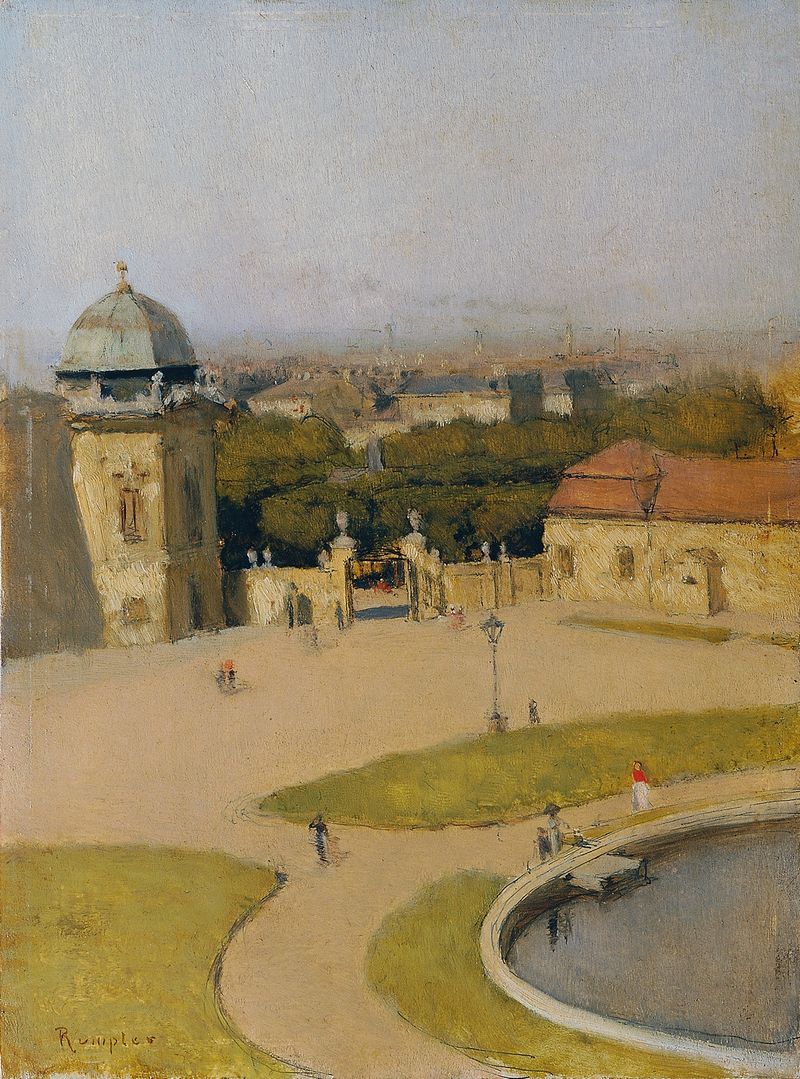
Blick von Südwest auf das Obere Belvedere
Franz Rumpler
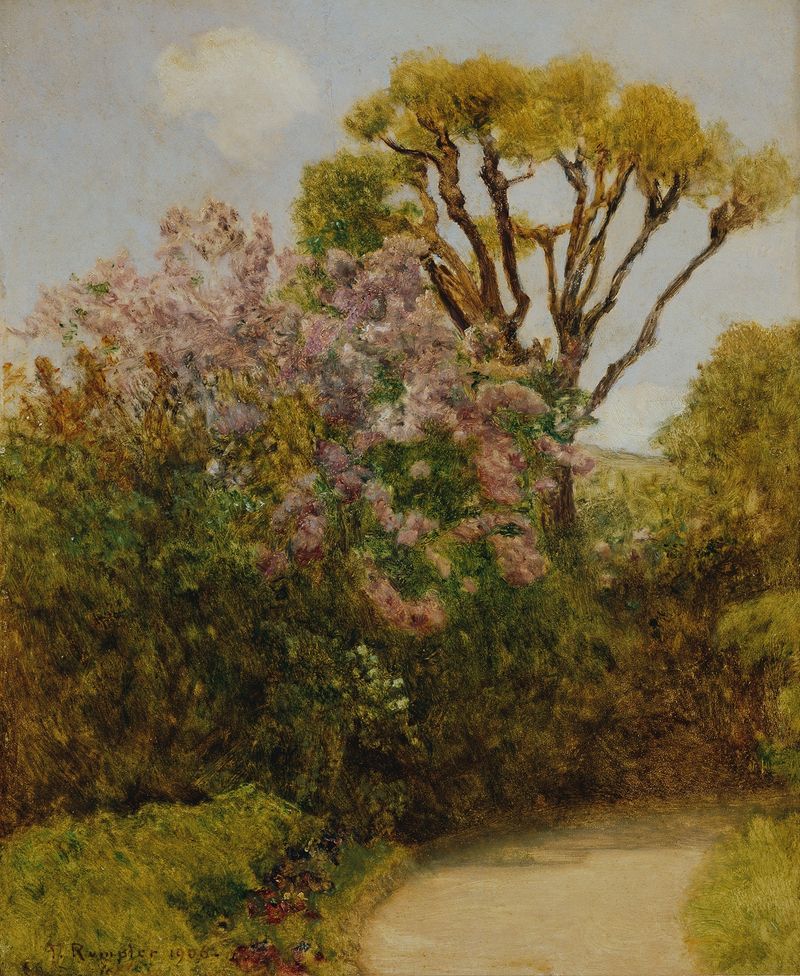
Landschaft
Franz Rumpler
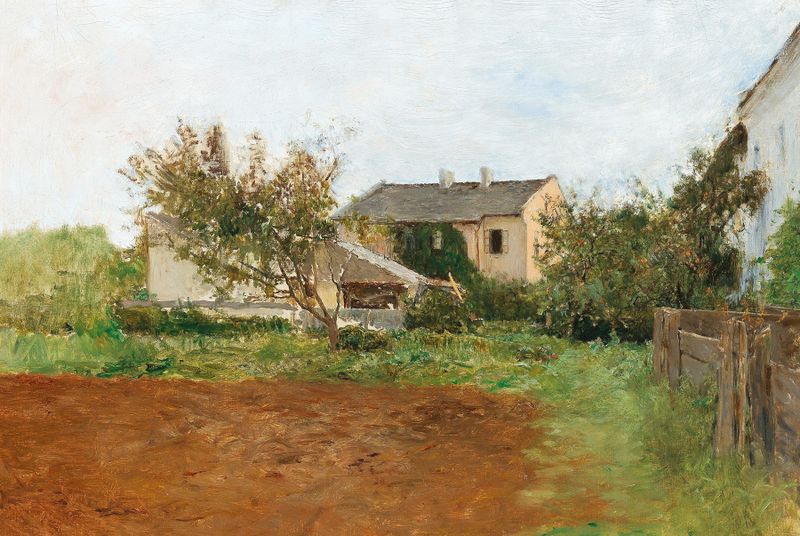
At the Village Edge
Franz Rumpler
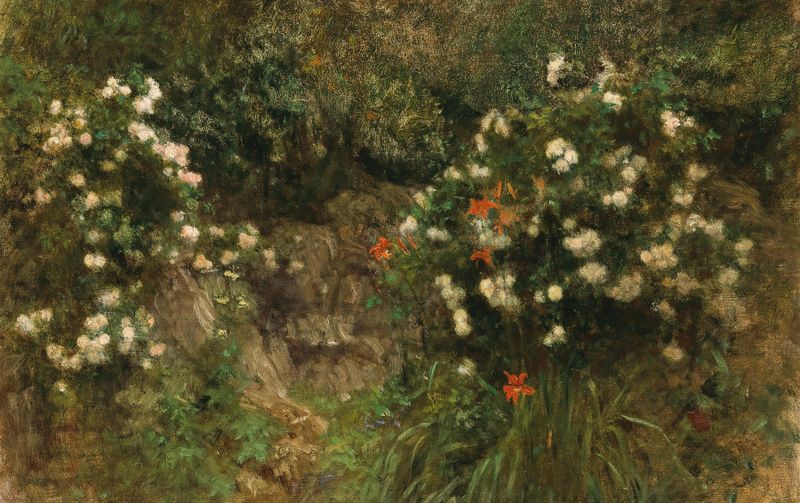
Grotto with white roses
Franz Rumpler
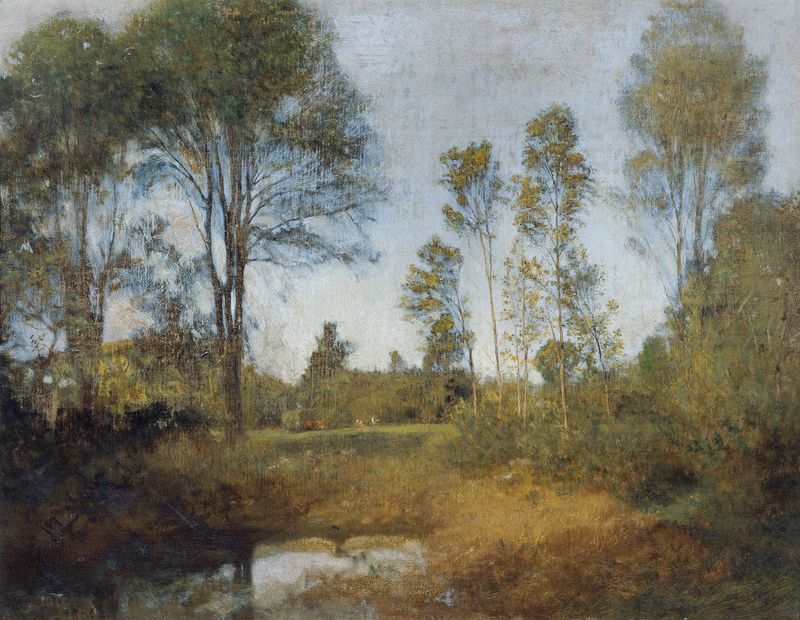
Landschaft mit Heuwagen
Franz Rumpler
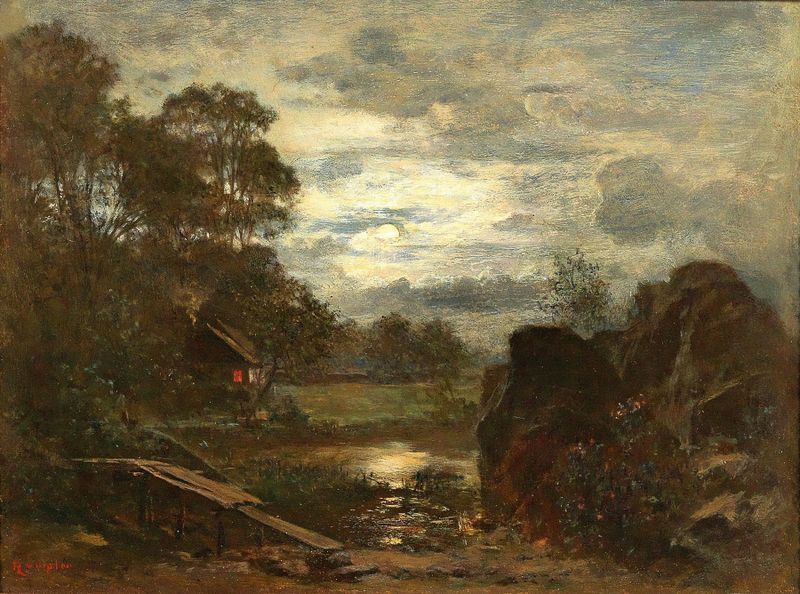
Pond Landscape with Jetty and Hut in the Moonlight
Franz Rumpler
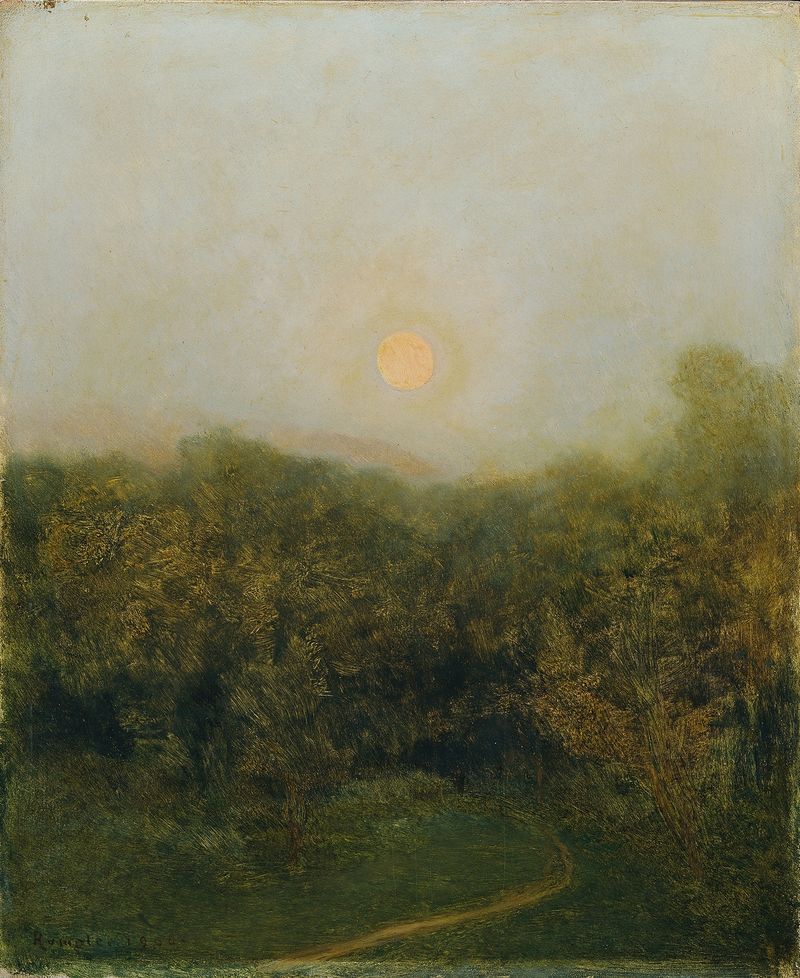
Mondaufgang
Franz Rumpler





