
Mondaufgang — History & Facts
In the swirling colors of dusk, a moon rises—a silent witness to the grief that lingers in the shadows of our hearts. Look to the left at the ethereal glow of the moon, casting its silvery light upon a serene landscape that seems both haunting and beautiful. Notice how the deep blues and purples of the night sky blend seamlessly with the muted earth tones below, creating a striking contrast that embodies the quiet sorrow of twilight. The brushwork is both delicate and expressive, suggesting movement as if the scene itself breathes, inviting the viewer to linger in this moment suspended between night and day. The subtle interplay of light and shadow speaks volumes of loss and longing, evoking a sense of nostalgia that resonates with personal memories.
The moon, often a symbol of light in darkness, here becomes a poignant reminder of absence, illuminating the contours of the landscape and the emotions we carry within. Each stroke encapsulates a fleeting moment, suggesting that even in stillness, time continues to flow—an unyielding tide that carries away what we hold dear. In 1900, Franz Rumpler created Mondaufgang during a period of transformation in the art world, where traditional boundaries were being challenged by new movements. Living in Vienna, he was influenced by the burgeoning Symbolist and Impressionist movements, as artists sought to convey emotional truths over realistic depictions.
This painting reflects Rumpler's exploration of mood, capturing the essence of a moment marked by both beauty and melancholy.
More Artworks by Franz Rumpler
Browse all →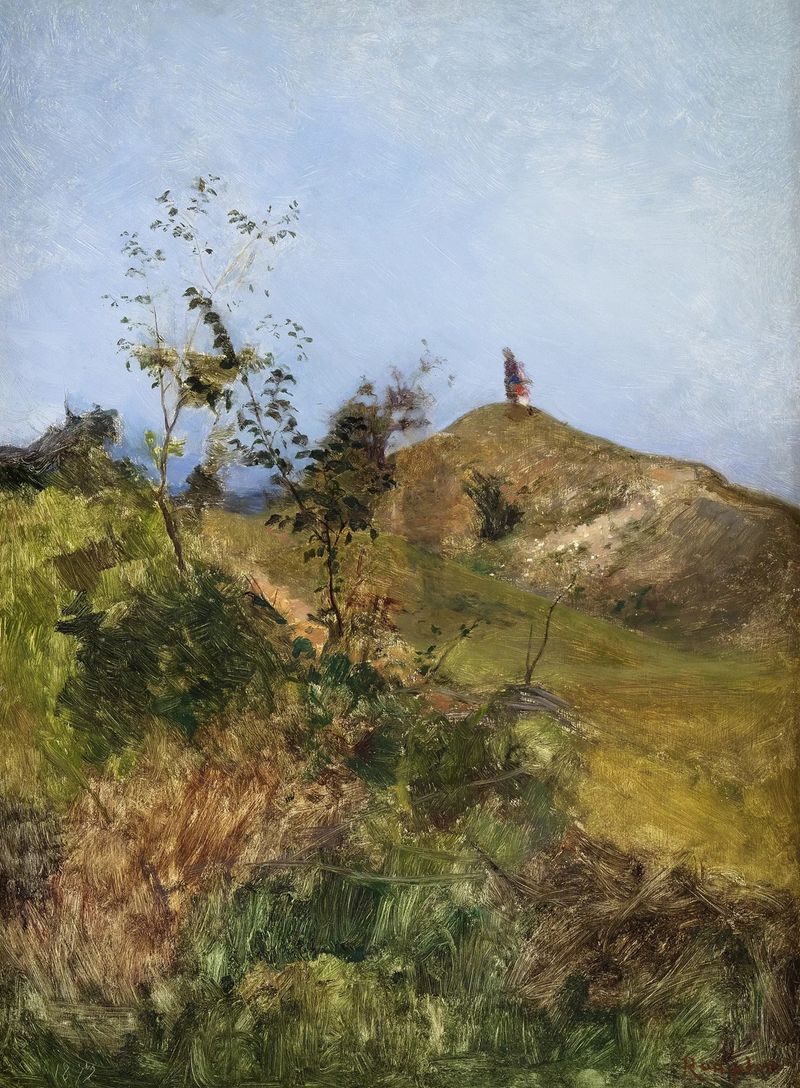
Auf der Hügelkuppe (Mädchen in Landschaft)
Franz Rumpler
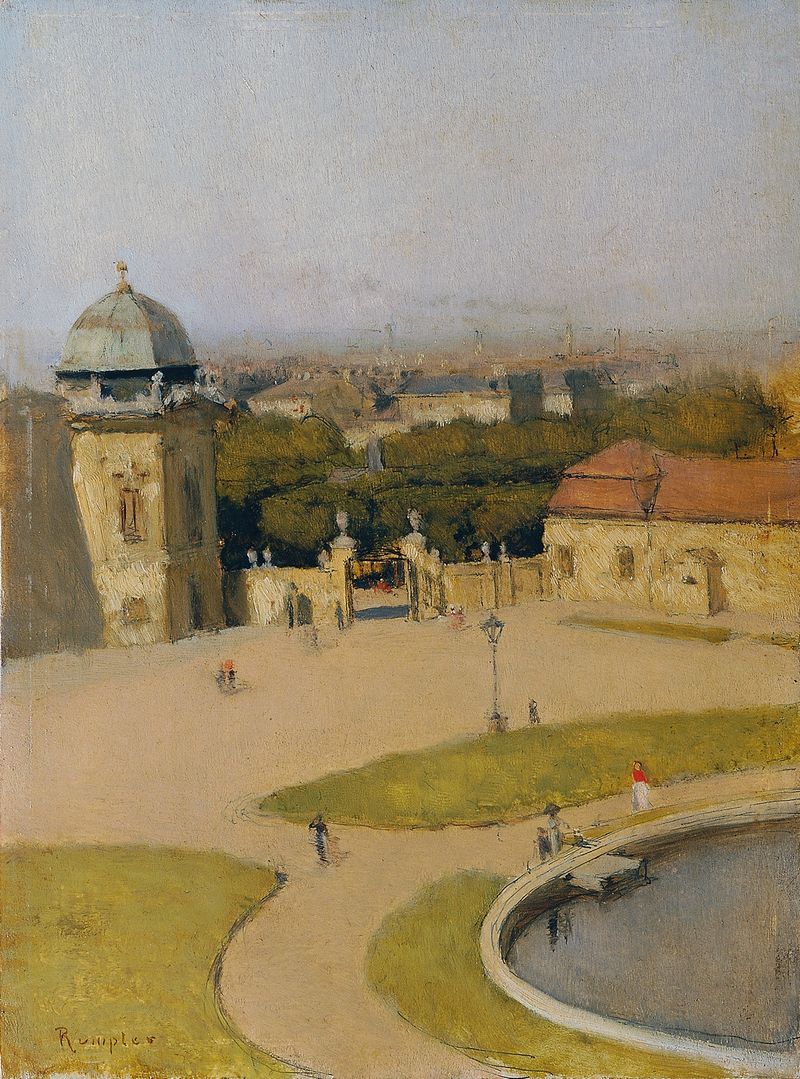
Blick von Südwest auf das Obere Belvedere
Franz Rumpler
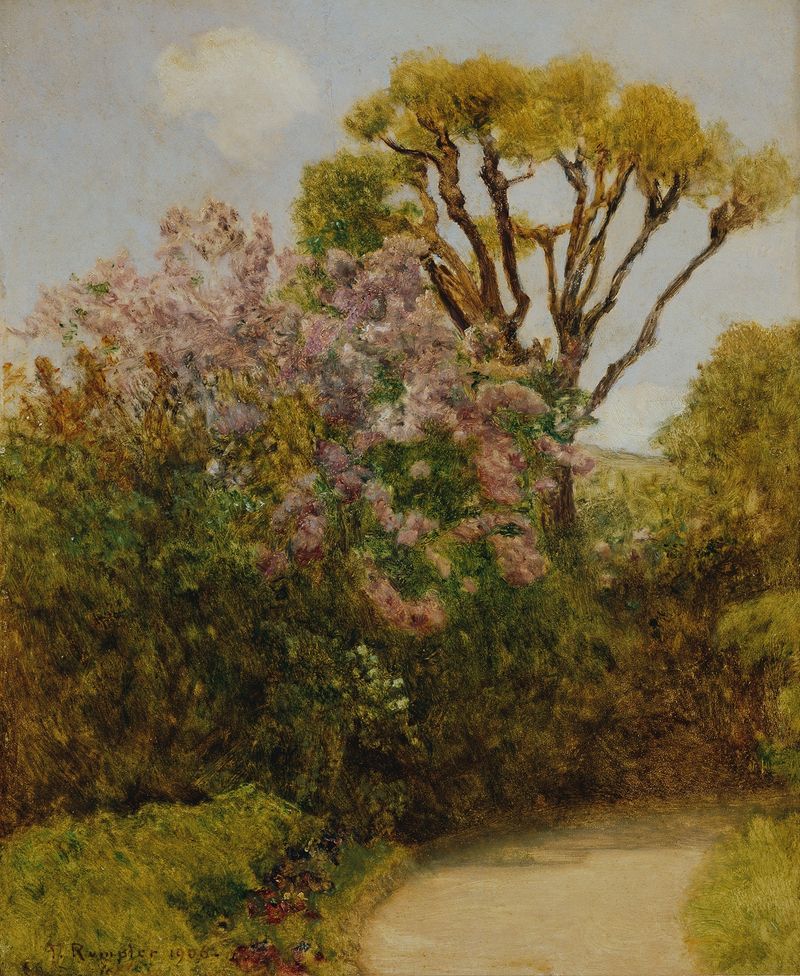
Landschaft
Franz Rumpler
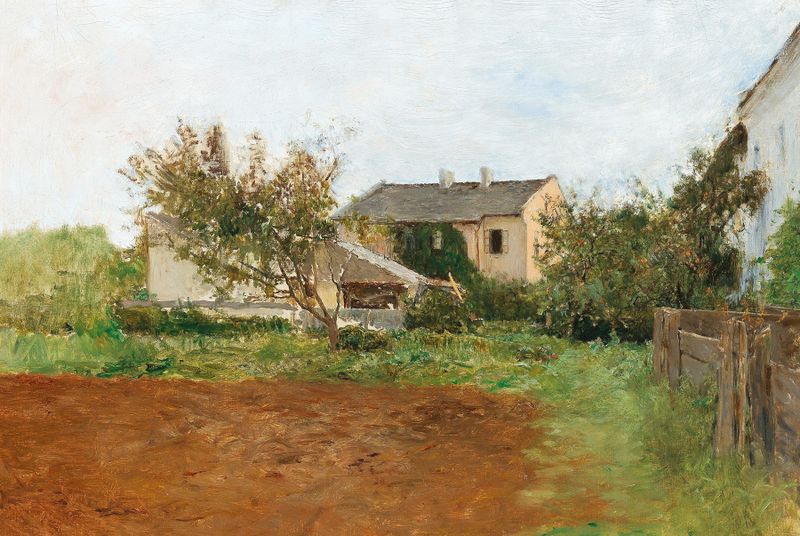
At the Village Edge
Franz Rumpler
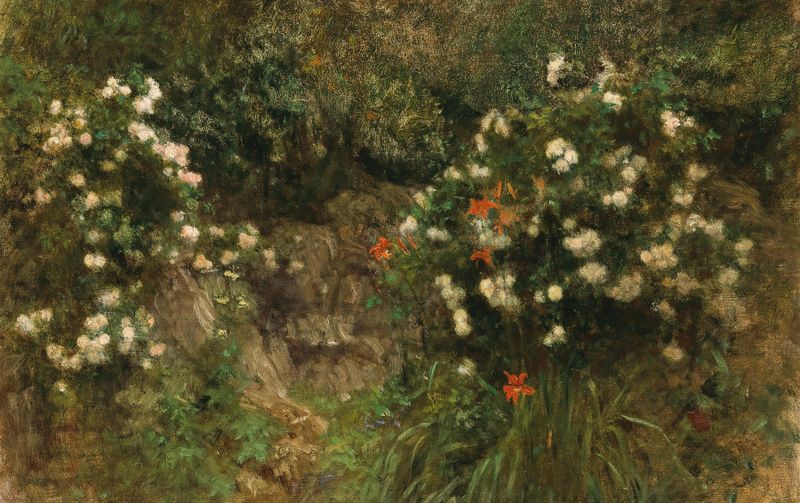
Grotto with white roses
Franz Rumpler
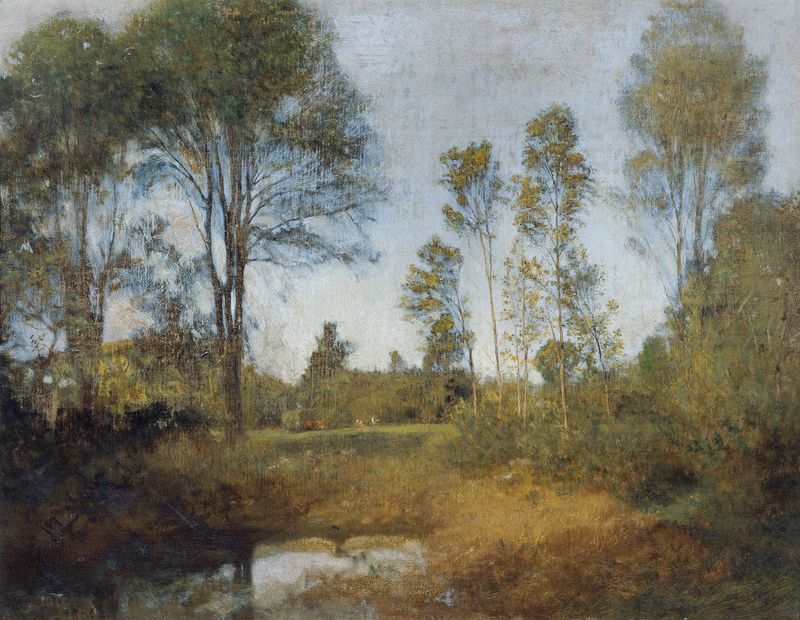
Landschaft mit Heuwagen
Franz Rumpler
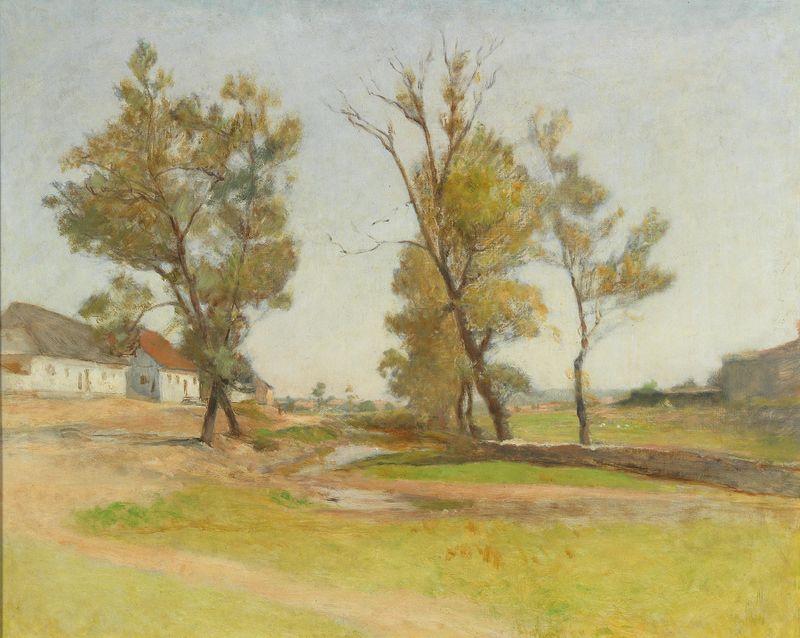
Wiese vor einem Dorf
Franz Rumpler
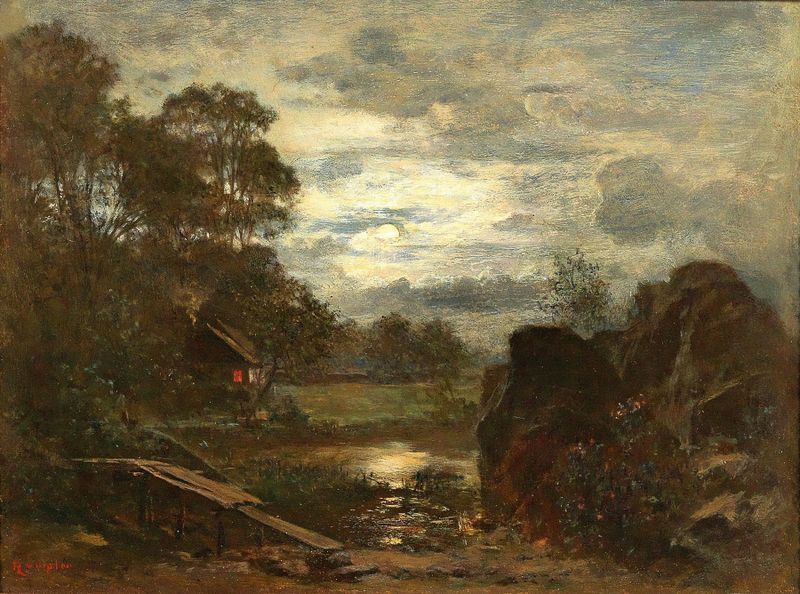
Pond Landscape with Jetty and Hut in the Moonlight
Franz Rumpler





