
Landschaft III — History & Facts
When did color learn to lie? Beneath the vibrant surface of Landschaft III, a fragility hints at deeper truths obscured by hues of artificiality. Look to the center; there, a swirling array of colors melds into one another, creating an impression of movement. The brushstrokes pulse with energy, yet the transitions evoke a sense of unease, as if the landscape itself is holding its breath. The vivid greens and blues, though striking, seem to tremble with uncertainty; they dance on the edge of reality, skirting the line between chaos and coherence. In this piece, one can sense a tension between beauty and deception.
The interplay of shadow and light generates an eerily calm atmosphere, inviting contemplation yet suggesting a deeper melancholy. The fragility of the colors speaks to the vulnerability of the natural world, as if it is all too aware of its impending disruption. Each brushstroke feels like a whisper, a fleeting memory of what was, or what might be lost. Created during a tumultuous period in 1943, Karl Wiener sought refuge in his art amidst the backdrop of World War II.
Living in Europe during the conflict, he faced the chaos surrounding him while striving to convey emotional truth through his landscapes. This painting reflects his inner turmoil and the broader existential crisis of an era marked by uncertainty and transformation in both society and the art world.
More Artworks by Karl Wiener
Browse all →
Österreich
Karl Wiener

Vorstadt VII
Karl Wiener

Der Turm
Karl Wiener

Ohne Titel (Häuser mit Holzscheune)
Karl Wiener

Kopfstudie, aus; ‘Profile’, 10 Blätter, Graz XV
Karl Wiener

Steinberg
Karl Wiener
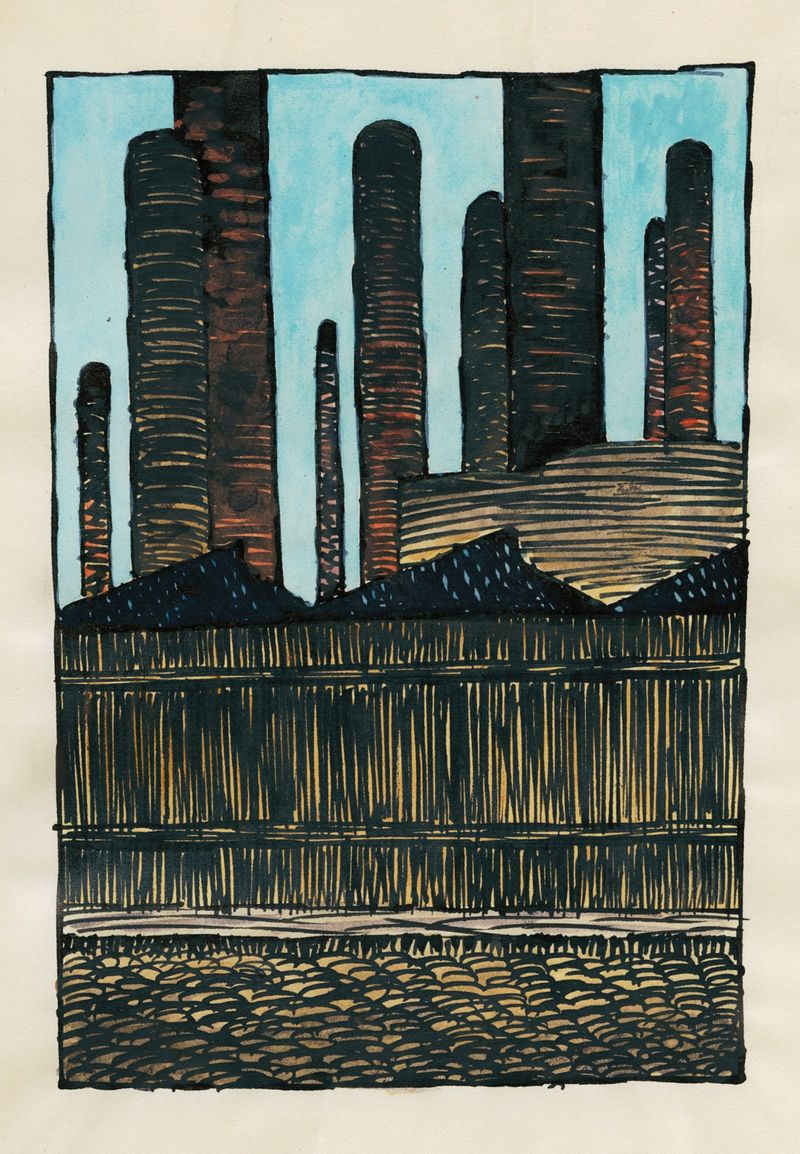
Kopfstudie, aus; ‘Profile’, 10 Blätter, Graz XIV
Karl Wiener

Ohne Titel (Bauernhaus mit Vorgarten)
Karl Wiener
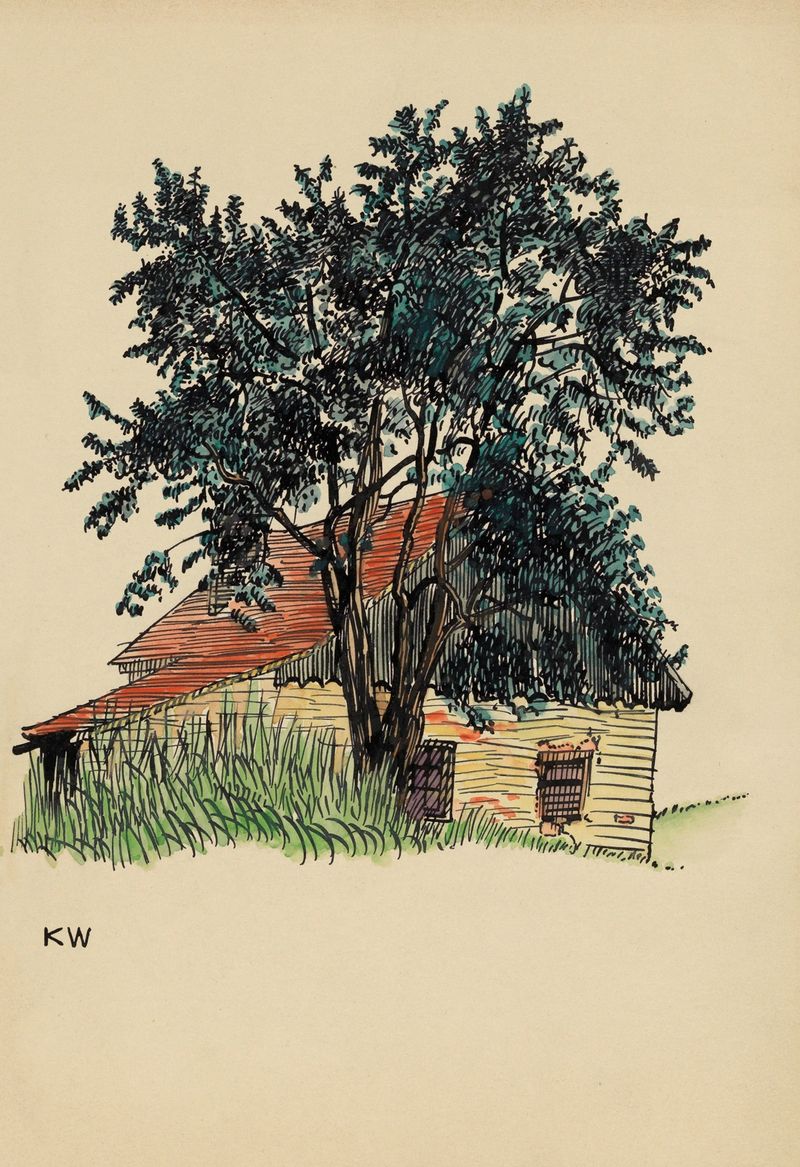
Ohne Titel (Bauernhaus)
Karl Wiener
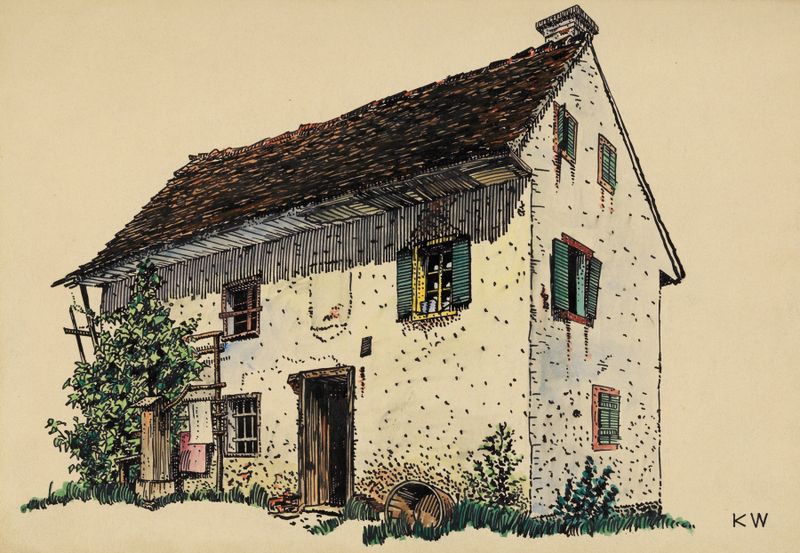
Ohne Titel (Bauernhaus)
Karl Wiener





