
Landschaft mit Bauernhof — History & Facts
When did color learn to lie? In the delicate interplay of hues, where greens and browns whisper secrets of both beauty and deception, one is drawn into a world that feels both real and dreamlike. Look to the right at the gentle slope of the hills, dappled in soft sunlight that dances across the textured, vibrant greens. The farmhouse, nestled amid the foliage, stands as a focal point, its muted tones contrasting yet harmonizing with the lush landscape. Notice how the artist employs a subtle gradation of color, from the deep earth tones below to the bright, airy sky above, crafting a composition that invites the viewer to wander through nature’s embrace. At first glance, the painting evokes a sense of tranquility, but a deeper exploration reveals a tension between man and nature.
The robust farmhouse symbolizes humanity's presence within this idyllic setting, suggesting both harmony and a looming vulnerability. The contrasting light and shadow give life to the scene, revealing the emotional layers that lie beneath the surface—a reminder of nature's relentless passage and its capacity for both nurture and destruction. In 1773, while painting Landschaft mit Bauernhof, Caspar Wolf was immersed in the picturesque movement, which sought to harmonize landscapes with human activity. Living in Switzerland, he was influenced by the serene beauty of the Alps, and this piece reflects his deep connection to the natural world and the evolving appreciation for vivid color during this period.
This was a time when artists began to embrace the emotional power of color, setting the stage for future explorations in landscape painting.
More Artworks by Caspar Wolf
Browse all →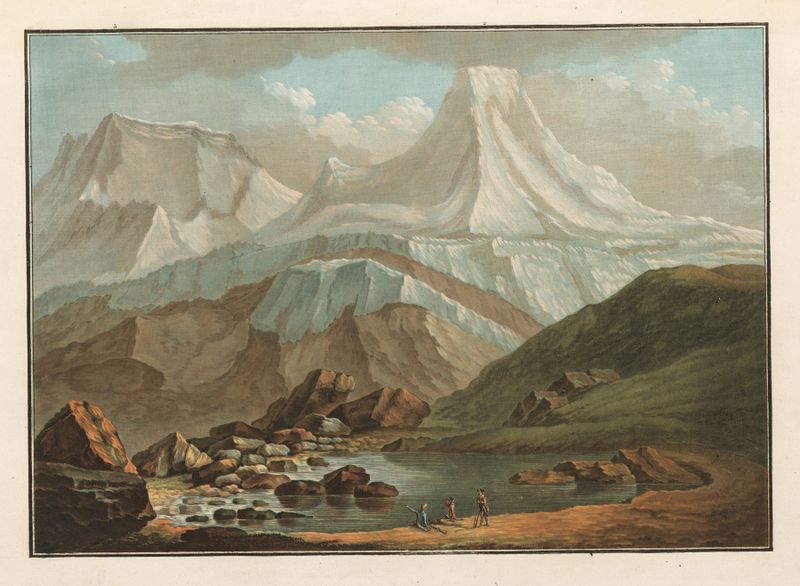
Vue du Gross-Horn et du Breit-Horn avec le petit lac d’Oberhorn
Caspar Wolf
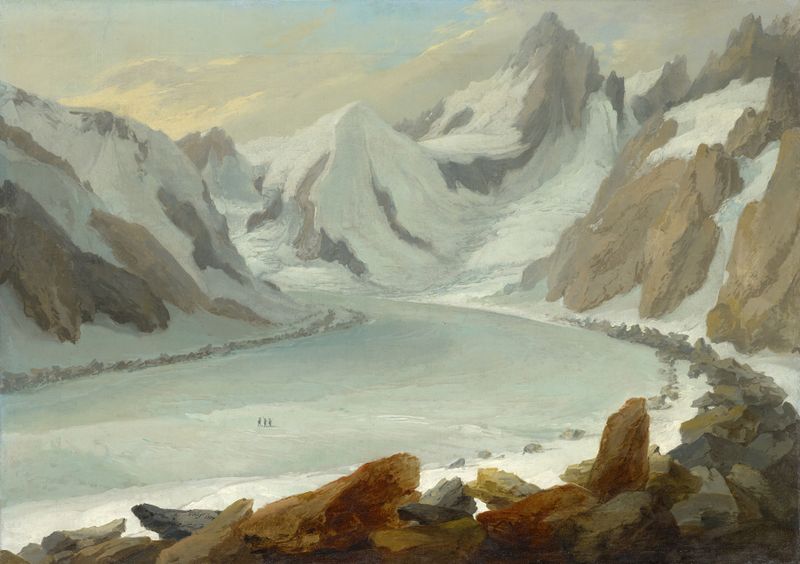
Finsteraargletscher mit Blick auf das Finsteraarhorn
Caspar Wolf
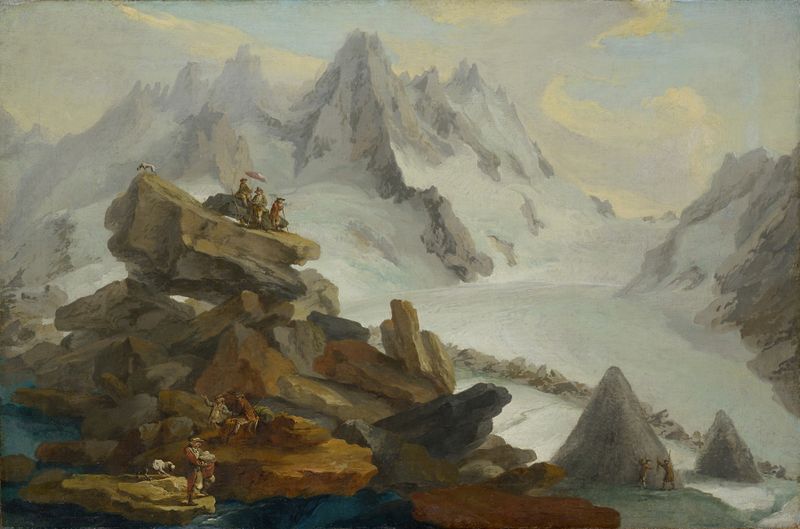
Glacier Lauteraar
Caspar Wolf

Glacier de Lauteraar Canton de Berne Province d’Oberhasli
Caspar Wolf
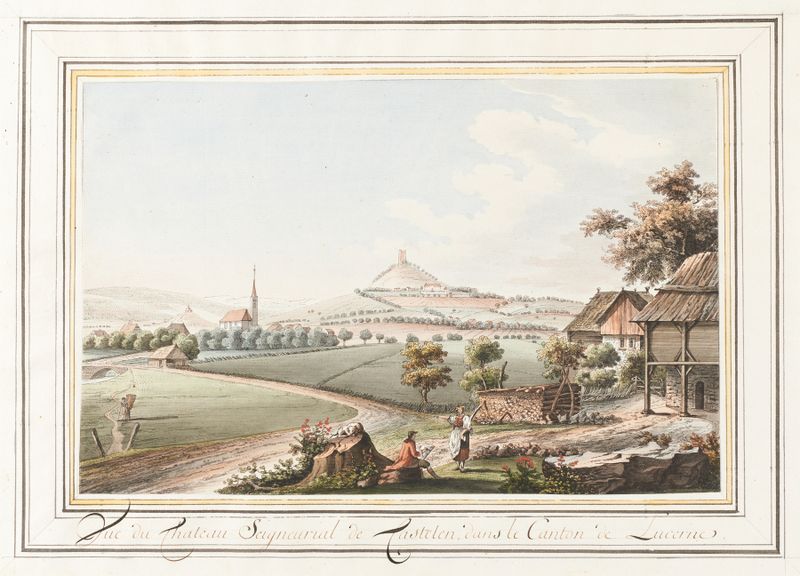
Vue du Chateau Seigneurial de Castelen dans le Canton de Lucerne
Caspar Wolf

Wasserfall im Tobel bei Muri
Caspar Wolf
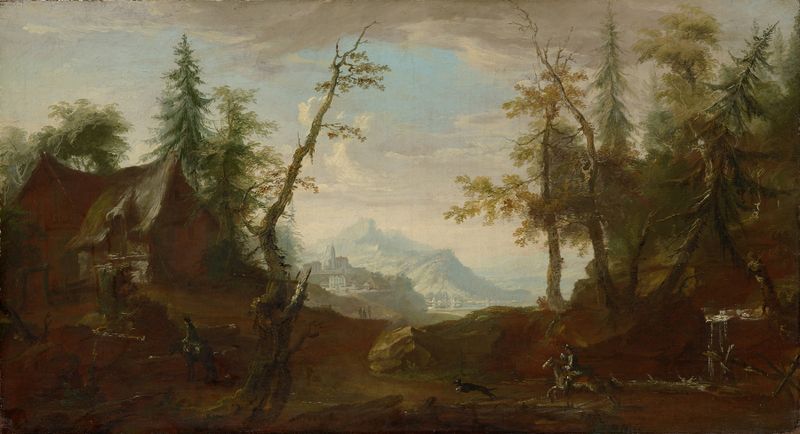
Farmhouse in a Forest Glade with Riders
Caspar Wolf
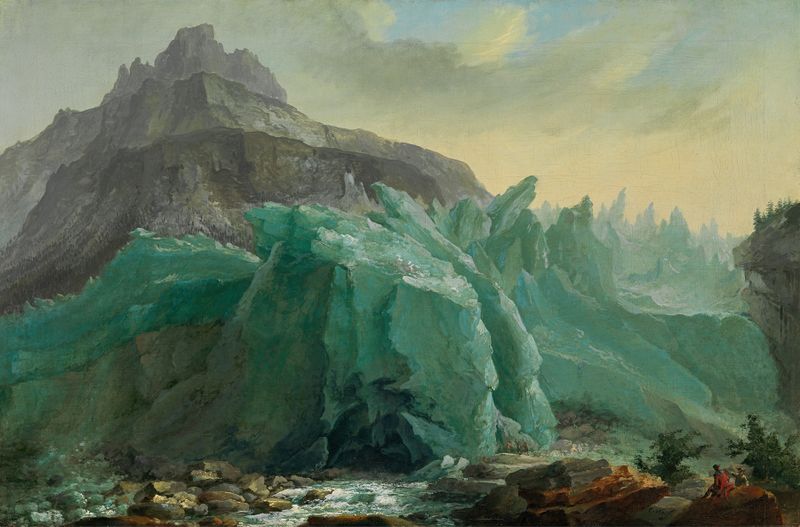
The Lower Grindelwald Glacier with Lütschine and the Mettenberg
Caspar Wolf
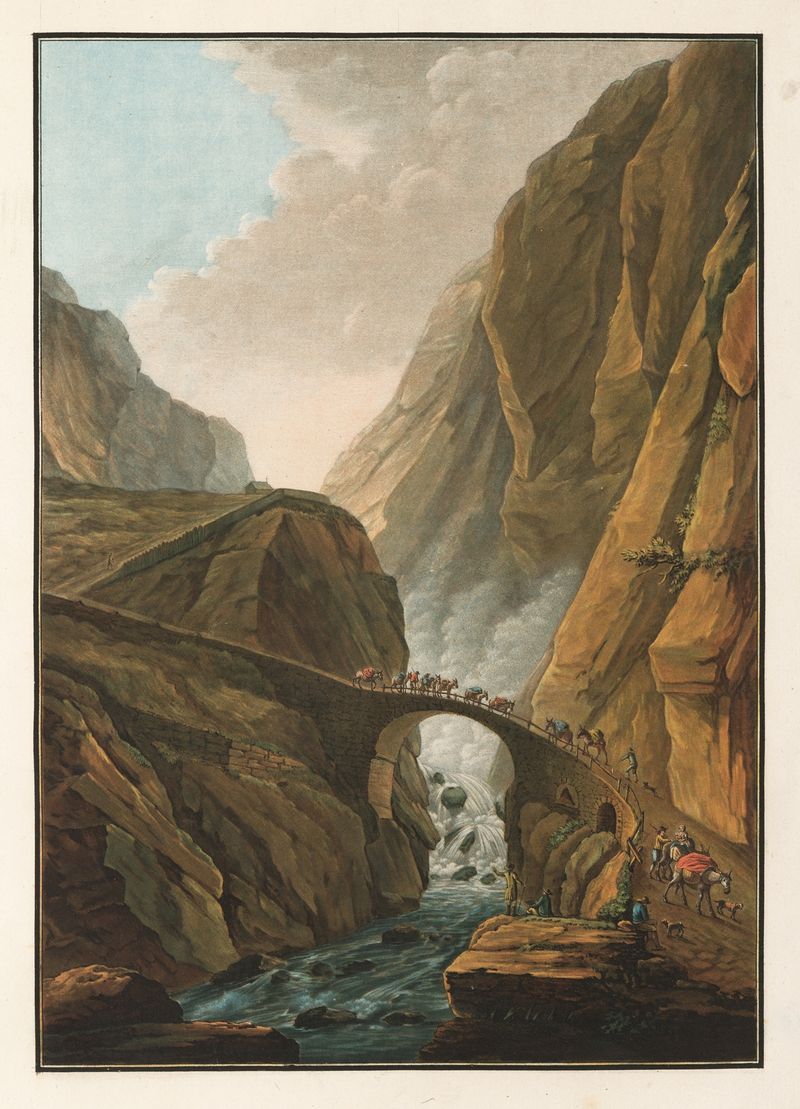
Teufelsbrücke
Caspar Wolf
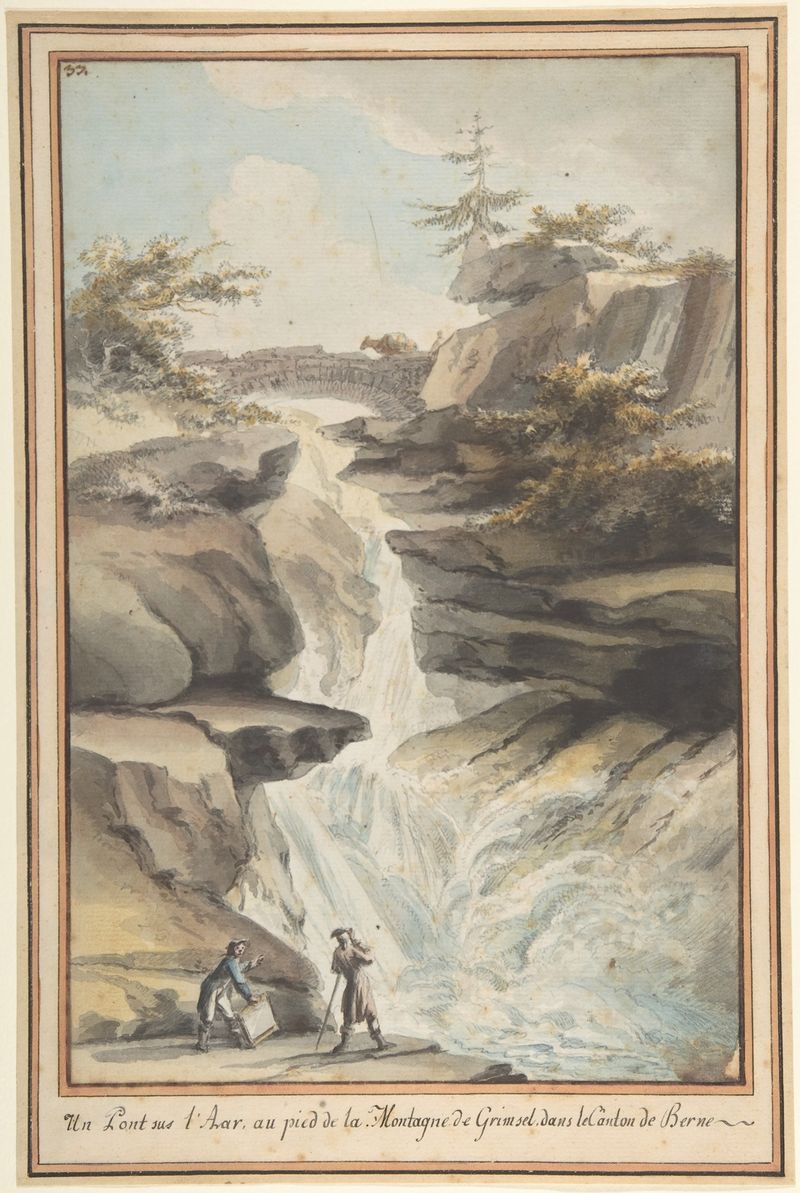
A Bridge on the Aar, at the Foot of the Grimsel, in the Canton of Berne
Caspar Wolf





