
Landschaft mit Kirche am Abend — History & Facts
In Landschaft mit Kirche am Abend, an exquisite blend of twilight hues beckons the viewer into a realm where ecstasy lingers in the air. Look first to the left, where the church steeple rises against the fading sky, its silhouette sharp yet softened by the golden glow of the setting sun. The interplay of deep blues and warm oranges captures a fleeting moment, a transition that is both serene and charged with the promise of night. The brushwork is deliberate, each stroke alive with intention, inviting us to explore the delicate balance between light and shadow. As you absorb the scene, notice how the tranquil landscape contrasts with the vibrant sky, suggesting the tension between the earthly and the divine.
The distant hills, steeped in shadow, seem to whisper secrets of the day, while the church beckons with a sense of sanctuary and hope. This duality evokes a longing for connection, an ecstasy that transcends the mundane, urging us to reflect on our own place within this harmonious expanse. Emil Ludwig Löhr created this piece in 1845, during a period in Europe marked by a burgeoning interest in Romanticism, where nature was revered as a source of inspiration and spiritual renewal. Living in Germany, Löhr was influenced by the shifting cultural landscape, witnessing both the rise of industrialization and a yearning for a return to the natural world.
This painting encapsulates that moment—a delicate balance of nostalgia and forward-looking promise.
More Artworks by Emil Ludwig Löhr
Browse all →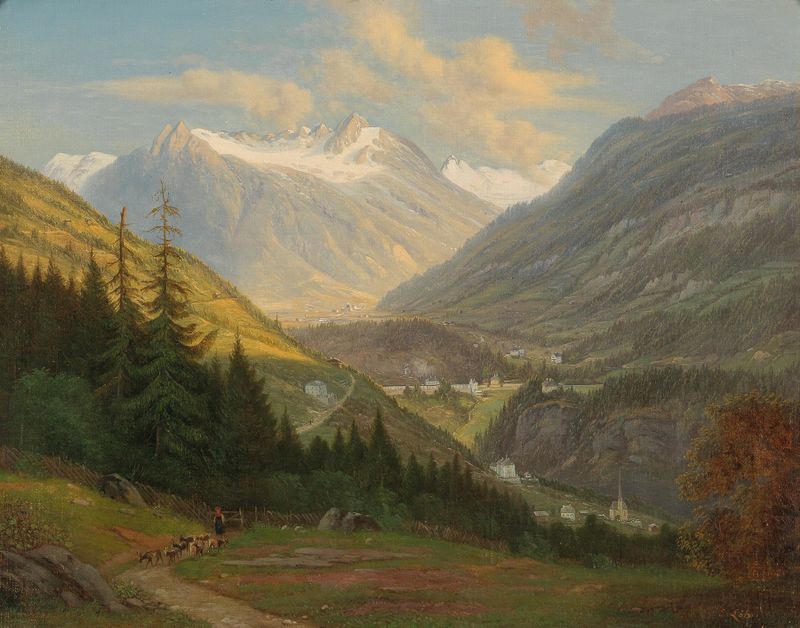
View of Bad Gastein
Emil Ludwig Löhr
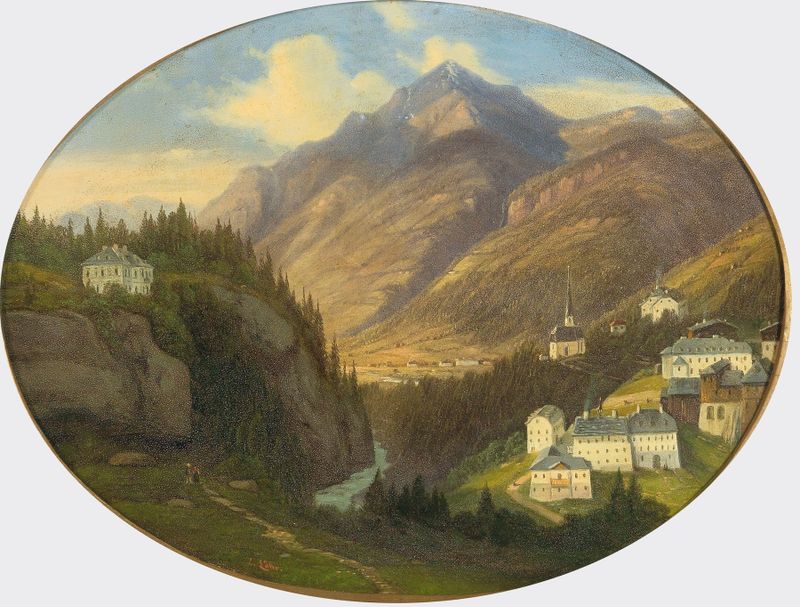
Gastein, Gamskogel mit Nikolauskirche
Emil Ludwig Löhr
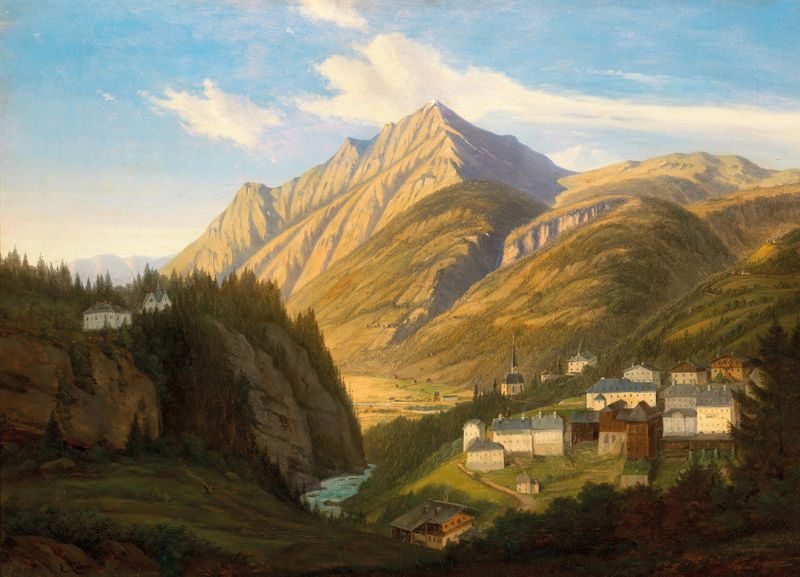
A View of Bad Gastein
Emil Ludwig Löhr
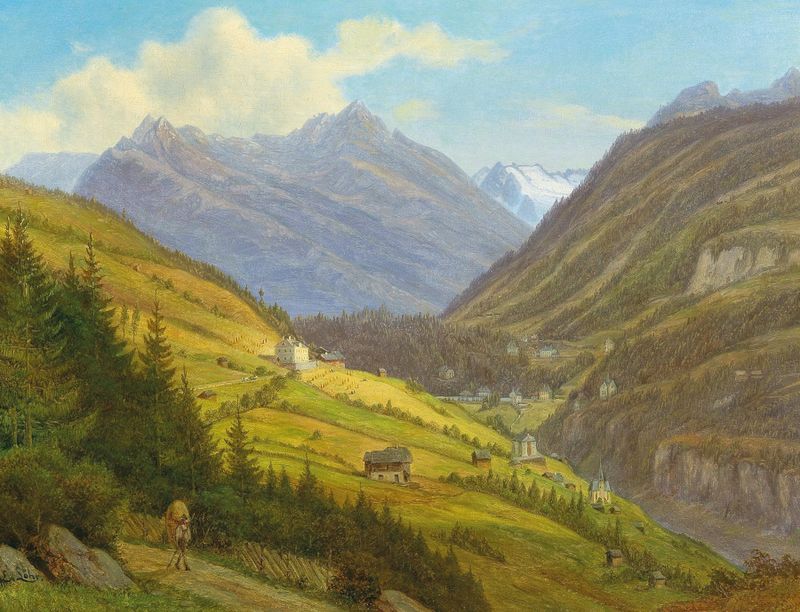
Motiv aus dem Gasteinertal
Emil Ludwig Löhr
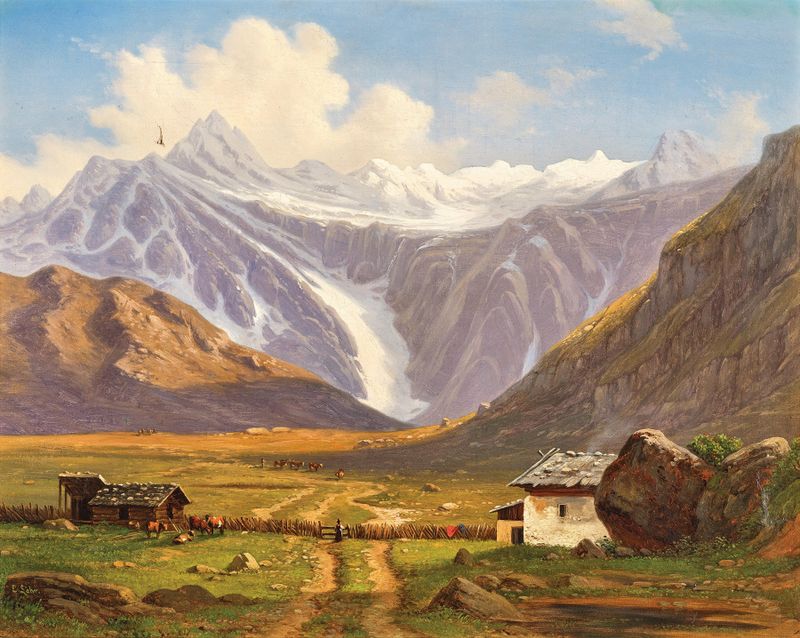
A Mountain Pasture with an Alpine Hut
Emil Ludwig Löhr

Bad Gastein
Emil Ludwig Löhr
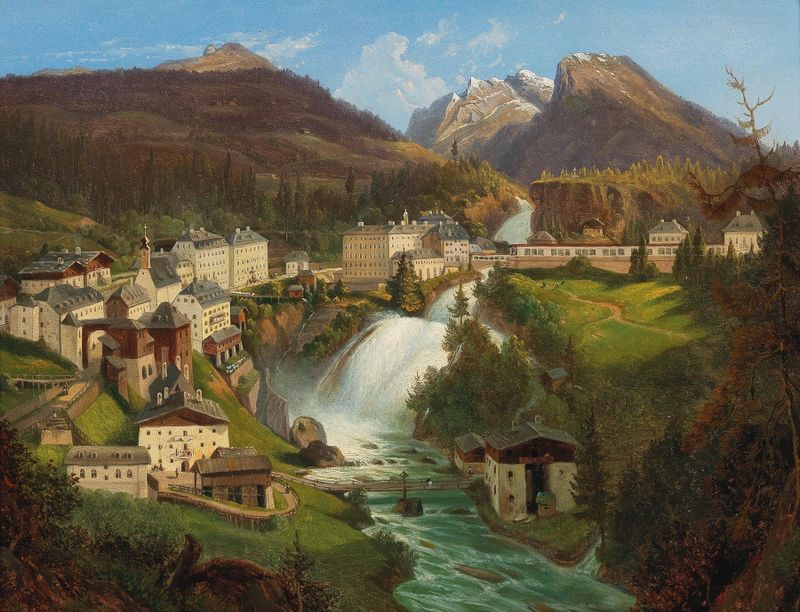
View of Bad Gastein
Emil Ludwig Löhr
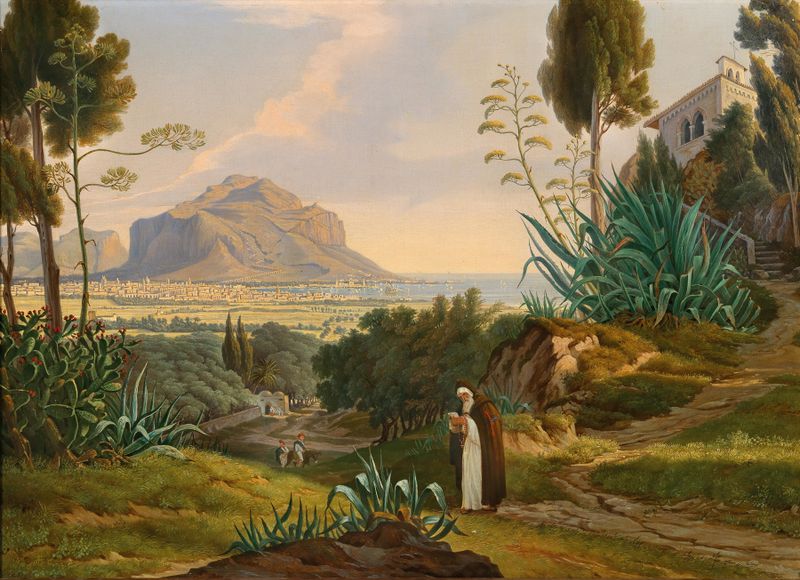
A View of the Bay of Palermo with Monte Pellegrino
Emil Ludwig Löhr
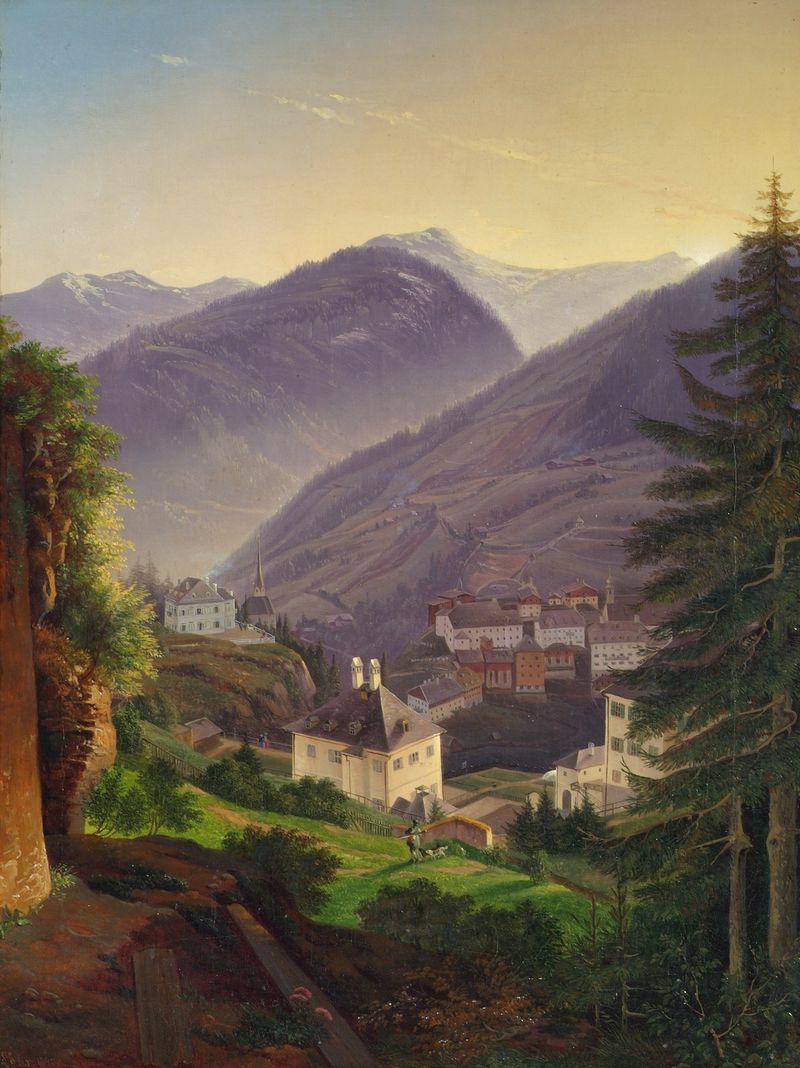
Wildbad Gastein
Emil Ludwig Löhr

Scene from the Gasteinertal
Emil Ludwig Löhr





