
A View of Bad Gastein — History & Facts
In stillness, it holds moments of serenity that beckon us to pause and breathe deeply. Look to the left at the soft caress of sunlight filtering through the majestic peaks, illuminating the gentle curve of the valley below. Notice how the blues and greens blend harmoniously, painting a scene bursting with life, yet imbued with tranquility. The delicate brushstrokes breathe movement into the clouds, creating an ethereal backdrop that cradles the quiet settlement nestled within the mountains.
Each color choice communicates a sense of calm, drawing your eye from the lively foreground to the poised horizon. Yet, beneath this idyllic surface, contrasts emerge. The stark lines of mountainous ridges and the hazy softness of the sky hint at the duality of nature — its beauty and its ruggedness. The composition whispers of unseen stories, where the human essence mingles with the wild; the small village stands resilient against the grandeur of nature, embodying a peaceful coexistence.
Each detail invites reflection on the fragility of this harmony, urging the viewer to appreciate both the serene moments and the tumultuous undercurrents of life. Emil Ludwig Löhr painted A View of Bad Gastein during a time when landscapes were evolving in the art world, called to capture not just representations but emotional experiences. Working in Austria, likely in the late 19th to early 20th century, he was influenced by the burgeoning interest in impressionistic techniques that sought to evoke feelings through color and light. This period saw a transformation in perceptions of nature, echoing the broader cultural movements that valued individual experience and introspection.
More Artworks by Emil Ludwig Löhr
Browse all →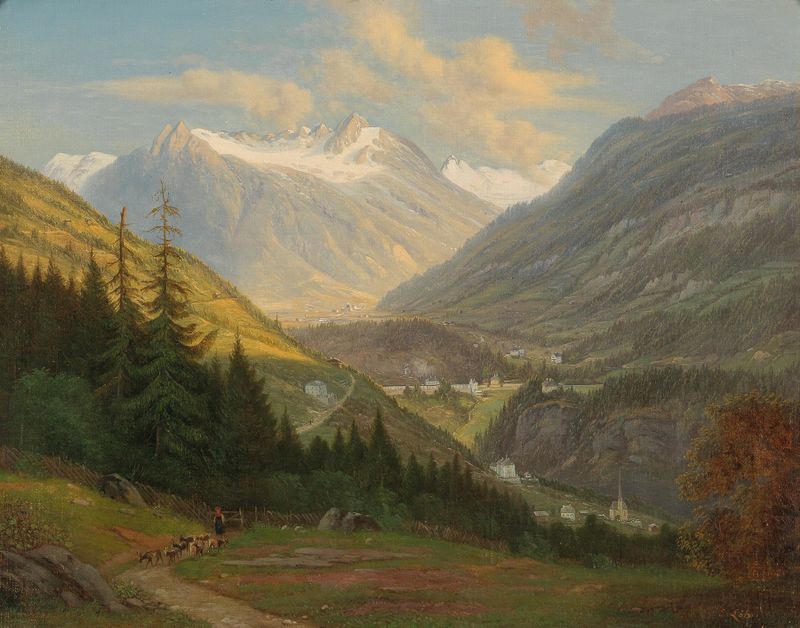
View of Bad Gastein
Emil Ludwig Löhr
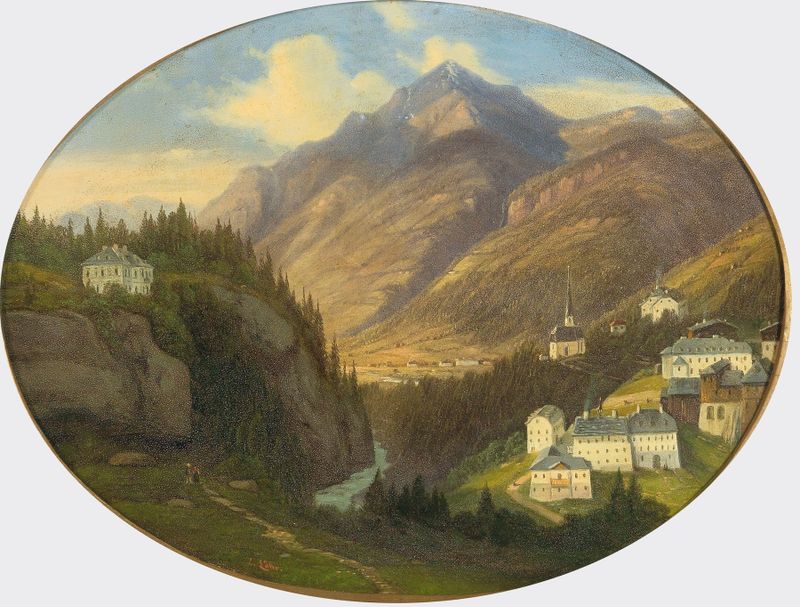
Gastein, Gamskogel mit Nikolauskirche
Emil Ludwig Löhr
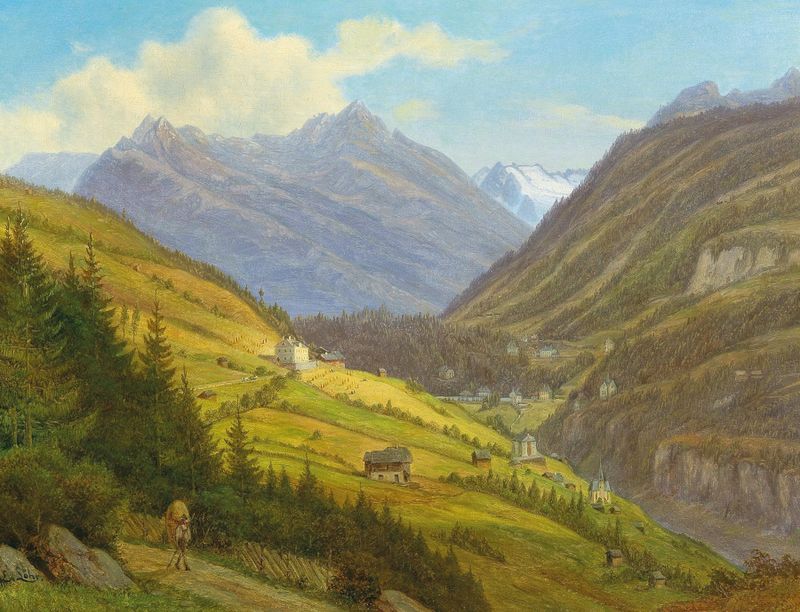
Motiv aus dem Gasteinertal
Emil Ludwig Löhr
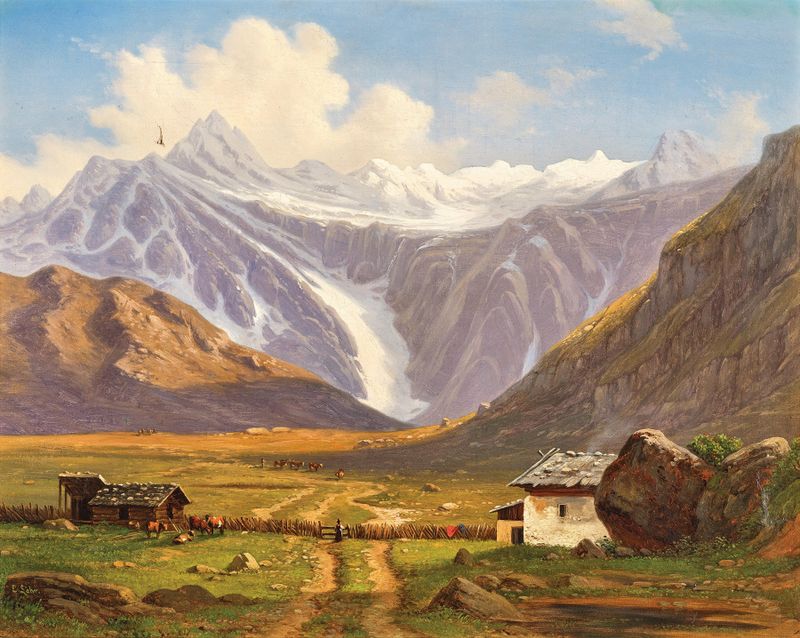
A Mountain Pasture with an Alpine Hut
Emil Ludwig Löhr
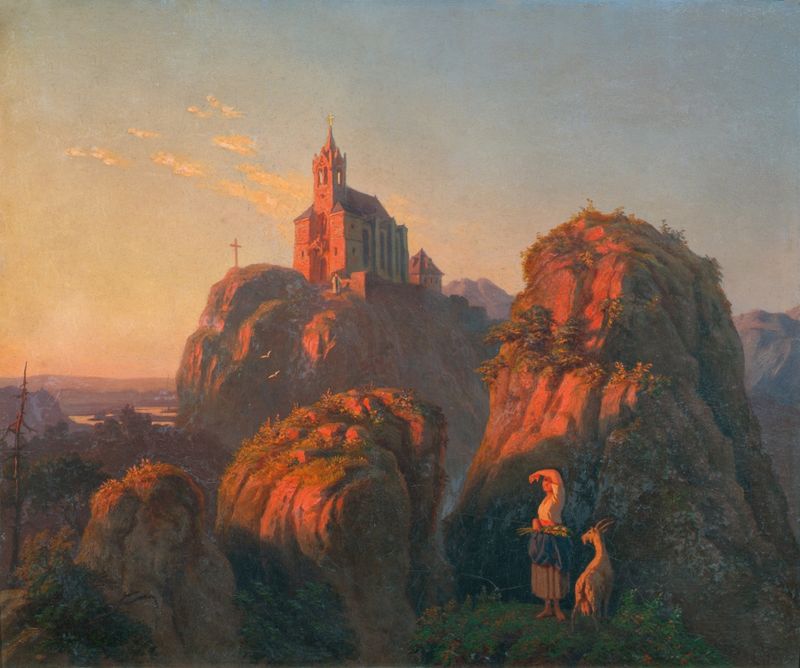
Landschaft mit Kirche am Abend
Emil Ludwig Löhr

Bad Gastein
Emil Ludwig Löhr
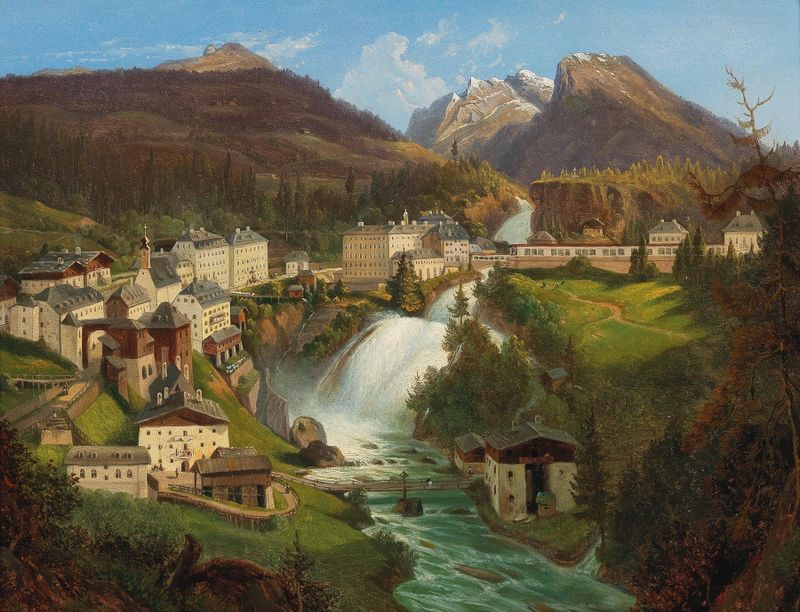
View of Bad Gastein
Emil Ludwig Löhr
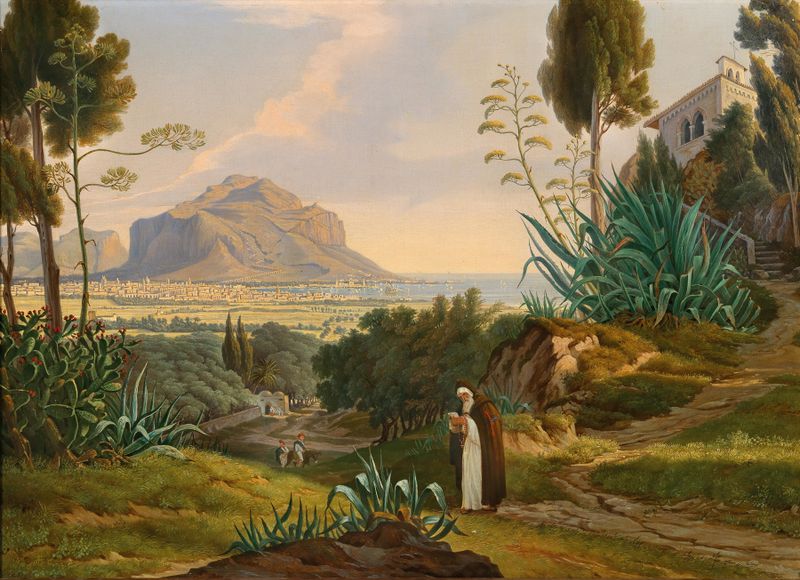
A View of the Bay of Palermo with Monte Pellegrino
Emil Ludwig Löhr
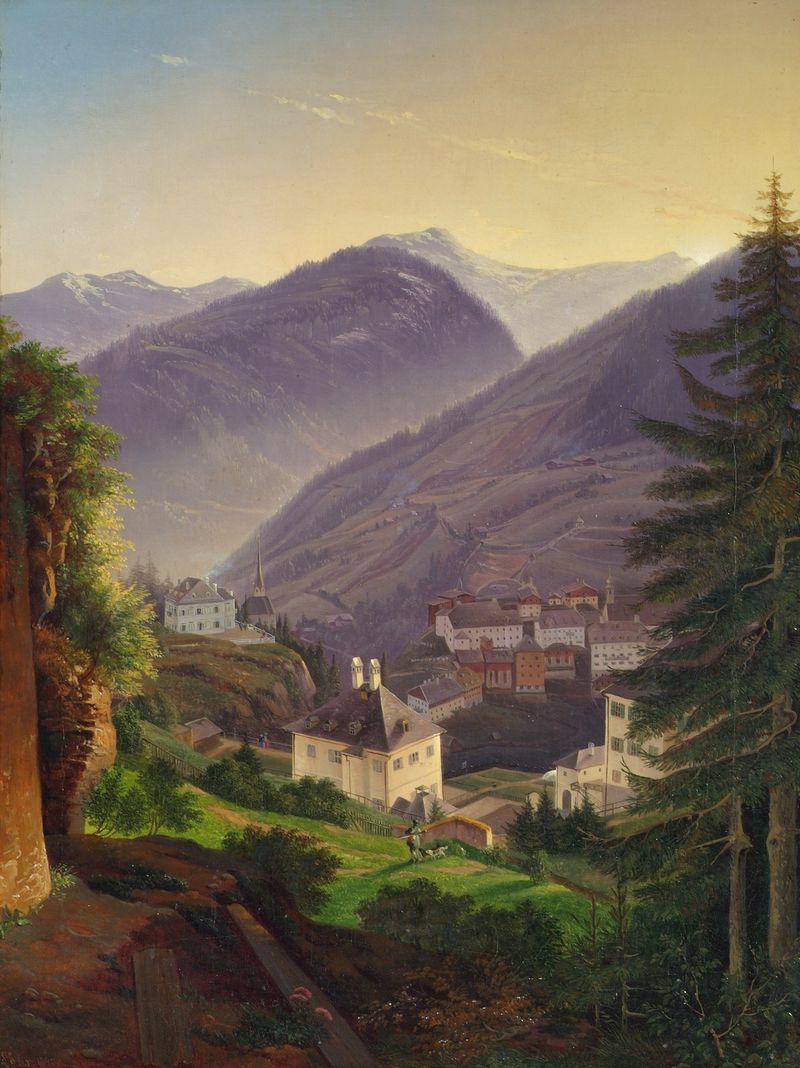
Wildbad Gastein
Emil Ludwig Löhr

Scene from the Gasteinertal
Emil Ludwig Löhr





