
View of Bad Gastein — History & Facts
In the quiet embrace of nature, awe unfolds, whispering its secrets through the mountains and valleys. Look to the center of the canvas, where the vibrant greens of the alpine meadows intersect with the soft blues of the distant sky. The artist masterfully captures the interplay of light and shadow, creating a dynamic contrast that draws you deeper into the landscape. Notice how the sun caresses the peaks, illuminating the rugged textures, while the cool shadows anchor the scene with a soothing presence, inviting the viewer to linger. Hidden within the tranquil vistas are echoes of solitude and reflection.
The undulating lines of the hills suggest a rhythm of life, yet the stillness conveys a sense of timelessness, as if the landscape holds memories of all who have wandered here. The vibrant splashes of color juxtaposed against the serene expanse evoke both joy and contemplation, reminding us of our smallness in the grandeur of nature. Emil Ludwig Löhr painted this work during a time when the fascination with landscapes flourished, likely influenced by the ascent of Impressionism. The precise date remains uncertain, but it is believed to stem from the late 19th century, a period when many artists sought to capture the essence of the natural world.
In this artistic milieu, Löhr's interpretation reflects a quest for beauty and awe in the sublime simplicity of the alpine scenery.
More Artworks by Emil Ludwig Löhr
Browse all →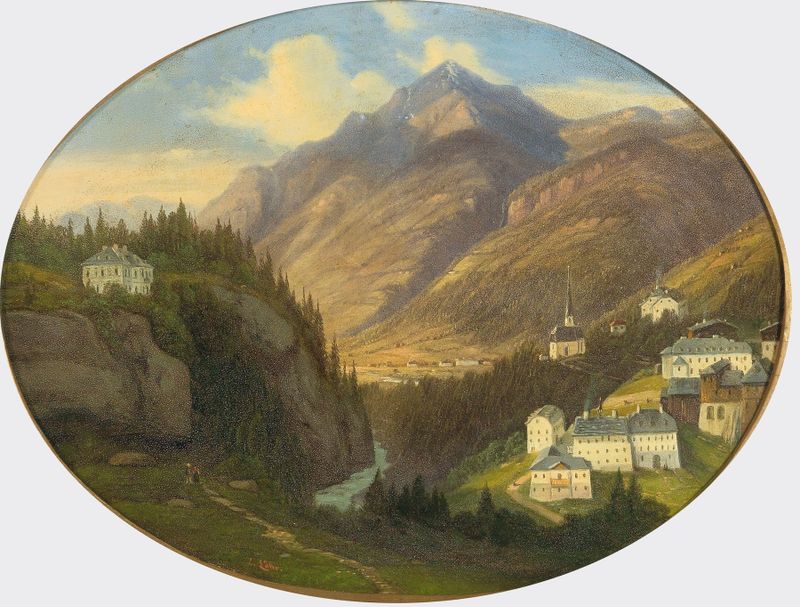
Gastein, Gamskogel mit Nikolauskirche
Emil Ludwig Löhr
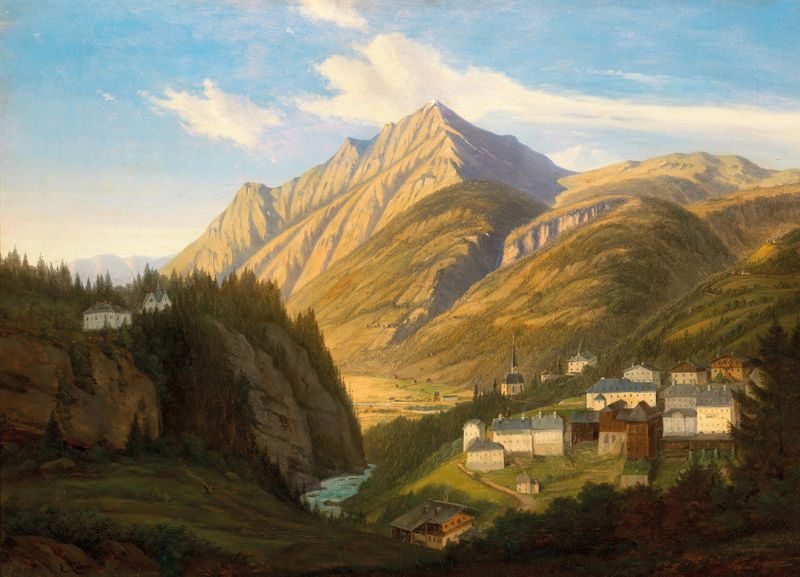
A View of Bad Gastein
Emil Ludwig Löhr
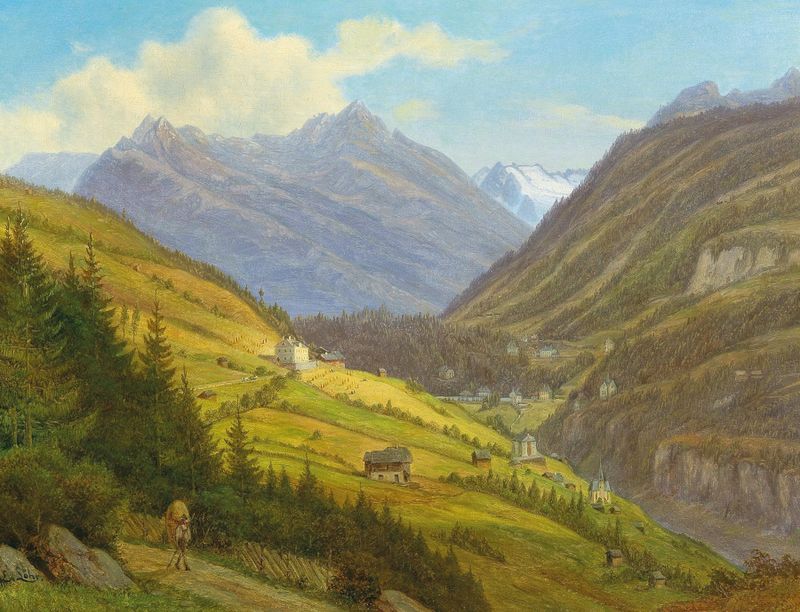
Motiv aus dem Gasteinertal
Emil Ludwig Löhr
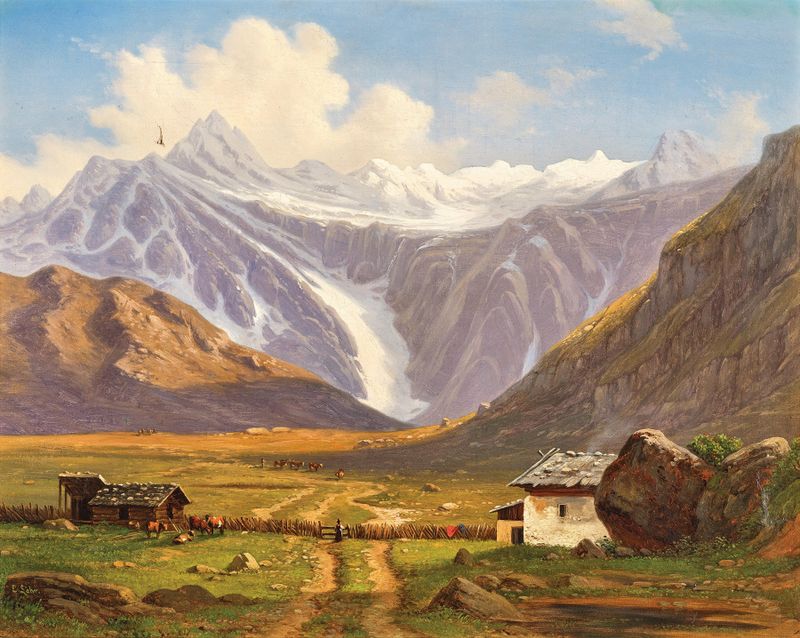
A Mountain Pasture with an Alpine Hut
Emil Ludwig Löhr
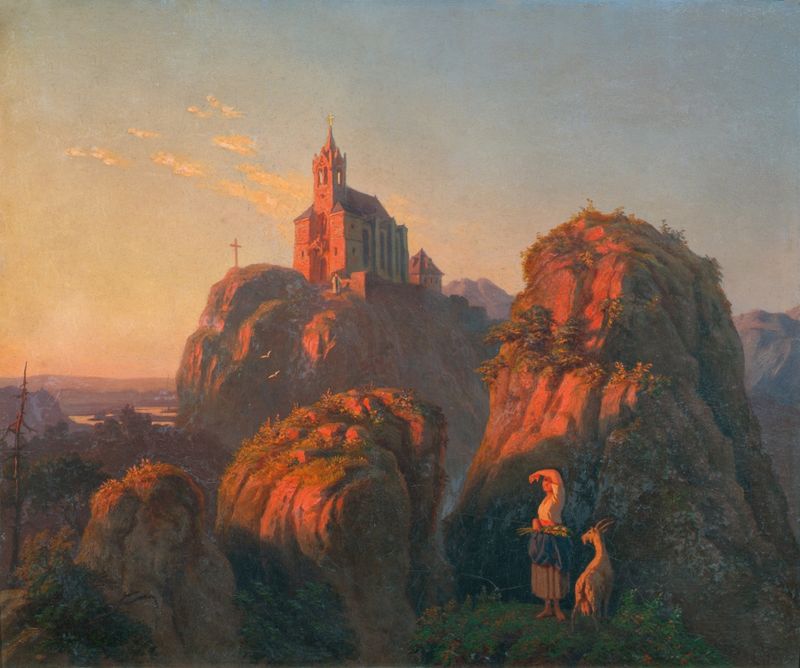
Landschaft mit Kirche am Abend
Emil Ludwig Löhr

Bad Gastein
Emil Ludwig Löhr
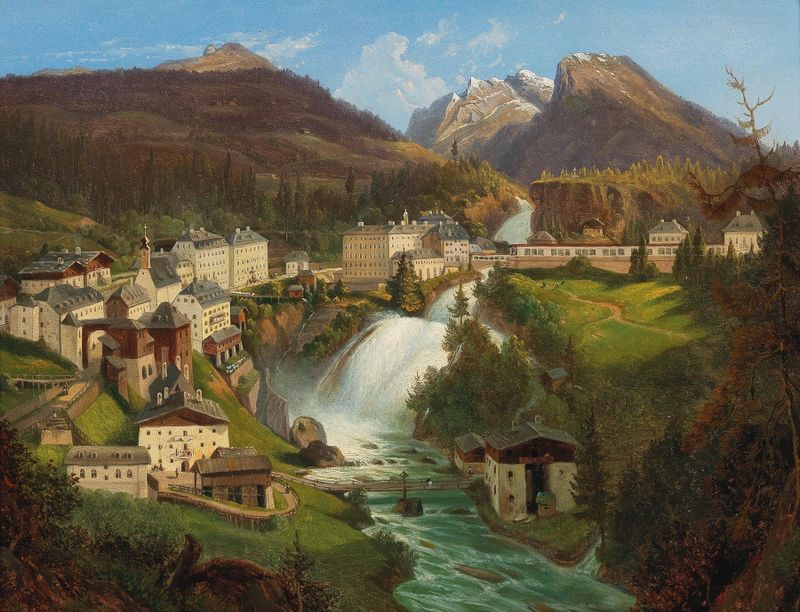
View of Bad Gastein
Emil Ludwig Löhr
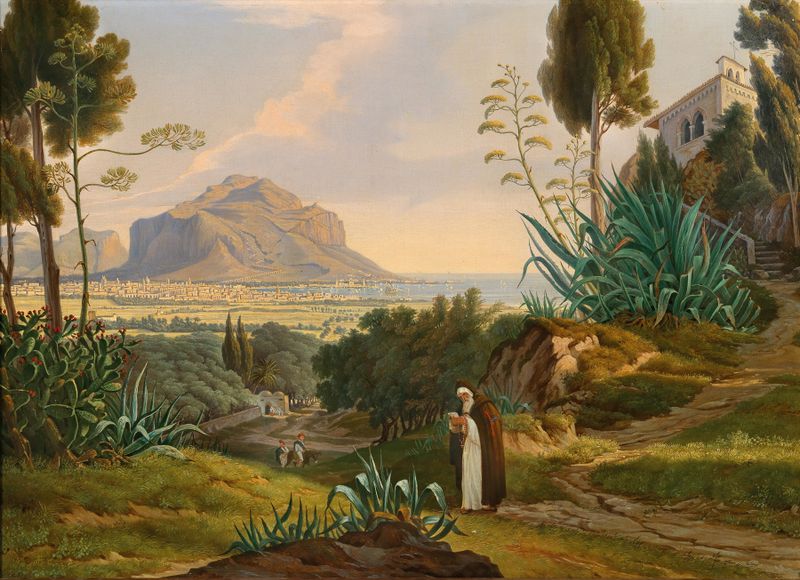
A View of the Bay of Palermo with Monte Pellegrino
Emil Ludwig Löhr
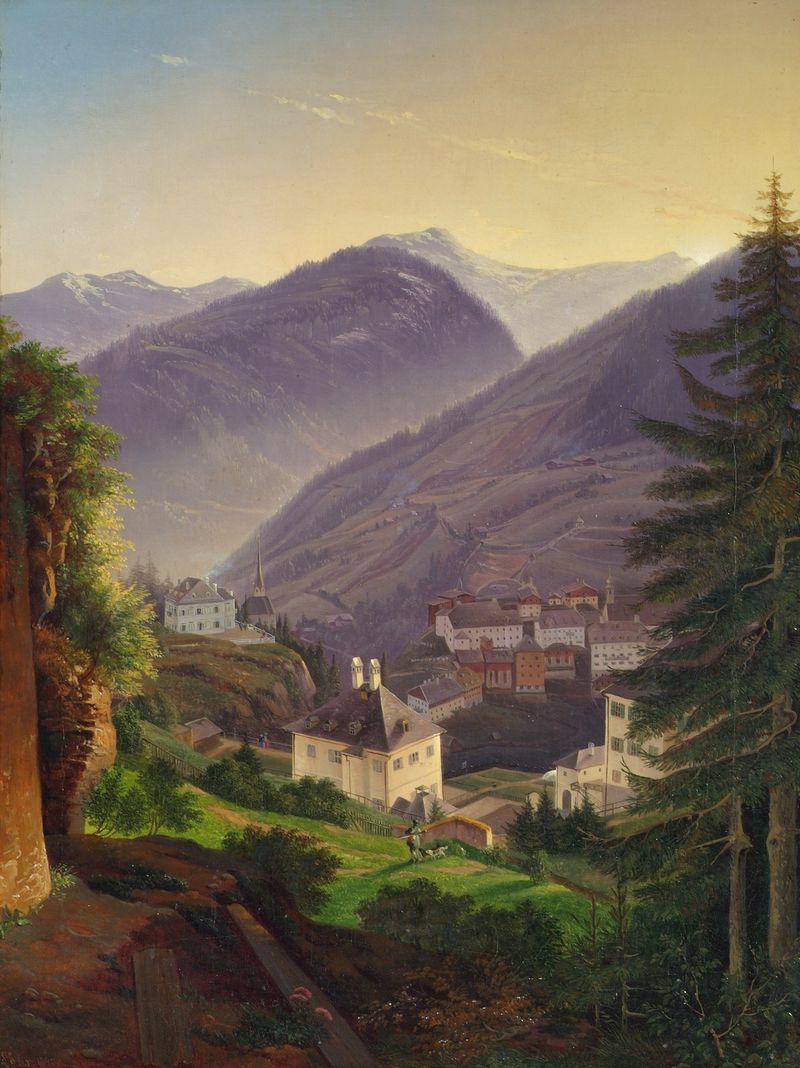
Wildbad Gastein
Emil Ludwig Löhr

Scene from the Gasteinertal
Emil Ludwig Löhr





