
Landschaft mit Rax-Massiv — History & Facts
When did color learn to lie? The hues of the landscape whisper secrets beyond their beauty, concealing the ache of absence within their lush palettes. In the world of art, loss often emerges not as a void, but as a subtle presence woven into every brushstroke. Look to the left at the towering peaks of the Rax-Massiv, their craggy silhouettes softened by the warm embrace of twilight. Notice how the strokes blend into a symphony of greens and earth tones, imbuing the scene with a sense of both tranquility and tension.
The foreground invites us closer, where delicate flora ripple gently in the breeze, while distant mountains loom—silent sentinels, guardians of memories now faded. Delve deeper into the interplay of light and shadow, which creates a feeling of nostalgia that lingers in the air. The vibrant greens vibrate with life, yet the muted tones of the sky hint at an encroaching dusk, representing the fleeting essence of time. The juxtaposition between the invigorating landscape and the encumbering shadows suggests a yearning for what has been lost, echoing the quiet grief of nature itself. During an undefined period, Johann Till the Younger painted this work amidst the changing tides of artistic expression in Europe.
As Romanticism began to take hold, he sought to capture the sublime beauty of nature, reflecting both the awe and melancholy it inspired. While the world outside was evolving rapidly, his brush remained grounded in the evocative landscapes that spoke of both wonder and the inevitable passage of time.
More Artworks by Johann Till the younger
Browse all →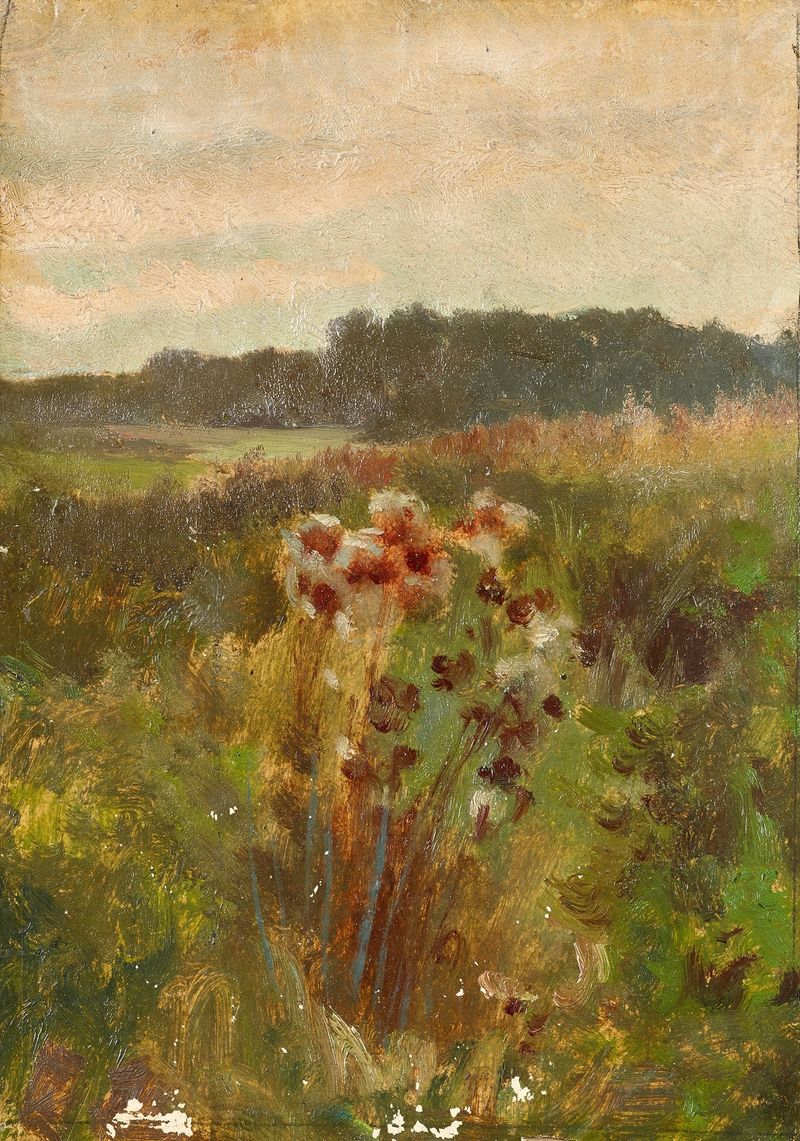
Landschaft in Niederösterreich
Johann Till the younger
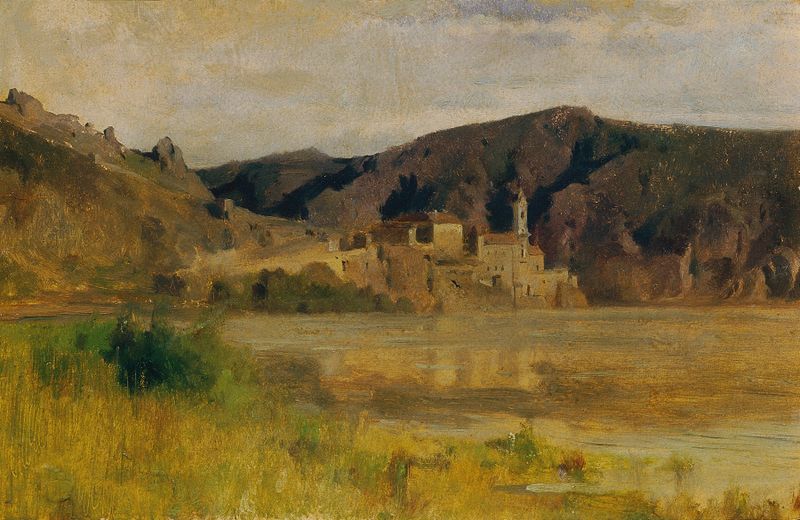
Ansicht von Dürnstein
Johann Till the younger
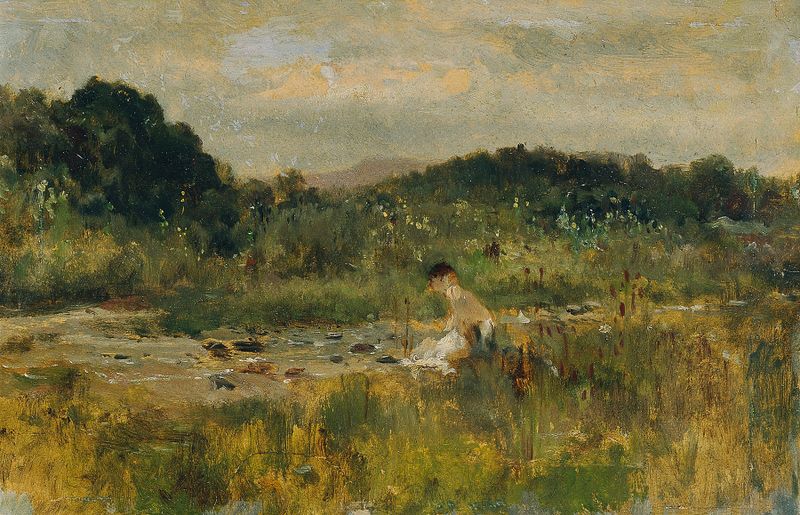
Bachlandschaft mit sitzendem Mädchen
Johann Till the younger
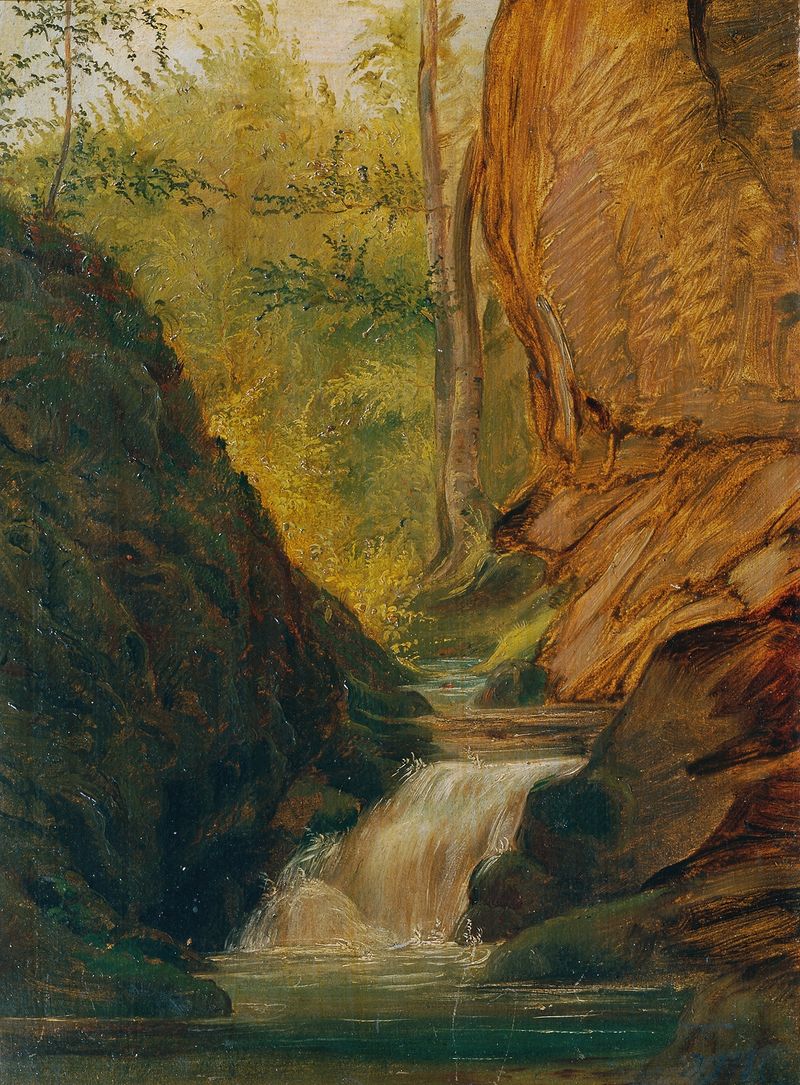
Waldbach
Johann Till the younger
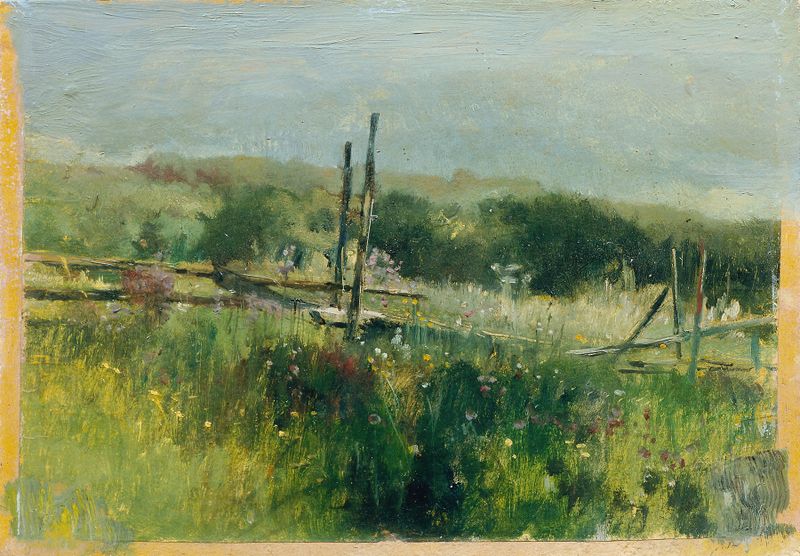
Wiese mit Zaun
Johann Till the younger
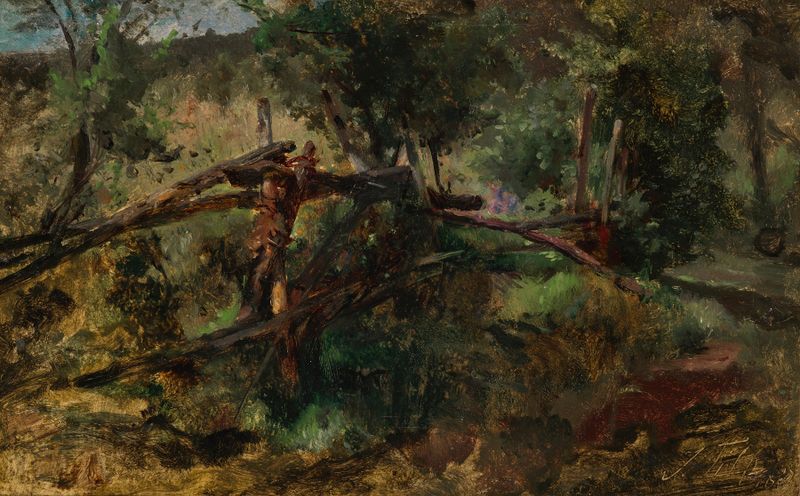
Waldweg mit Zaun
Johann Till the younger
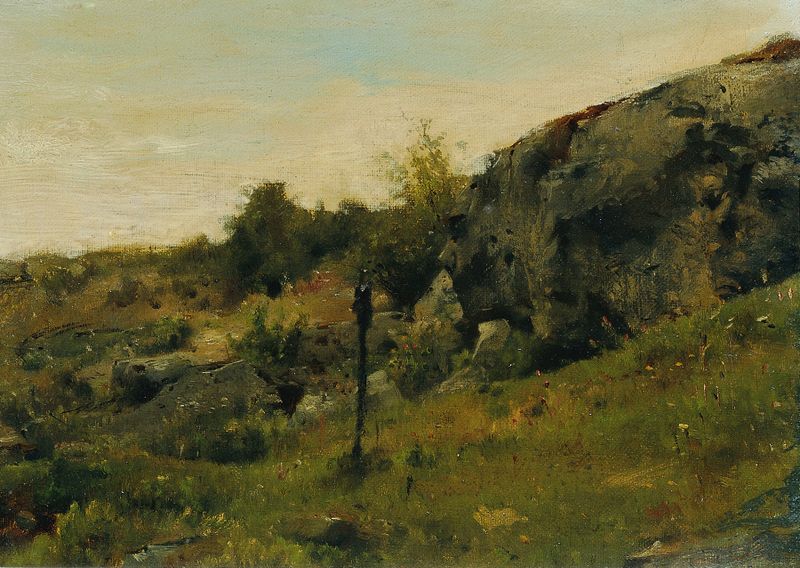
Wiesenlandschaft mit Felsen
Johann Till the younger
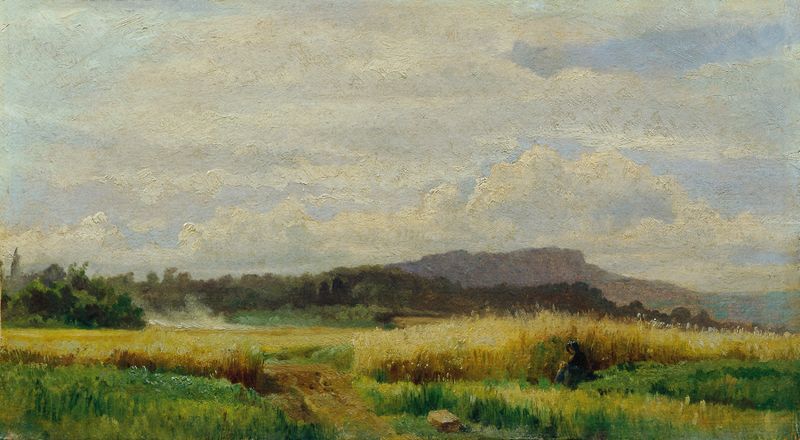
Getreidefeld mit alter Frau
Johann Till the younger
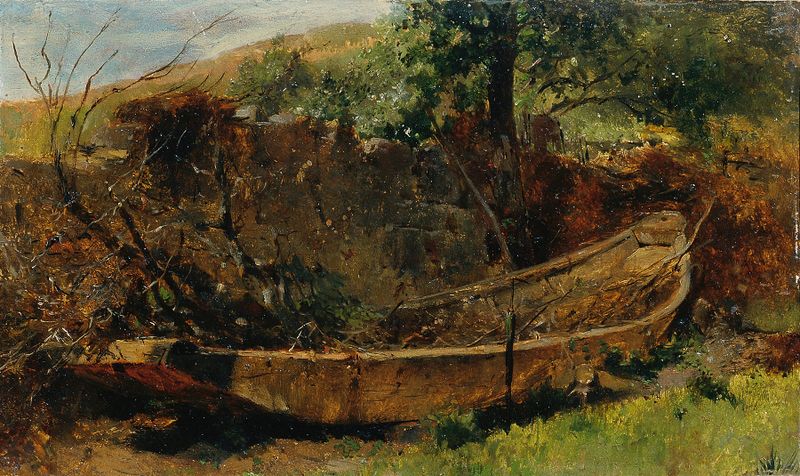
Boot
Johann Till the younger





