
Wiesenlandschaft mit Felsen — History & Facts
When did color learn to lie? In the realm of art, that question lingers, echoing in the strokes and hues that create worlds both imagined and real. Look to the sweeping green fields, where every blade of grass seems to pulse with life, vibrant yet serene. The foreground welcomes you with a lush tapestry of foliage, while the jagged rocks loom above like ancient sentinels. Notice how the light dances across the landscape, casting gentle shadows that hint at hidden depths, inviting contemplation.
The soft blues of the sky cradle the scene, creating a contrast that sharpens the vibrancy of the earth below. Here, the emotional tension between the calmness of nature and the imposing solitude of the rocks speaks volumes. The juxtaposition of smooth, rolling hills against the rugged crags serves as a metaphor for life's unpredictable journey. Each color choice, from the fresh greens to the muted browns, reflects the duality of truth found in both the beautiful and the harsh realities of existence. Johann Till the younger painted this work during a time when the Romantic movement was flourishing, likely in the late 18th century.
His focus on landscapes reflects a growing interest in nature, emblematic of the period’s search for emotional and spiritual connections. It was a time when artists sought to express their inner truths through the vividness of color and form, reshaping the viewer's perception of reality.
More Artworks by Johann Till the younger
Browse all →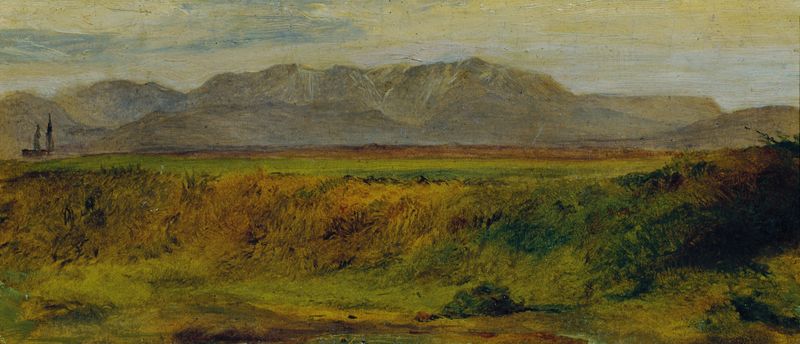
Landschaft mit Rax-Massiv
Johann Till the younger
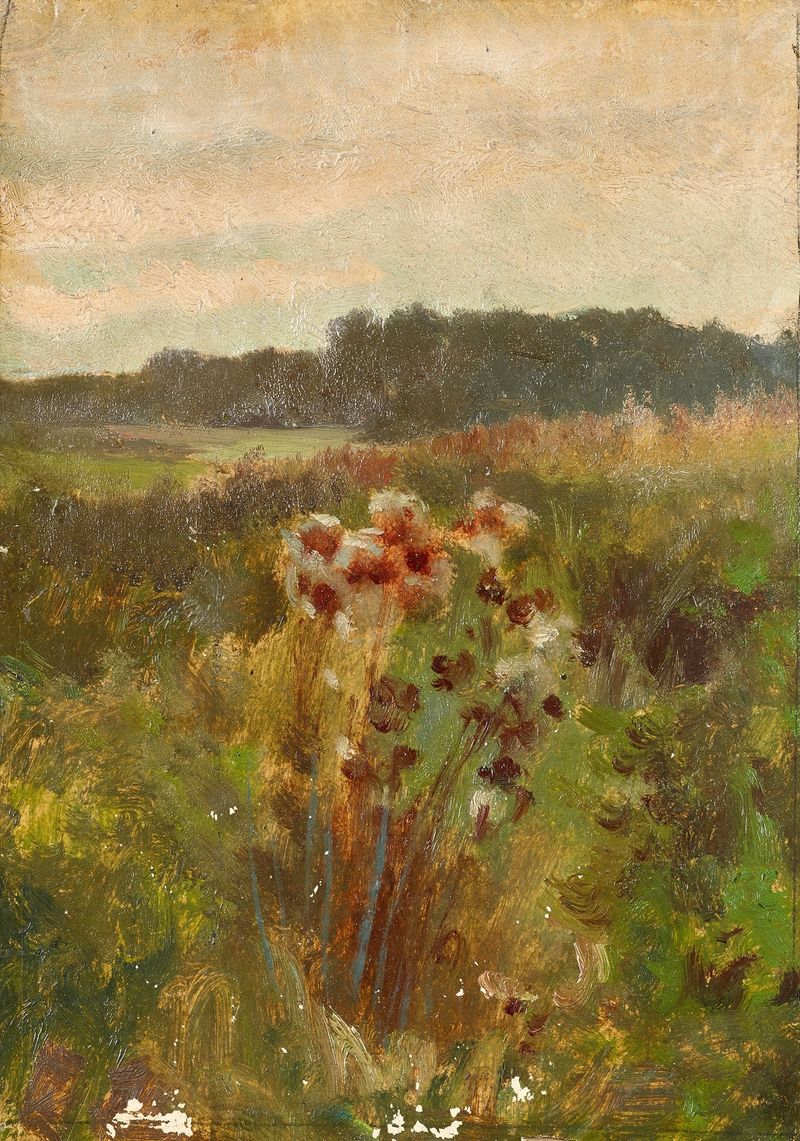
Landschaft in Niederösterreich
Johann Till the younger
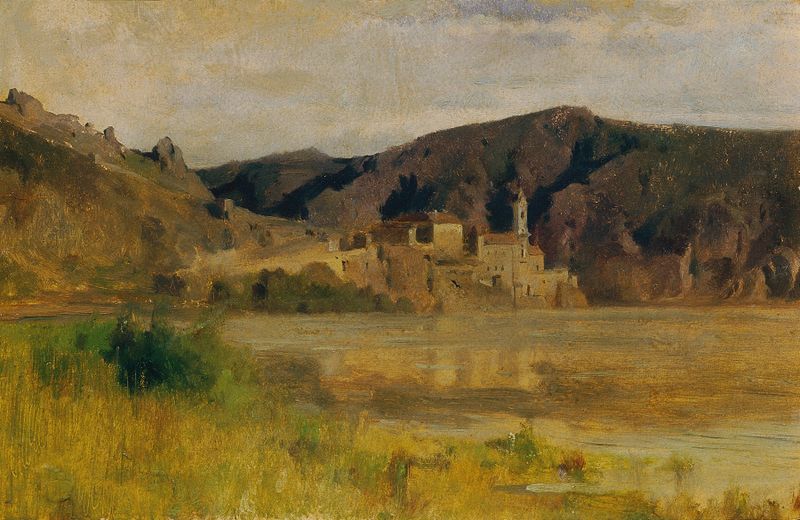
Ansicht von Dürnstein
Johann Till the younger
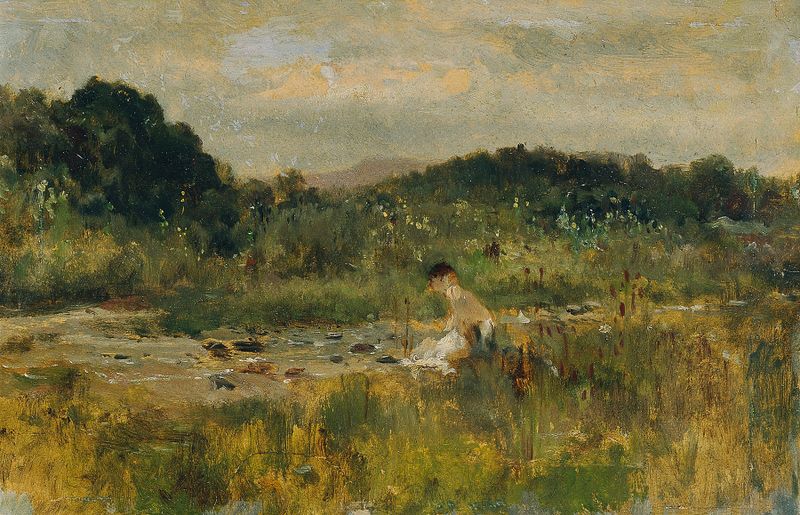
Bachlandschaft mit sitzendem Mädchen
Johann Till the younger
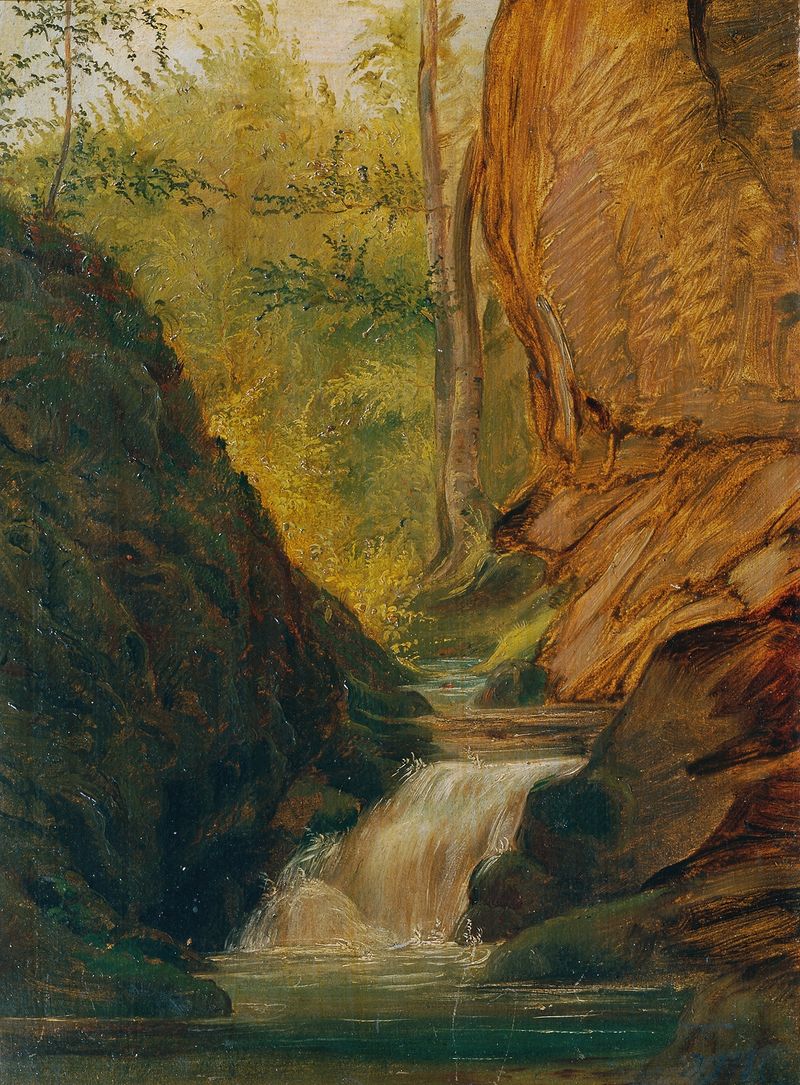
Waldbach
Johann Till the younger
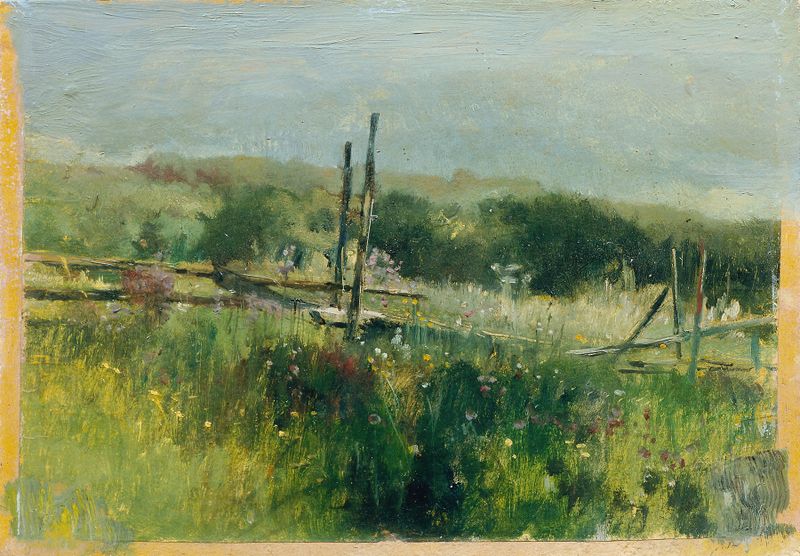
Wiese mit Zaun
Johann Till the younger
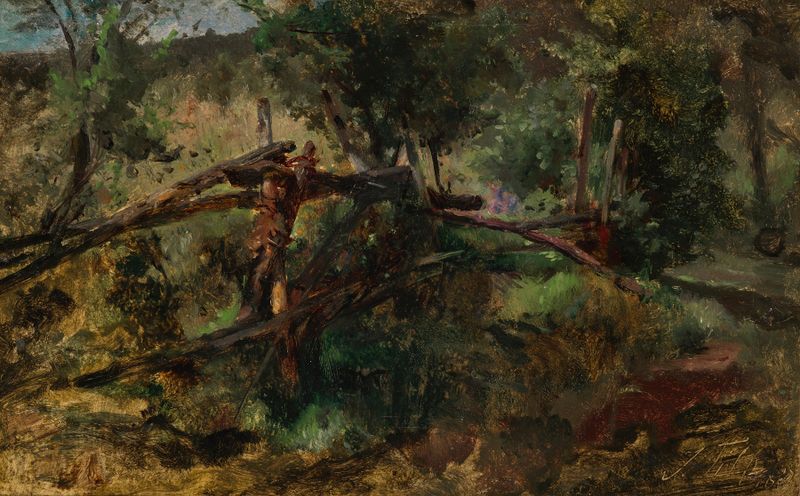
Waldweg mit Zaun
Johann Till the younger
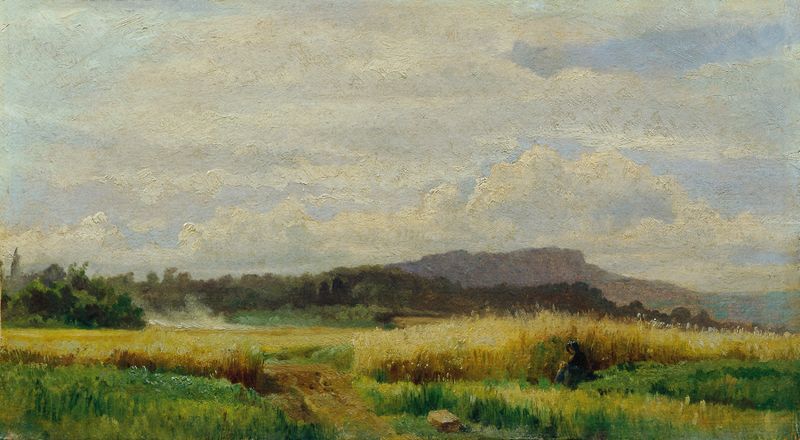
Getreidefeld mit alter Frau
Johann Till the younger
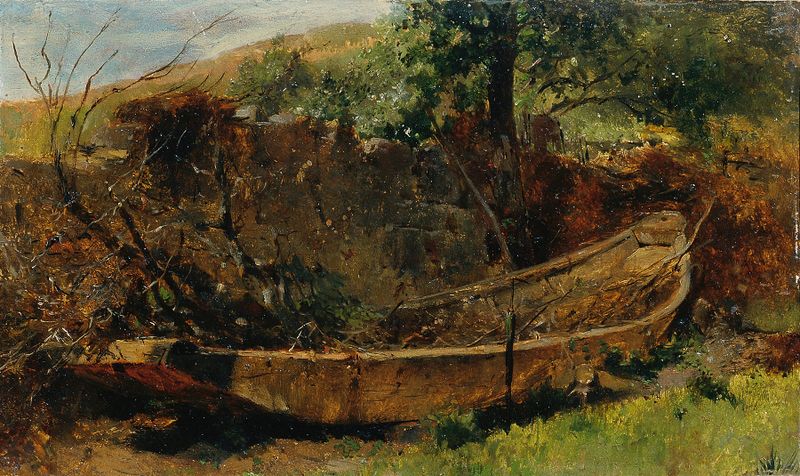
Boot
Johann Till the younger





