
Waldweg mit Zaun — History & Facts
Could beauty survive in a century of chaos? In Waldweg mit Zaun, the eye is immediately drawn to the winding path that meanders through the lush greenery, flanked by a sturdy fence. Look closely at the texture of the brushstrokes that breathe life into the foliage, each leaf a whisper of vitality against the canvas. The colors, rich greens contrasting with soft earth tones, create a sense of harmony, inviting the viewer to lose themselves in the tranquil embrace of nature.
The subtle play of light highlights the fence, adding depth and dimension, and drawing the eye along the path, encouraging exploration of the serene landscape. Yet, beneath this pastoral beauty lies an unsettling emptiness. The absence of figures hints at isolation, as if the path is both an invitation and a farewell. The fence, while providing structure and boundary, also serves to separate, suggesting a barrier not just to land, but to connection and community.
This contrast between the vibrant environment and the solitude it conveys reveals the complex relationship between nature's beauty and human experience, leaving an echo of longing in its wake. Johann Till the younger painted this work during a time when Romanticism was giving way to a more introspective view of the natural world. The late 18th century was marked by upheaval—both in politics and in artistic expression. While others sought to depict the chaos of human turmoil, Till chose to focus on the intimate interaction between landscape and viewer, encapsulating a moment of stillness amidst the encroaching complexities of his time.
More Artworks by Johann Till the younger
Browse all →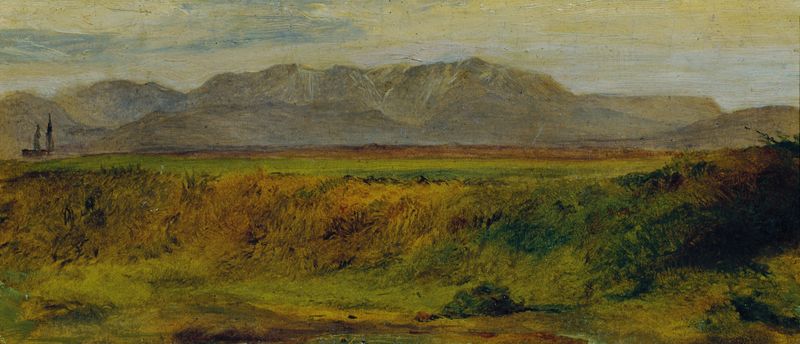
Landschaft mit Rax-Massiv
Johann Till the younger
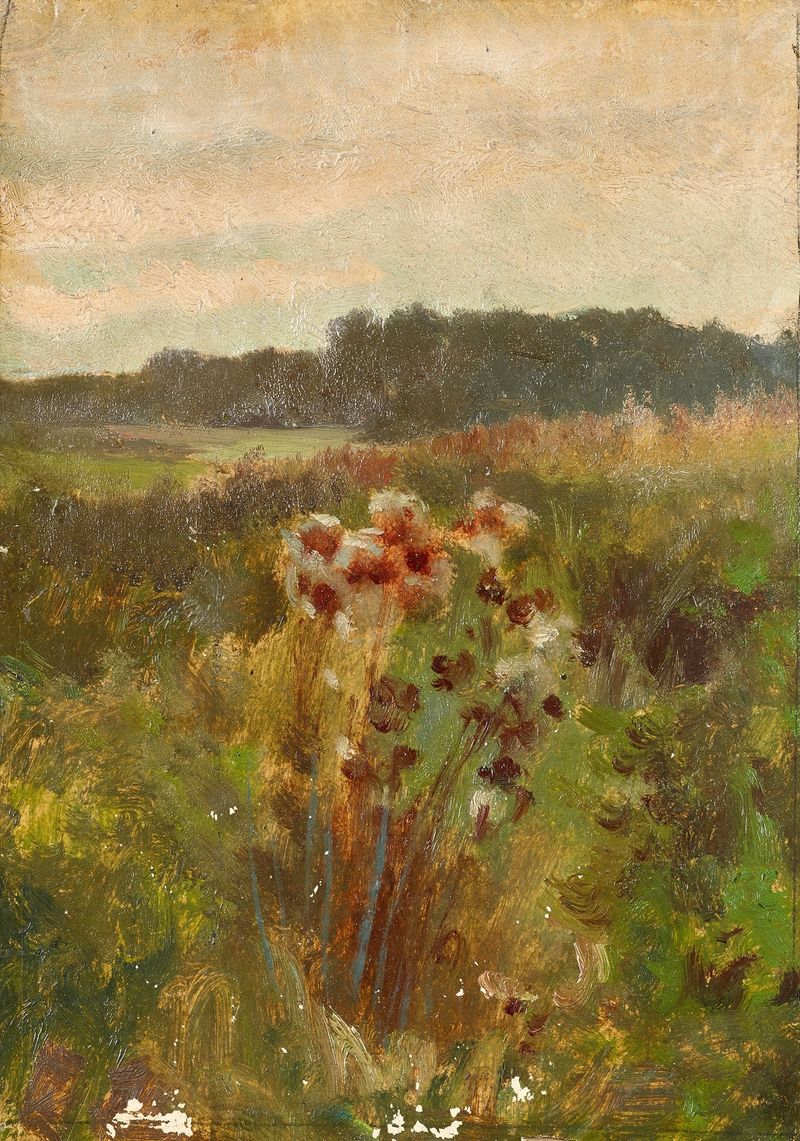
Landschaft in Niederösterreich
Johann Till the younger
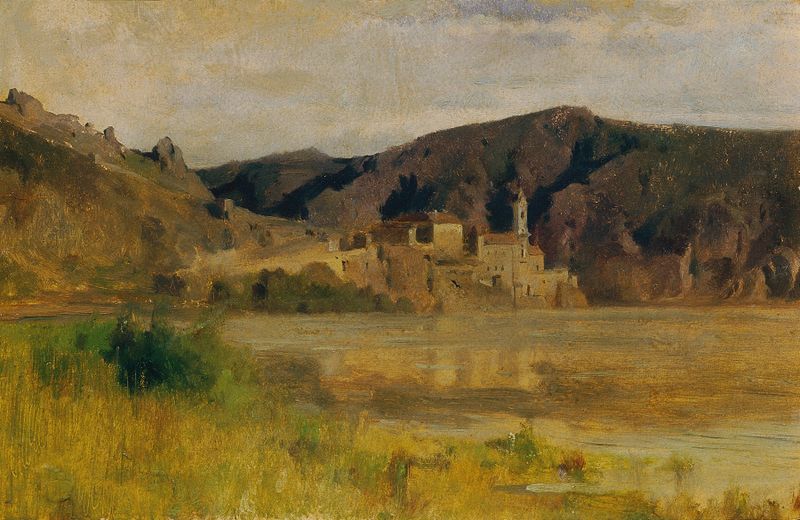
Ansicht von Dürnstein
Johann Till the younger
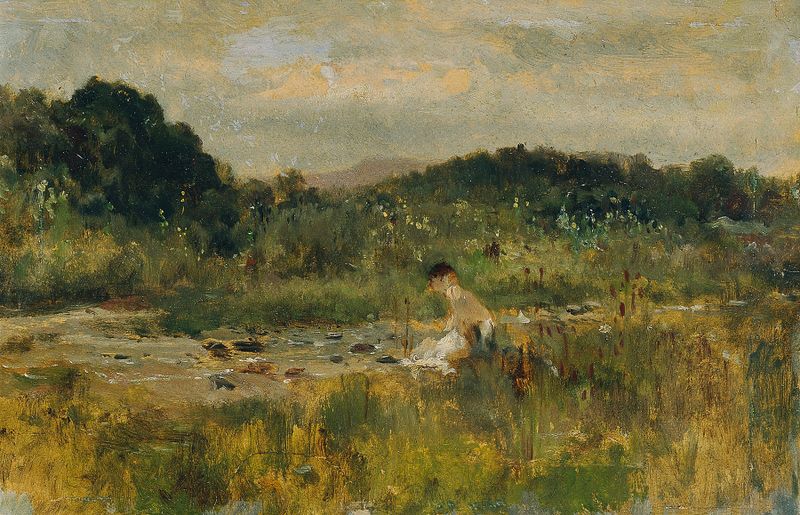
Bachlandschaft mit sitzendem Mädchen
Johann Till the younger
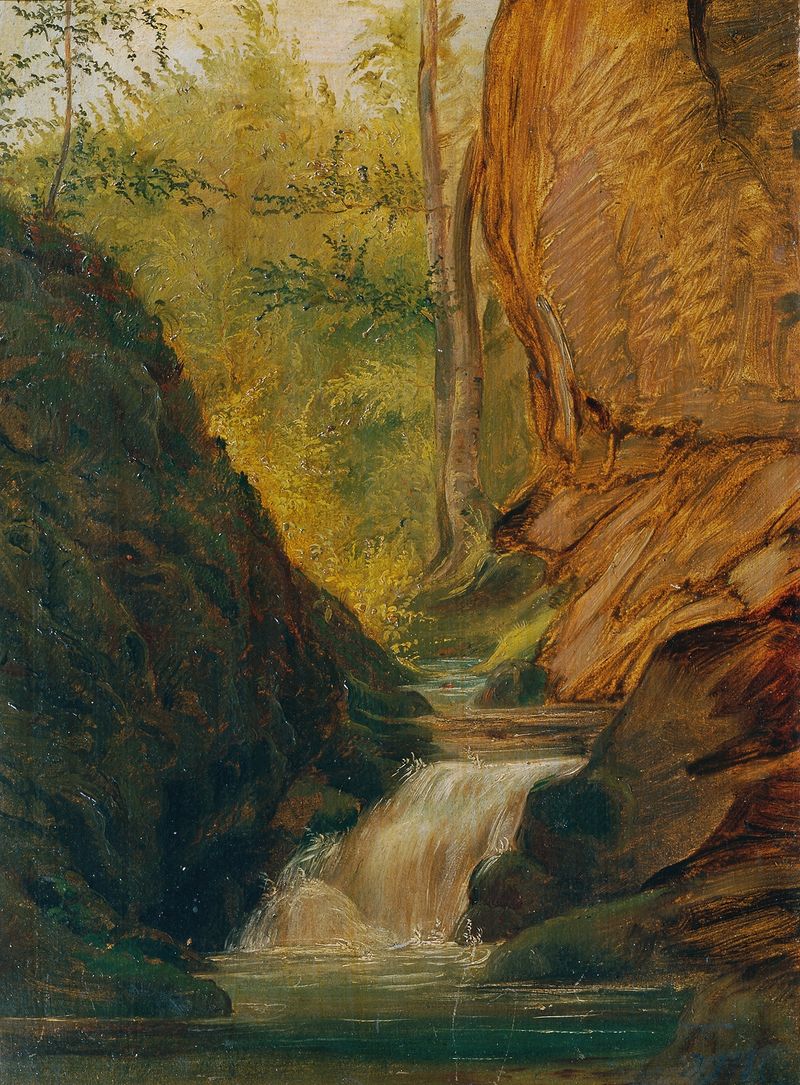
Waldbach
Johann Till the younger
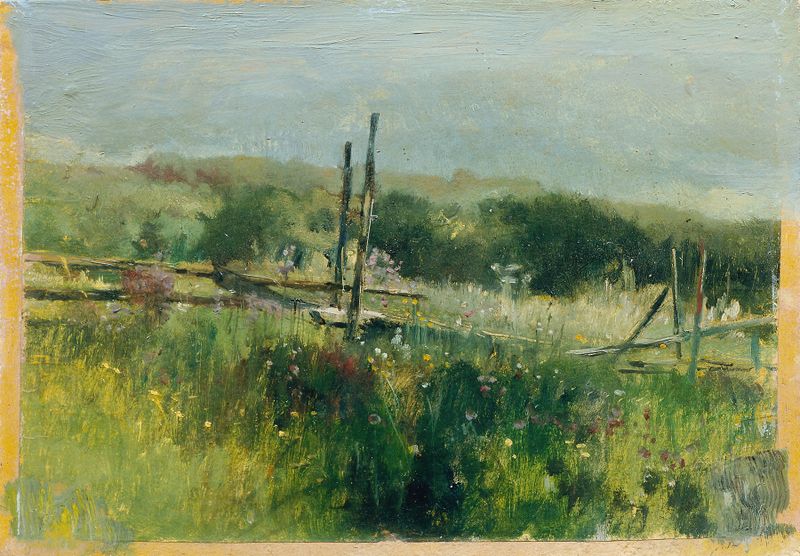
Wiese mit Zaun
Johann Till the younger
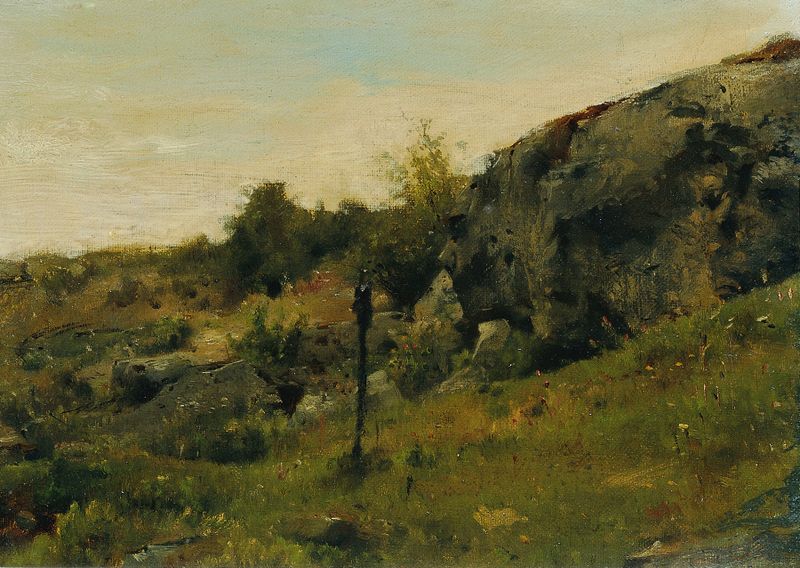
Wiesenlandschaft mit Felsen
Johann Till the younger
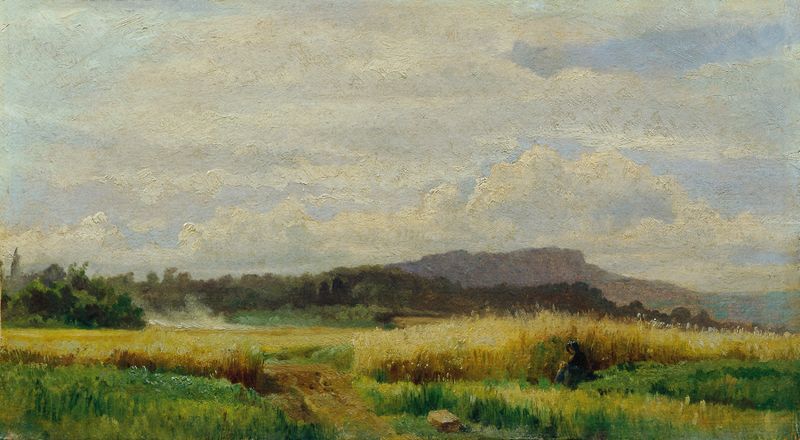
Getreidefeld mit alter Frau
Johann Till the younger
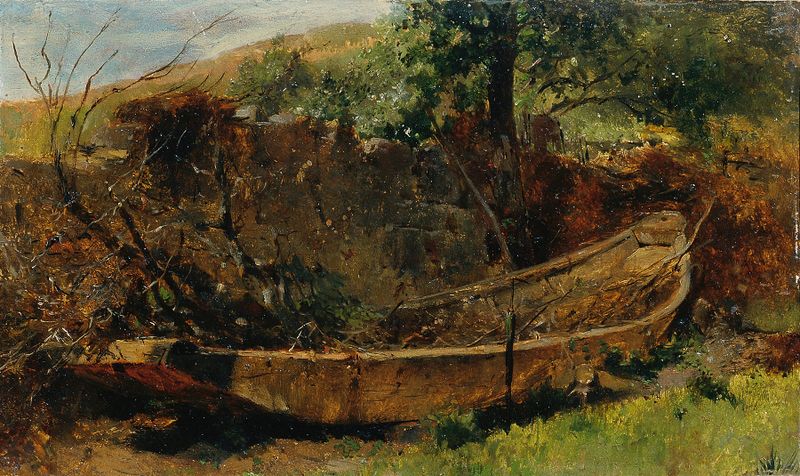
Boot
Johann Till the younger





