
Waldbach — History & Facts
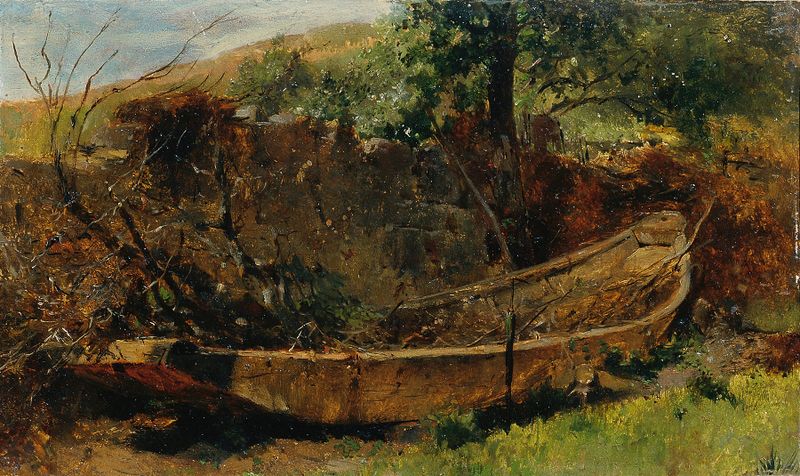
Did the painter know this moment would outlive them? The quiet flow of a stream, the gentle embrace of trees – a testament to the passage of time, captured eternally. Look to the center of the canvas, where the stream meanders softly, its surface reflecting muted hues of green and brown. Notice how the artist employs delicate brushstrokes to convey the shimmering water, contrasting with the textured foliage surrounding it. The gentle interplay of light filters through the leaves, illuminating the scene and inviting the viewer to step closer, to explore the serene depths of the landscape. In this tranquil setting, a tension emerges between the enduring strength of nature and the fleeting moments of life.
The flowing water represents time itself, a constant force that shapes and erodes yet offers solace and renewal. Hidden details, like the vibrant patches of wildflowers along the banks, serve as poignant reminders of beauty amidst inevitable change. Each element tells a story, whispering the secrets of existence that lie just beneath the surface. Johann Till the younger painted this piece during a period when Romanticism was flourishing, likely in the late 18th to early 19th century.
He was influenced by the burgeoning appreciation for nature and its transformative qualities, a movement that sought to capture emotional experiences through landscapes. As he immersed himself in the lush German countryside, the artist was part of a broader conversation about the relationship between humanity and the natural world, a theme that resonates through Waldbach today.
More Artworks by Johann Till the younger
Browse all →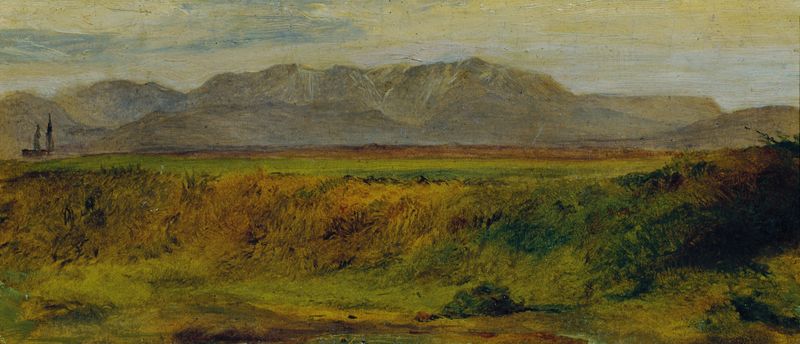
Landschaft mit Rax-Massiv
Johann Till the younger
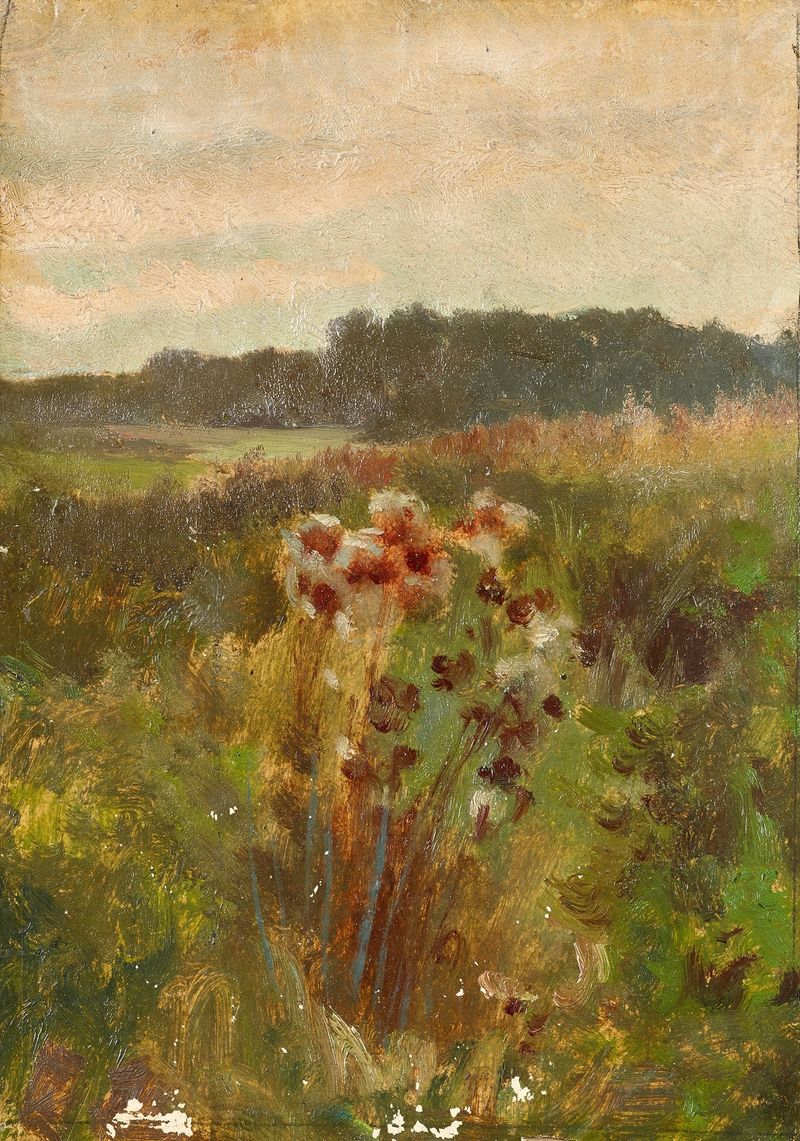
Landschaft in Niederösterreich
Johann Till the younger
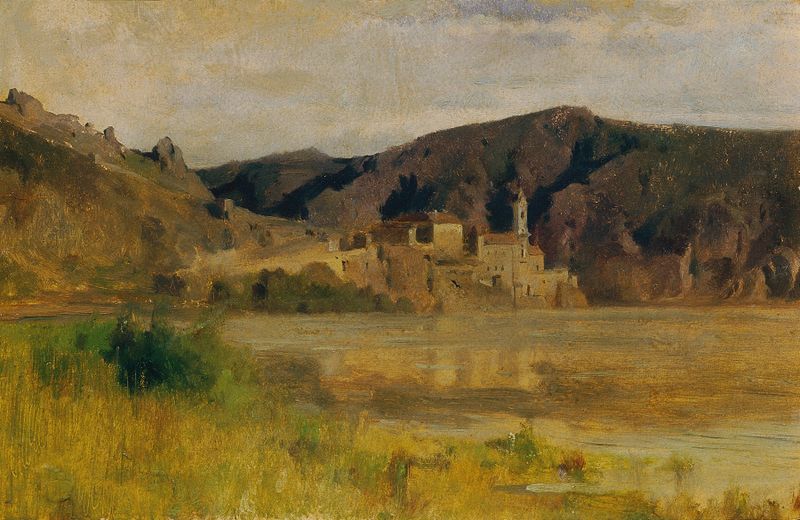
Ansicht von Dürnstein
Johann Till the younger
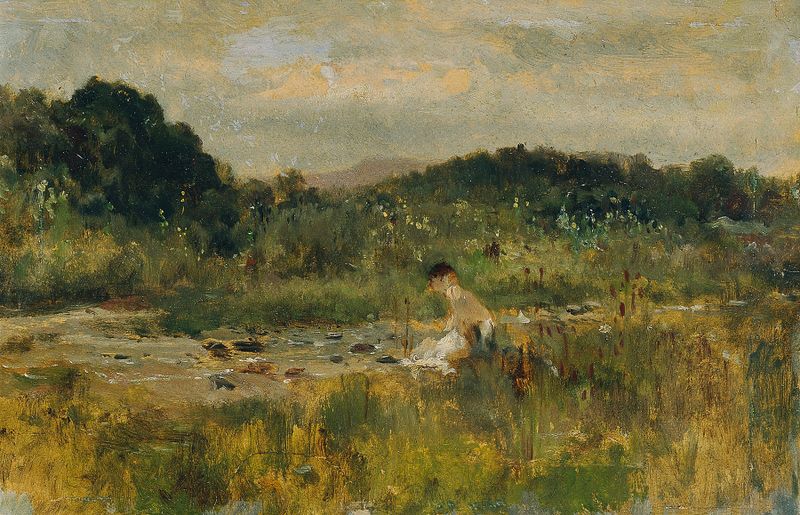
Bachlandschaft mit sitzendem Mädchen
Johann Till the younger
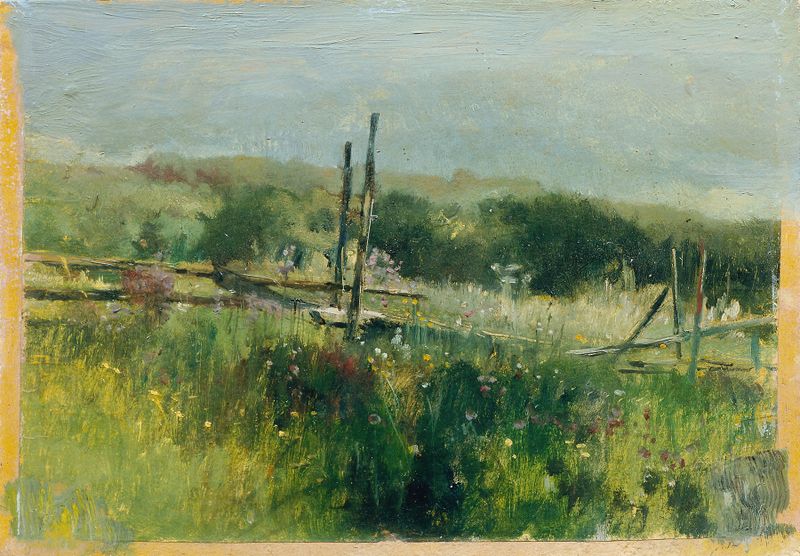
Wiese mit Zaun
Johann Till the younger
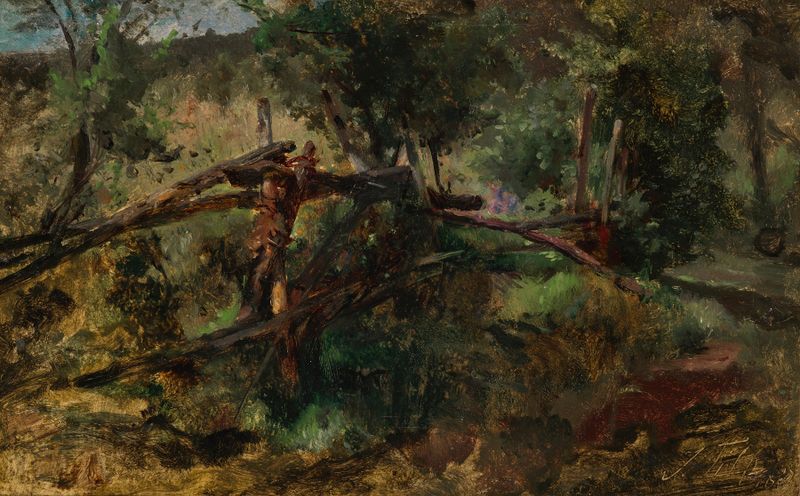
Waldweg mit Zaun
Johann Till the younger
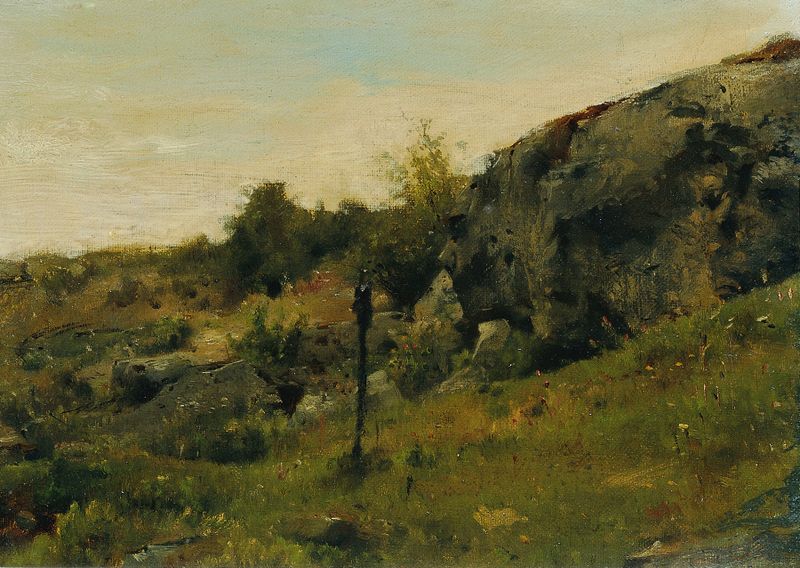
Wiesenlandschaft mit Felsen
Johann Till the younger
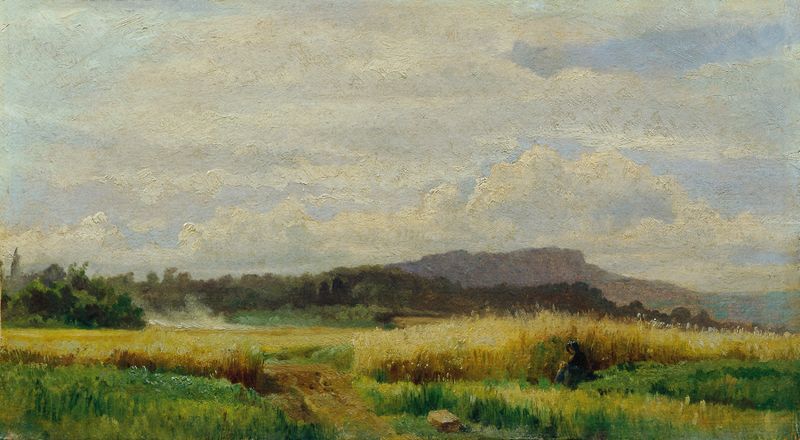
Getreidefeld mit alter Frau
Johann Till the younger
Boot
Johann Till the younger





