
Landschaft in Niederösterreich — History & Facts
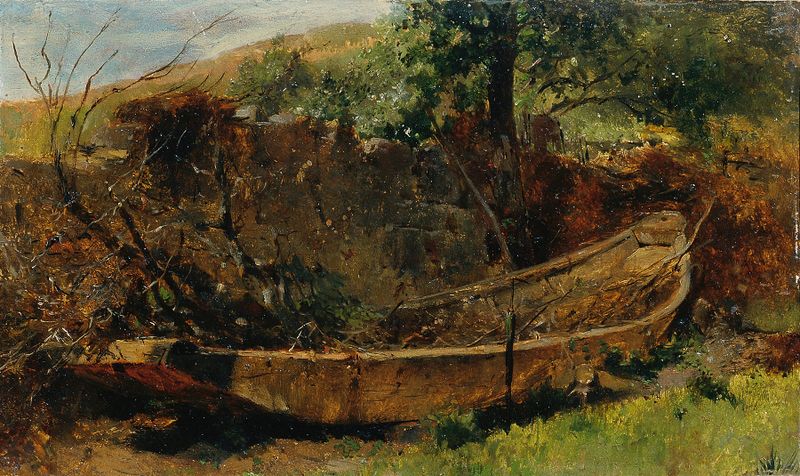
In the silence of nature, fear lurks beneath the surface, whispering through the rustling leaves and the shadows of the trees. Look to the center of Landschaft in Niederösterreich, where a solitary figure stands, dwarfed by an immense sky that looms above. The painter's brush captures the swirling clouds in shades of gray and blue, suggesting an impending storm. Notice how the sunlight breaks through in faint streaks, illuminating the figure's hesitant stance amidst the vastness of the landscape.
The interplay of light and shadow creates a palpable tension, highlighting this moment of solitude and uncertainty. Within the tranquil yet foreboding scene lies a deep emotional resonance. The figure’s quiet contemplation against the encroaching storm symbolizes humanity's frailty in the face of nature’s grandeur. The juxtaposition of the serene earth and turbulent sky embodies the delicate balance between beauty and fear, evoking a sense of vulnerability.
Each brushstroke reflects an inner turmoil, suggesting that the real threat may not be the storm itself, but the existential dread of isolation in a vast world. Johann Till the younger painted this piece between 1870 and 1880, during a period marked by profound changes in both personal and artistic realms. Living in Austria, he was influenced by the Romantic movement's emphasis on emotion and nature, as well as the growing awareness of industrialization's impact on rural life. This time of transition in Europe fostered a blend of nostalgia and apprehension—elements that resonate powerfully within this artwork.
More Artworks by Johann Till the younger
Browse all →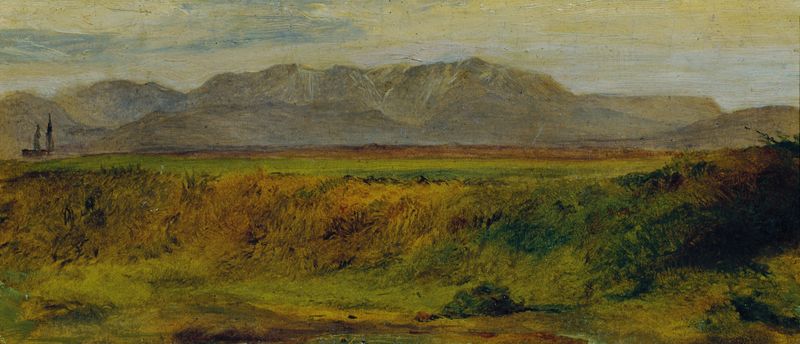
Landschaft mit Rax-Massiv
Johann Till the younger
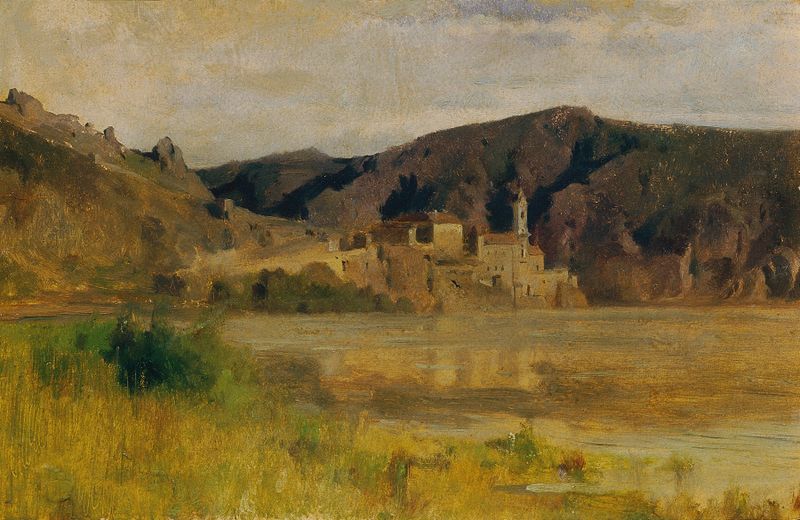
Ansicht von Dürnstein
Johann Till the younger
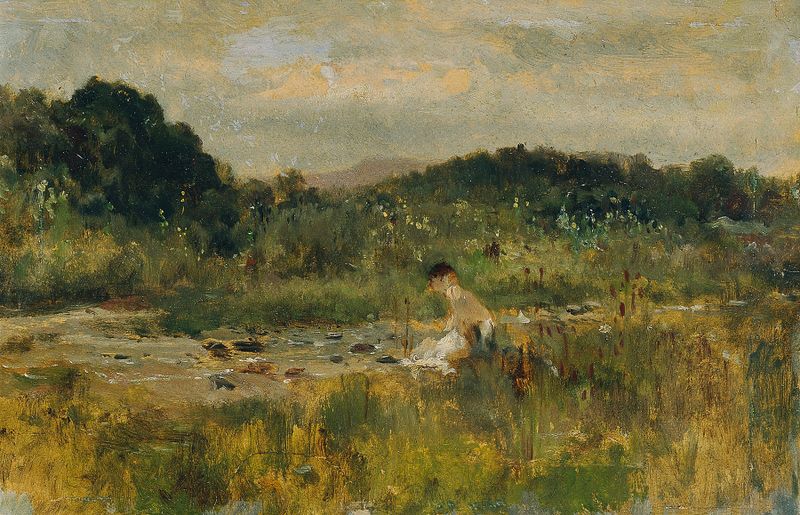
Bachlandschaft mit sitzendem Mädchen
Johann Till the younger
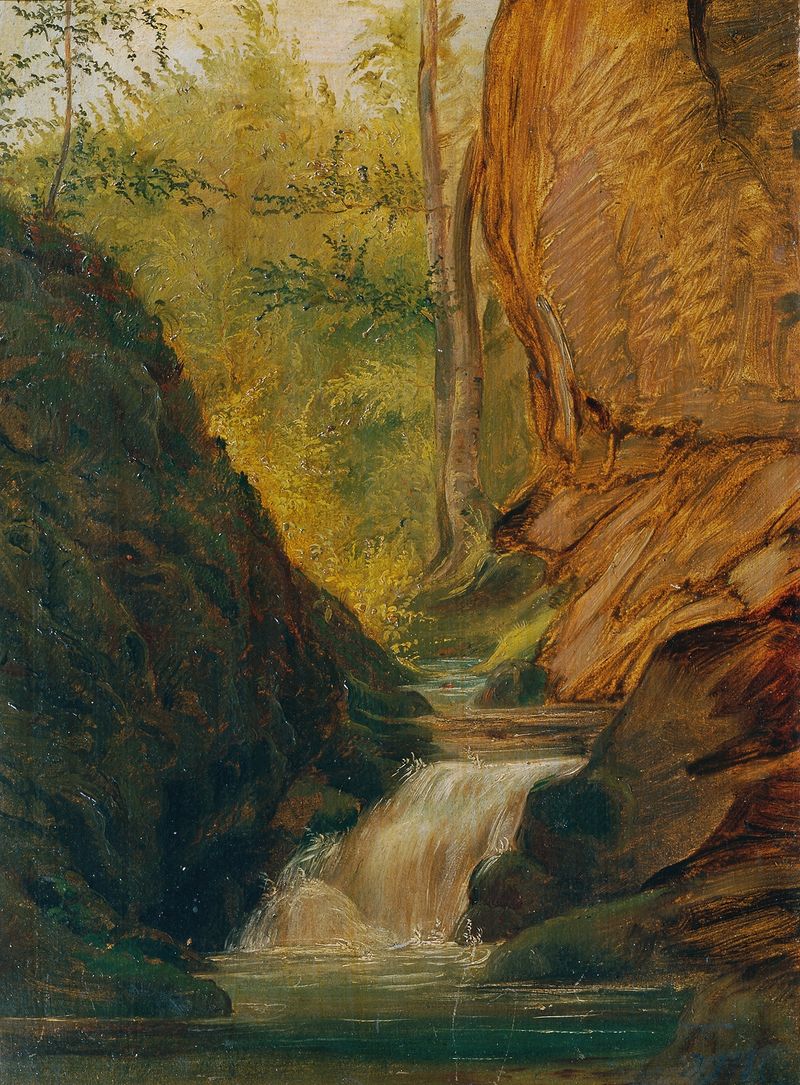
Waldbach
Johann Till the younger
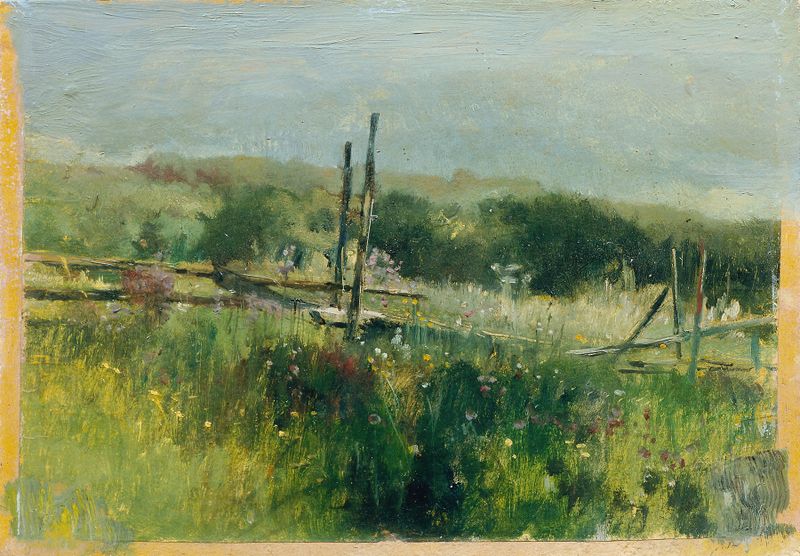
Wiese mit Zaun
Johann Till the younger
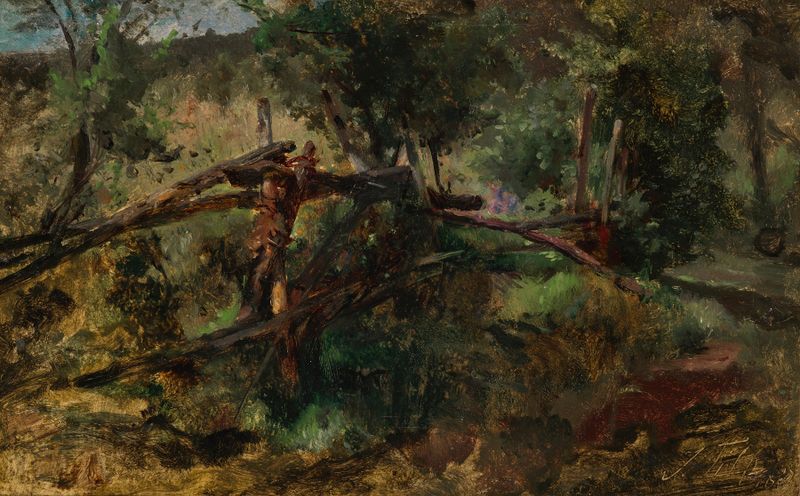
Waldweg mit Zaun
Johann Till the younger
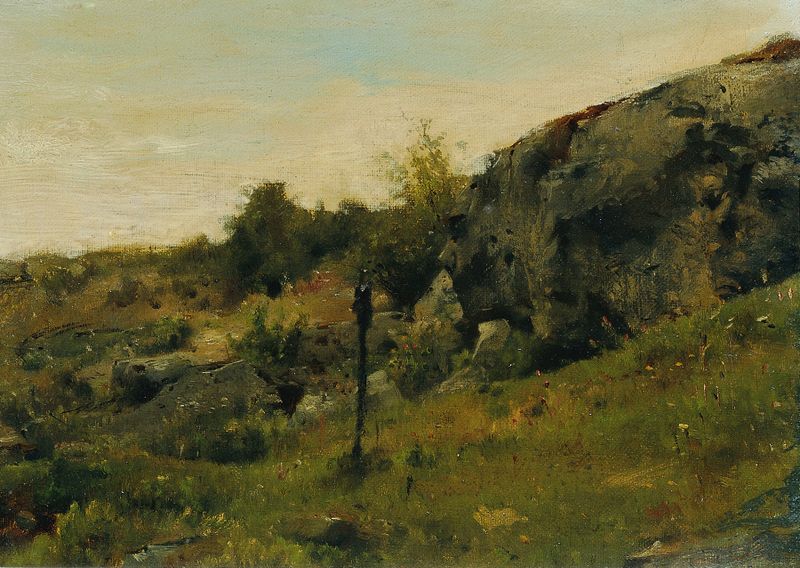
Wiesenlandschaft mit Felsen
Johann Till the younger
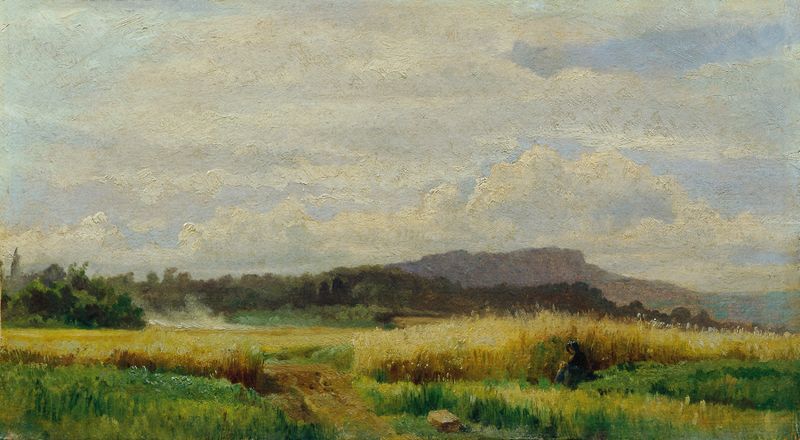
Getreidefeld mit alter Frau
Johann Till the younger
Boot
Johann Till the younger





