Landschap met een bootje — History & Analysis
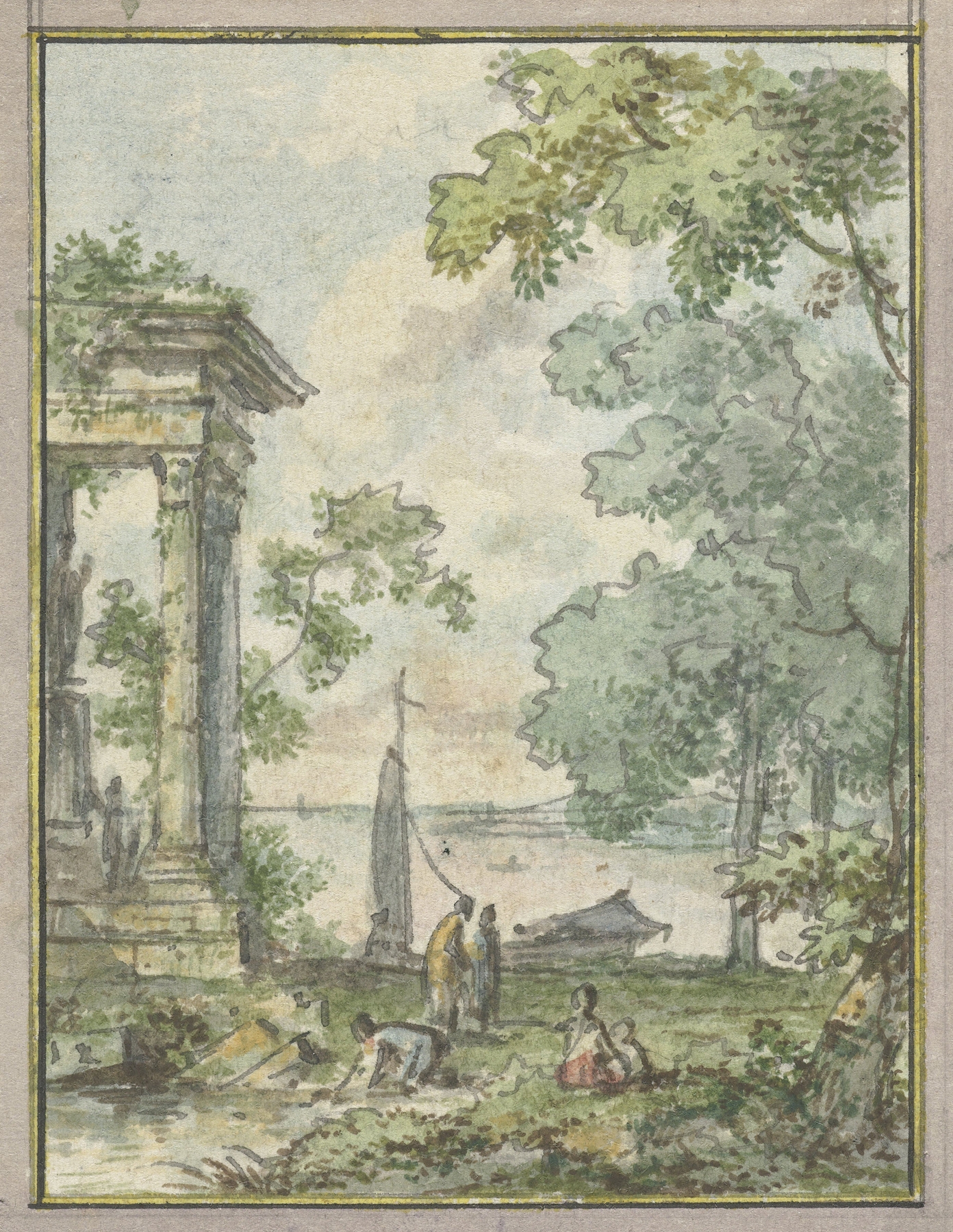
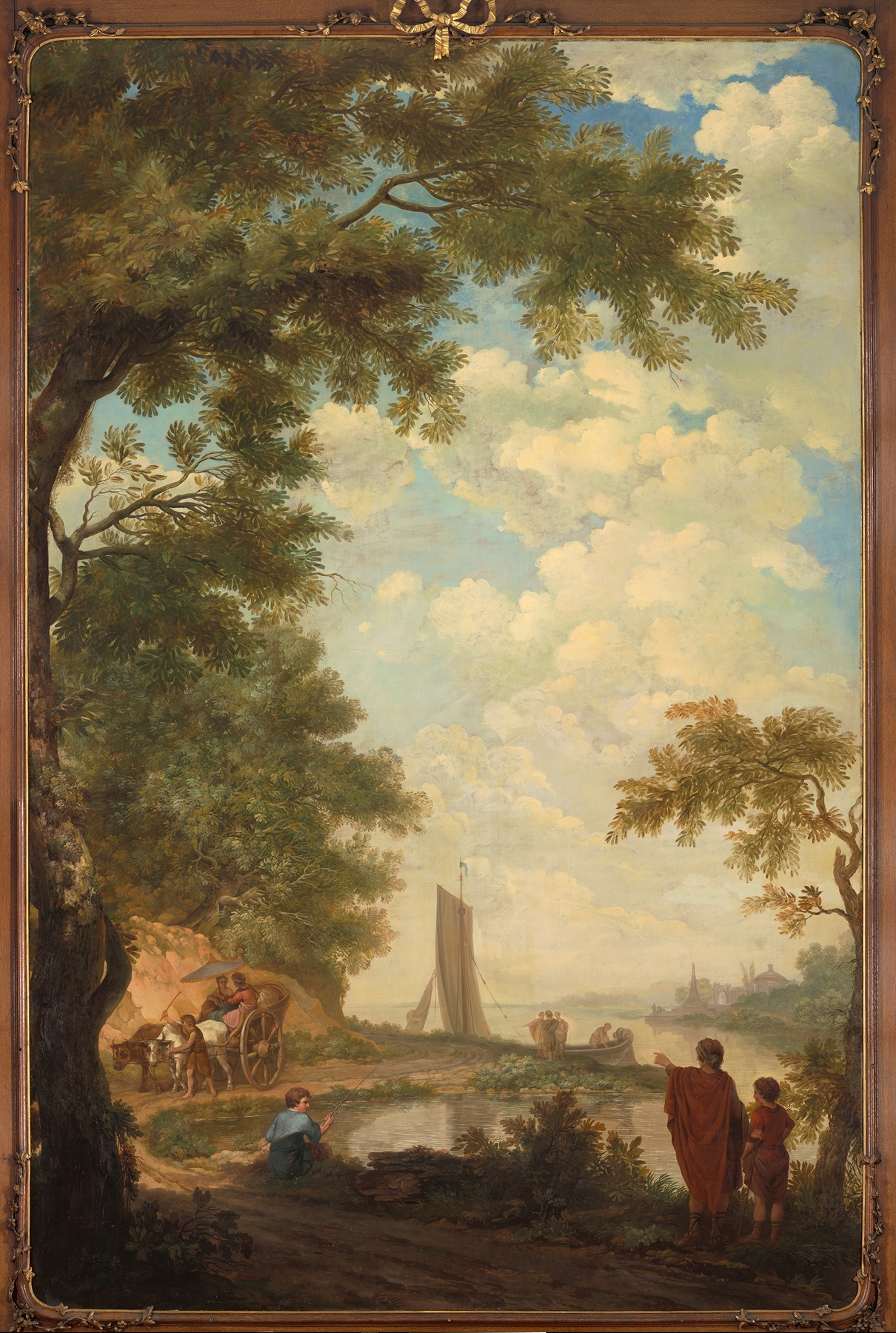
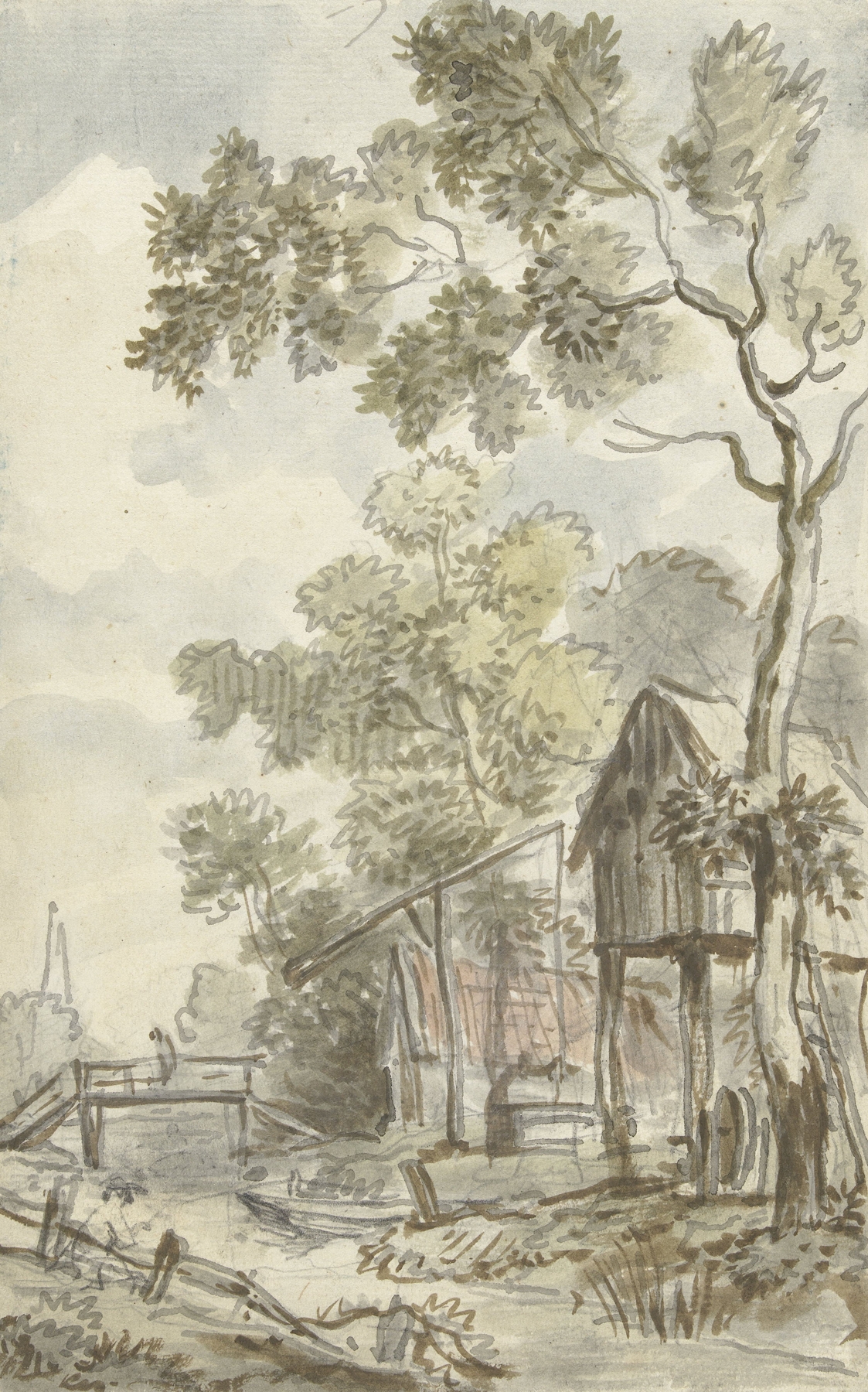
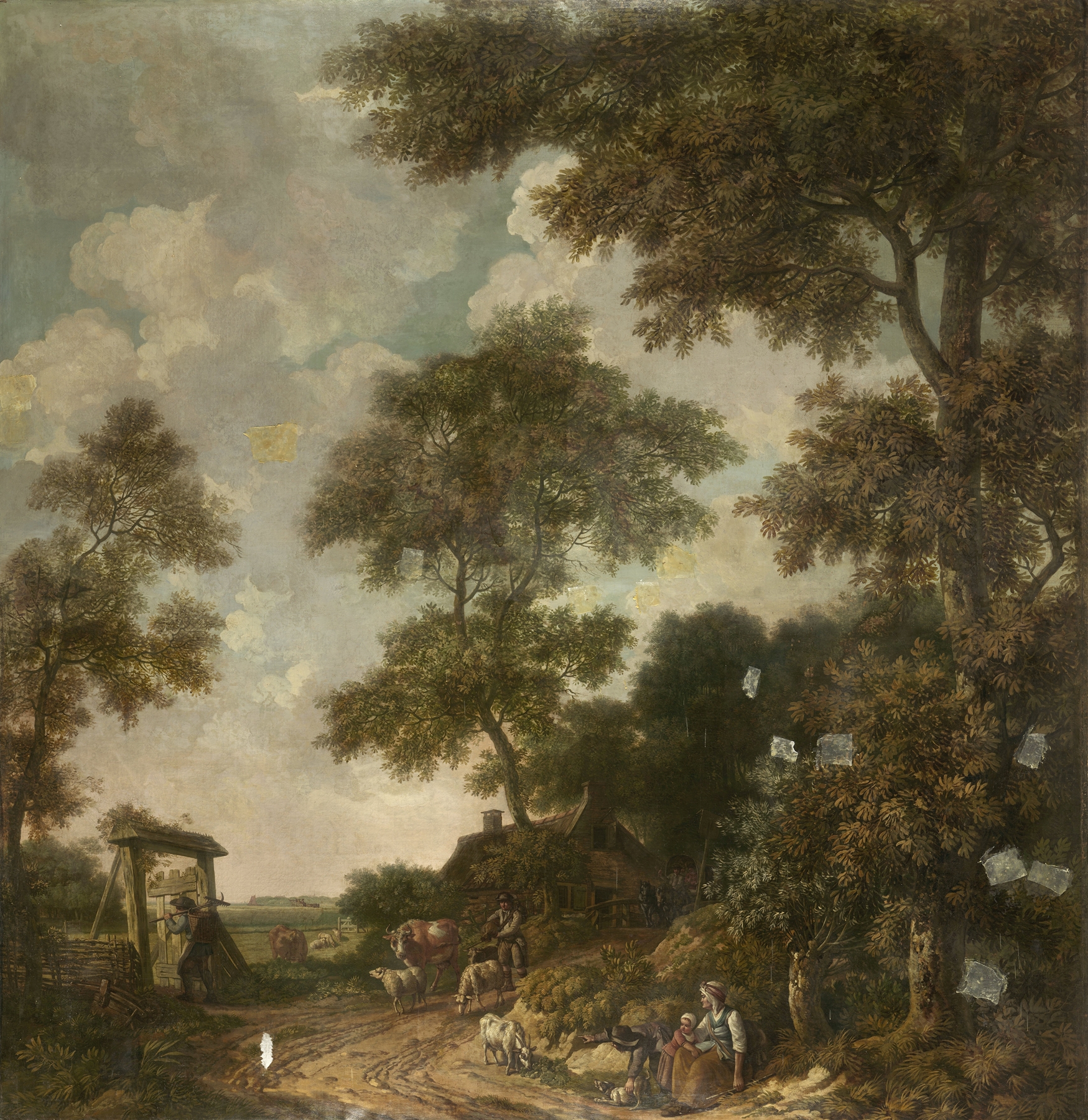
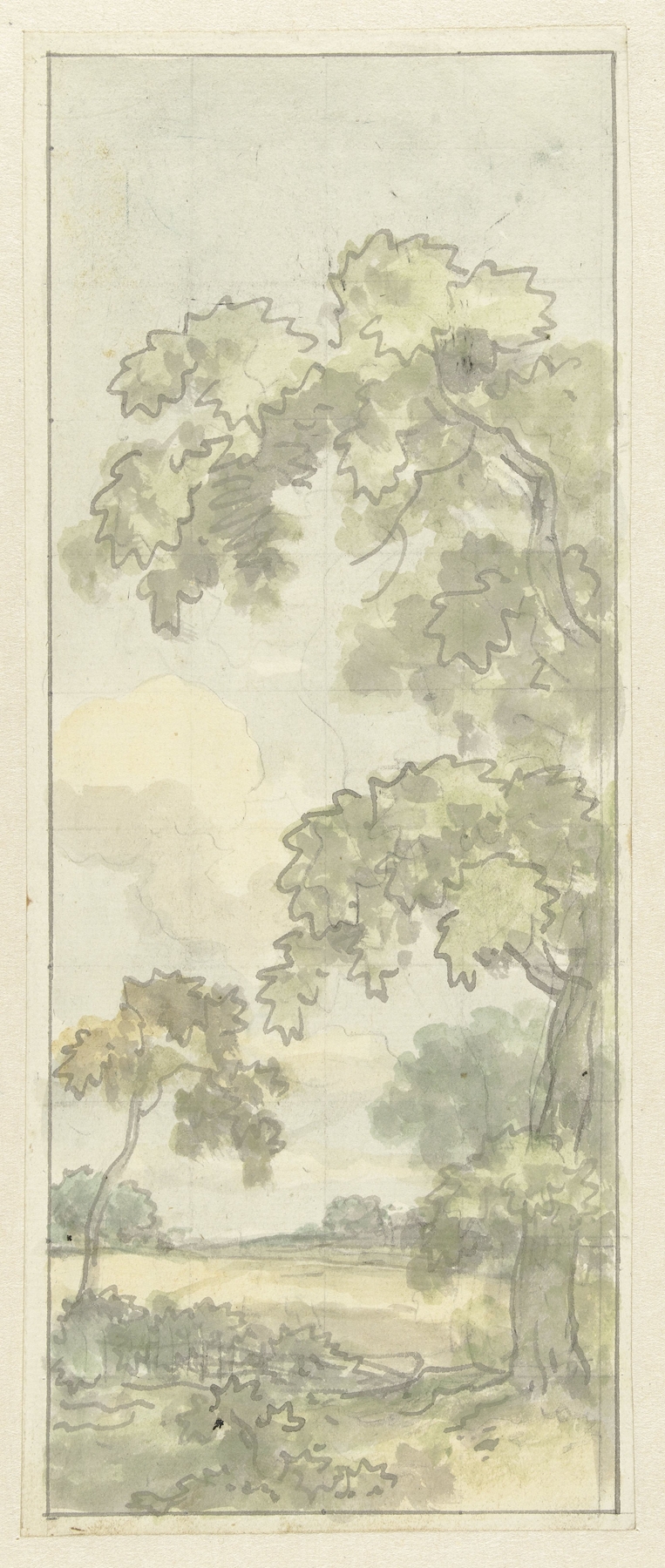
Can beauty exist without sorrow? The delicate interplay of light and shadow in Landschap met een bootje invites us to ponder this question, where tranquility dances on the edge of fragility. Look to the foreground, where a small boat drifts serenely across a shimmering lake, seemingly untouched by the complexities of the world around it. The painter’s brushstrokes convey a sense of calm, while the gentle ripples in the water draw your attention to the skiff’s reflection, a haunting reminder of its transience.
The soft greens of the landscape contrast beautifully with the deepening blues of the sky, creating a harmonious palette that evokes both serenity and unease. Yet, there lies an underlying tension in this idyllic scene. Notice the distant horizon, where the sky transitions into darker hues, hinting at the approach of a storm or an inevitable change. The lone figure in the boat gazes out, lost in thought—are they contemplating their own vulnerability amidst nature’s vastness?
This juxtaposition of calm and foreboding encapsulates life's fragile beauty and the ever-present specter of sorrow. Created between 1752 and 1819, this work reflects Jurriaan Andriessen's role in the Dutch Golden Age, a time when landscapes became a canvas for both beauty and existential contemplation. The artist, known for his pastoral scenes, was influenced by the Romantic movement’s emphasis on emotion and individuality. During this period, Andriessen sought to capture the essence of fleeting moments, intertwining the allure of nature with the complexities of the human experience.