Landschap met waterval — History & Analysis
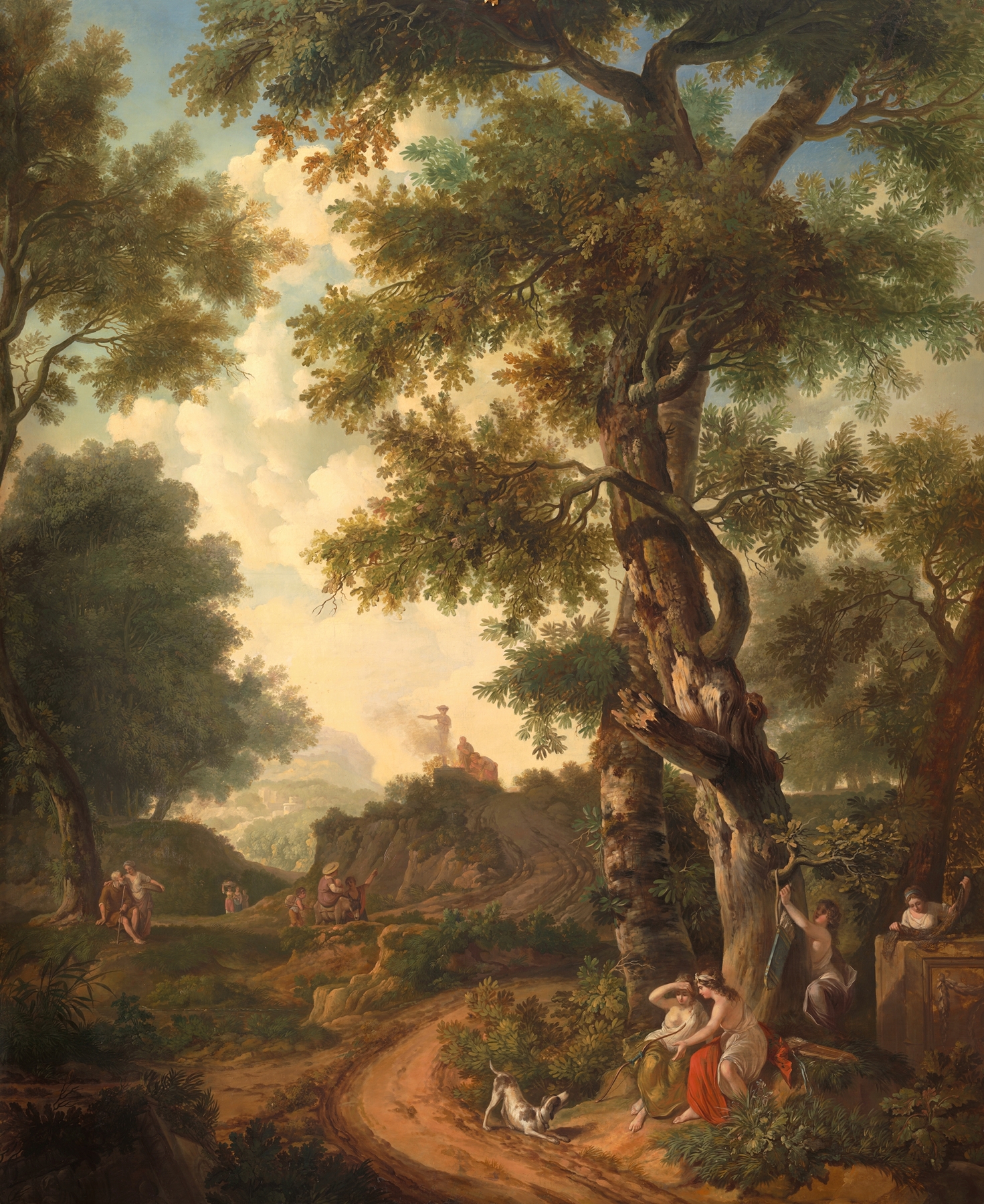
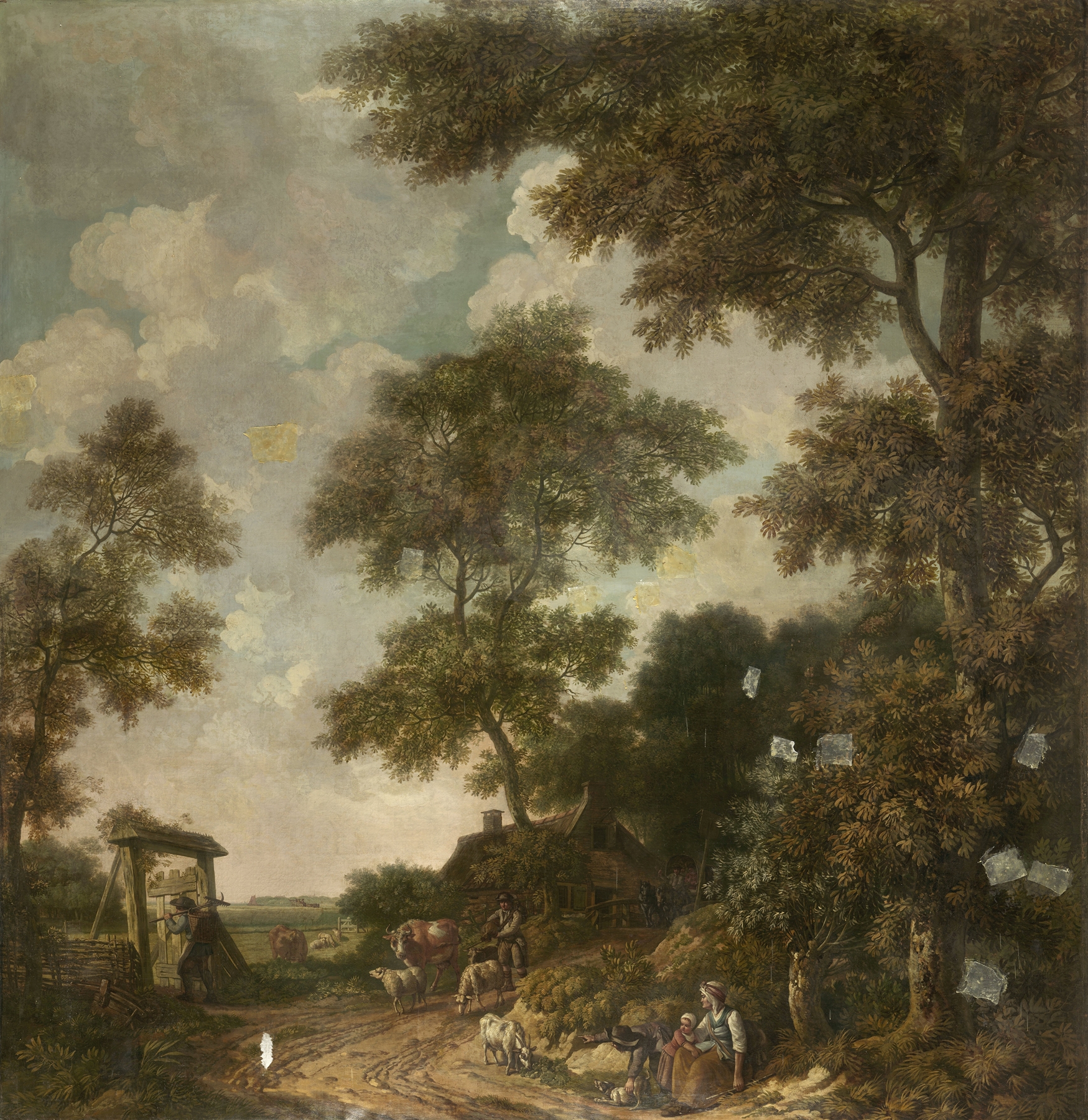
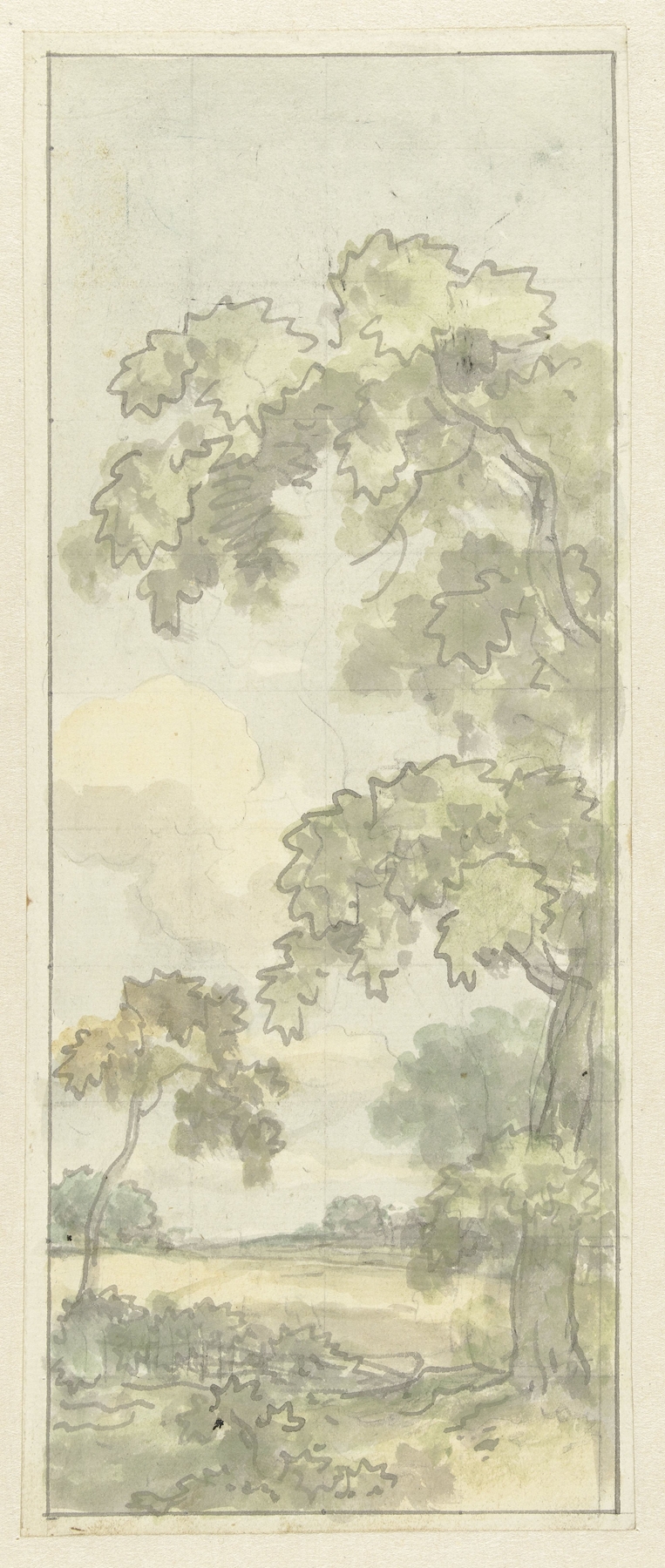
What secret hides in the quiet of the canvas? The scene before us unfurls with delicate beauty, inviting us to explore the fragility of nature captured in paint. Look to the left at the cascading waterfall, where shimmering blues and silvery whites play against the earthy greens of the surrounding foliage. The artist’s brushstrokes evoke both movement and stillness, as the water tumbles down the rocks, sparkling under the soft embrace of sunlight.
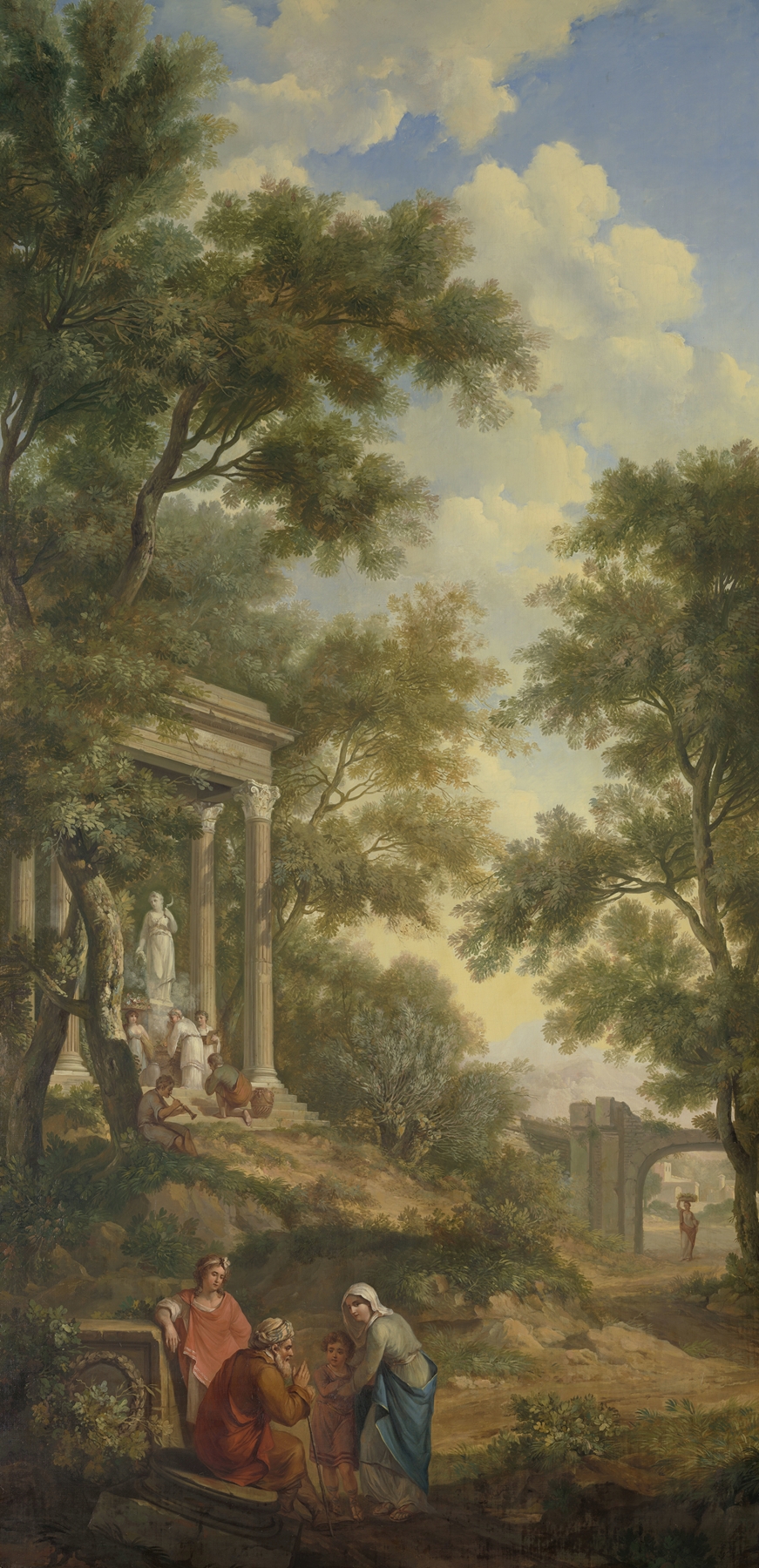
Notice how the trees frame the waterfall, their leaves rendered in shades that oscillate between vibrant greens and muted browns, suggesting the transitory nature of life itself. In this tranquil landscape, contrasts abound: the dynamic rush of water juxtaposed with the serene stillness of the surrounding scene. The interplay between light and shadow enhances a sense of depth, while hints of decay in the vegetation whisper of fragility and the passage of time. This still moment becomes a meditation on existence, reminding us that beauty is often fleeting, yet profoundly impactful.
Created during a period of personal introspection, the artist painted this landscape between 1752 and 1819, a time when Romanticism began to influence the artistic narrative in Europe. Jurriaan Andriessen was immersed in the evolving art scene of the Netherlands, where natural landscapes were celebrated for their emotional resonance as much as their visual appeal. This work reflects a moment of harmony between humanity and nature, evoking a longing for connection in a rapidly changing world.