Landskap — History & Facts
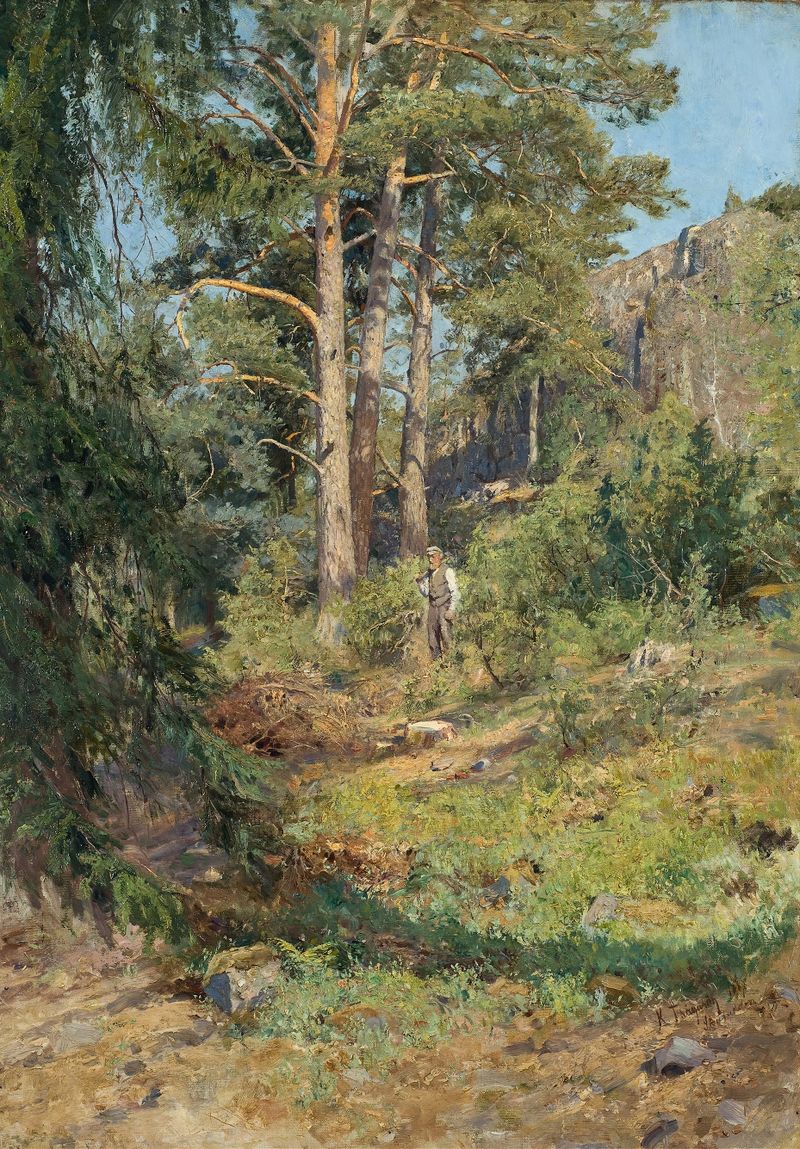
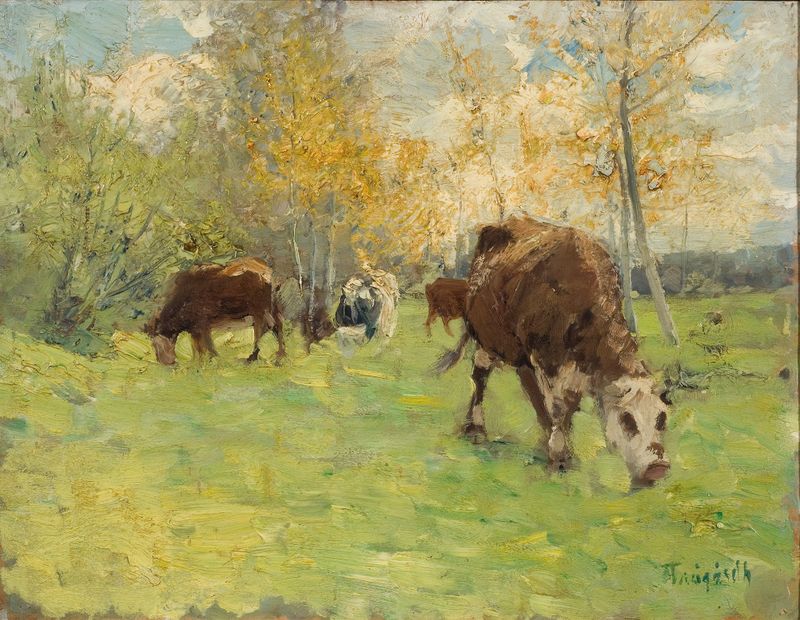
Nostalgia pours from the brushstrokes, offering a glimpse into a world that feels both familiar and elusive, evoking the bittersweet ache of memories long past. Look to the foreground, where soft, dappled greens blend seamlessly into earthy browns, creating a tapestry of the landscape. Notice how the light falls upon the undulating hills, casting gentle shadows that add depth and dimension. The horizon stretches wide, inviting the eye to wander into an expanse of muted blues and grays, while the subtle play of color creates an ethereal quality, as if the scene is suspended between reality and a daydream. Deeper layers reveal a dialogue between the natural elements at play.
The juxtaposition of light and shadow suggests a fleeting moment caught in time, while the swaying grasses hint at an invisible breeze that stirs the air. This delicate balance evokes an emotional tension, encapsulating the essence of nostalgia—both the comfort of remembrance and the pang of its transience. Each brushstroke resonates with the echoes of lost moments, inviting viewers to reflect on their own past. Carl Trägårdh painted Landskap in an unspecified year, a time when the world around him was marked by rapidly shifting artistic movements and profound societal changes.
Working within the Scandinavian tradition, his landscapes often reflect a deep connection to nature, showcasing a sensitivity to light and atmosphere. This piece encapsulates his exploration of the relationship between man and the natural world, offering a timeless view that resonates with viewers across generations.