
Langston Mill — History & Facts
Could beauty survive in a century of chaos? In Langston Mill, hues of quietude and disquiet converge, revealing layers of emotion woven into the fabric of the landscape. Look to the left at the serene water reflecting the treetops, capturing the essence of tranquility amidst nature's embrace. Notice how the artist employs a subtle palette of greens and blues, creating a soft harmony that draws the eye deeper into the composition. The brushstrokes, both delicate and deliberate, lend texture to the foliage while the mill stands resolute in the background, hinting at the intersection of industrial progress and natural beauty. Yet, beneath this picturesque facade lies a tension between the man-made and the natural world.
The mill, as a symbol of progress, seems to whisper secrets of betrayal, an intrusion into the serene landscape that has thrived for centuries. The juxtaposition of the vibrant life surrounding the mill against its stark structure raises questions about the consequences of human expansion and the fragility of untouched beauty. Sir Frank Short painted Langston Mill in 1908 during a time of significant industrial change in Britain. As he worked in his studio, the world around him was grappling with the impact of the Industrial Revolution.
The tension between nature and industry was palpable, influencing not only Short's personal artistic journey but also the broader movement in landscape painting, where artists began to reflect on the transformations of their environment.
More Artworks by Sir Frank Short
Browse all →
Morning Haze in Chichester Harbor
Sir Frank Short
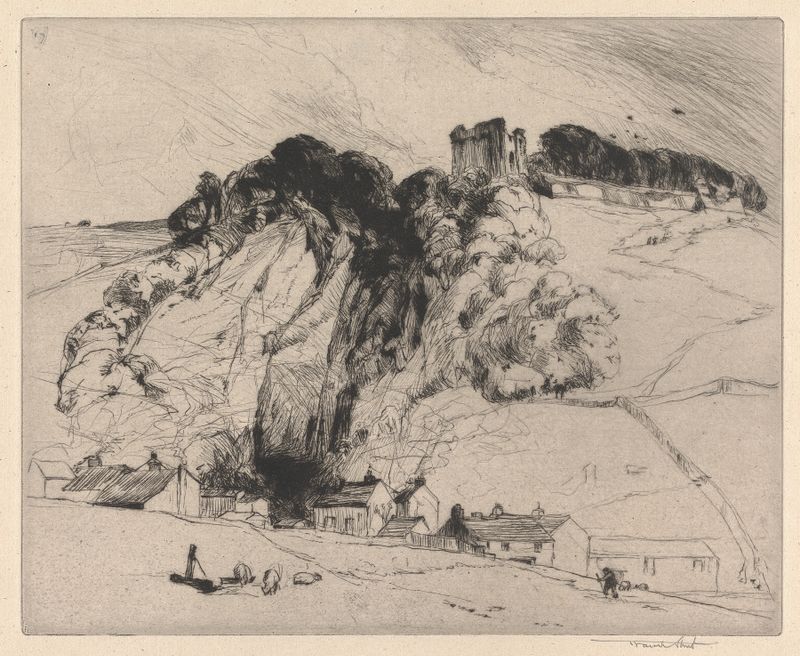
Peveril’s Castle, Derbyshire
Sir Frank Short
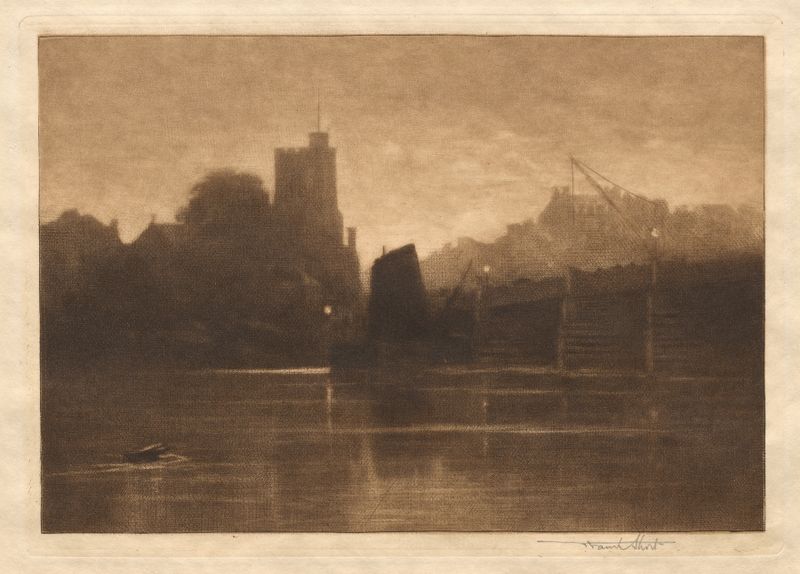
Ebb Tide, Putney Bridge
Sir Frank Short
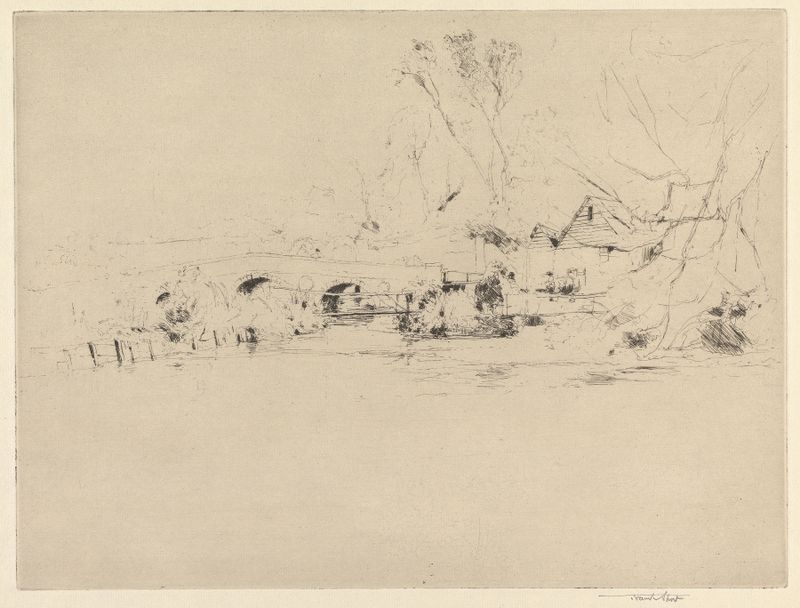
Old Mill on the Wandle, at Mitcham
Sir Frank Short

Moonlight on the Medway at Chatham
Sir Frank Short

Parkgate
Sir Frank Short
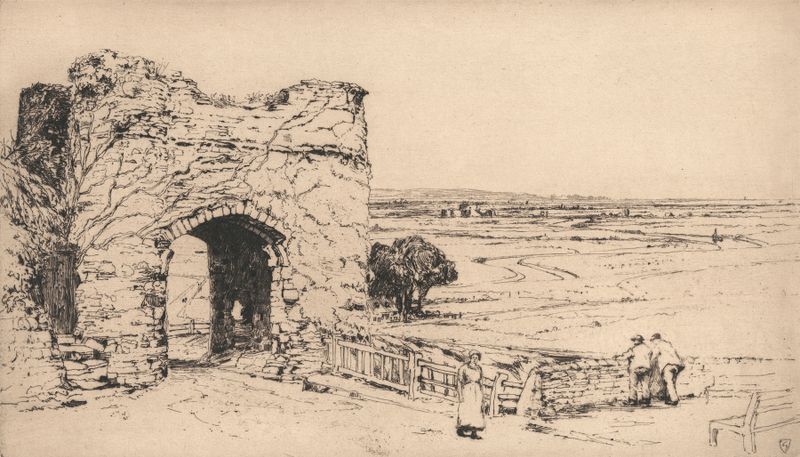
The Strand Gate, Winchelsea
Sir Frank Short

Bridgenorth
Sir Frank Short
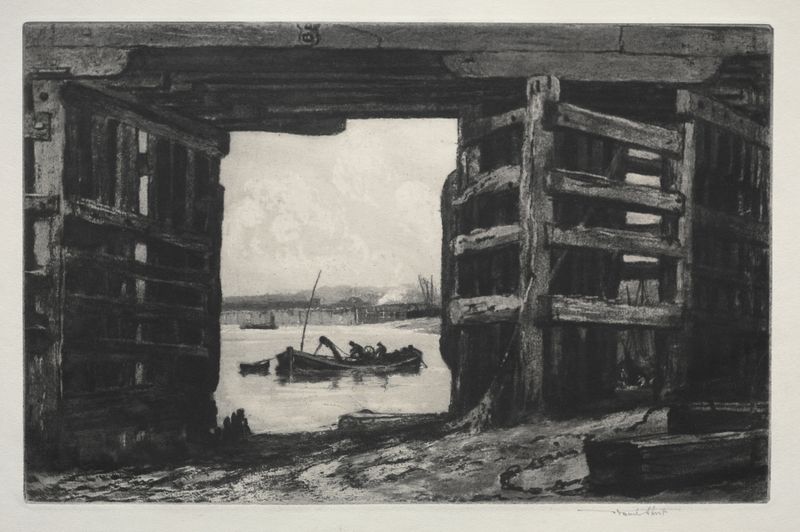
A Span of Old Battersea Bridge
Sir Frank Short

The Rope Walk, Spittal Bridge Whitby
Sir Frank Short





