
Lansdscapestudy — History & Facts
What secret hides in the quiet of the canvas? In the stillness of Landscape Study, the viewer is invited to explore the void, a space where nature breathes and silence reigns. It beckons contemplation, urging one to delve deeper into the essence of existence amidst the vastness. Look to the horizon, where soft, ethereal hues blend seamlessly into one another. The gentle gradient of blues and greens evokes a serene landscape, drawing your gaze toward a distant, undefined boundary.
Notice how the sparse brushstrokes capture the essence of foliage, creating a harmonious balance between detail and abstraction. The composition exudes tranquility, inviting you to linger in the delicate interplay of light and shadow, effectively communicating nature's subtlety. Yet, beneath this calm surface lies a profound sense of isolation—a reflective void that resonates with inner turmoil. The unpopulated expanse evokes feelings of solitude, while the soft colors juxtapose the weight of absence.
The absence of figures amplifies the landscape's quietude, igniting questions about the stories that may unfold in such a vast, empty space. It suggests a longing for connection, a universal human experience woven into the very fabric of the natural world. In the mid-19th century, during a period rich with Romantic ideals, Landscape Study emerged from the brush of Thomas Fearnley, a Norwegian artist whose works celebrated the beauty of nature. Created while he was immersed in the landscapes of Norway, the painting reflects his emotional response to the environment around him, amidst the burgeoning appreciation for the sublime in art.
Fearnley's dedication to the natural world encapsulated both his personal journey and the broader artistic movement of his time.
More Artworks by Thomas Fearnley
Browse all →
Norwegian Landscape, Marumfoss
Thomas Fearnley

View of the Oslofjord
Thomas Fearnley

Gudvangen
Thomas Fearnley

Stormy Landscape with a Rider
Thomas Fearnley
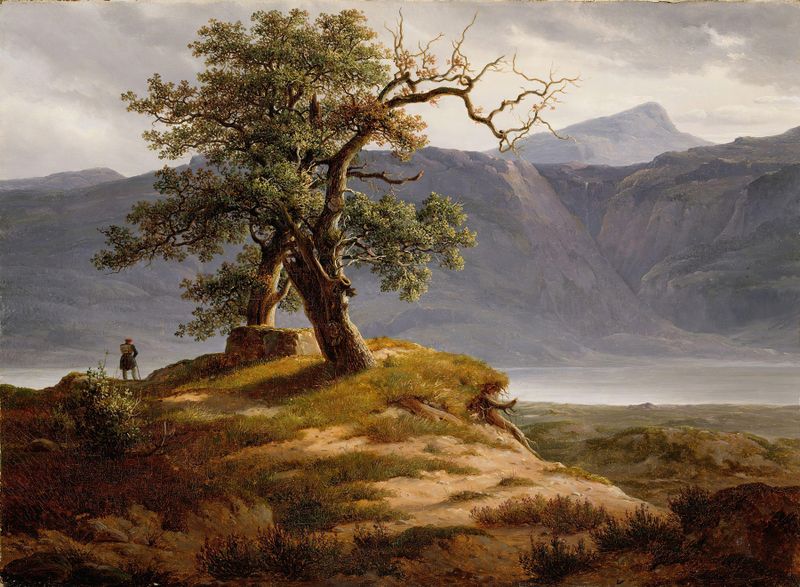
Landscape with a Wanderer
Thomas Fearnley
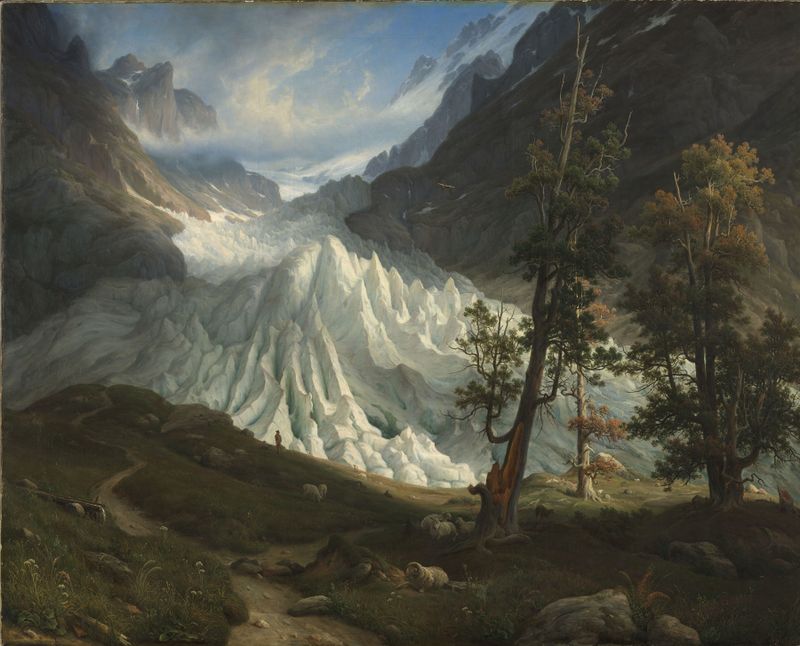
The Grindelwaldgletscher
Thomas Fearnley

Clouds over the Fjord
Thomas Fearnley
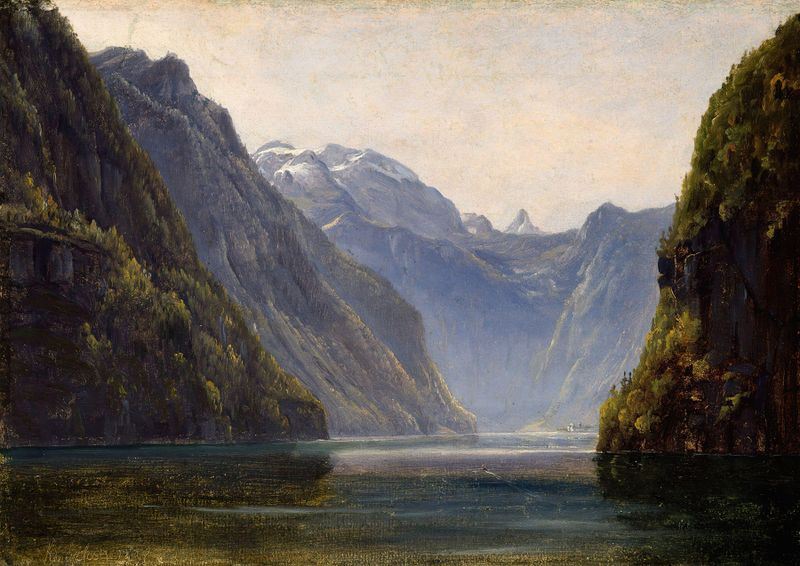
From Königssee
Thomas Fearnley

The Bridge of Hauge outside Arendal
Thomas Fearnley

King Vilhelm II’s ceremonial Processsion in Amsterdam in 1840
Thomas Fearnley





