
L’arc dit de Nazareth sur l’île de la Cité — History & Facts
Could a single brushstroke hold eternity? In the delicate interplay of light and shadow, L’arc dit de Nazareth sur l’île de la Cité invites viewers to ponder the boundaries between reality and illusion. Look to the left at the meticulously rendered archway, its ancient stones warm with tones of ochre and soft grays. The gentle wash of light cascading down draws the eye toward the figures almost hidden in the arch’s embrace, their forms rendered with a quiet intimacy that bridges the past and present. Notice the way the azure sky contrasts with the earthy palette, evoking the tranquil aura of a moment suspended in time, while the subtle brushstrokes breathe life into the scene. Hidden within this serene façade are threads of emotional tension — the interplay of the sturdy architecture against the ephemeral quality of the figures hints at the fleeting nature of human existence.
Each small detail, from the delicate ripples of water in the foreground to the distant whispers of the horizon, speaks to the profound connection between humanity and the enduring structures they leave behind. This juxtaposition encourages reflection on the passage of time and the memories preserved through art. Created in 1828, Maréchal painted this piece during a period marked by a revival of interest in historical landscapes and architectural forms. Living in Paris, he was immersed in a city experiencing immense change, with its rich history often at odds with modern advancements.
This artwork showcases not only Maréchal's technical skill but also his deep appreciation for the past, encapsulating the essence of a city that has withstood the test of time amidst the waves of progress.
More Artworks by Jean Baptiste Maréchal
Browse all →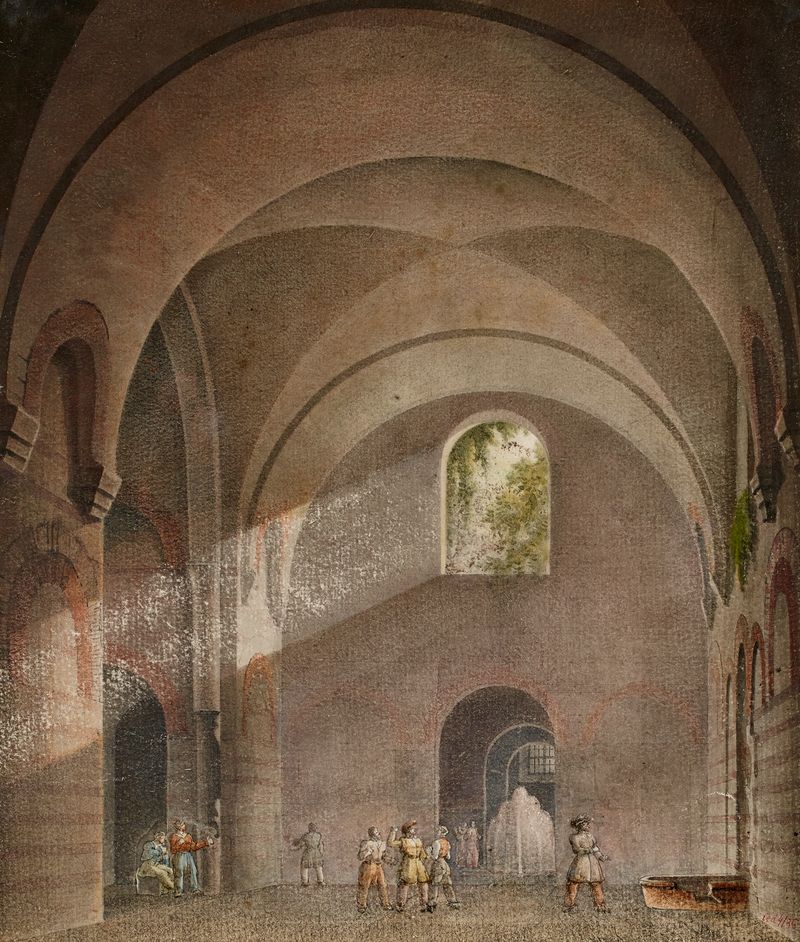
Vue intérieure des Thermes de Julien
Jean Baptiste Maréchal
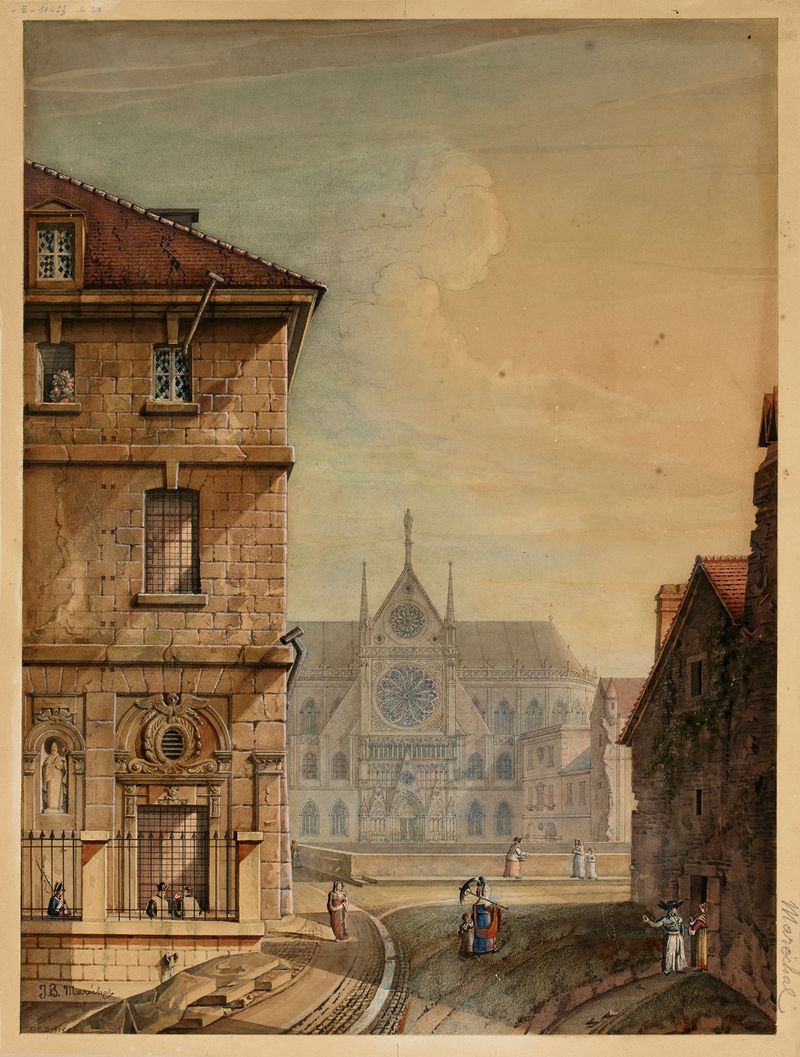
Cathédrale Notre-Dame de Paris et le vieil Hôtel-Dieu
Jean Baptiste Maréchal
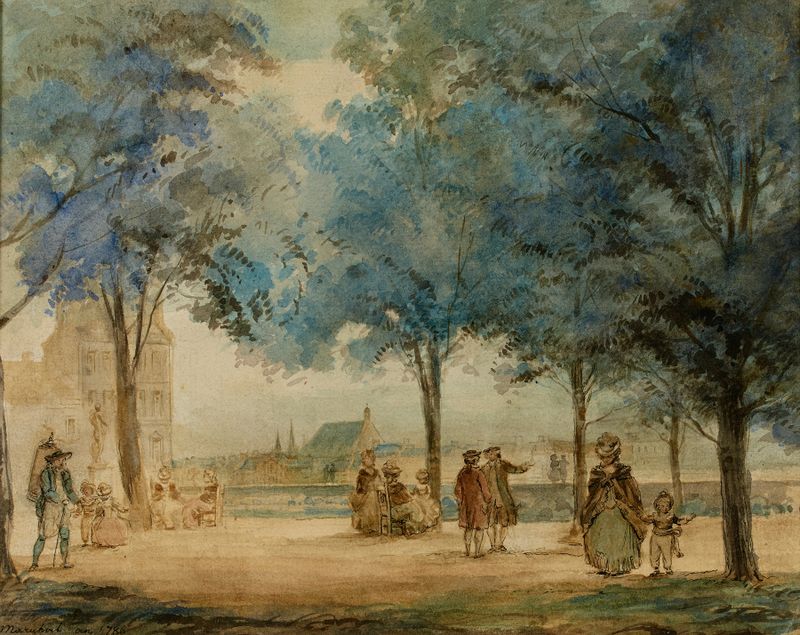
La terrasse des Tuileries en 1786
Jean Baptiste Maréchal

Vue intérieure du cloître de l’église Saint-Etienne-du-Mont
Jean Baptiste Maréchal
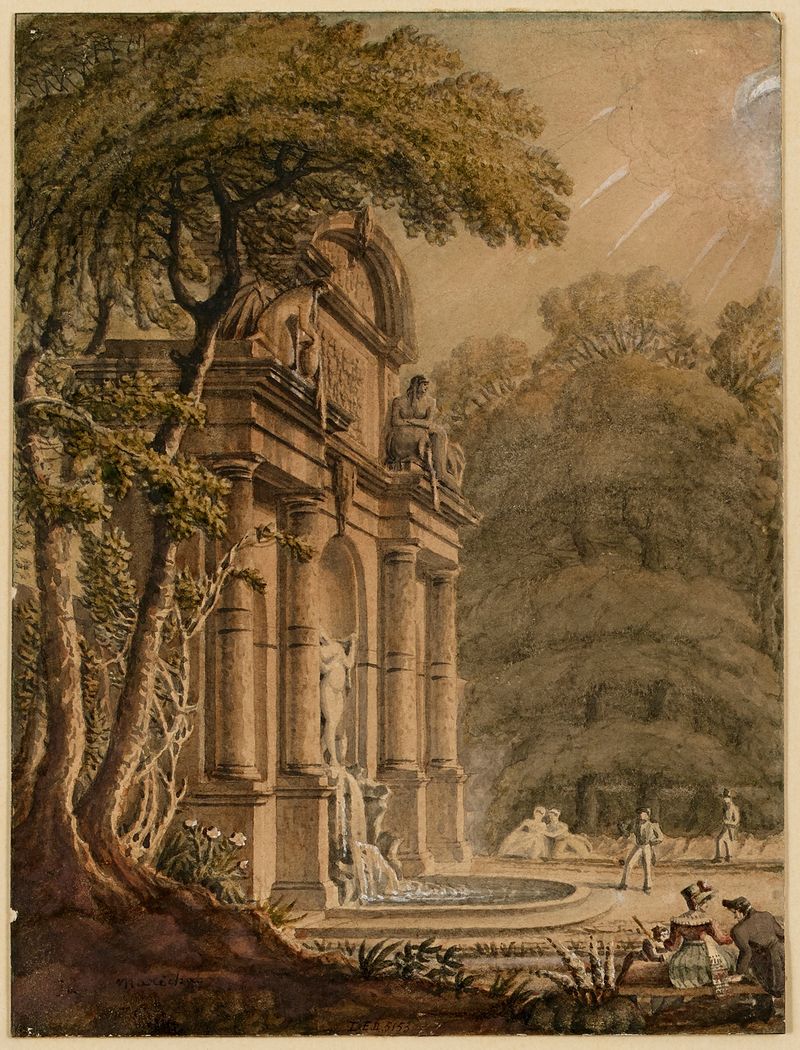
La grotte du jardin du Luxembourg ou fontaine Médicis
Jean Baptiste Maréchal
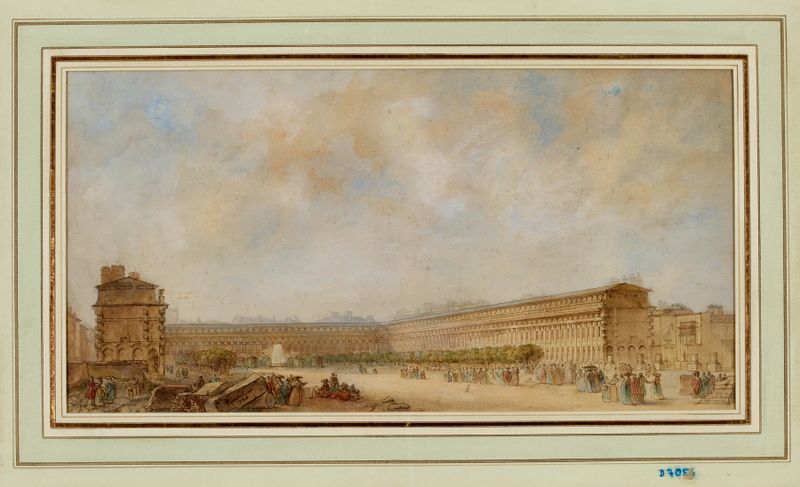
Le Palais Royal en 1789
Jean Baptiste Maréchal

La fontaine des Innocents
Jean Baptiste Maréchal
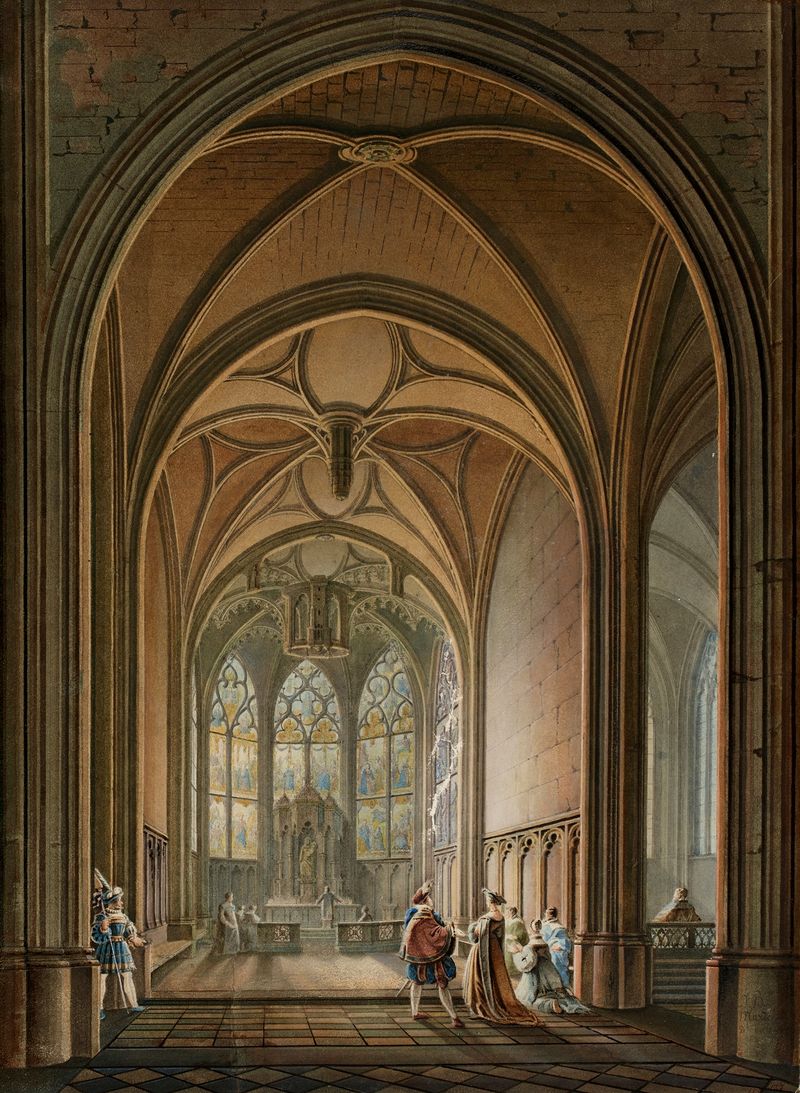
Vue intérieure de la chapelle de la Vierge de l’église Saint-Gervais
Jean Baptiste Maréchal
More Architecture Art
Browse all →
The statue of Liberty
Frédéric Auguste Bartholdi

View of Houses in Delft, Known as ‘The Little Street’
Johannes Vermeer

View of Houses in Delft, Known as ‘The Little Street’
Johannes Vermeer

The Cathedral in Rouen. The portal, Grey Weather
Claude Monet

The yellow house
Vincent van Gogh

The Church in Auvers-sur-Oise, View from the Chevet
Vincent van Gogh