
La terrasse des Tuileries en 1786 — History & Facts
Is this a mirror — or a memory? The gentle expanse of La terrasse des Tuileries en 1786 invites viewers to contemplate a tranquil moment suspended in time, where the past and present intertwine in soft whispers of serenity. Focus on the central figures, elegantly seated amidst the lush greens and muted earth tones. Their relaxed postures and casual attire draw you in, creating a sense of intimacy and stillness. Notice how the light dances across the scene, illuminating the gentle curves of the terrace and casting delicate shadows that emphasize the interplay of nature and architecture.
The balance of the composition — with the lush trees framing the figures — evokes harmony and invites reflection. Delve deeper into the lush greenery, where subtle details reveal a nuanced narrative. The intriguing juxtaposition of vibrant life against the serene setting speaks to the fleeting nature of joy and companionship. Each figure appears lost in thought, suggesting an inner world filled with dreams and desires, while the stillness of the terrace embodies a moment of peace amid the uncertainties of life.
This emotional tension enhances the contemplative atmosphere and allows viewers to project their own memories onto the canvas. During its creation, the artist was likely influenced by the cultural changes sweeping through France. In the late 18th century, as Enlightenment ideas flourished, Maréchal captured a moment that reflects both the elegance of the aristocracy and the burgeoning sense of a world on the brink of transformation. The absence of a specific date only adds to the timeless quality of the work, allowing it to resonate across generations.
More Artworks by Jean Baptiste Maréchal
Browse all →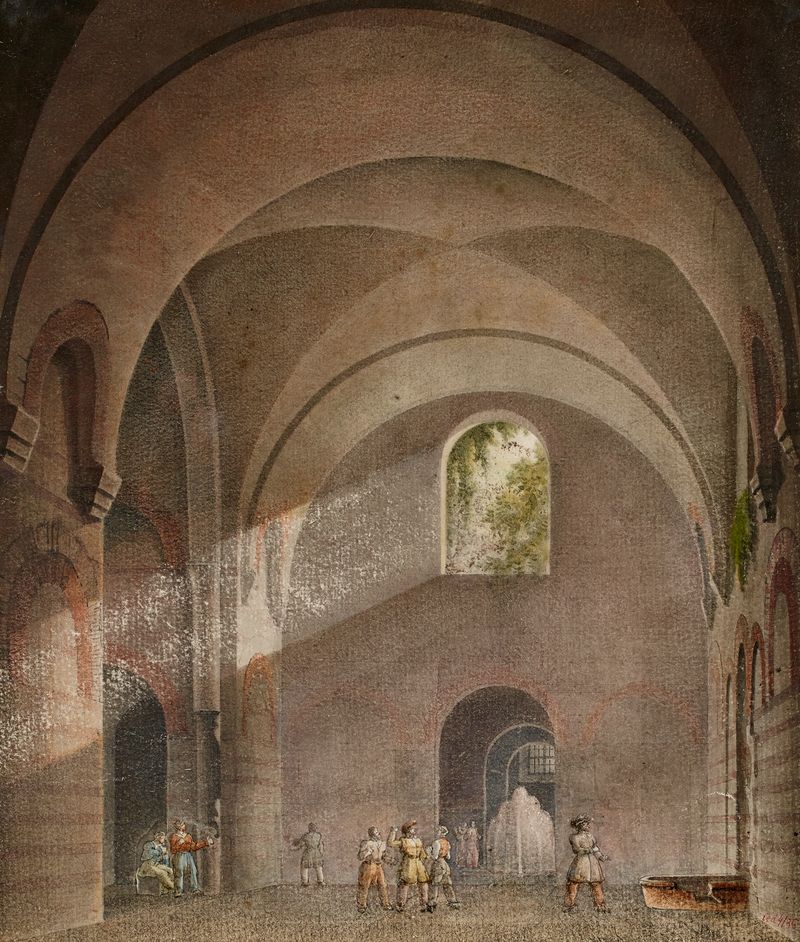
Vue intérieure des Thermes de Julien
Jean Baptiste Maréchal
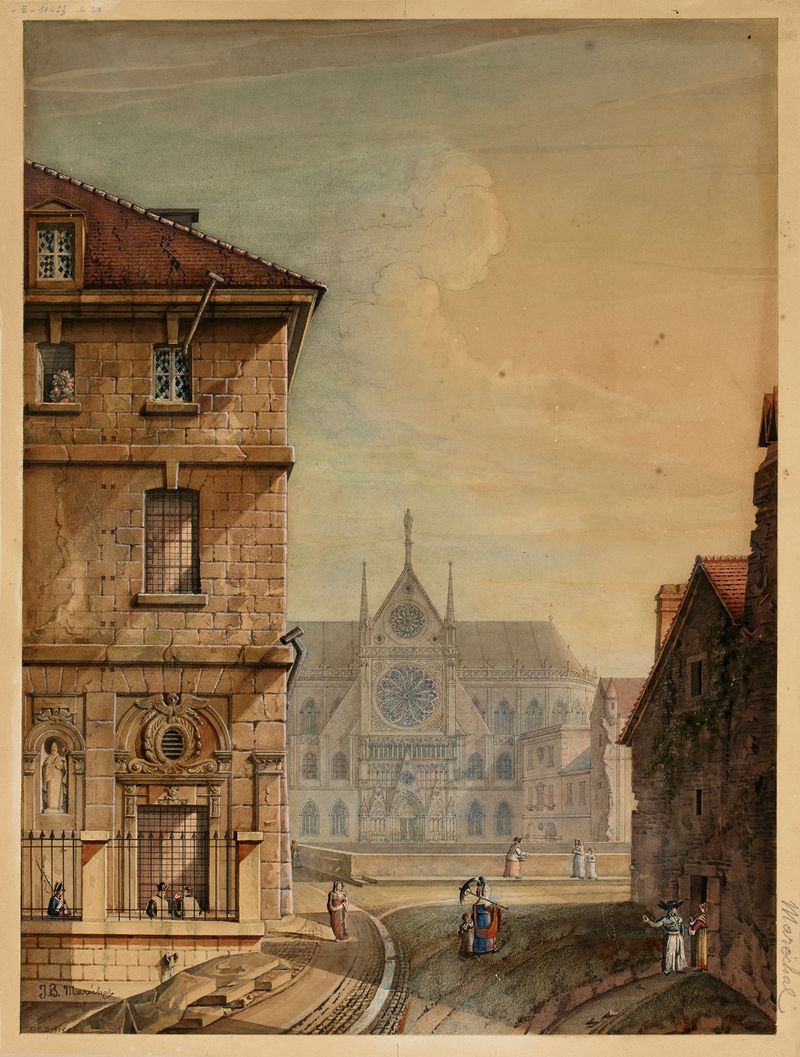
Cathédrale Notre-Dame de Paris et le vieil Hôtel-Dieu
Jean Baptiste Maréchal

Vue intérieure du cloître de l’église Saint-Etienne-du-Mont
Jean Baptiste Maréchal
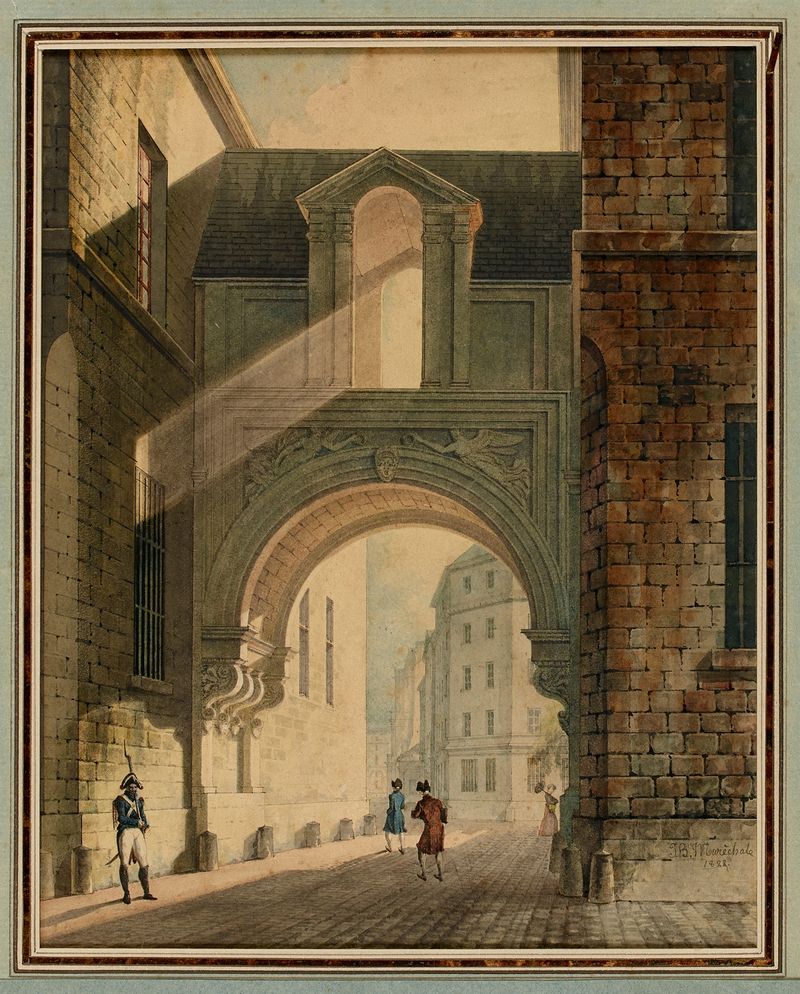
L’arc dit de Nazareth sur l’île de la Cité
Jean Baptiste Maréchal
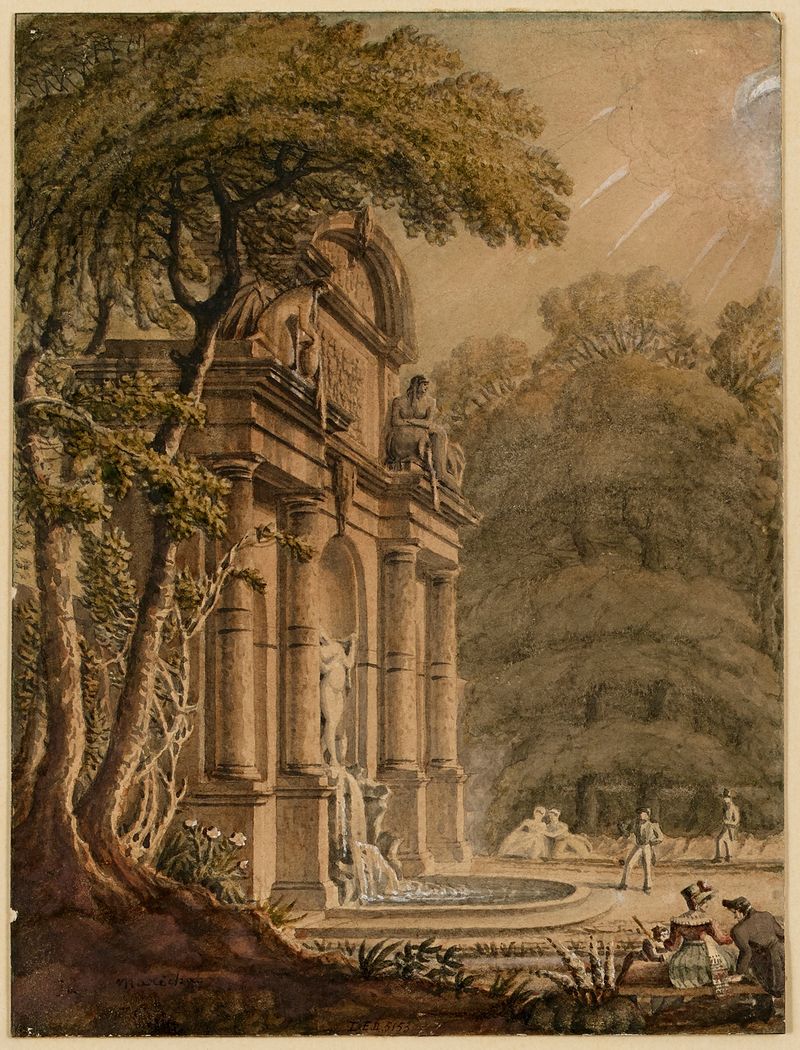
La grotte du jardin du Luxembourg ou fontaine Médicis
Jean Baptiste Maréchal
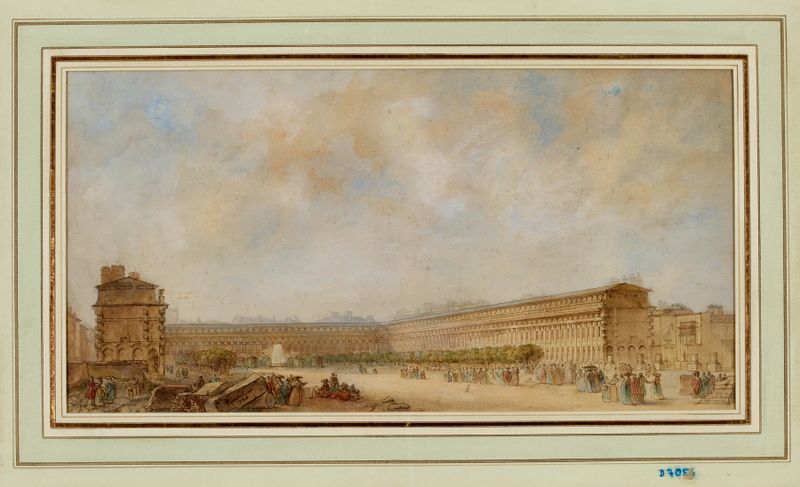
Le Palais Royal en 1789
Jean Baptiste Maréchal

La fontaine des Innocents
Jean Baptiste Maréchal
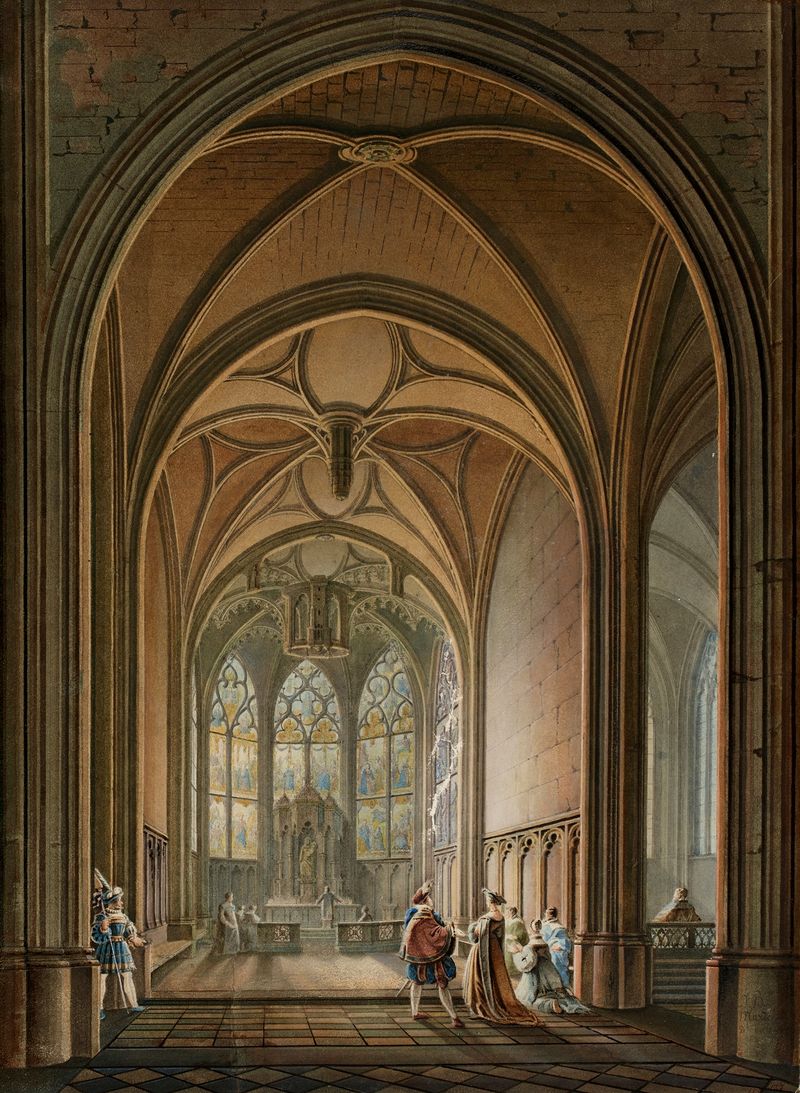
Vue intérieure de la chapelle de la Vierge de l’église Saint-Gervais
Jean Baptiste Maréchal





