Las parvas (la pampa de hoy) — History & Facts
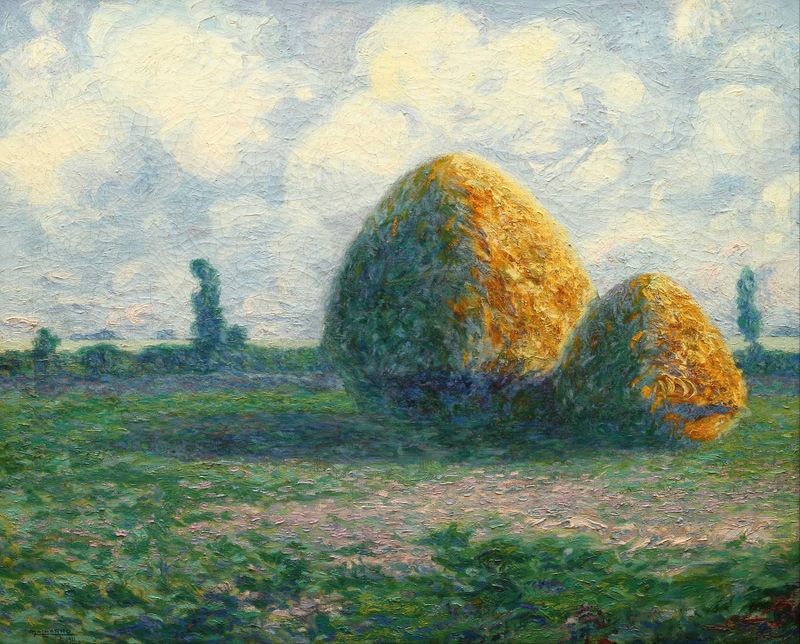
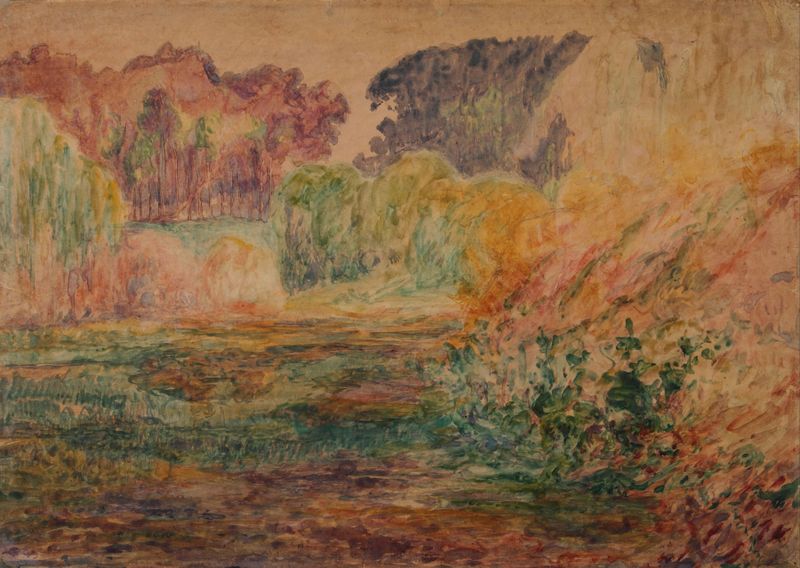
When did color learn to lie? This question lingers in the heart of Las parvas (la pampa de hoy, evoking a deep-seated sense of loneliness amidst the vibrancy of the landscape. Look to the vast expanse of the pampas, where hues of ochre and gold dominate the canvas. The rolling fields stretch endlessly, interrupted only by whispers of grass swaying in the wind. Notice how the light dances upon the terrain, creating a shimmering illusion while casting shadows that hint at unseen depths.
Malharro's brushwork is both tender and assertive, drawing you into a world that feels familiar yet hauntingly desolate. As you take in the details, consider the contrast between the radiant colors and the palpable sense of isolation. The sky may be bright, but it looms over the figure—solitary and small—instilling a quiet tension. This figure, possibly a farmer or a laborer, is dwarfed by the vastness around them, embodying the struggle of the individual against nature's expanse.
The artwork captures not only the beauty of the landscape but also the emotional weight of solitude that permeates rural life. Painted in 1911, during a time when Argentina was experiencing significant social and political changes, this piece reflects Martín Malharro's engagement with the countryside and its intricate relationship with humanity. Living in Buenos Aires, he immersed himself in the avant-garde movements of his era, yet retained a deep connection to the land, skillfully blending modernity with an appreciation for the traditional, shaping a narrative of both beauty and loneliness in his work.