
Paisaje — History & Facts
This sentiment echoes through the brushstrokes of Paisaje, where the essence of a moment transcends the fleeting nature of reality. Here, the landscape does not simply exist; it becomes a vessel for memory and emotion, inviting us to linger in its embrace. Look to the foreground, where lush greens intertwine with soft browns, creating a sense of depth that pulls you into the painting. Notice how the dappled sunlight filters through the trees, casting gentle shadows that dance on the ground.
The artist’s choice of muted yet vibrant colors evokes a feeling of serenity, while the carefully structured composition guides your gaze through the scene, inviting exploration and contemplation. As you delve deeper, consider the contrast between light and shadow, revealing life’s dualities. The bright patches signify hope and renewal, while the obscured areas hint at the unseen struggles that often accompany beauty. This interplay suggests a complex relationship between nature and human experience, where every element holds both tranquility and tension—a reminder of life’s transience. In 1907, Martín Malharro painted this piece in Argentina, during a time when the country was experiencing a cultural renaissance.
Embracing the influence of European Impressionism, he sought to express the intimate relationship between humanity and the natural world. His work reflects not just the external landscape, but also the internal landscapes of memory and emotion, a dialogue between the observer and the observed.
More Artworks by Martín Malharro
Browse all →
Las parvas (la pampa de hoy)
Martín Malharro
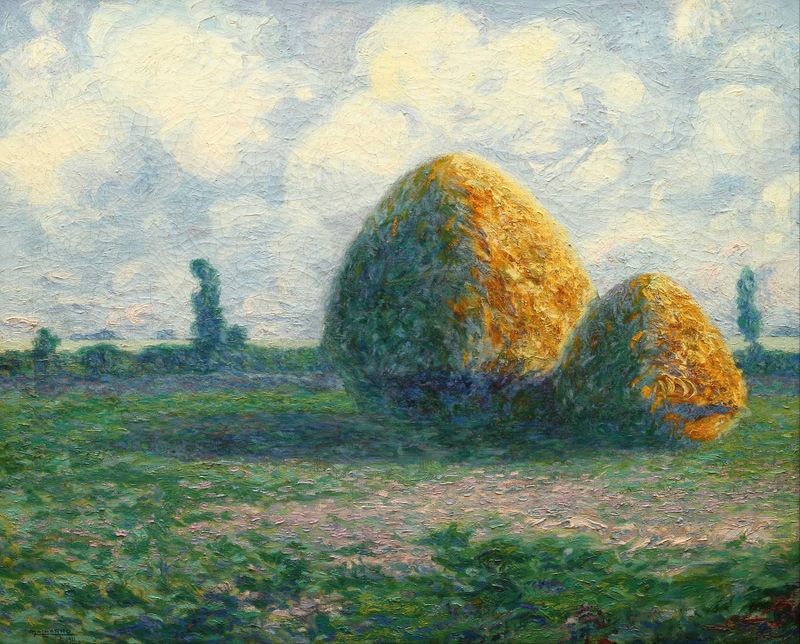
Las parvas (la pampa de hoy)
Martín Malharro
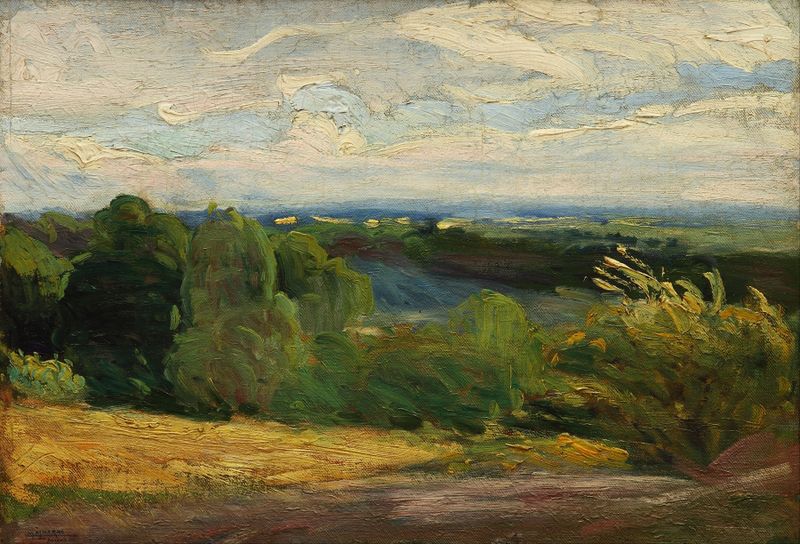
En plena naturaleza
Martín Malharro
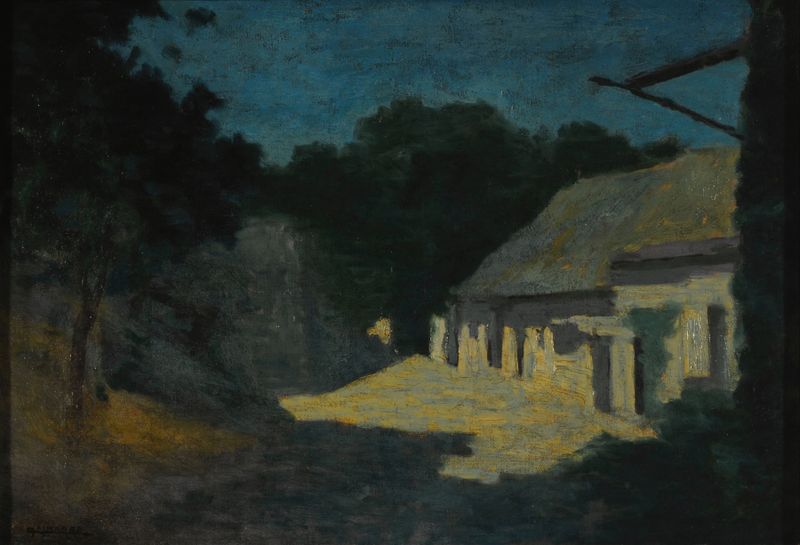
Nocturno
Martín Malharro

Un rincón de Belgrano
Martín Malharro

En plena naturaleza
Martín Malharro

Paisaje
Martín Malharro

Nocturno
Martín Malharro

El arado
Martín Malharro
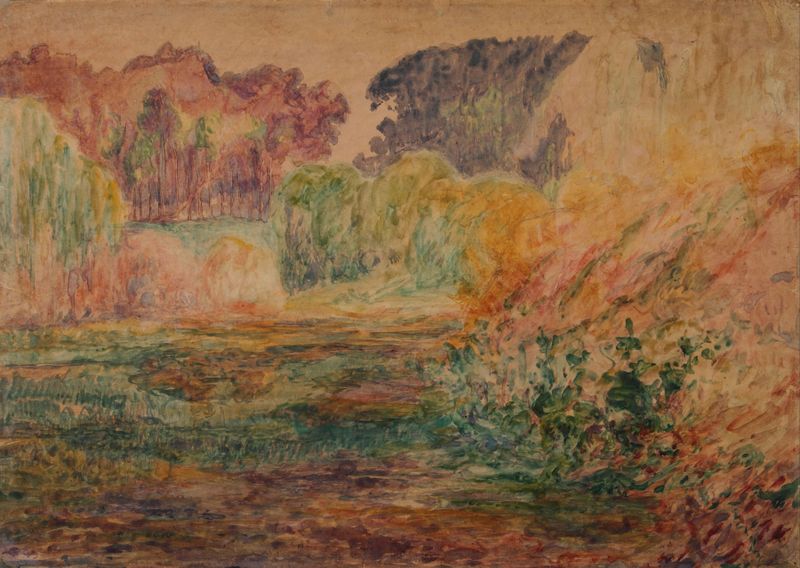
Paisaje
Martín Malharro





