
El arado — History & Facts
Can paint confess what words never could? In El arado, the brushstrokes seem to whisper the stories of toil, sacrifice, and the weight of loss that lingers in the air. Look to the center of the canvas, where a farmer grips the plow, his figure strong yet wearied, embodying the struggle against both land and fate. The earth beneath him is rendered in rich, earthy tones, contrasting with the vivid blues of the sky that encircle him, as if offering solace. Notice how the light breaks through the clouds, illuminating the man's face, which carries the shadows of hardship yet radiates a quiet resolve.
Each stroke conveys a sense of urgency, grounding the viewer in the immediacy of labor and the unrelenting passage of time. Delve deeper into the painting's layers, and you'll uncover the nuances of emotional tension. The man's furrowed brow hints at unspoken grief—perhaps for a lost family member or an unfulfilled dream. The plow serves as a metaphor for both cultivation and destruction, illustrating how life and death are intertwined in the cycle of existence.
In the background, the expansive landscape stretches far beyond the horizon, emphasizing solitude and the immeasurable weight of personal histories writ large across the fields. In 1901, Martín Malharro painted this piece amidst a burgeoning movement toward modernism in Argentina, a time marked by both individual introspection and societal change. He was grappling with both the influences of European art and the rich narratives of his homeland, reflecting a world on the cusp of transformation. This work encapsulates not only his artistic evolution but also the collective consciousness of a people connected to their land and its silent stories.
More Artworks by Martín Malharro
Browse all →
Las parvas (la pampa de hoy)
Martín Malharro
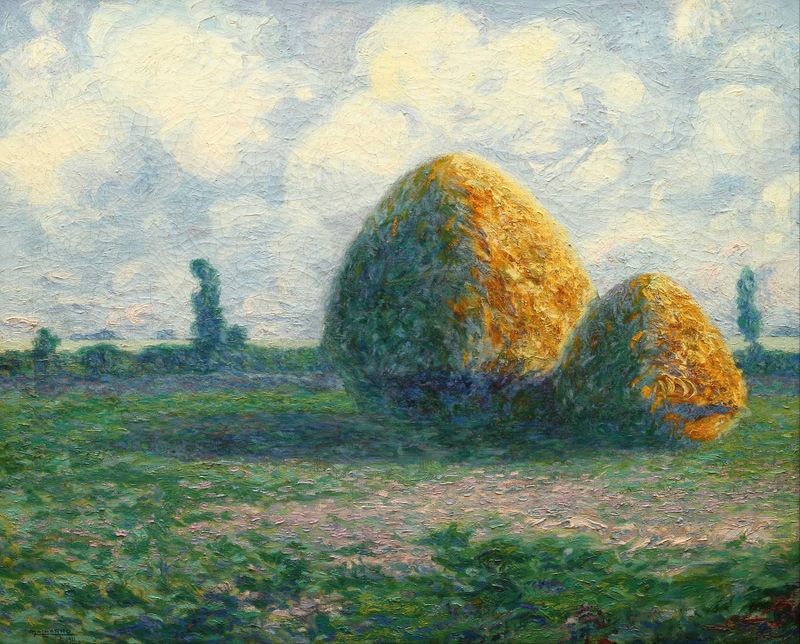
Las parvas (la pampa de hoy)
Martín Malharro
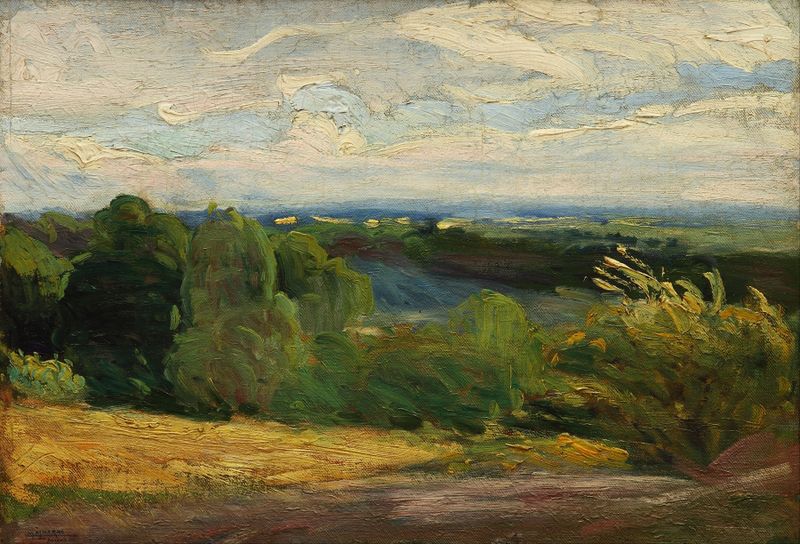
En plena naturaleza
Martín Malharro
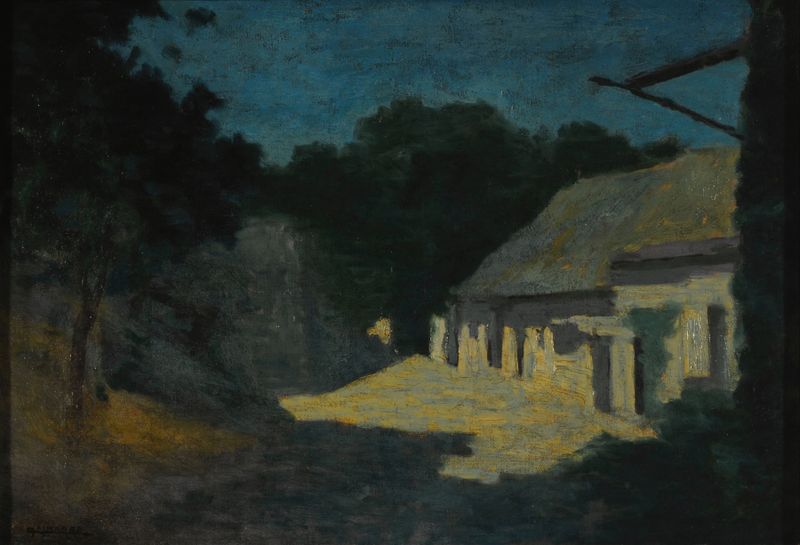
Nocturno
Martín Malharro

Un rincón de Belgrano
Martín Malharro

En plena naturaleza
Martín Malharro

Paisaje
Martín Malharro

Nocturno
Martín Malharro
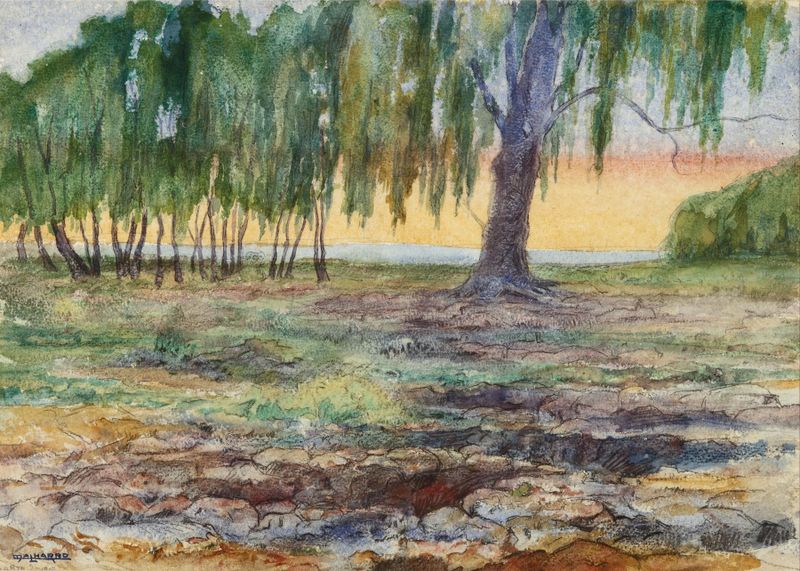
Paisaje
Martín Malharro
Paisaje
Martín Malharro





