
Lauterbrunnen (Schweiz) — History & Facts
Could a single brushstroke hold eternity? In Lauterbrunnen (Schweiz), a landscape unfurls, echoing betrayal with nature's serene beauty masking its hidden depths. Look to the bottom of the canvas where the sharp contrast between shadow and light creates a vibrant foreground. The cascading waterfalls, with their silvery threads, draw the eye upward toward the rugged peaks that dominate the skyline. Notice how the verdant valleys cradle the rushing water, while the clouds hover ominously, their soft white forms juxtaposed against the jagged mountains.
Compton’s deft use of color imparts a sense of realism, while the brushwork captures the pulse of a natural world in flux, evoking both awe and trepidation. Within this idyllic scene lies an undercurrent of tension. The tranquil valley is a facade, hinting at the relentless forces of nature that could shatter this peace at any moment. The waterfalls, while mesmerizing, suggest an unstoppable erosion—perhaps a metaphor for time itself.
The viewer might feel a sense of betrayal by the landscape; its beauty offers solace, yet the very elements that sustain it could just as easily bring destruction. In the late 19th century, Compton painted this piece while living in the Swiss Alps, a time when the Romantic movement was giving way to more introspective interpretations of nature. The artist was influenced by the natural beauty surrounding him, yet he also grappled with the rapid changes in artistic expression and the industrial era encroaching on pastoral life. Lauterbrunnen reflects not only the awe of the Swiss landscape but also the tensions of a world caught between reverence for nature and the looming advancements threatening its existence.
More Artworks by Edward Theodore Compton
Browse all →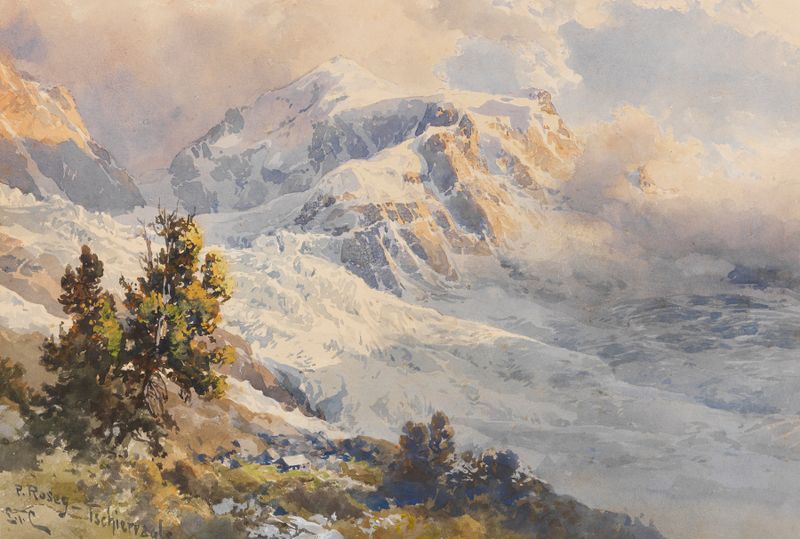
Piz Roseg – Tschiervagletscher
Edward Theodore Compton
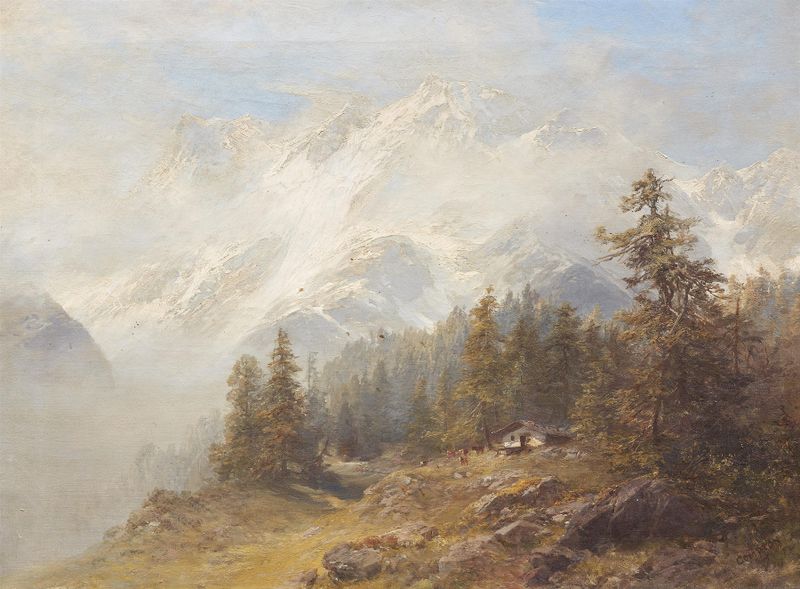
Alpenlandschaft vor schneebedecktem Massiv
Edward Theodore Compton
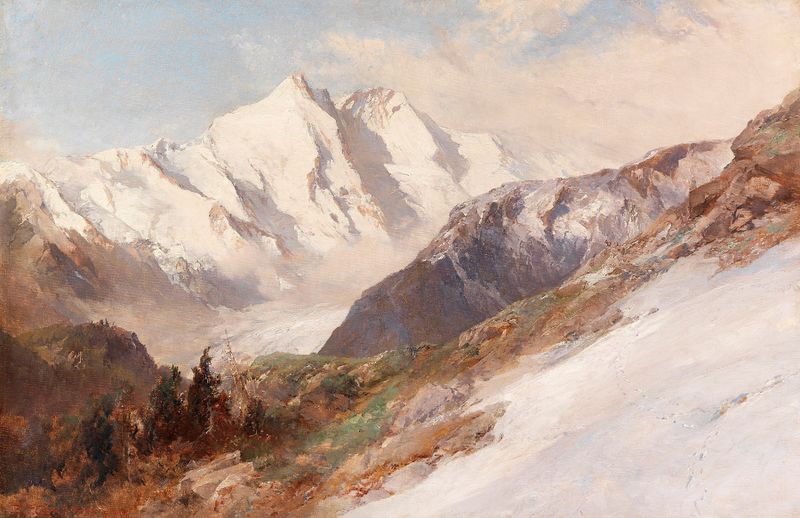
Blick auf die Nordseite des Großglockners
Edward Theodore Compton
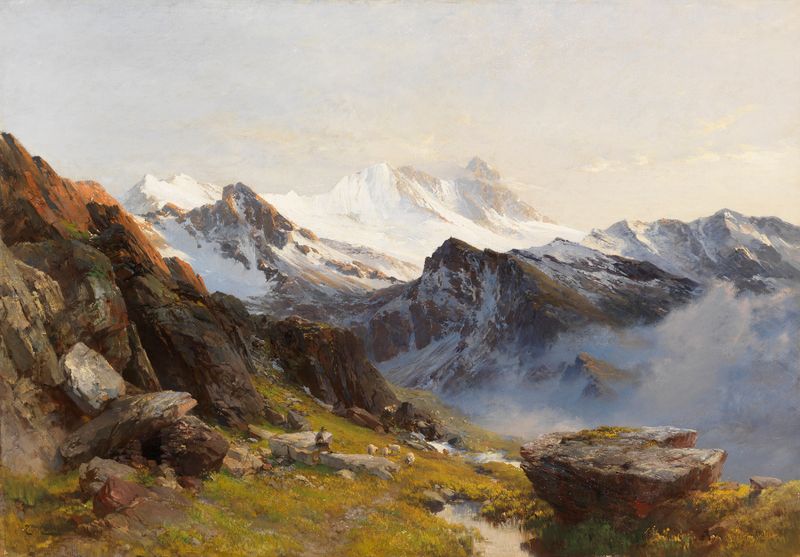
Großglockner von der Prager Hütte aus, früh
Edward Theodore Compton
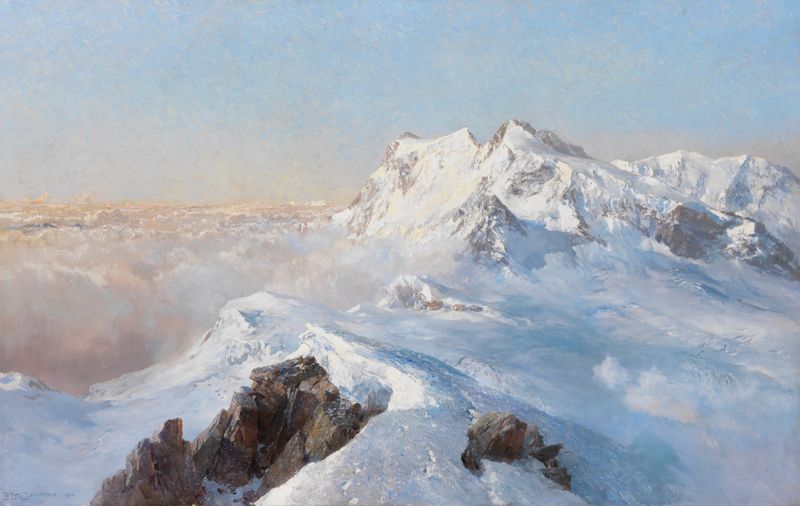
Über dem Nebelmeer (Monte Rosa vom Rimpfischhorn)
Edward Theodore Compton
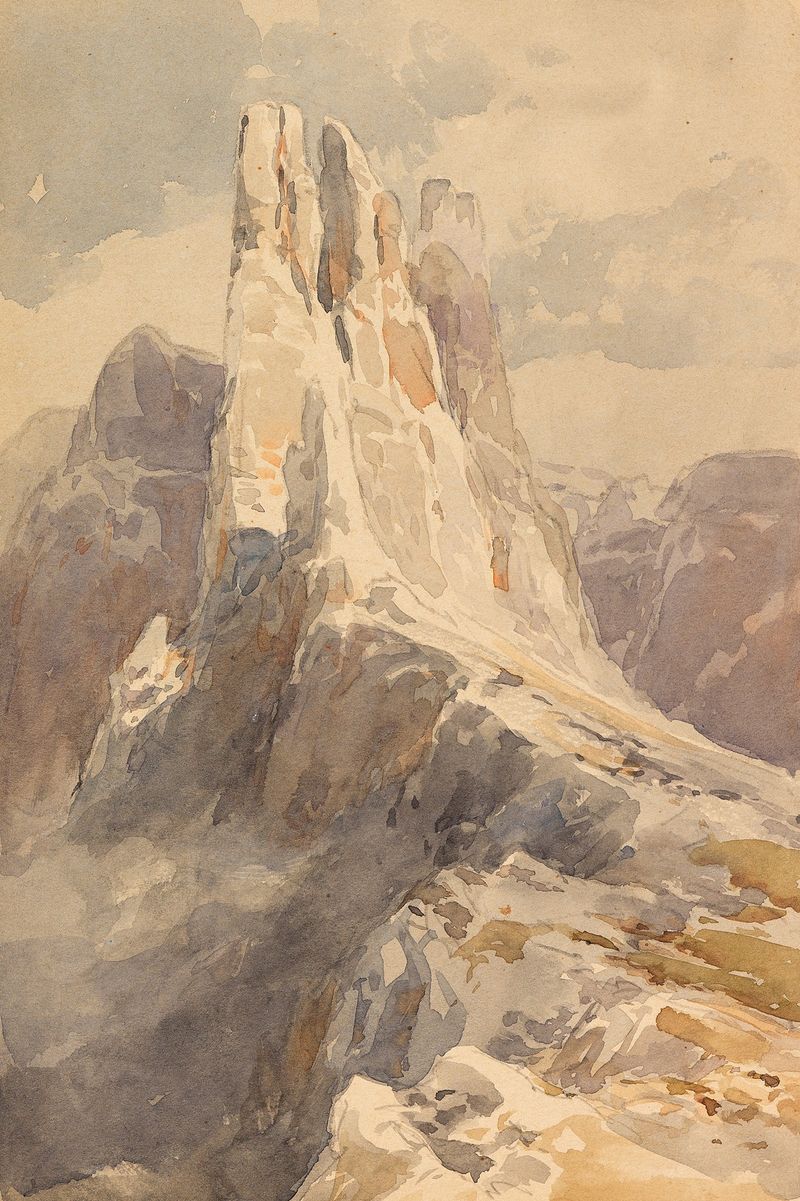
Blick auf die Vajolet-Türme in den Dolomiten
Edward Theodore Compton
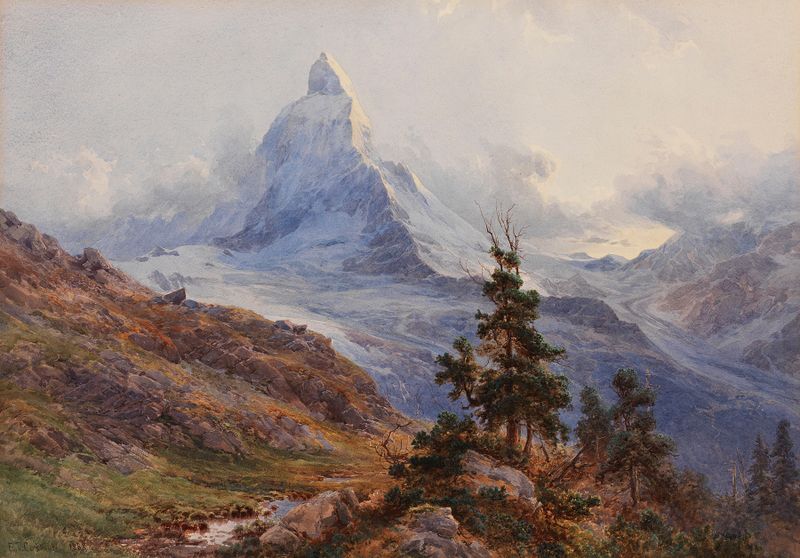
View of the Matterhorn
Edward Theodore Compton
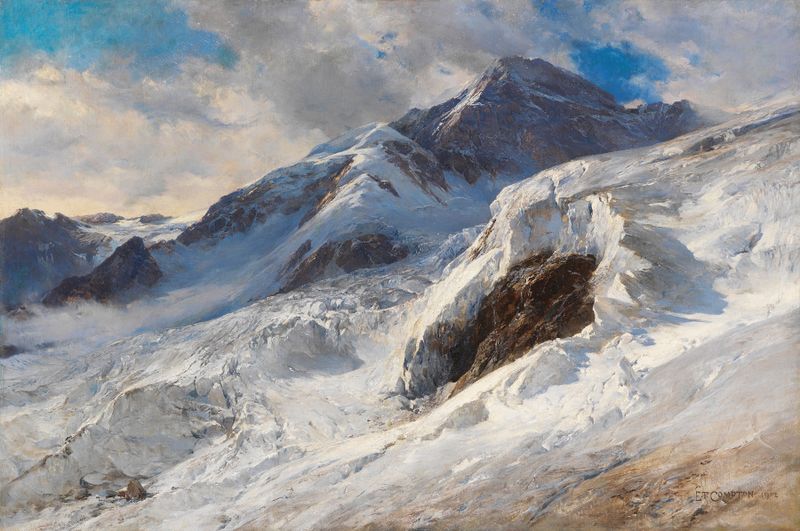
Lyskamm (Monte-Rosa)
Edward Theodore Compton
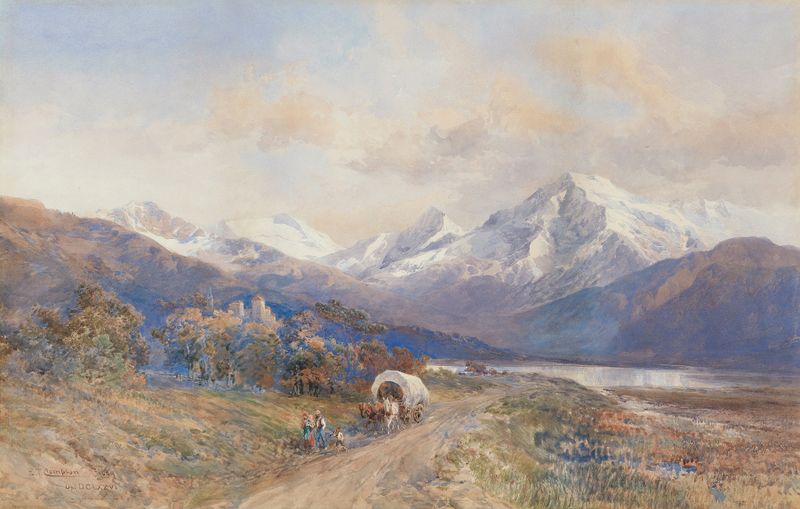
Blick auf den Ortler von St. Valentin
Edward Theodore Compton
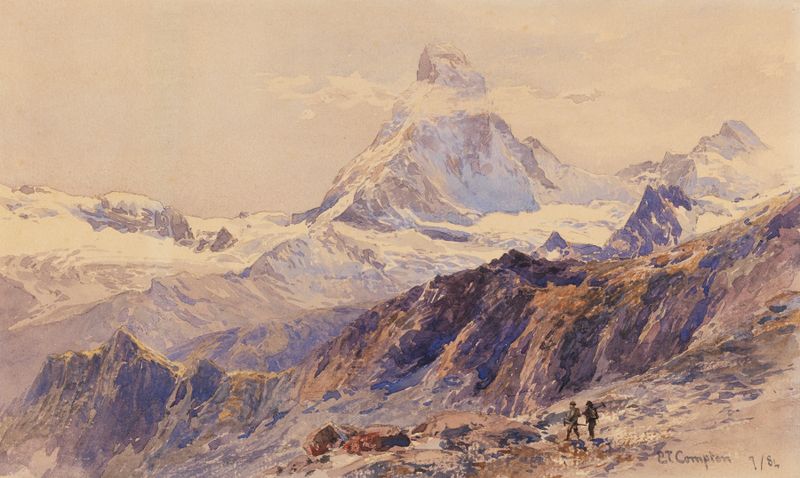
Das Matterhorn von der Triftkumme
Edward Theodore Compton





