
L’Avenue des Champs Elysées — History & Facts
What secret hides in the quiet of the canvas? The stillness of this piece invites contemplation, drawing us into a world where beauty reigns supreme, unencumbered by chaos. Focus on the gentle curve of the avenue stretching into the distance, flanked by tall trees that frame the scene with their soft, green foliage. The delicate palette of greens and browns contrasts beautifully with hints of light playing across the cobblestones, guiding the eye deeper into the alley of tranquility. Notice how the figures, mere silhouettes, blend into the background, evoking a sense of anonymity amidst the grandeur of the surroundings. Within this serene tableau, emotional tensions emerge through the interplay of light and shadow, suggesting a hidden narrative beneath the surface.
The absence of bustling crowds allows the viewer to reflect on solitude, perhaps hinting at the fleeting nature of joy in urban life. Each brushstroke conveys a reverence for the beauty of the everyday, encouraging us to pause and acknowledge the moments often overlooked. Painted in 1890, this work captures a pivotal time in Auguste Louis Lepère's career, as he transitioned into the Impressionist movement. Living in Paris, where artistic innovation was flourishing, he embraced new techniques that emphasized atmosphere and light.
At this moment, the city itself was becoming a canvas of modernity, inspiring an entire generation of artists to reflect on the changing urban landscape.
More Artworks by Auguste Louis Lepère
Browse all →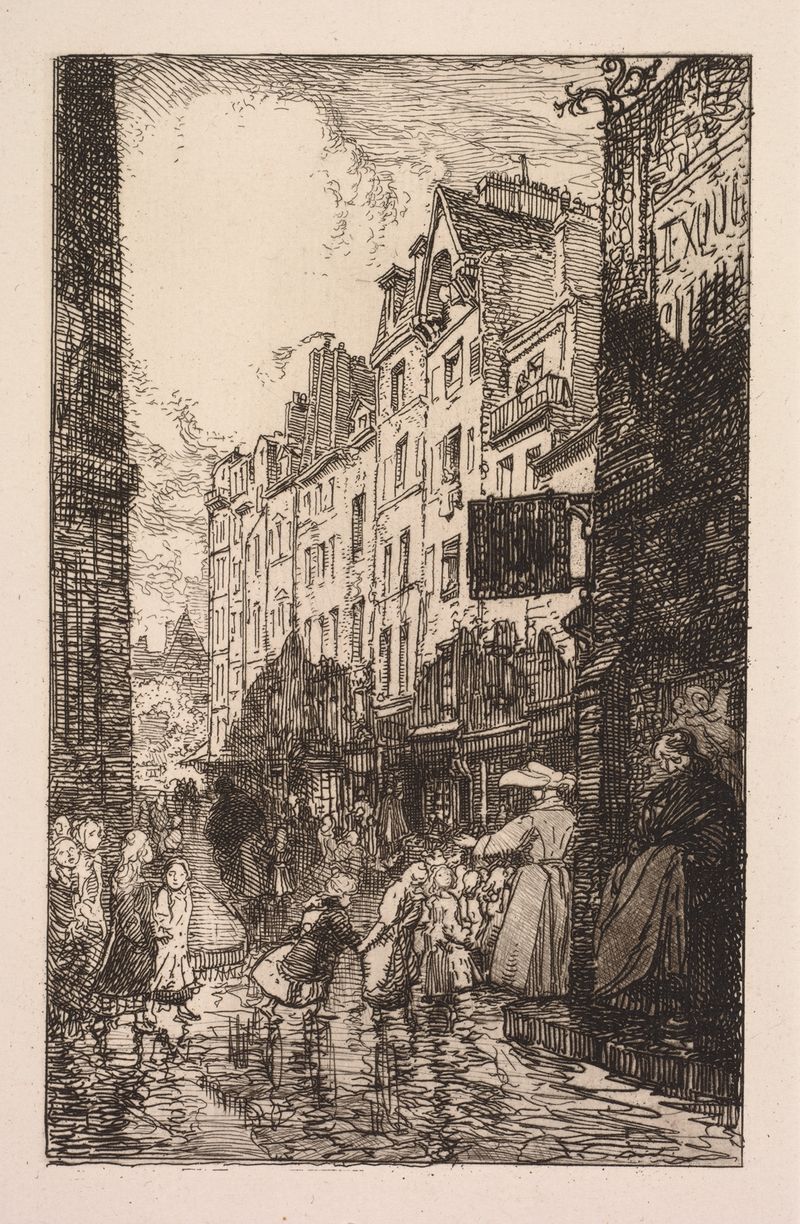
La Rue des Prêtres Saint-Séverin
Auguste Louis Lepère
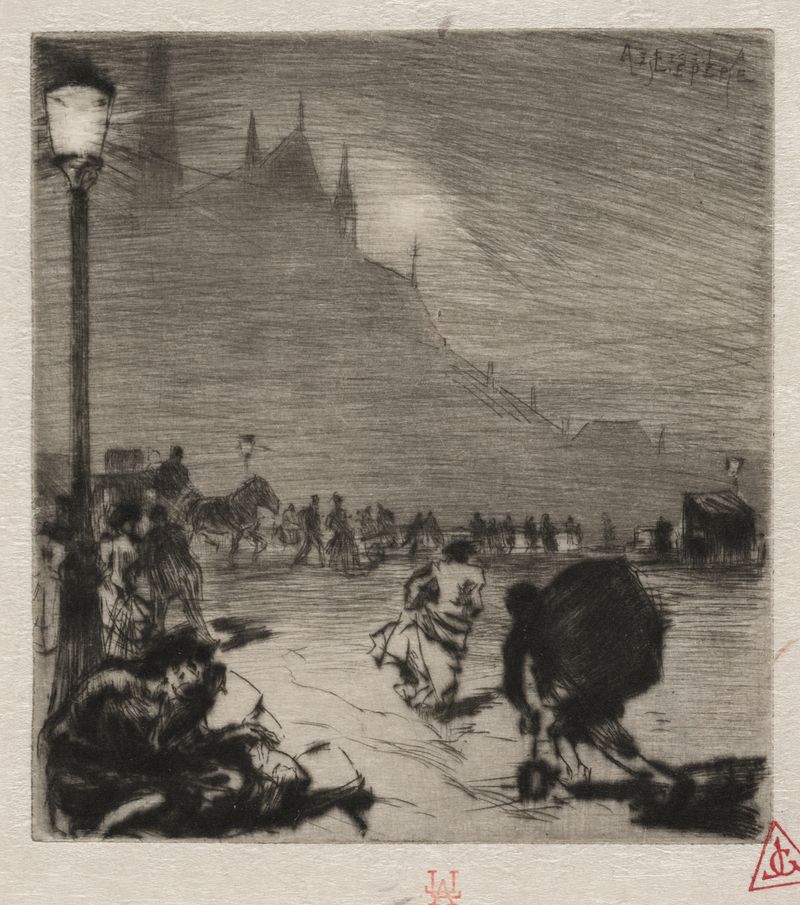
Au Coin du Pont-aux-Doubles
Auguste Louis Lepère
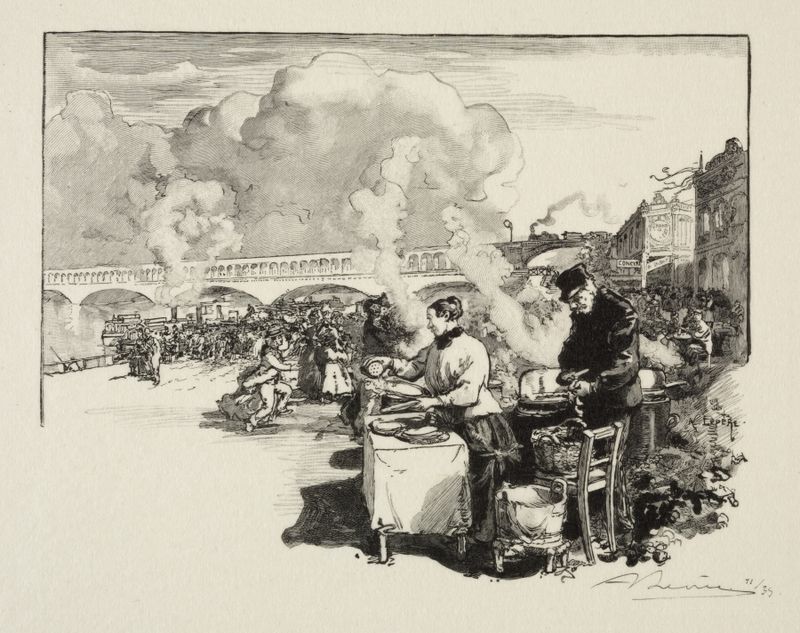
Debarcadère des bateaux-omnibus
Auguste Louis Lepère

La Seine, au quai de la Rapée
Auguste Louis Lepère
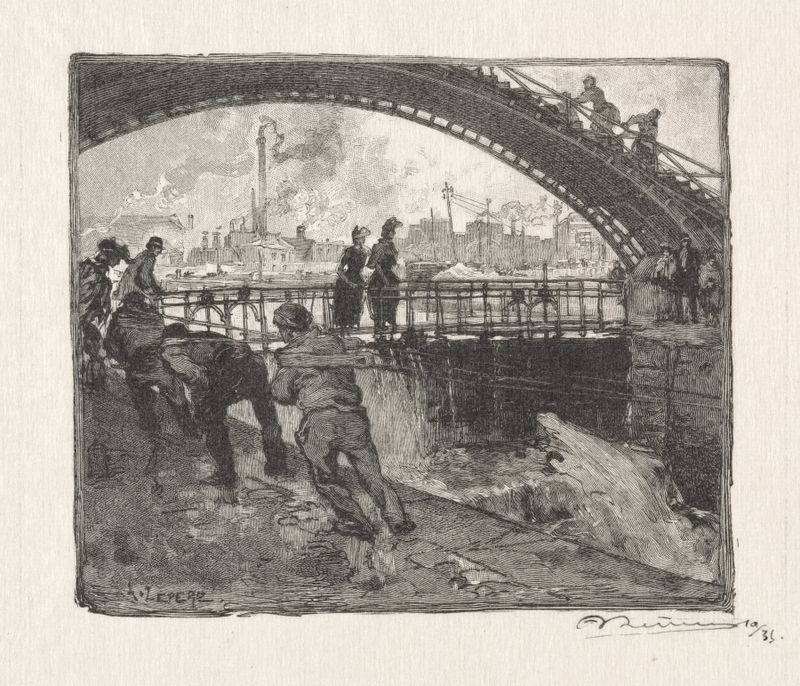
L’Ecluse du Canal St. Martin
Auguste Louis Lepère

Le Boulevard Montmartre, le Soir
Auguste Louis Lepère

Une Chasse au Mont Gérard
Auguste Louis Lepère
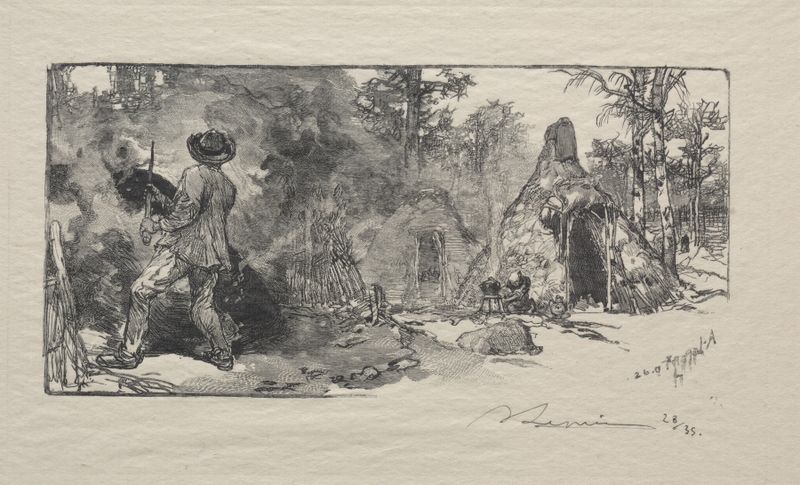
Les Charbonniere
Auguste Louis Lepère
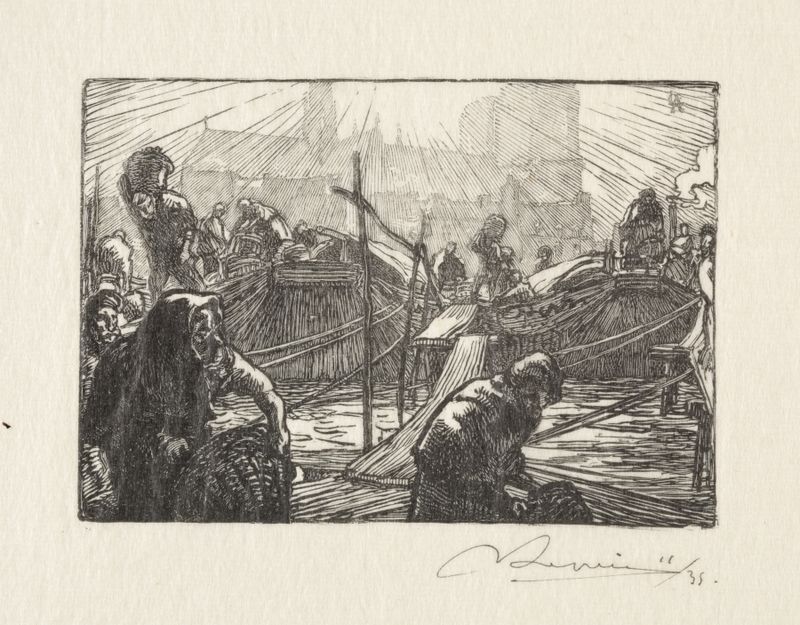
Notre Dame vue du Marché aux pommes
Auguste Louis Lepère

Le Palais des Arts Liberaux, Intèrieur
Auguste Louis Lepère





