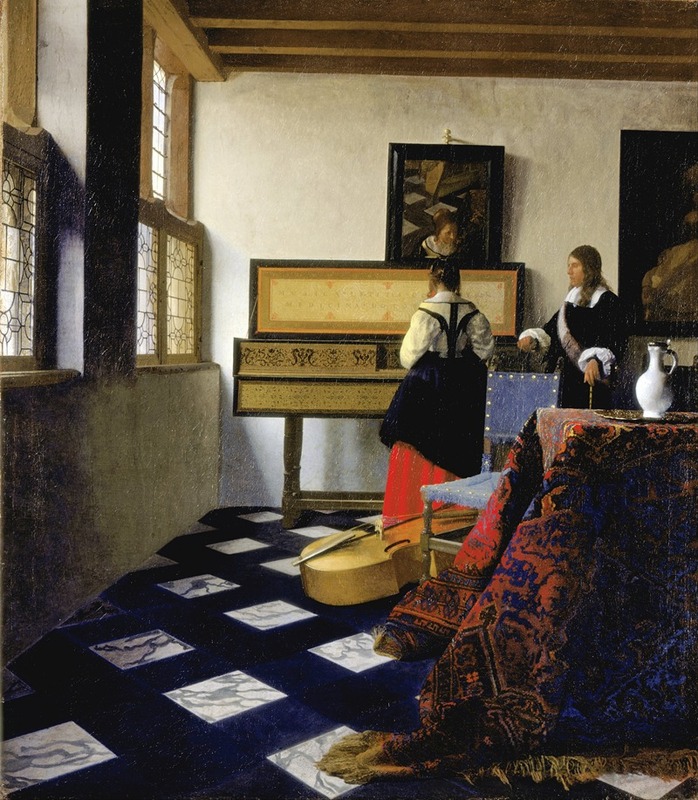
Le Banc Rose — History & Facts
What secret hides in the quiet of the canvas? In the hushed space of Le Banc Rose, fragility breathes, inviting us to explore the delicate interplay of intimacy and isolation. Look to the left at the pale pink bench that cradles the figures, its soft hue seamlessly blending with the muted, earthy tones surrounding it. Notice how the fabric patterns of the seated woman echo the wallpaper, creating a sense of unity and confinement. The gentle brushstrokes reveal a texture that feels tangible, almost as if one could reach out and touch the fabric of her dress, adding to the intimate atmosphere Vuillard so skillfully crafts. The juxtaposition of closeness and distance is palpable; while the woman appears engaged in quiet contemplation, the subtle separation from the other elements in the room amplifies an unspoken tension.
Could it be that even within the familiar, profound isolation thrives? The dappled light filtering through the space hints at a moment of stillness, while the rich color palette stirs an emotional undercurrent, suggesting both warmth and an elusive sense of melancholy. During the late 19th century, Édouard Vuillard worked within the Post-Impressionist movement, deeply influenced by the Nabis group, which emphasized the significance of color and pattern. The painting embodies his fascination with domestic life and personal relationships. At this time, he was exploring themes of intimacy in the everyday, capturing the complexities of human connections against the backdrop of a rapidly changing world.
More Artworks by Édouard Vuillard
Browse all →
Le Jardin
Édouard Vuillard
Le Balai dans la cour, 346 rue Saint-Honoré
Édouard Vuillard

Place Vintimille
Édouard Vuillard
À Table
Édouard Vuillard
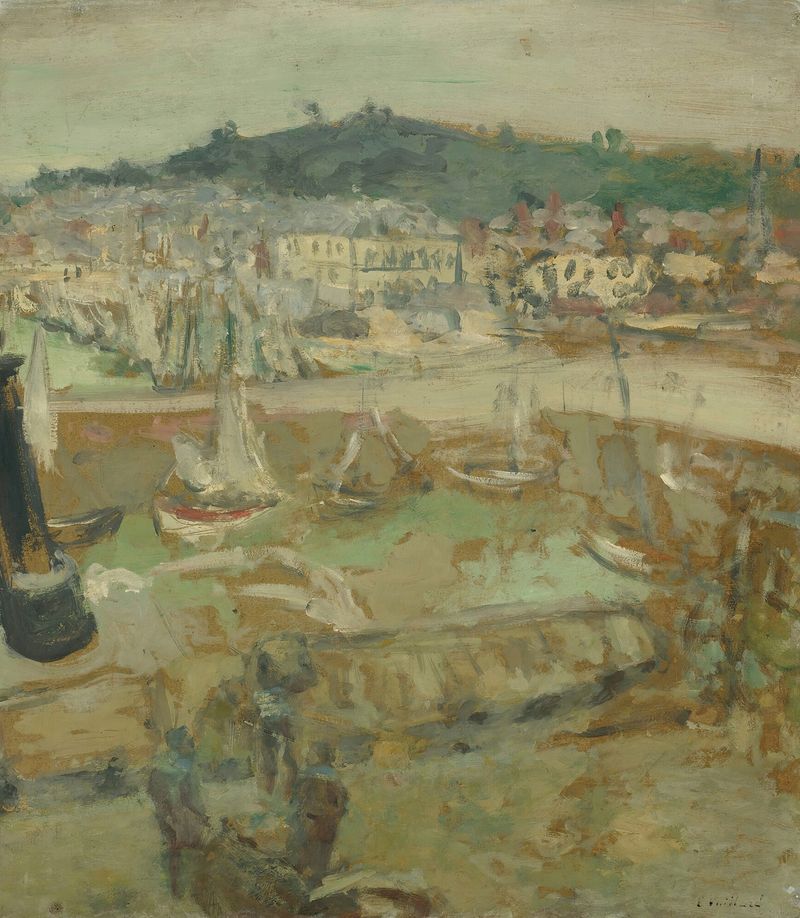
Le Petit Port, Honfleur
Édouard Vuillard
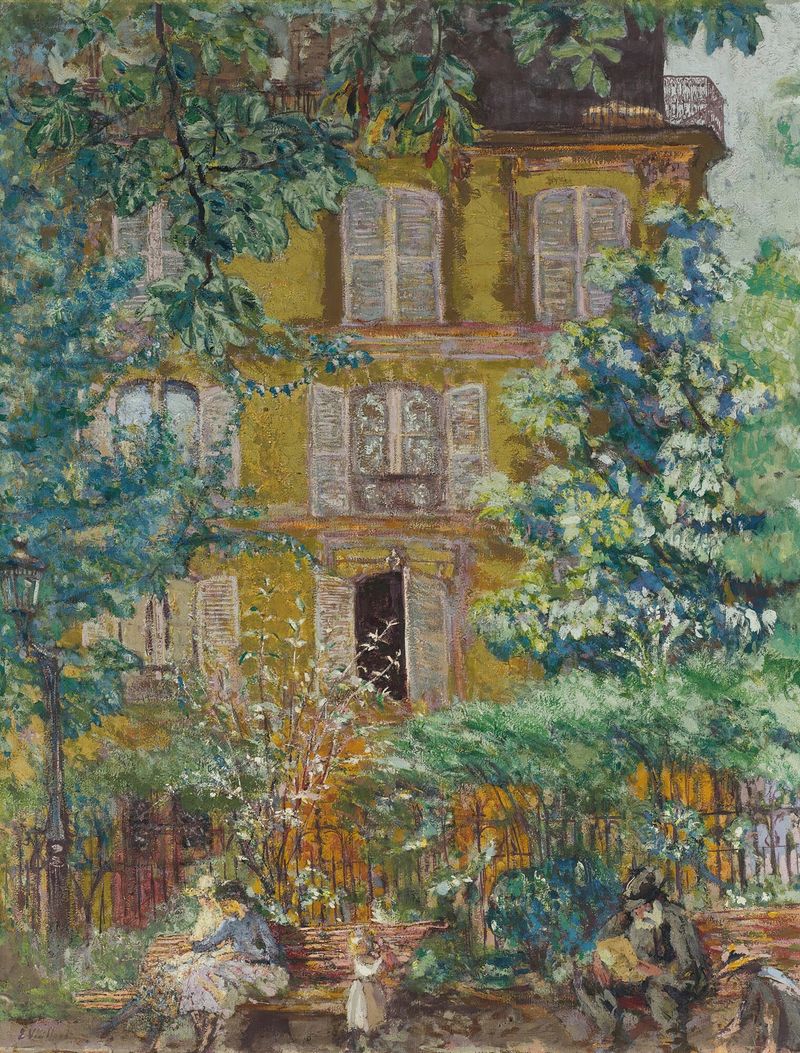
Le Square
Édouard Vuillard

Les Toits Mauves
Édouard Vuillard
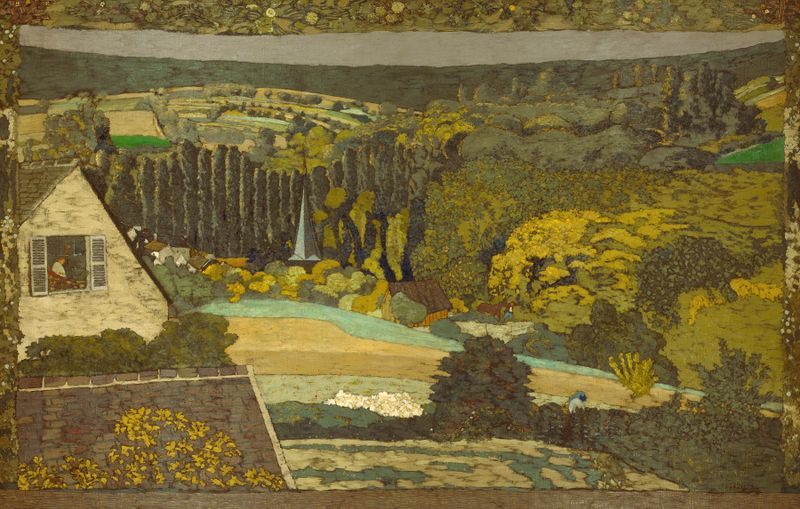
Landscape; Window Overlooking the Woods
Édouard Vuillard
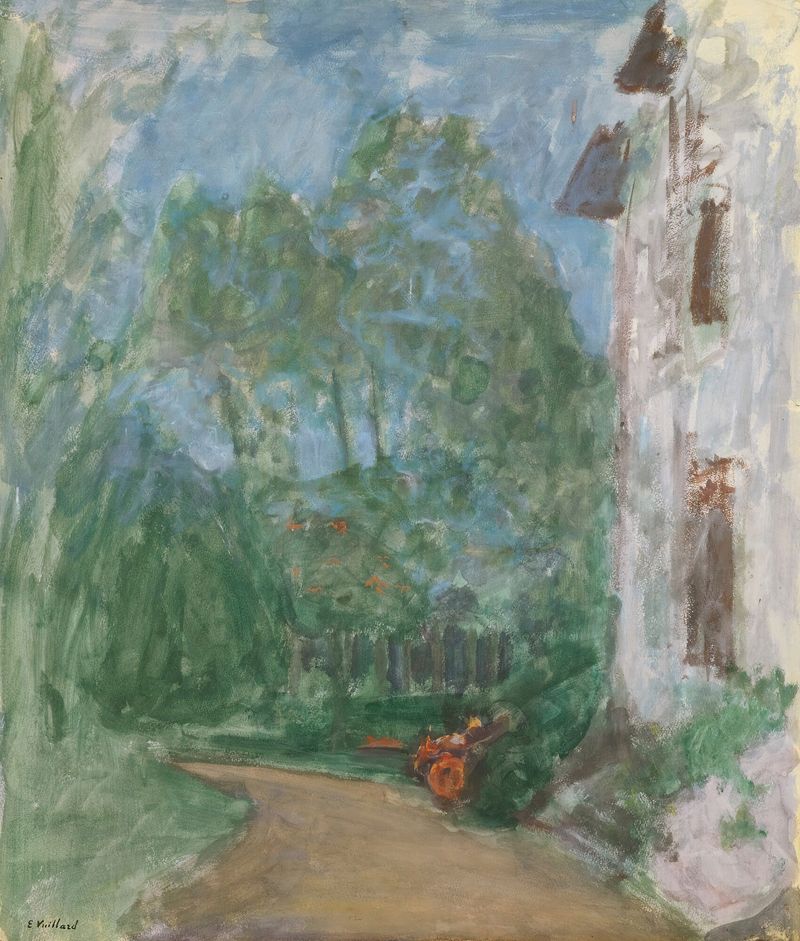
Le Chemin Devant La Maison
Édouard Vuillard

La Grève
Édouard Vuillard