Discover insights about this artwork
Le bassin aux nymphéas — History & Facts
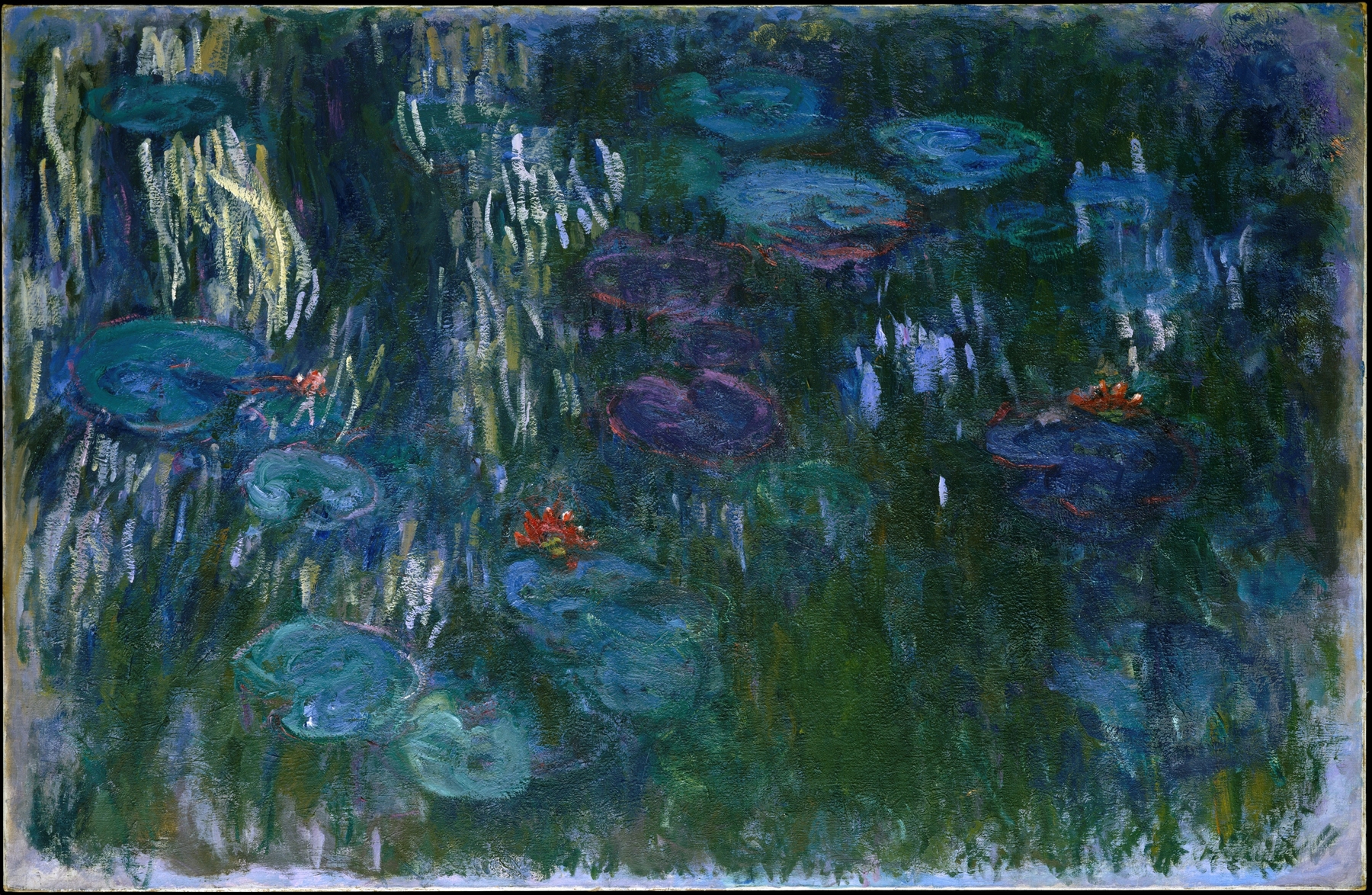
In Le bassin aux nymphéas, Claude Monet presents a tranquil scene filled with lush water lilies floating on a serene pond. The colors are vibrant, with various shades of green and blue dominating the canvas. Dappled sunlight filters through the leaves, creating a play of light and shadow on the water's surface.
The overall composition invites the viewer to immerse themselves in this peaceful natural setting. The painting is executed in oil on canvas, a medium that allows for rich texture and depth. Monet's characteristic brushstrokes are visible, creating a sense of movement in the water and the surrounding foliage. The use of color is particularly notable, with Monet employing a palette that emphasizes the interplay between light and reflection.
This work is part of his series focused on water lilies, showcasing his fascination with this subject. Claude Monet was a leading figure in the Impressionism movement, known for his innovative approach to capturing light and color. Le bassin aux nymphéas is one of his later works, created during a period when he was increasingly focused on his garden at Giverny. An interesting fact about this painting is that it reflects Monet's desire to depict nature as he experienced it, rather than as a mere representation.
This work has become iconic, symbolizing the essence of Impressionism.
More Artworks by Claude Monet
Water Lilies
Claude Monet
Low Tide at Pourville, near Dieppe
Claude Monet
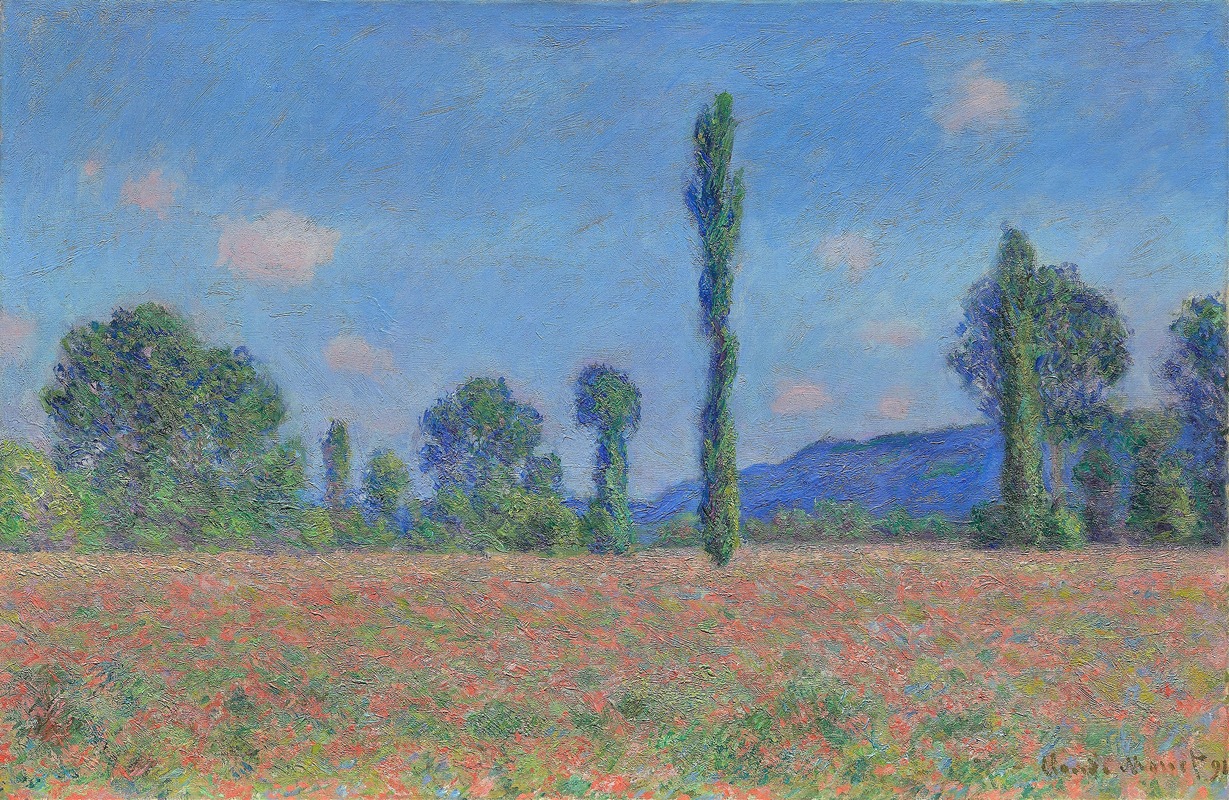
Poppy Field (Giverny)
Claude Monet
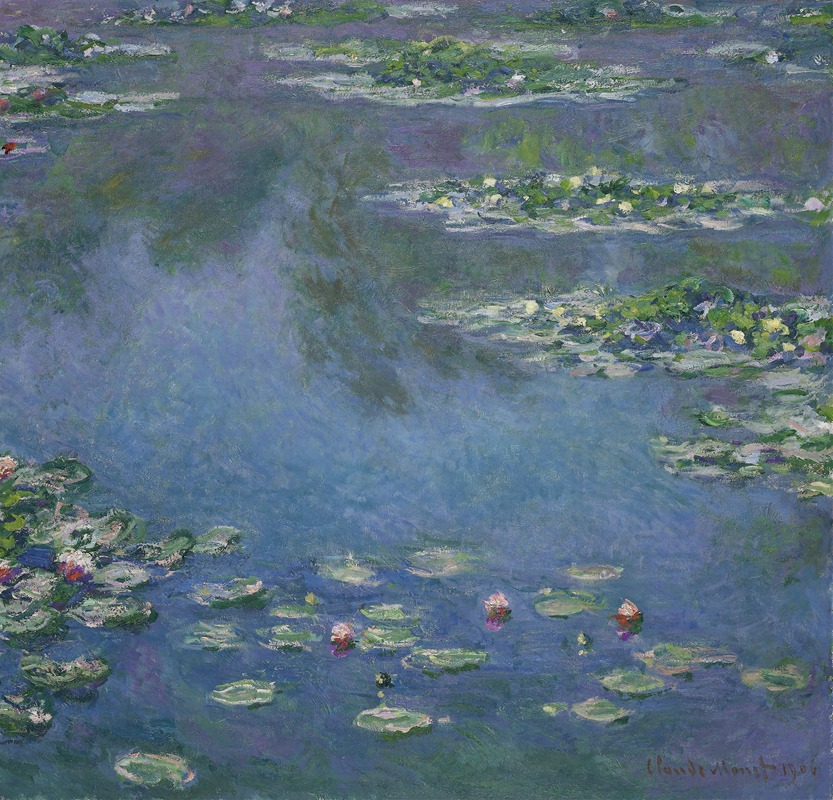
Water Lilies
Claude Monet
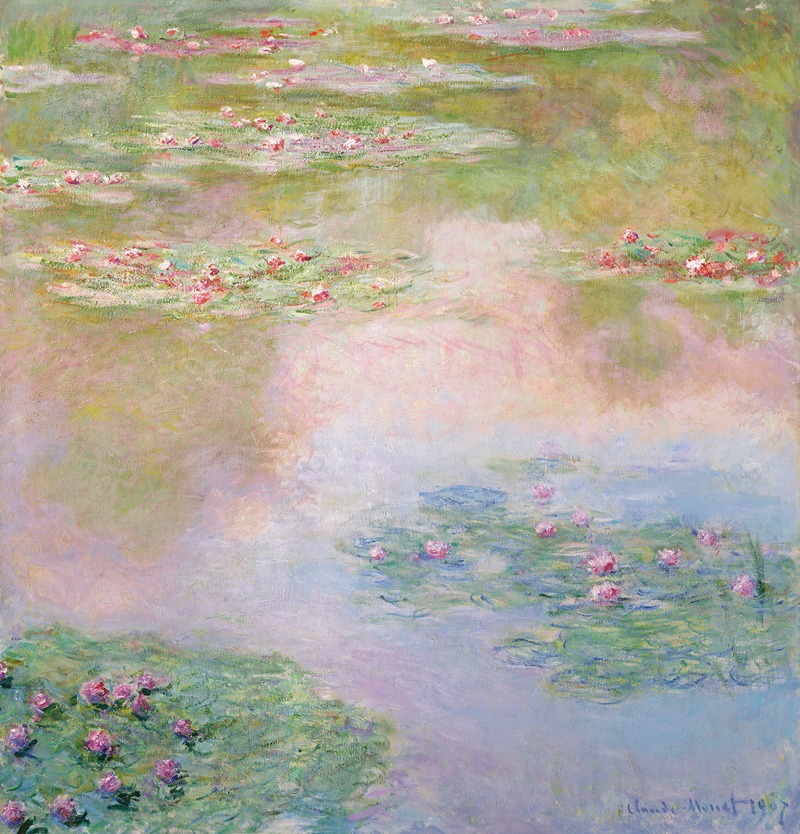
Nymphéas
Claude Monet
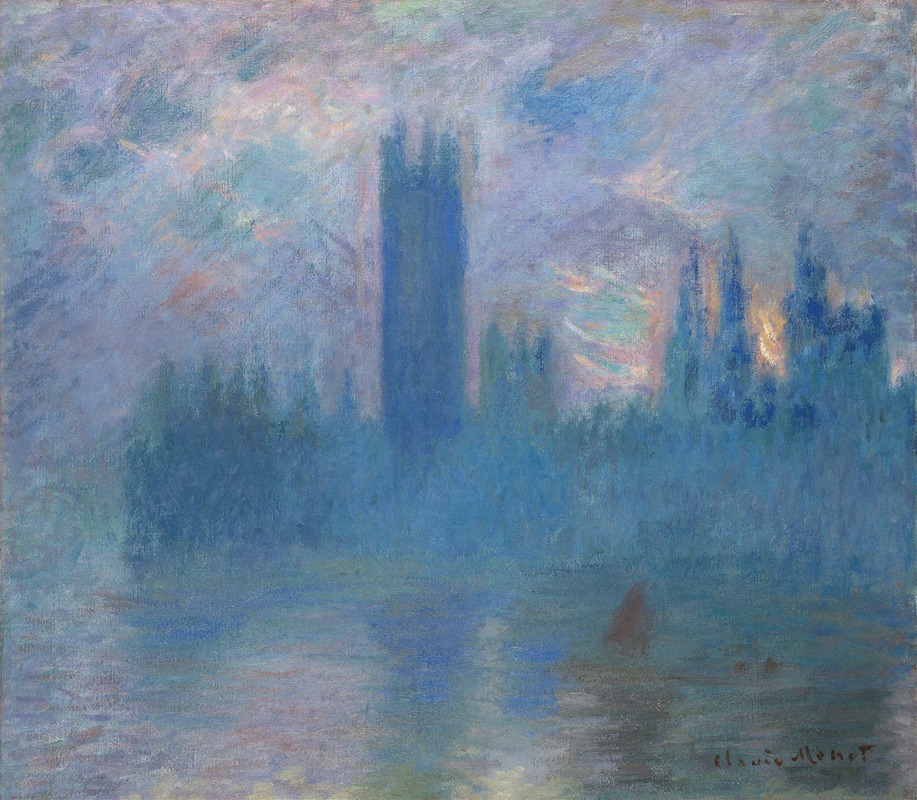
Houses of Parliament, London
Claude Monet
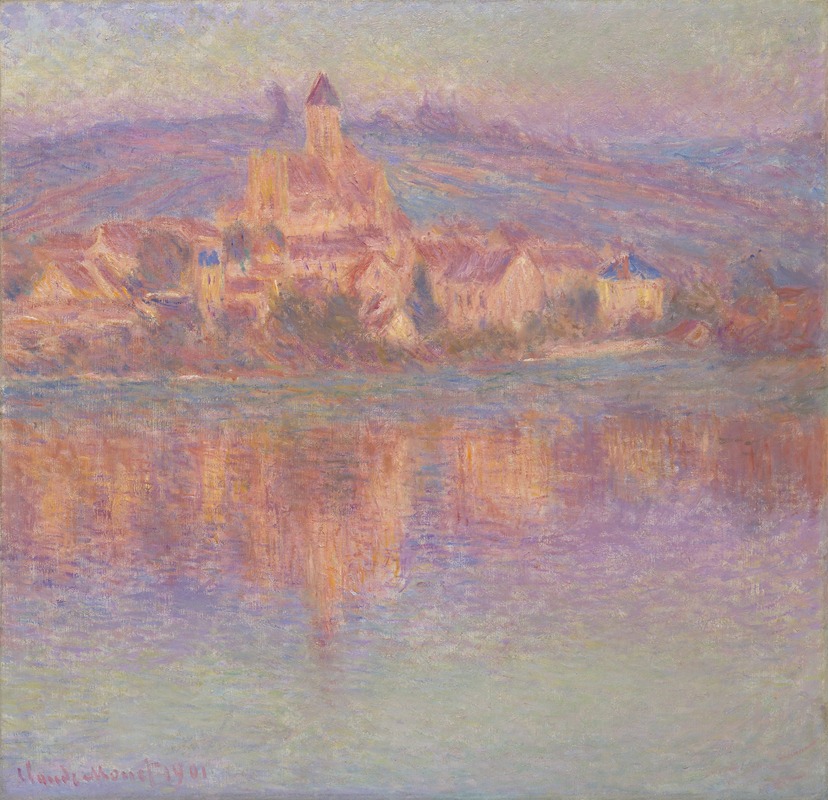
Vétheuil
Claude Monet
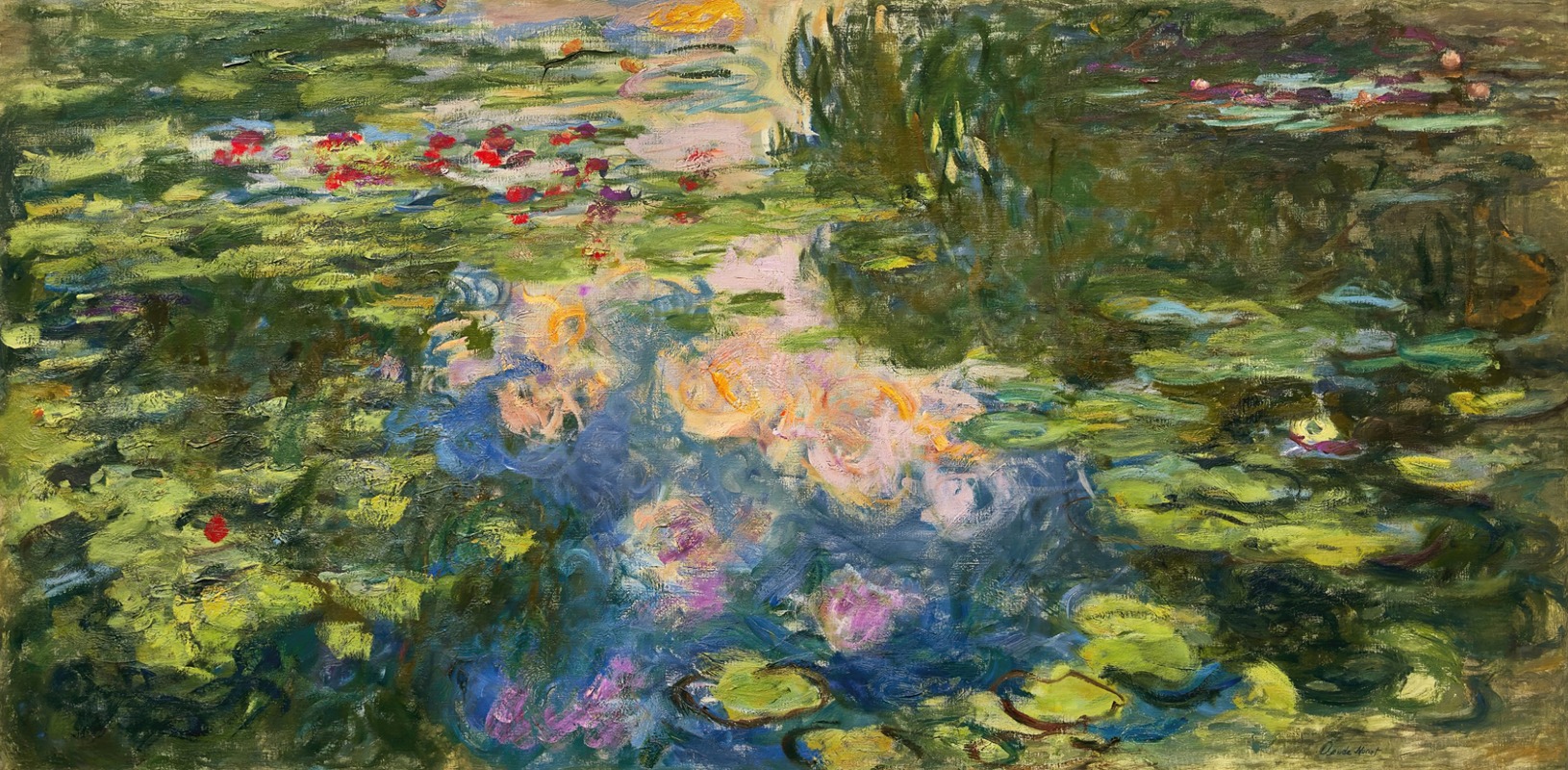
Le Bassin aux nymphéas
Claude Monet
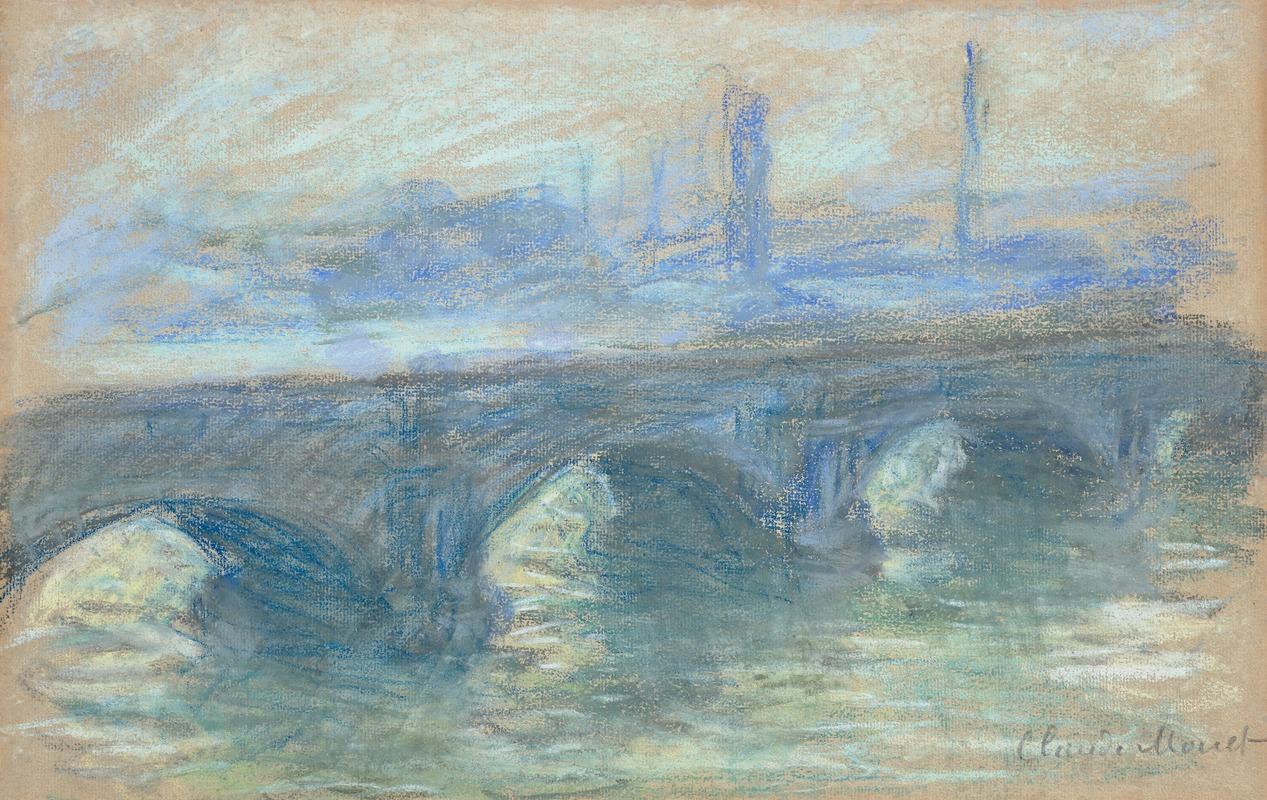
Waterloo Bridge
Claude Monet

Printemps à Giverny, effet d’après-midi
Claude Monet