Le bassin d’Argenteuil — History & Facts
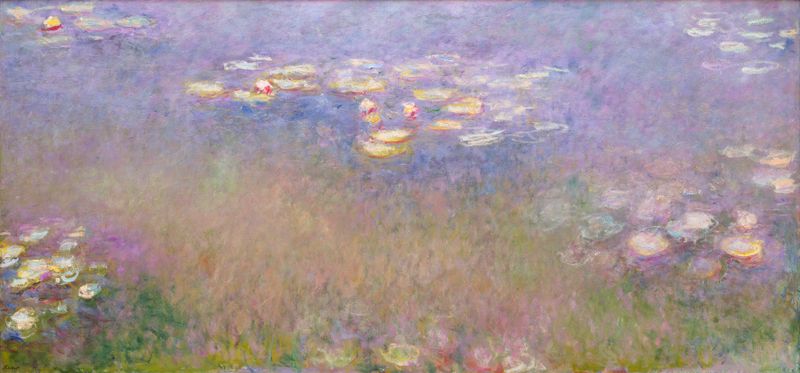
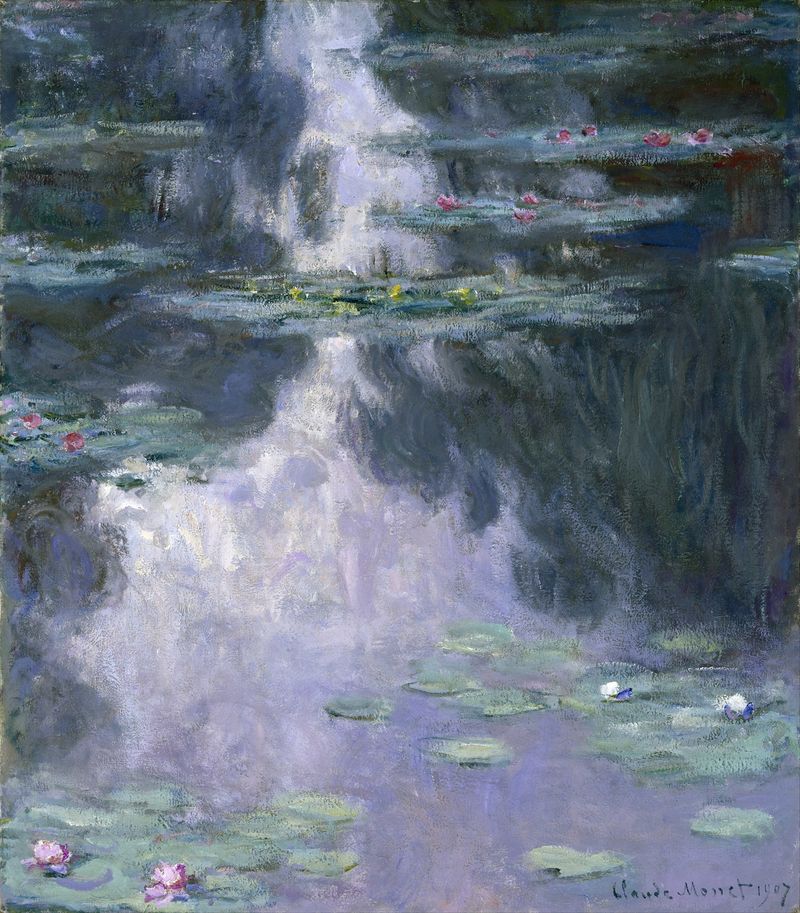
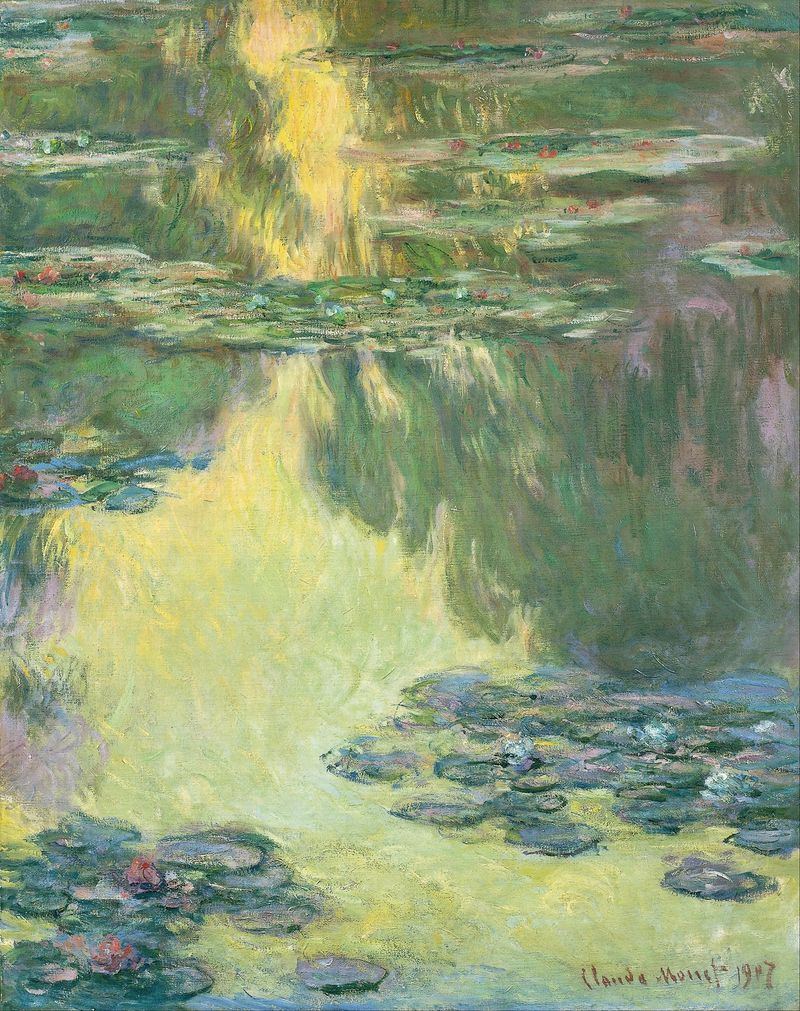
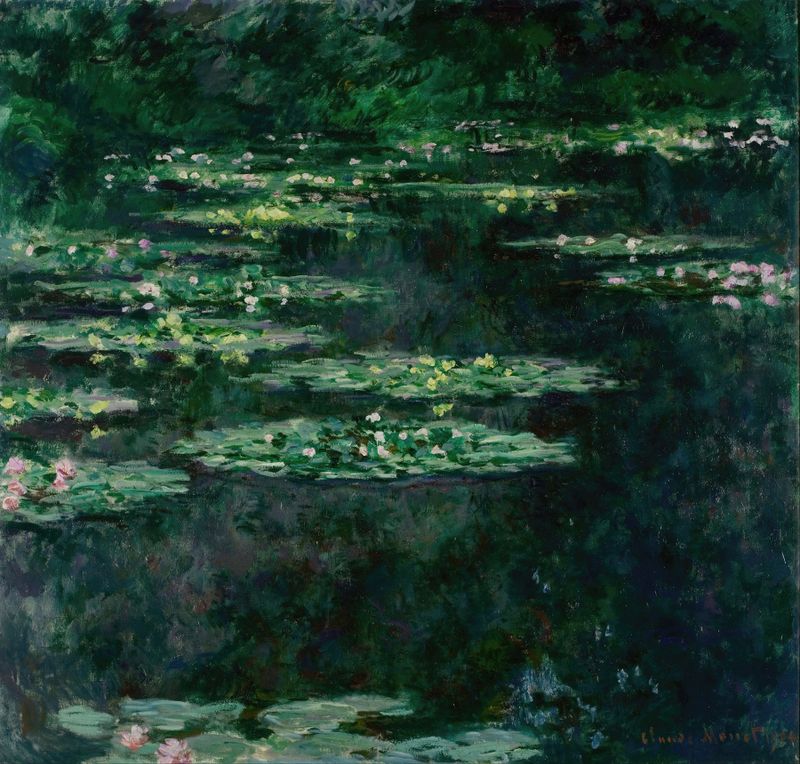
What if silence could speak through light? In Le bassin d’Argenteuil, the shimmering water becomes a melancholic reflection of fleeting moments, echoing the whispers of existence and the inevitability of mortality. Look to the left at the delicate interplay of blues and greens, where the water glistens under the dappled sunlight. Notice how the brushstrokes blend seamlessly, imparting a sense of movement that invites you to almost reach out and touch the surface. The vibrant palette, punctuated by strokes of white and soft yellows, creates a breath of life in the scene, while the distant figures in small boats suggest human presence woven into nature’s tapestry. Delve deeper into the composition and you’ll sense an emotional tension between stillness and transience.
The lilies floating serenely on the water symbolize beauty, yet their fragility serves as a reminder of life's ephemeral nature. The boats, nearly adrift, hint at the passage of time, as if they are caught between the present moment and the inevitable currents of change that bear us all towards our fate. In 1874, Monet painted this piece while living in Argenteuil, a town that was becoming an epicenter for artists seeking to capture modern life. This period marked a significant moment in the Impressionist movement, characterized by a break from traditional approaches to painting.
Monet embraced the challenges of capturing light and atmosphere, reflecting the social changes of his time and his own contemplations on existence and impermanence.