
Le Bateau Au Claire De Lune — History & Facts
Can paint confess what words never could? In Le Bateau Au Claire De Lune, a tranquil moment captured in soft hues speaks to the depths of nostalgia, inviting the viewer to a forgotten world. Look first at the serene water, where the gentle, rippling reflections of moonlight create a path of silvery shimmer. Notice how the brushstrokes blend shades of blue and gray, evoking both calmness and a hint of melancholy. The small boat, nestled in this luminous embrace, draws the eye, while the silhouetted trees frame the scene, adding a sense of enclosure as if this moment exists outside of time. Delve deeper into the details, and you’ll find a subtle tension between the tranquility of the moonlit water and the looming darkness of the surrounding landscape.
The boat, a solitary vessel, symbolizes a journey — perhaps a longing for escape, or a reflection of solitude. The soft light suggests hope, but the enveloping shadows remind us of the uncertainties that often accompany the beauty of memory. In the early 1870s, Corot was navigating the complexities of his own artistic identity, moving from the traditional to the more impressionistic. Painted during this transitional period in Ville-d'Avray, Le Bateau Au Claire De Lune resonates with his desire to capture the ephemeral effects of light and atmosphere, aligning with the burgeoning movement that would redefine art in the years to come.
More Artworks by Jean-Baptiste-Camille Corot
Browse all →
View of Genoa
Jean-Baptiste-Camille Corot
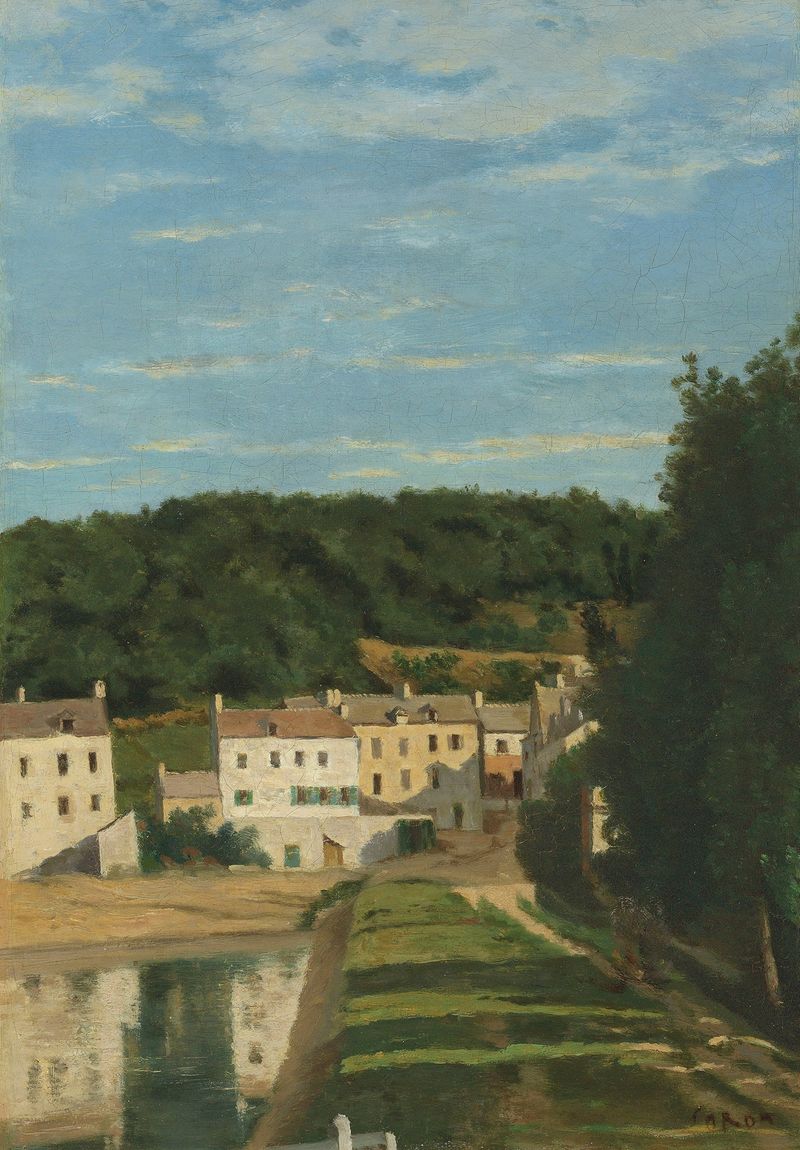
Les Maisons Cabassud À Ville D’avray
Jean-Baptiste-Camille Corot

La solitude. Souvenir de Vigen (Limousin)
Jean-Baptiste-Camille Corot
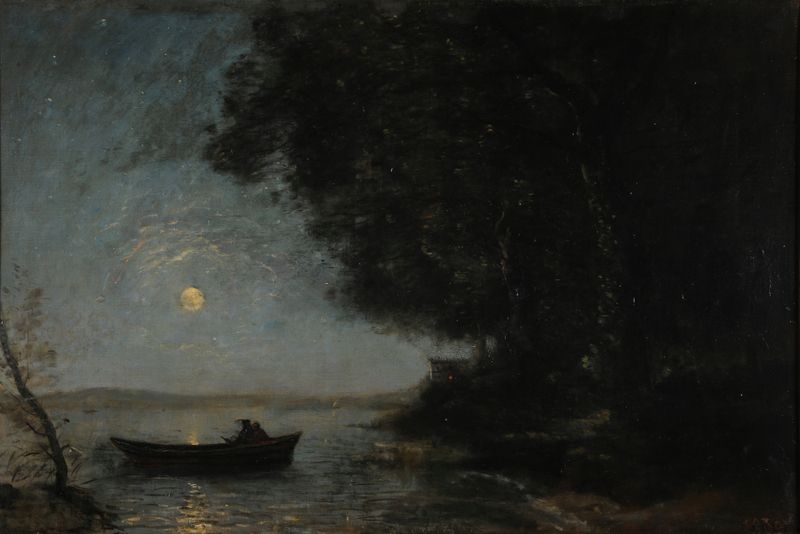
Le lac ; effet de nuit
Jean-Baptiste-Camille Corot
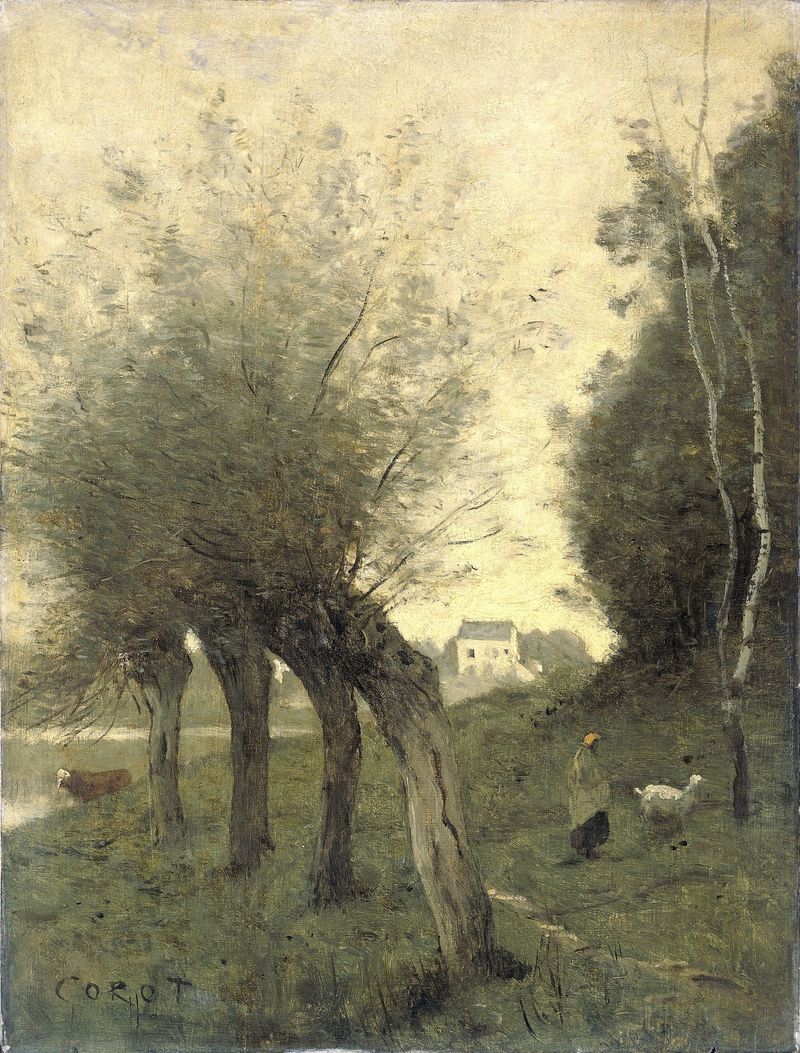
Landscape with Pollard Willows
Jean-Baptiste-Camille Corot
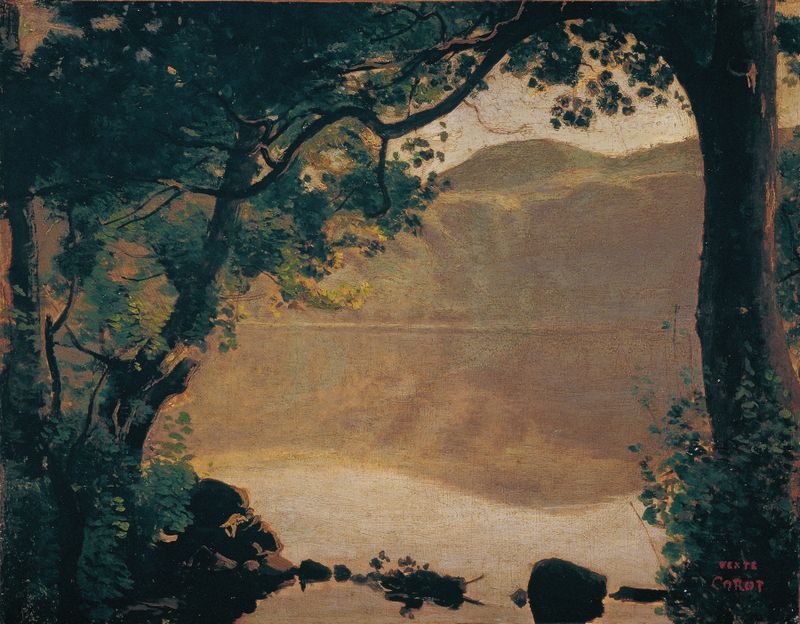
Der Nemisee
Jean-Baptiste-Camille Corot
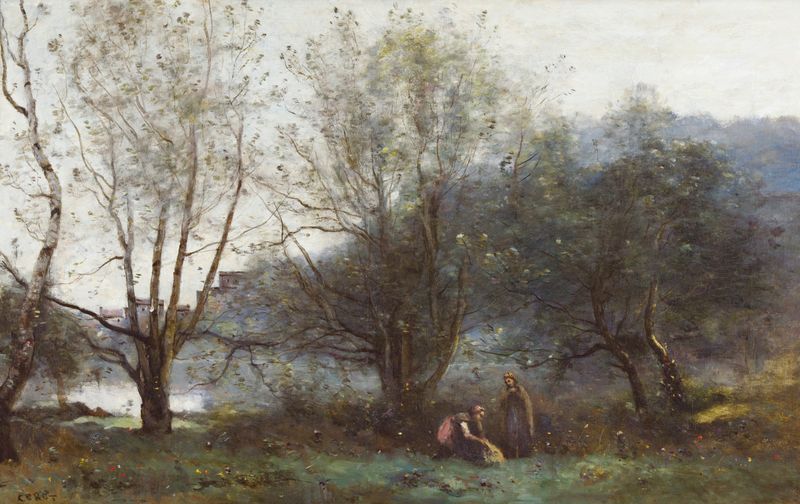
Les Étangs De Ville D’avray
Jean-Baptiste-Camille Corot
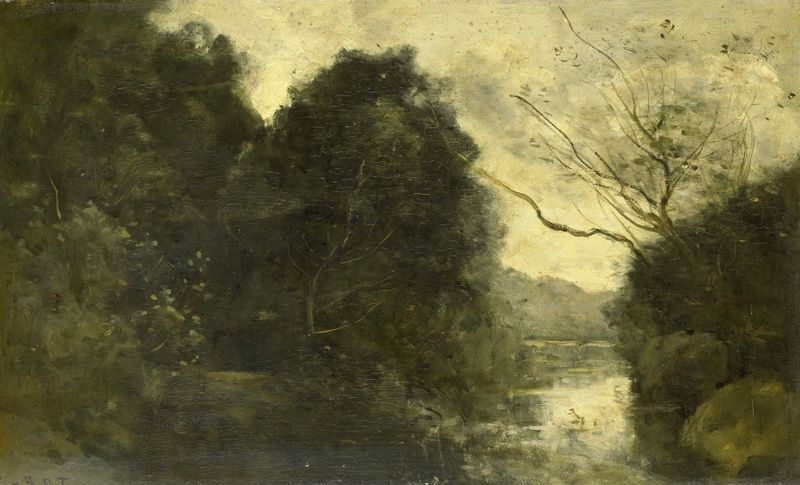
Pond in the Woods
Jean-Baptiste-Camille Corot
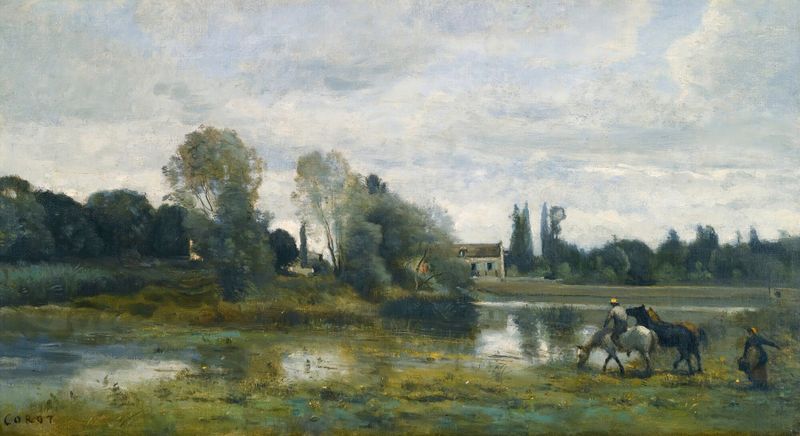
Ville D’avray; L’abreuvoir Des Chevaux
Jean-Baptiste-Camille Corot
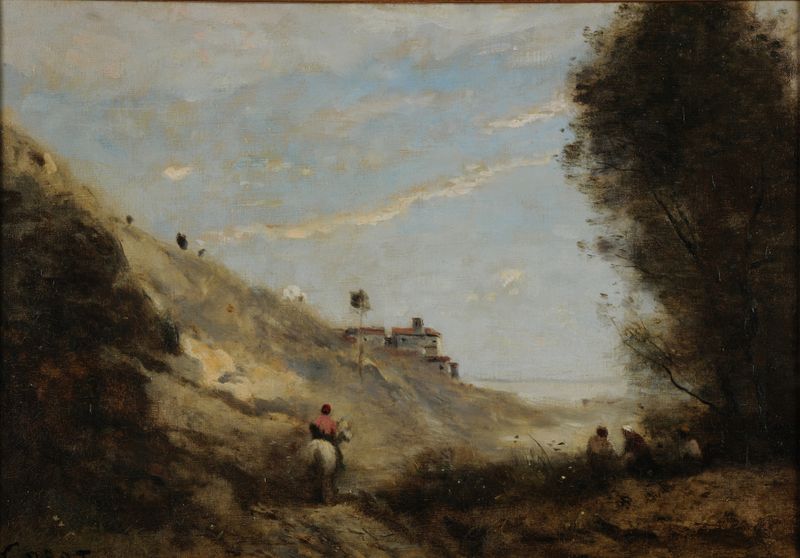
Le vallon au cavalier
Jean-Baptiste-Camille Corot





