
Le caïque — History & Facts
In Le caïque, a tranquil moment unfolds, capturing the essence of reflection and calm. As you gaze upon the scene, your thoughts drift like the gentle waves that cradle the boat, creating a dialogue between the vessel and the water. Look to the center of the canvas, where a delicate caïque floats serenely. The boat, with its elegant lines painted in muted tones, contrasts beautifully against the shimmering surface of the water.
Notice how the light dances upon the waves, each stroke of the artist's brush revealing a spectrum of blues and greens, evoking both serenity and depth. The artist’s choice of soft hues envelops the viewer in a tranquil embrace, inviting contemplation and introspection. Beyond the surface, the painting speaks to the duality of nature and humanity. The reflection of the caïque in the water is a potent metaphor for self-examination, urging the viewer to consider their own depths, desires, and dreams.
The juxtaposition of the steady boat and the fluid water creates an emotional tension, balancing stability against an ever-changing world. Here lies a reminder of the beauty found in stillness, a yearning for peace in a chaotic existence. During the late 19th century, as Le caïque was painted, Félix Ziem worked in Venice and France, amidst a flourishing art scene influenced by Impressionism and Romanticism. This period was marked by experimentation with color and light, reflecting both the natural world and the artist's inner visions.
Ziem’s experiences in these vibrant environments profoundly shaped his approach, resulting in works that evoke a sense of longing and connection to the world around him.
More Artworks by Félix Ziem
Browse all →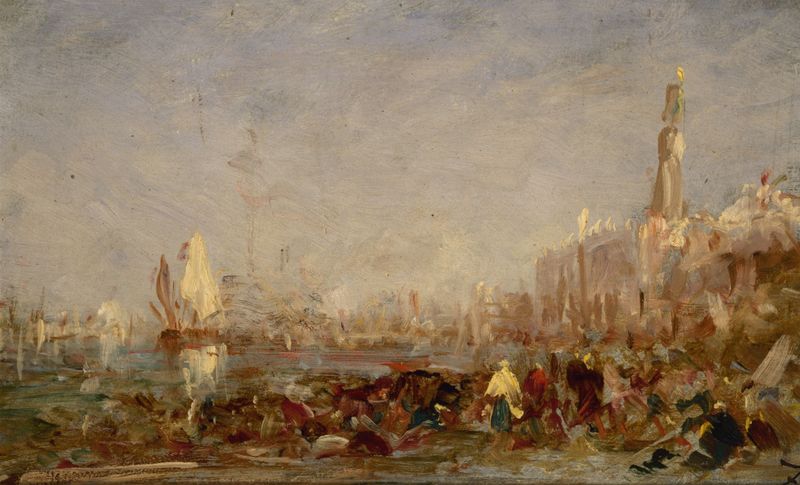
Venise
Félix Ziem
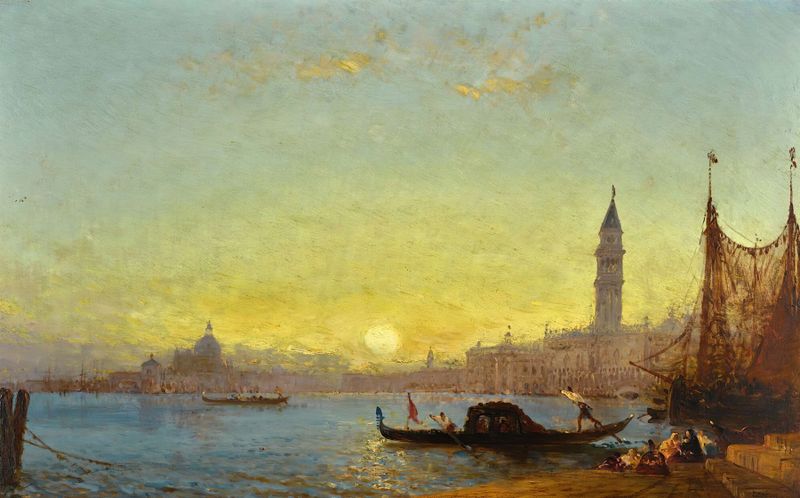
Coucher De Soleil À Venise
Félix Ziem
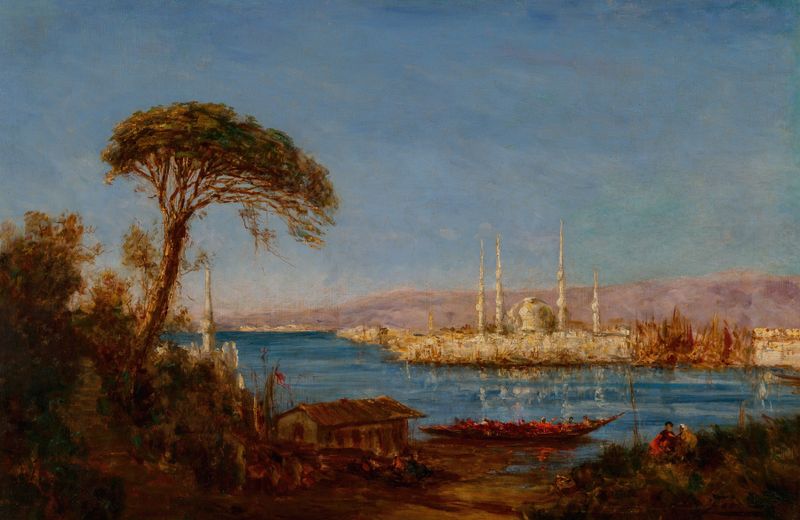
Constantinople
Félix Ziem
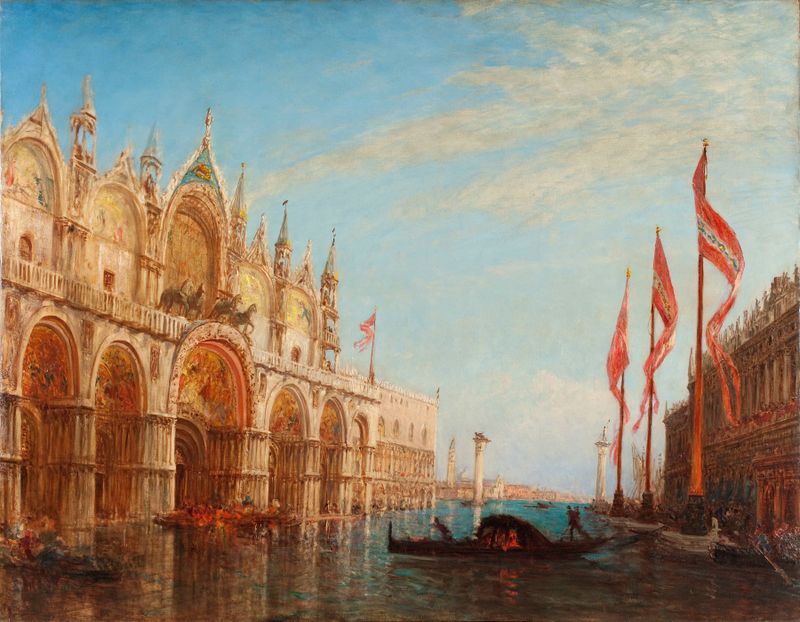
La place Saint-Marc, inondation de 1863
Félix Ziem
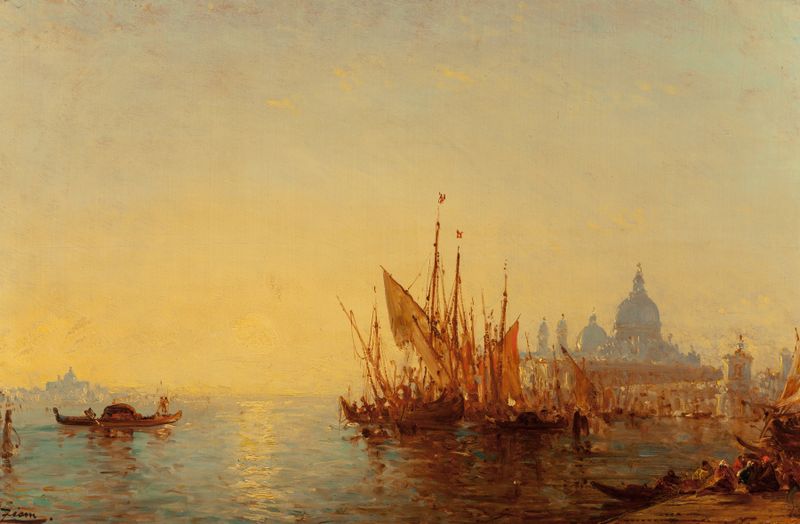
Bacino di San Marco
Félix Ziem
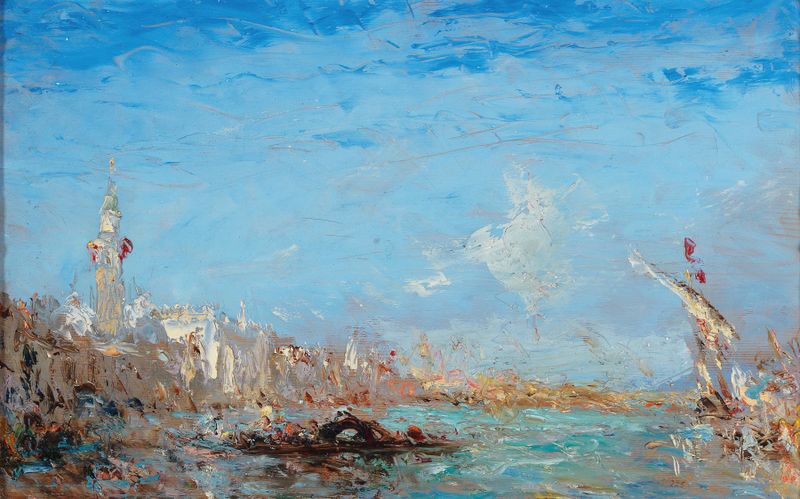
Canal Grande
Félix Ziem
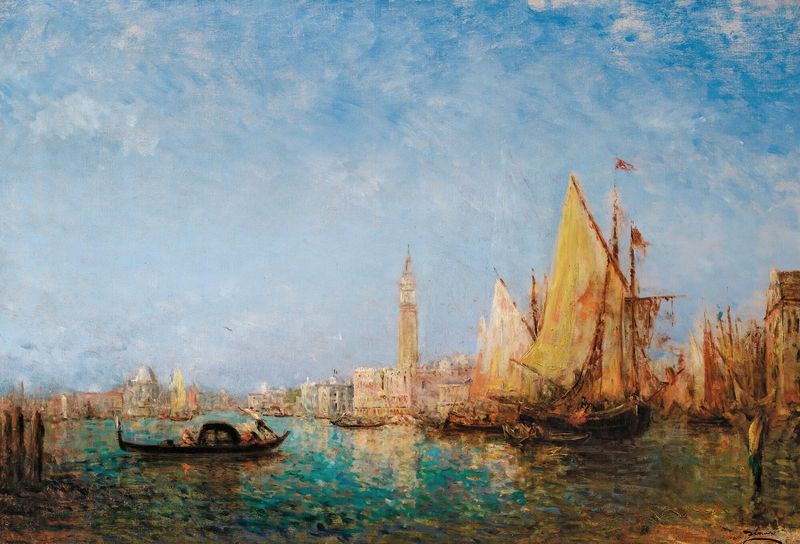
Le Palais Du Doge, Venise
Félix Ziem
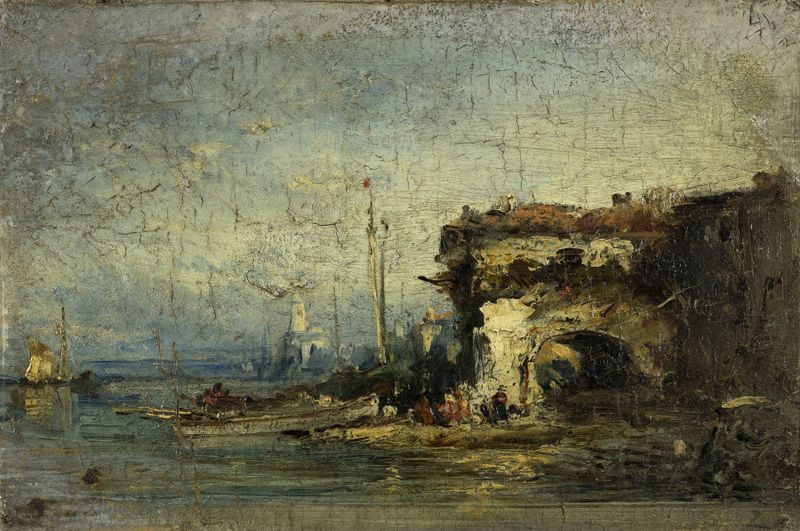
Vue d’Italie; la vieille porte
Félix Ziem
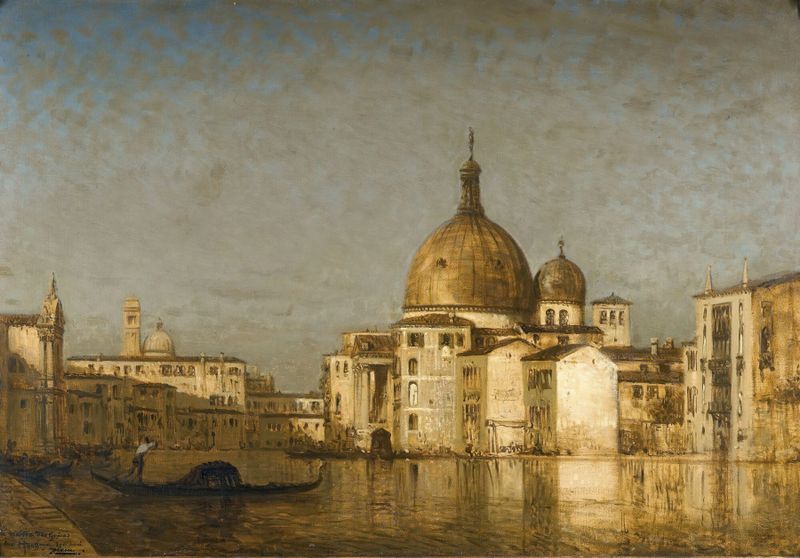
San Simeone Piccolo Au-Delà Du Grand Canal, Venis
Félix Ziem
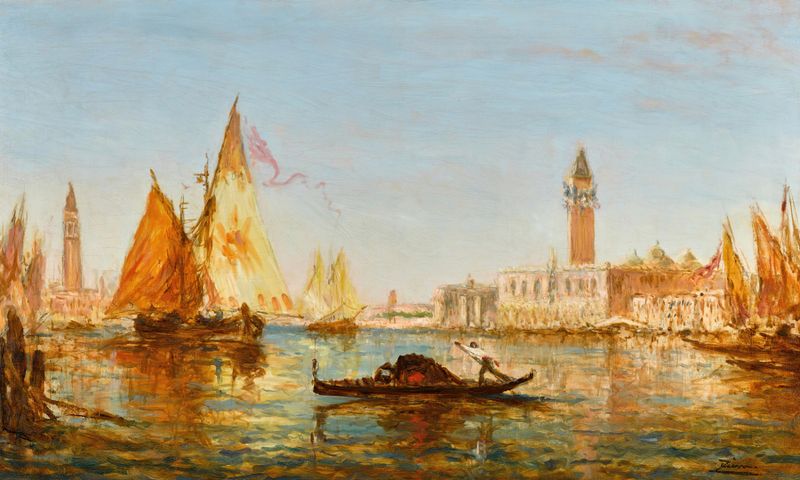
Venise, gondole et voiliers devant le Palais des doges et San Giorgio Maggiore
Félix Ziem





