Le Chemin au bord de la rivière — History & Analysis
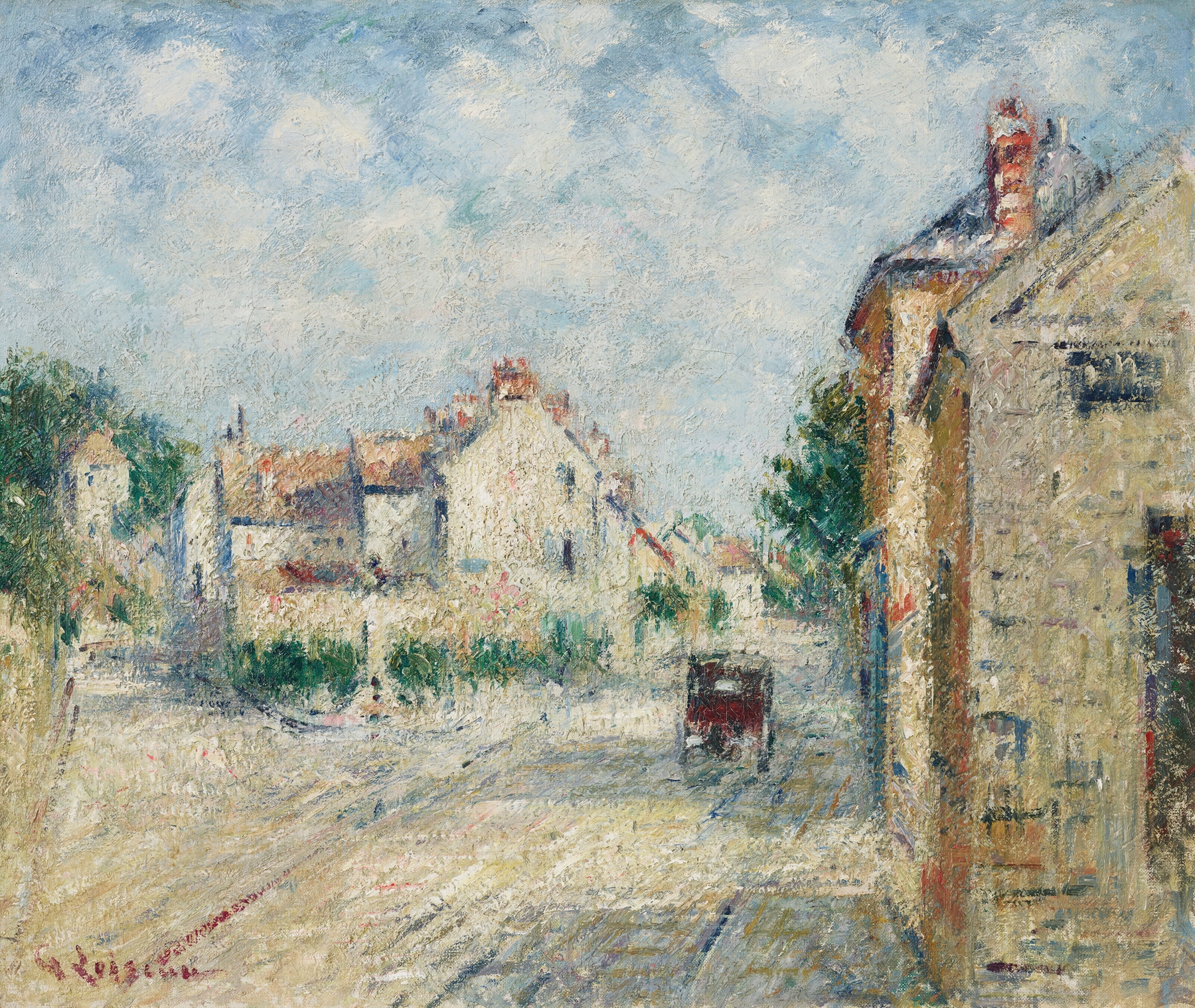
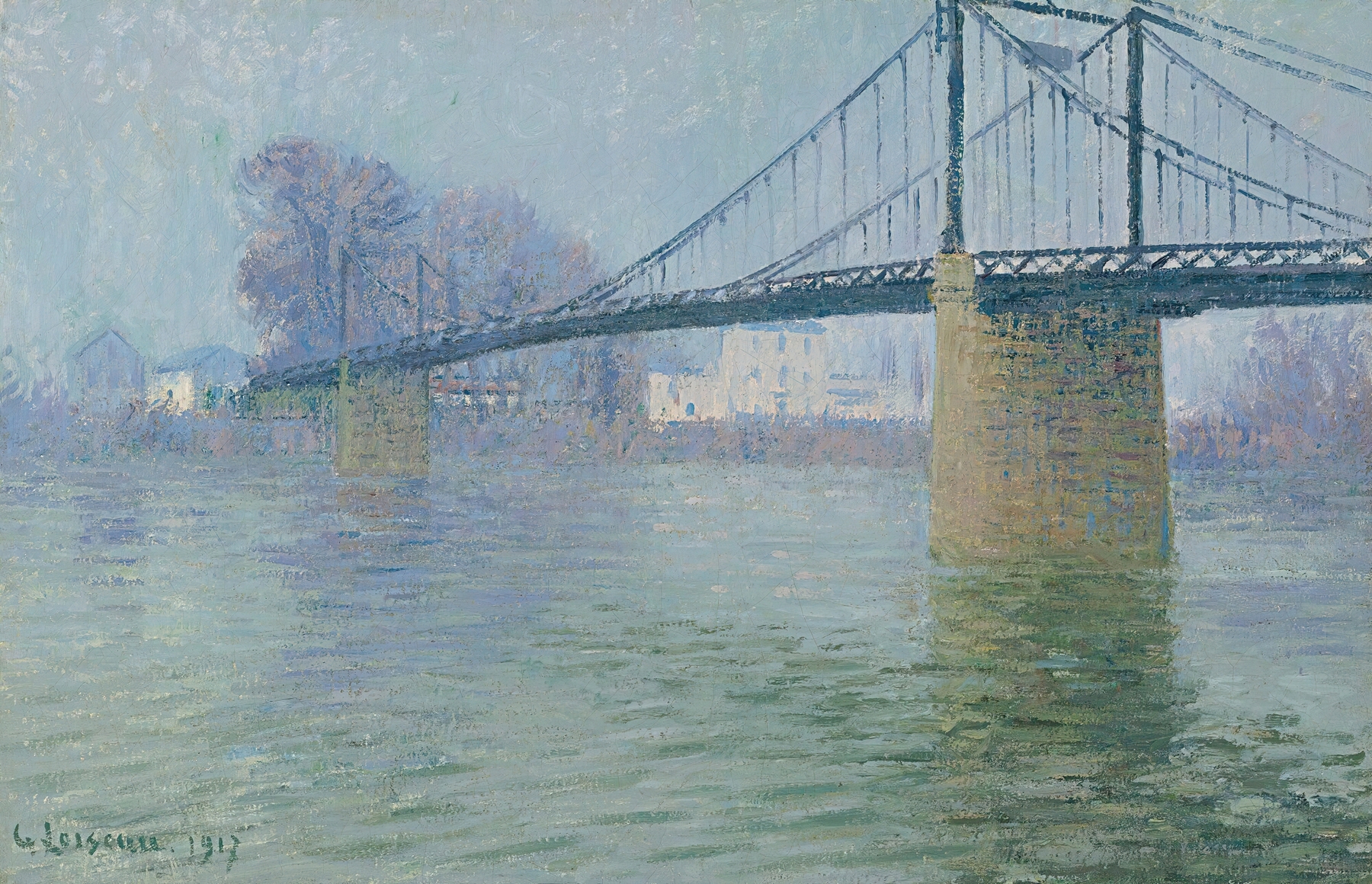
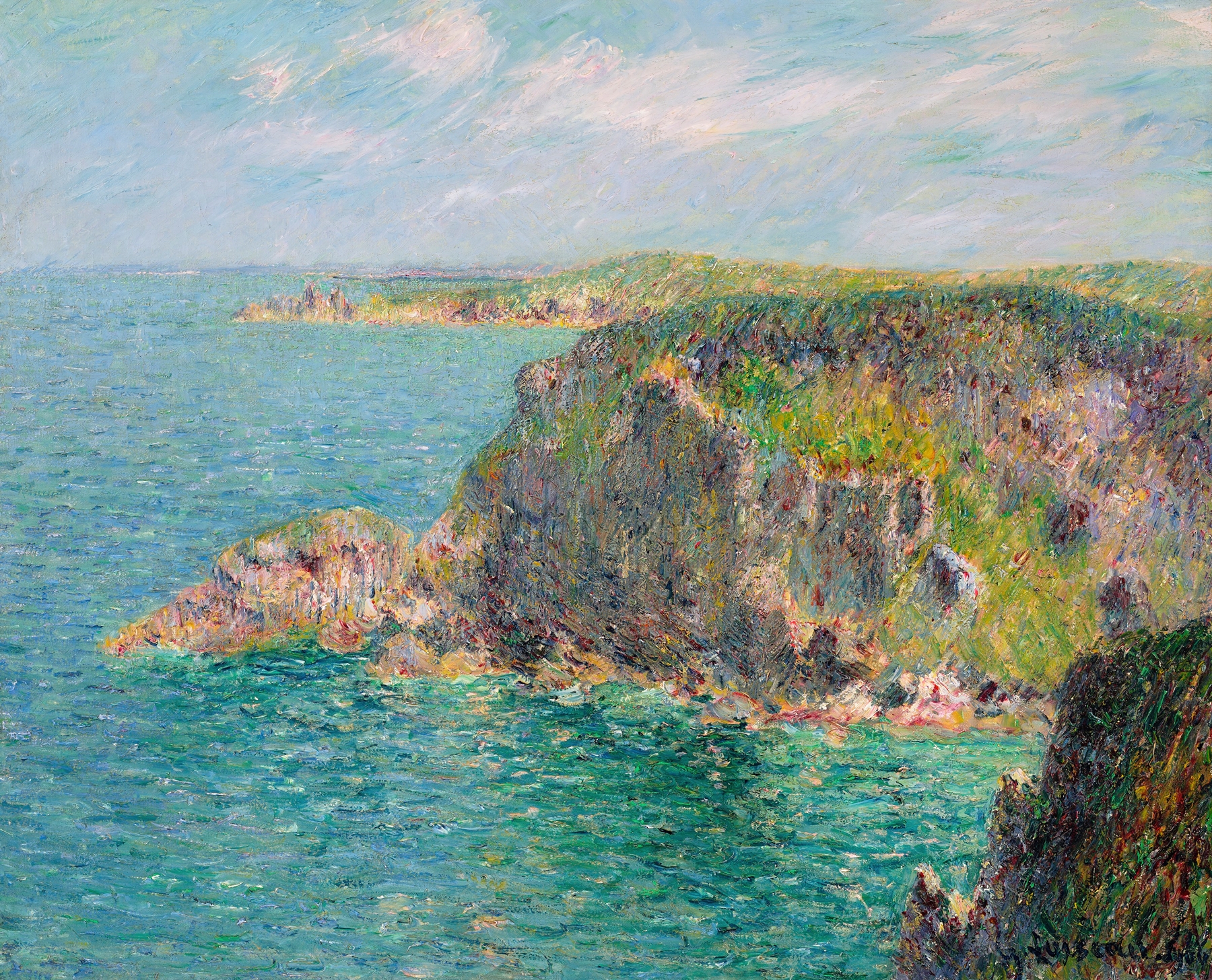
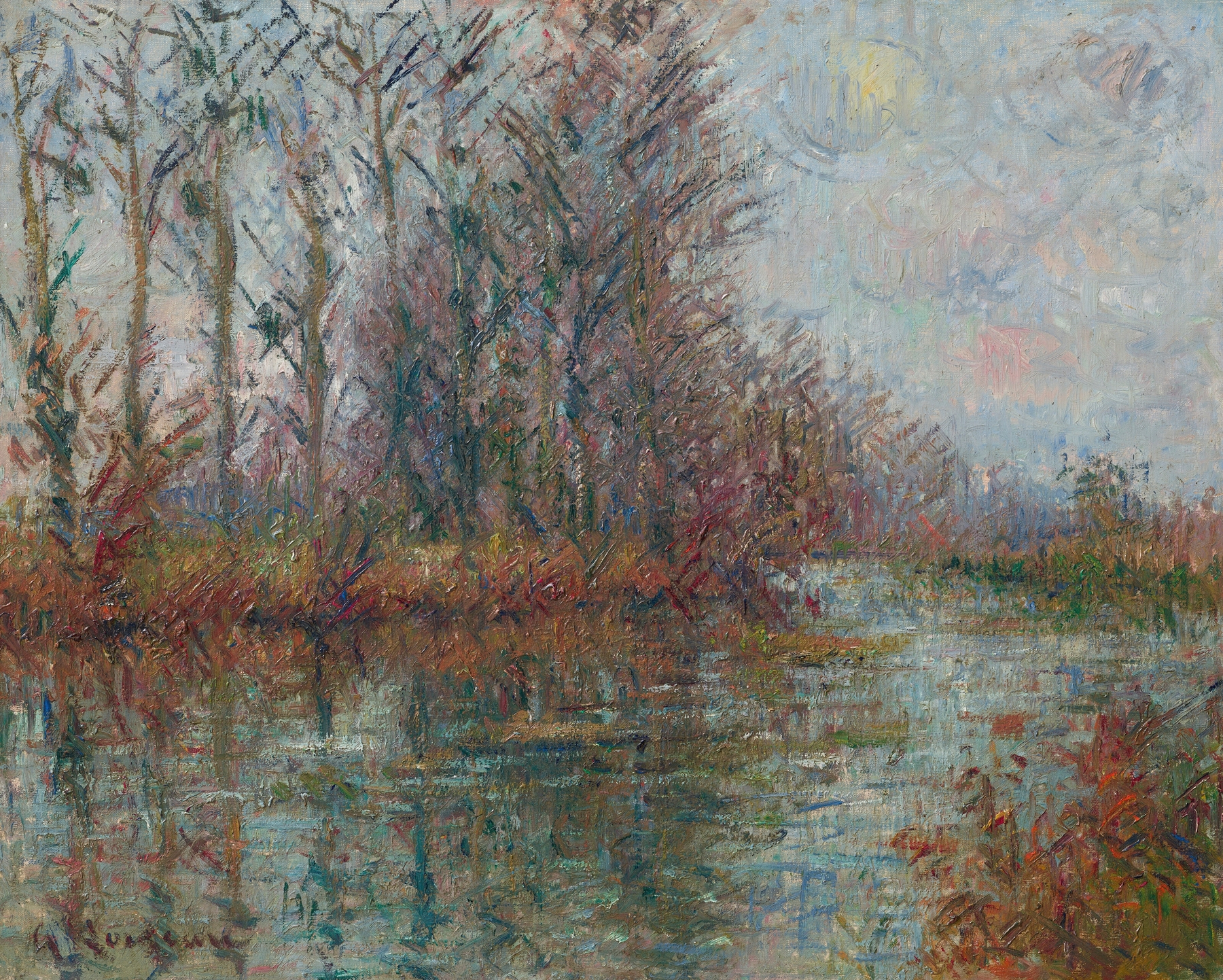
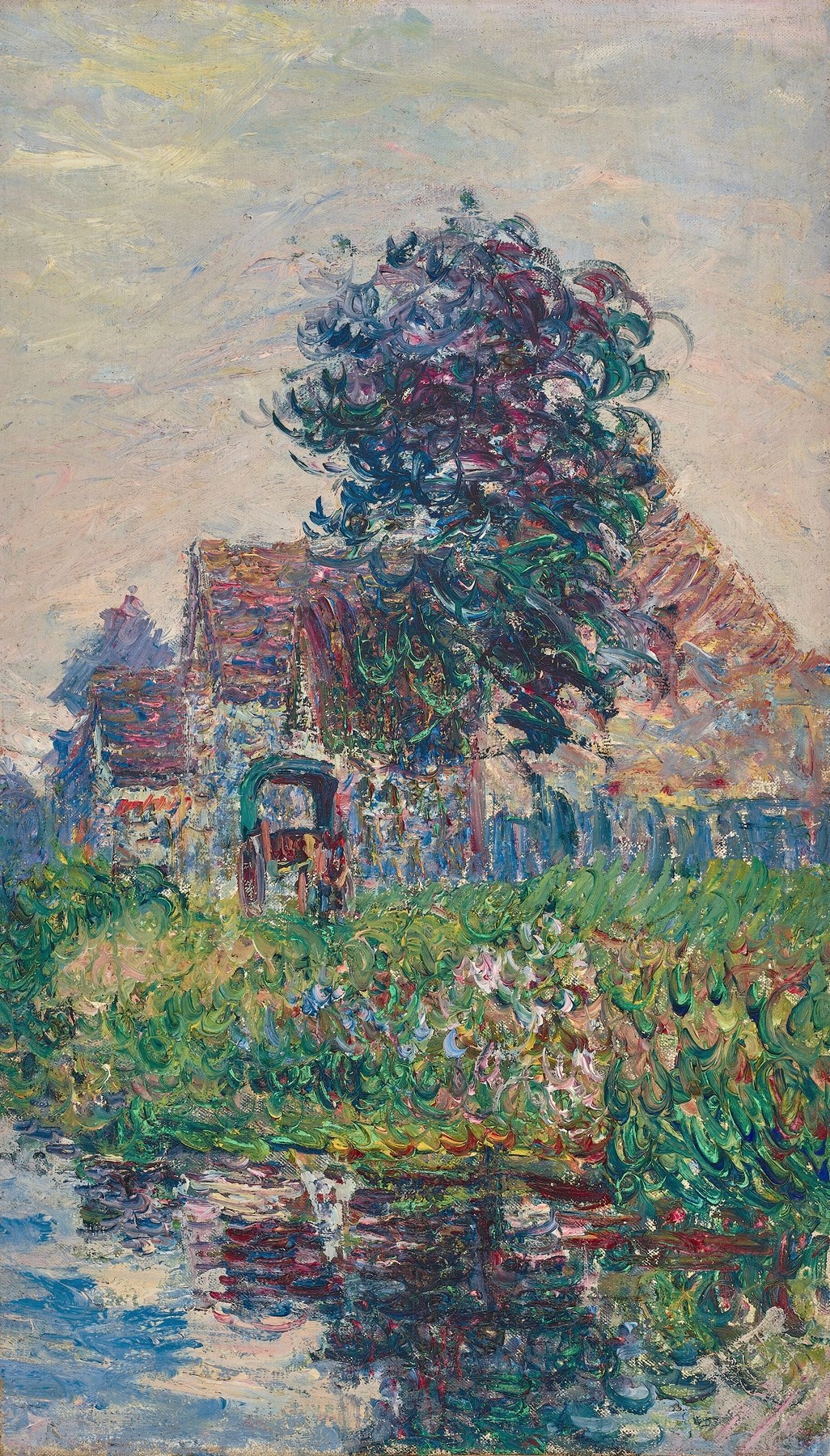
What if beauty was never meant to be finished? In the delicate strokes of an artist's brush lies a world suspended in time, inviting contemplation and introspection amidst the quiet embrace of nature. Focus first on the gentle curve of the riverbank, where the water's surface shimmers with hints of blue and green. Notice how the trees, with their dappled leaves, sway gently against the whispering breeze, creating a serene canopy over the scene.
The play of light and shadow breathes life into the composition, drawing our eyes along the gentle flow of the river, leading us deeper into a realm of tranquility. The brushwork evokes a sense of immediacy, capturing not just the landscape but also a fleeting moment of harmony. Beneath this apparent calm lies a profound sense of emptiness, an echo of solitude that resonates through the vastness of the scene. The lush foliage surrounds a space that feels both inviting and empty, urging the viewer to reflect on their own place within this serene expanse.
The contrast between the vibrant colors of the trees and the stillness of the water speaks to the balance of life and decay, highlighting the transient nature of beauty itself. Created during the early 20th century, this piece emerged during a transformative period for Loiseau, when Post-Impressionism began to dominate the art world. He was exploring the interplay of light and color while embracing a more personal, emotive approach to landscape painting. Amidst the rise of modernity, Le Chemin au bord de la rivière reflects an artist’s quest to capture fleeting beauty in a world that seemed increasingly chaotic and uncertain.