
Le chemin de la Plaine, Pontoise — History & Facts
In the stillness of a moment captured, serenity envelops the viewer, inviting them to pause and reflect on the beauty of simplicity. Look to the foreground, where a winding path meanders through lush greenery, leading the eye toward a harmonious blend of blues and greens. The gentle brushstrokes create a soft texture, causing the foliage to sway slightly, as though caressed by a quiet breeze. Notice how the dappled sunlight filters through the trees, casting a mosaic of light and shadow that enhances the tranquil mood, while the cool hues of the sky promise a sense of calm. Beneath this serene exterior, a deeper tension exists between the vibrancy of nature and the tranquil path that guides the viewer.
The juxtaposition of the lively colors in the leaves against the understated, earth-toned walkway hints at the duality of life — the chaotic beauty of the world versus the peaceful refuge found in moments of solitude. Each detail, from the subtle curves of the path to the gentle sway of the trees, speaks to an internal dialogue that resonates with the complexities of human emotion. In 1912, Loiseau painted this landscape in Pontoise, a locale known for its picturesque scenery that had captivated many artists. During this period, he was deeply influenced by the Impressionist movement, embracing its emphasis on light and color.
The world was experiencing monumental shifts — in art, society, and technology — yet here, in this pastoral scene, the artist found a timeless serenity that stands in quiet contrast to the tumult of modern life.
More Artworks by Gustave Loiseau
Browse all →
Rue de village en Normandie
Gustave Loiseau
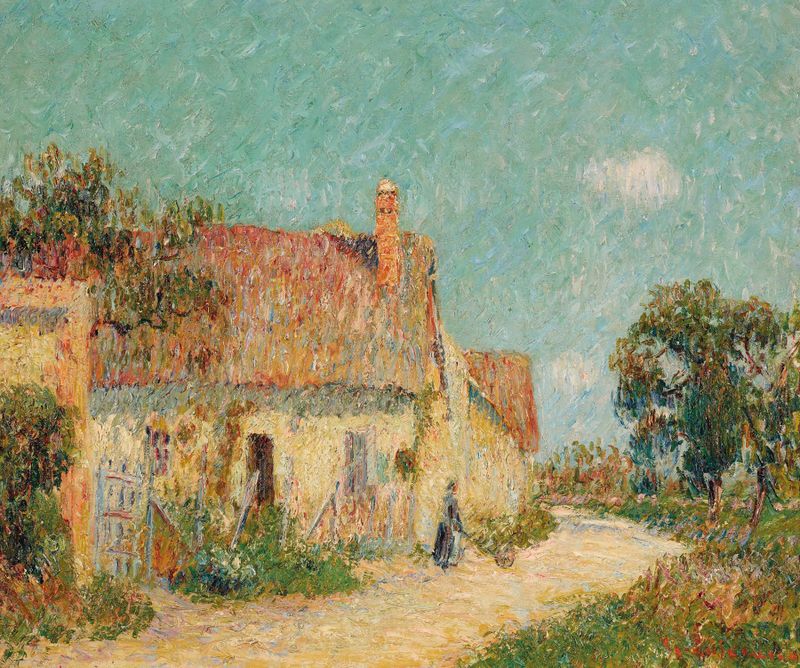
Chaumière en Normandie
Gustave Loiseau

Paysage d’Hiver à Chaponval
Gustave Loiseau
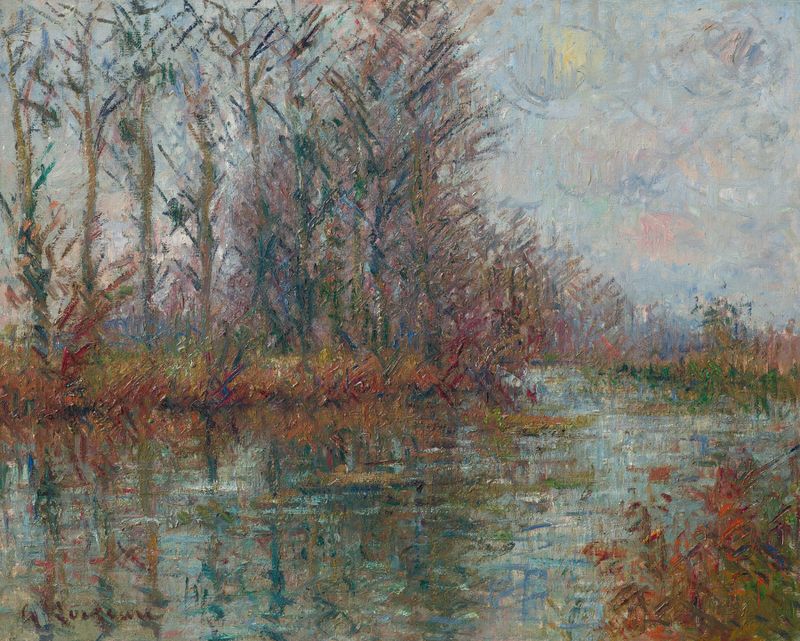
Tournant de rivière, L’Eure
Gustave Loiseau

Pont Marie, Paris
Gustave Loiseau

Le Bras De Mer
Gustave Loiseau

Le Pont Suspendu À Triel
Gustave Loiseau

Bord de la rivière
Gustave Loiseau
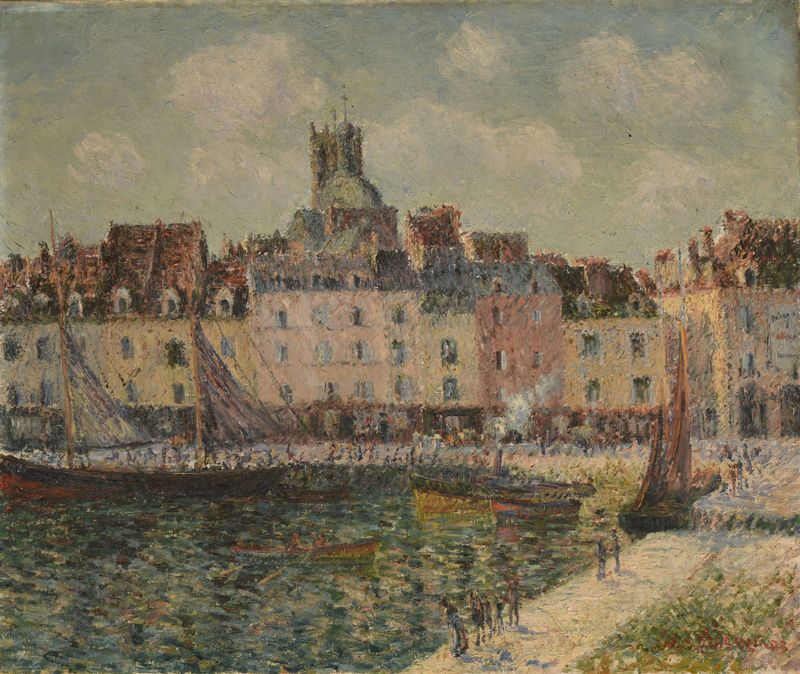
Le Quai Duquesne à Dieppe
Gustave Loiseau

Rocher la Teignouse, Cap Fréhel
Gustave Loiseau





