
Le clos Saint-Lazare et la butte Montmartre en 1848 — History & Facts
Can beauty exist without sorrow? In Le clos Saint-Lazare et la butte Montmartre en 1848, a delicate balance emerges between the vibrancy of life and the shadows of its complexities. Look to the left at the lush greenery of the trees, their leaves whispering secrets as they dance in the breeze. The rich greens contrast with the warm yellows and soft blues of the houses, creating a harmonious yet palpable tension. The composition draws your eye upward to the distant butte, where the ominous clouds suggest a storm brewing, both literally and metaphorically.
This interplay of light and shadow encapsulates a moment suspended between hope and despair. The painting hints at deeper narratives hidden within its beauty. The vibrant colors evoke a sense of optimism, suggesting a community thriving amidst the backdrop of political unrest in 1848 France. Yet, the looming figure of the butte, darkened by the clouds, symbolizes the weight of impending change.
Small details, such as a solitary figure standing apart from the bustling life below, speak to isolation within a collective experience, inviting viewers to reflect on their own connections and disconnections within society. Masson painted this piece during a tumultuous period in France, specifically in the aftermath of the February Revolution. As he captured the essence of Montmartre, a neighborhood teetering on the brink of transformation, he navigated personal and artistic challenges. The world of art was experiencing shifts toward realism and impressionism, and Masson found himself at the crossroads, seeking to balance the beauty and sorrow inherent in daily life.
More Artworks by Louis-Martial-Théodat Masson
Browse all →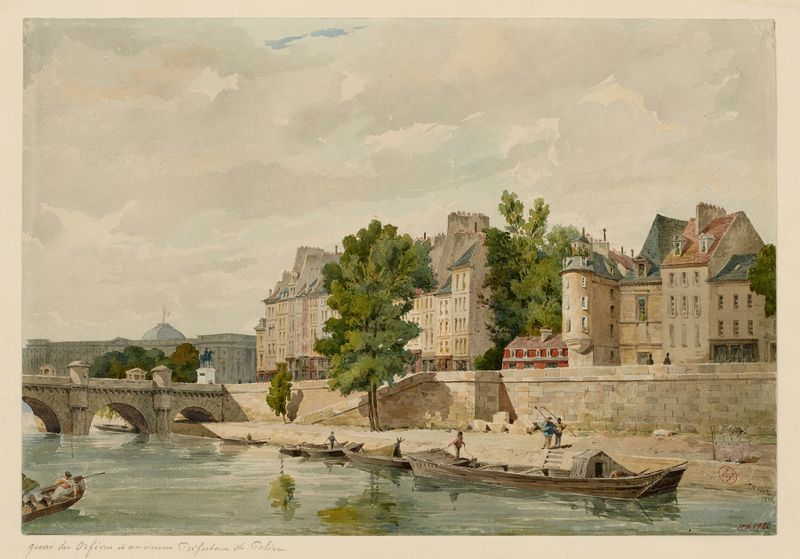
Ancienne Préfecture de Police, quai des Orfèvres et Pont Neuf en 1850
Louis-Martial-Théodat Masson
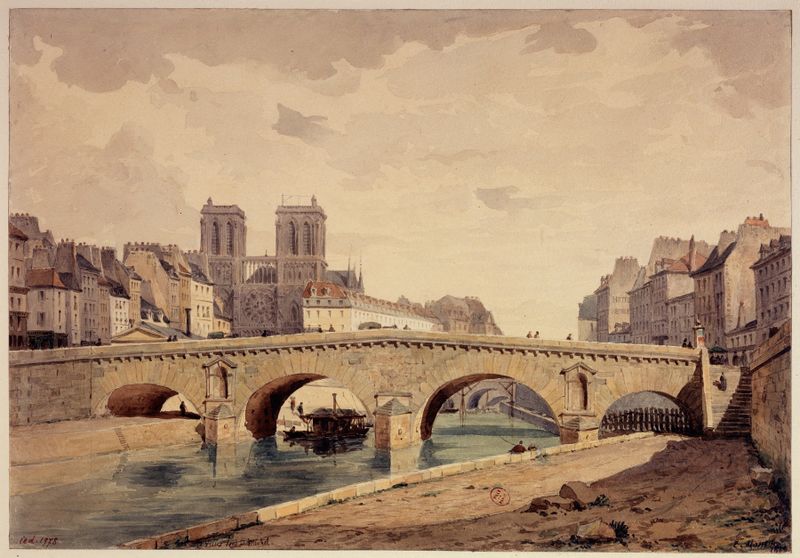
Le vieux pont Saint-Michel en 1850
Louis-Martial-Théodat Masson
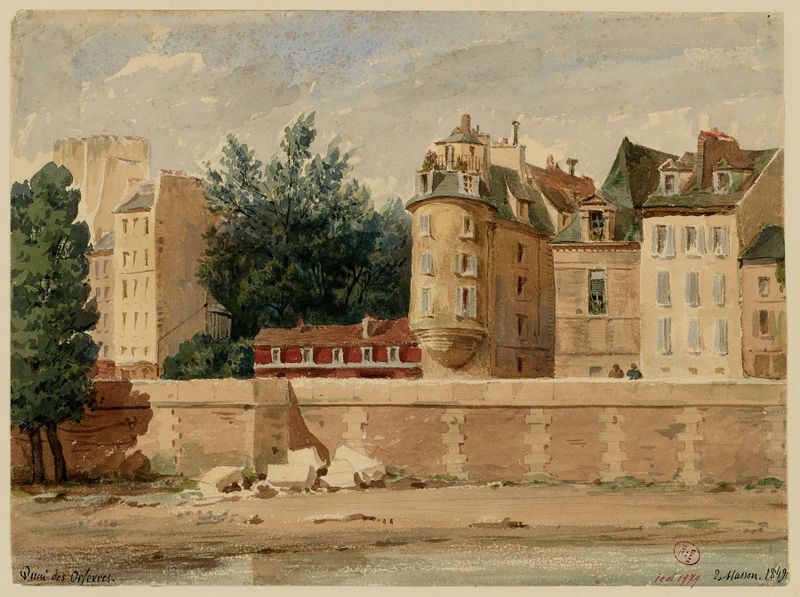
Ancienne Préfecture de Police en 1849
Louis-Martial-Théodat Masson
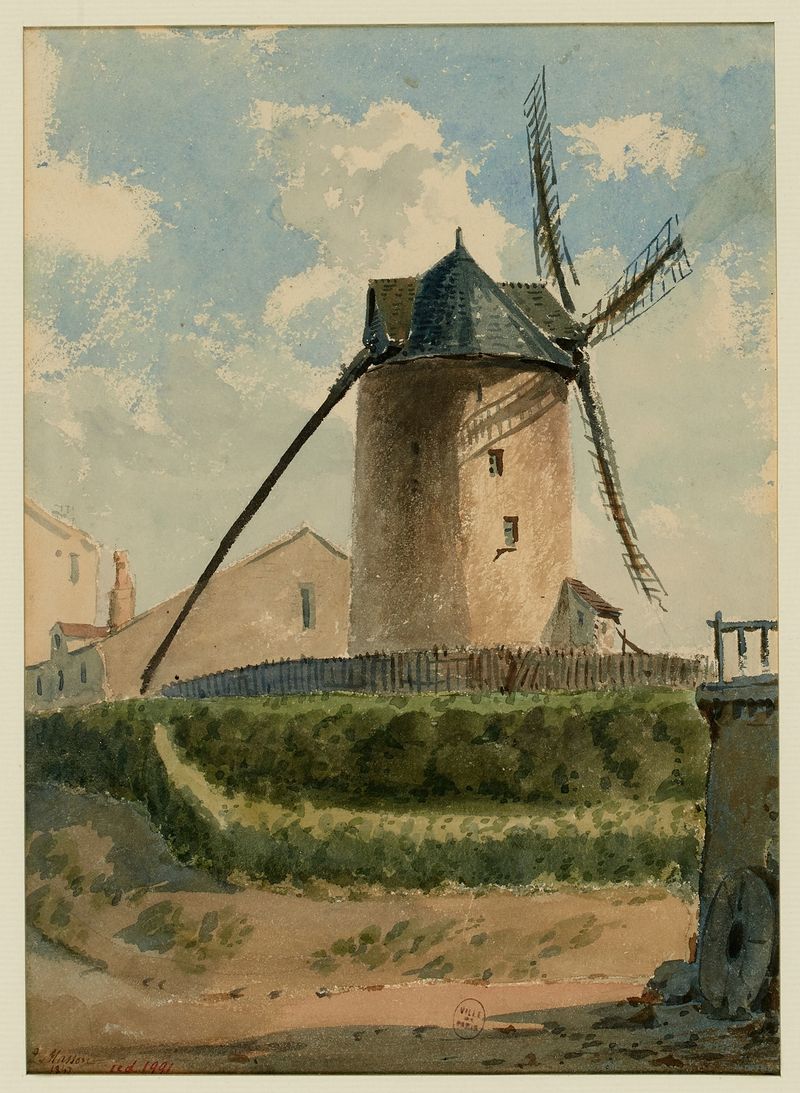
Moulin rue Girardon à Montmartre en 1847, 18ème arrondissement, Paris
Louis-Martial-Théodat Masson
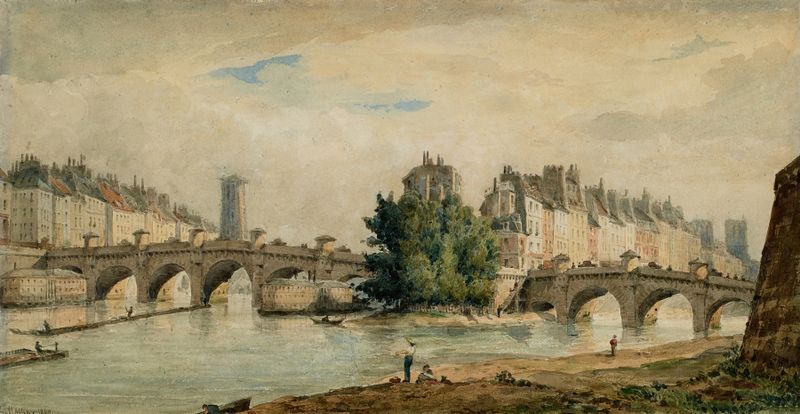
Le Pont-Neuf
Louis-Martial-Théodat Masson
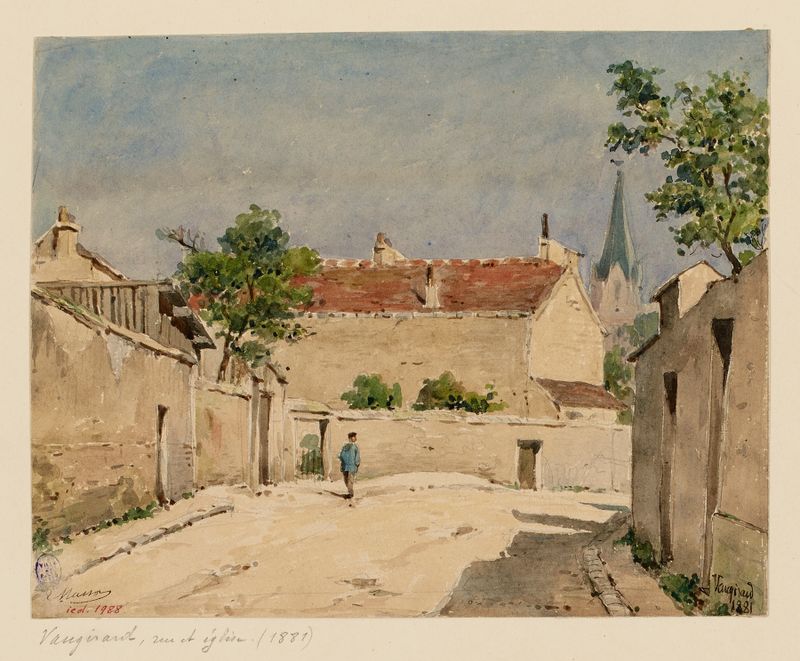
Rue et église à Vaugirard en 1881
Louis-Martial-Théodat Masson
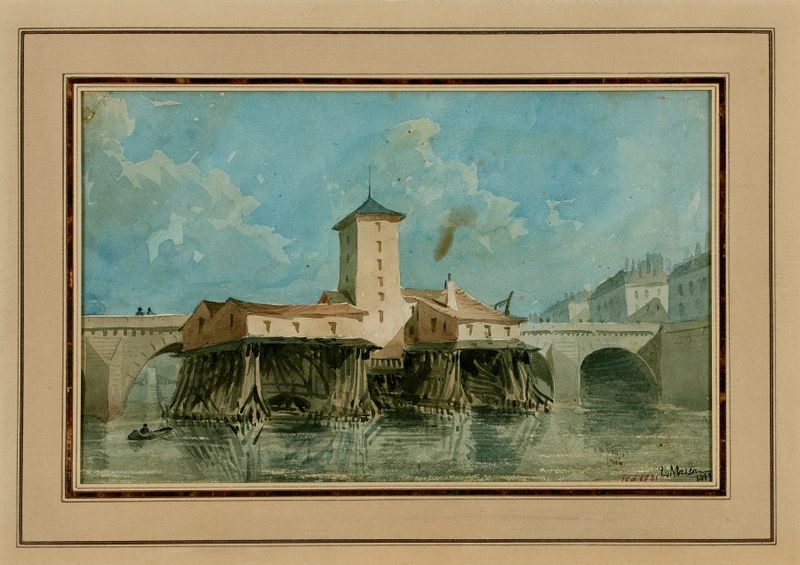
Pompe Notre-Dame en 1849
Louis-Martial-Théodat Masson
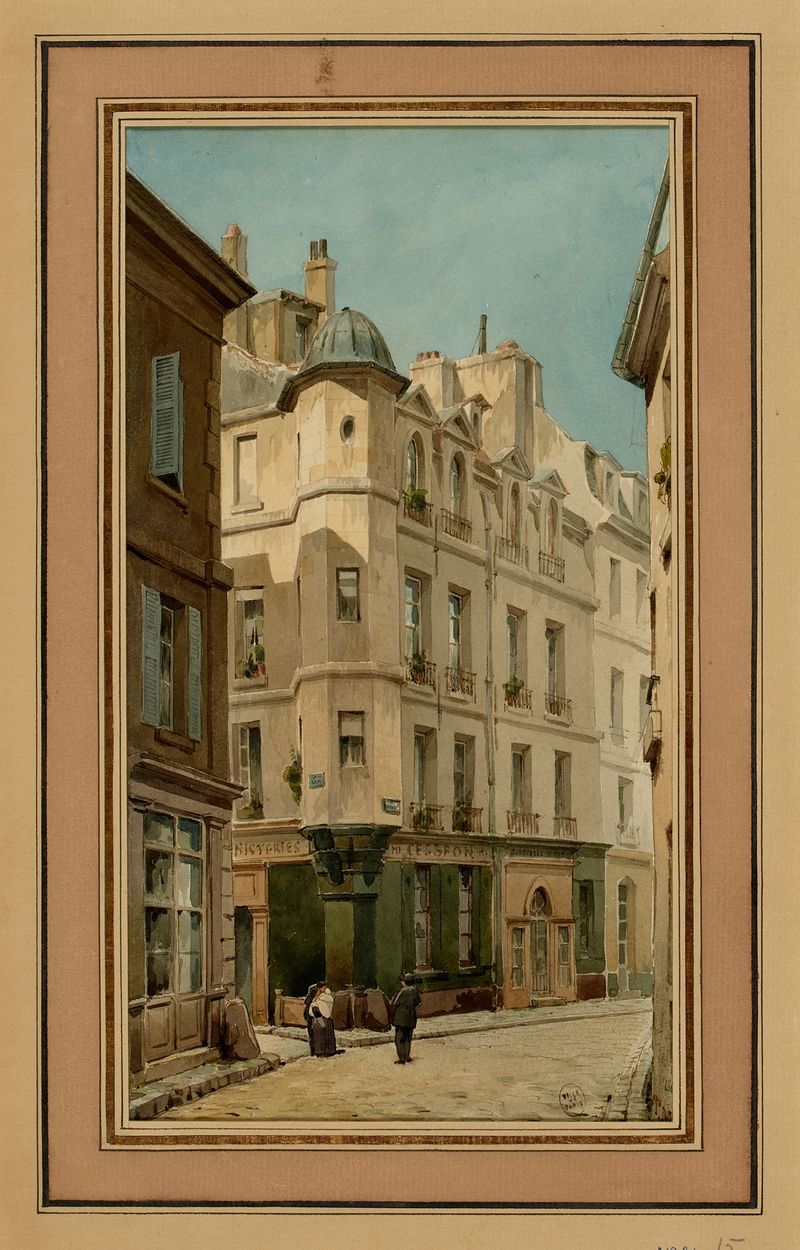
Tourelle rue du Jardinet en 1869
Louis-Martial-Théodat Masson
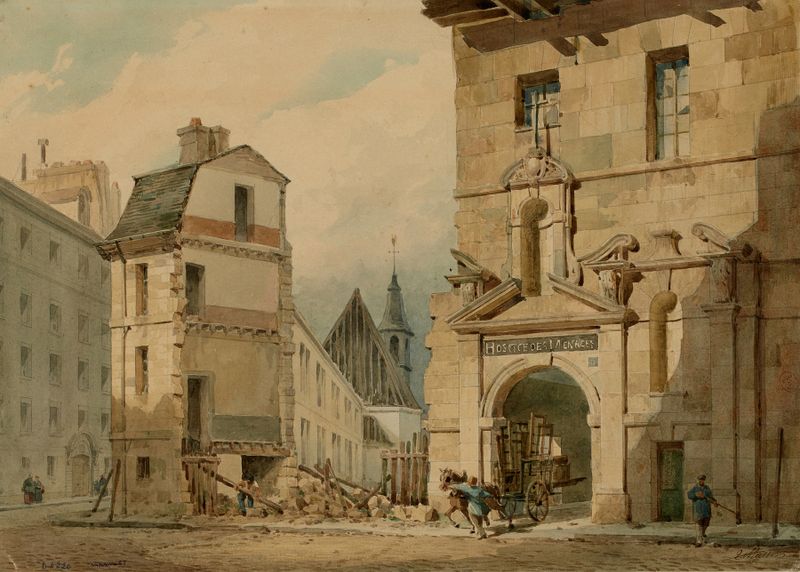
L’hospice des Petits-Ménages, rue de la Chaise
Louis-Martial-Théodat Masson
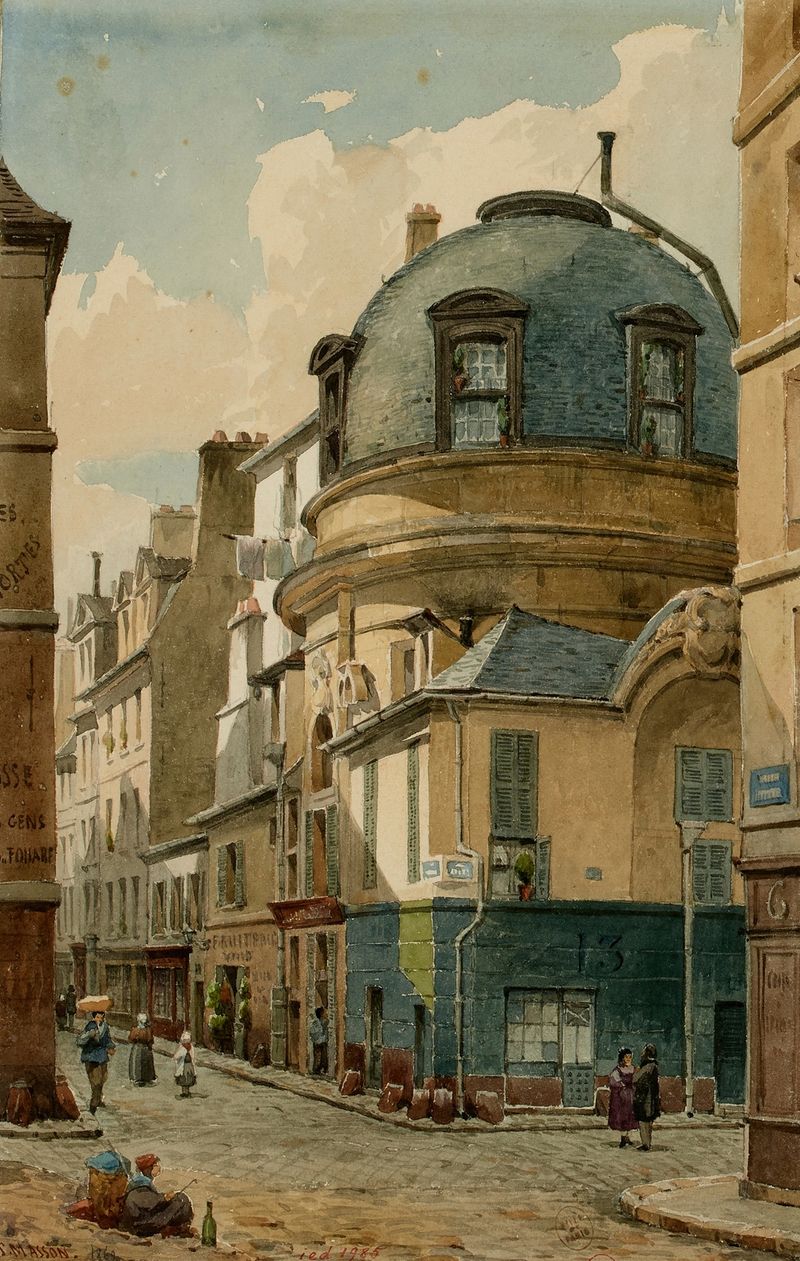
L’ancienne école de médecine en 1869
Louis-Martial-Théodat Masson





