
Le Pont-Neuf — History & Facts
Can paint confess what words never could? In Le Pont-Neuf, shadows whisper tales of longing, while light dances hesitantly across the bridge’s worn stones—a testimony to stories untold. Look to the left at the gentle curve of the iconic bridge, where figures stroll under the watchful gaze of lampposts. The warm ochres and muted blues create a soft twilight atmosphere that envelops the scene, inviting you to linger. Notice how the artist cleverly contrasts the delicate interplay of light and shadow, emphasizing the mood of both nostalgia and fleeting joy.
The textured brushstrokes breathe life into the scene, revealing intricate details in the cobblestones and the flowing water below. Delve deeper into the work, where each shadow carries emotional weight. The figures appear small against the grandeur of the bridge, highlighting the impermanence of human connection amid the enduring structure. The stillness of the water reflects not only the light but also a sense of longing, suggesting a bridge not merely of stone but of memory and dreams, connecting past and present.
Each shadow speaks of the ephemeral nature of life, urging viewers to consider what remains unseen beneath the surface. In 1840, Masson created this piece during a period of artistic exploration in Paris, marked by the rise of Romanticism. As France navigated political upheaval and societal changes, the artist sought to capture the emotional essence of urban life. Amidst this turbulent backdrop, Le Pont-Neuf emerges not only as a depiction of a beloved landmark but as an intimate reflection of the human experience, where each shadow invites contemplation.
More Artworks by Louis-Martial-Théodat Masson
Browse all →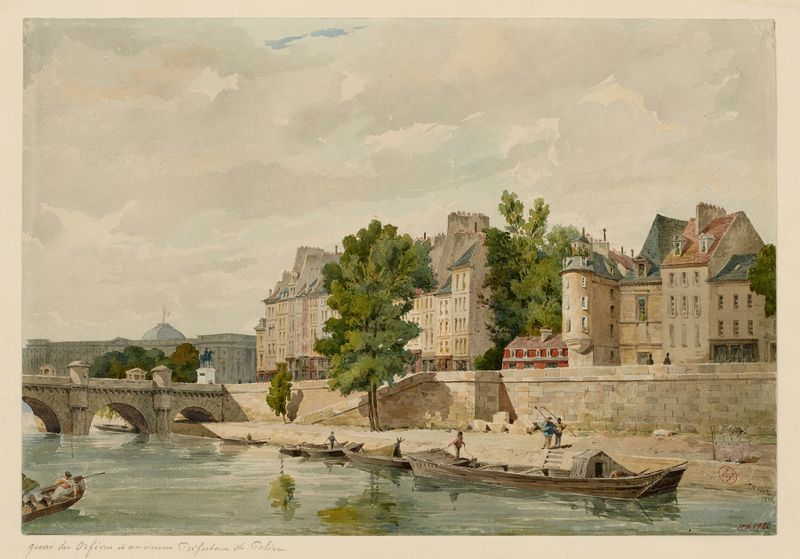
Ancienne Préfecture de Police, quai des Orfèvres et Pont Neuf en 1850
Louis-Martial-Théodat Masson
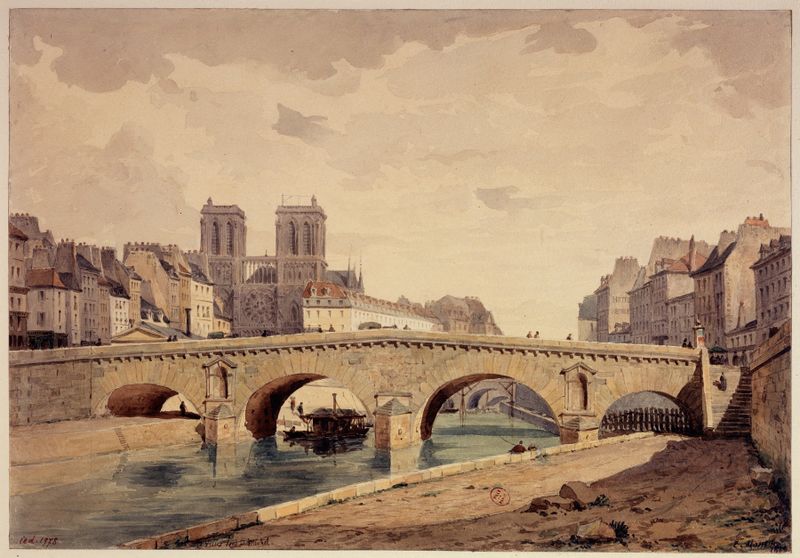
Le vieux pont Saint-Michel en 1850
Louis-Martial-Théodat Masson
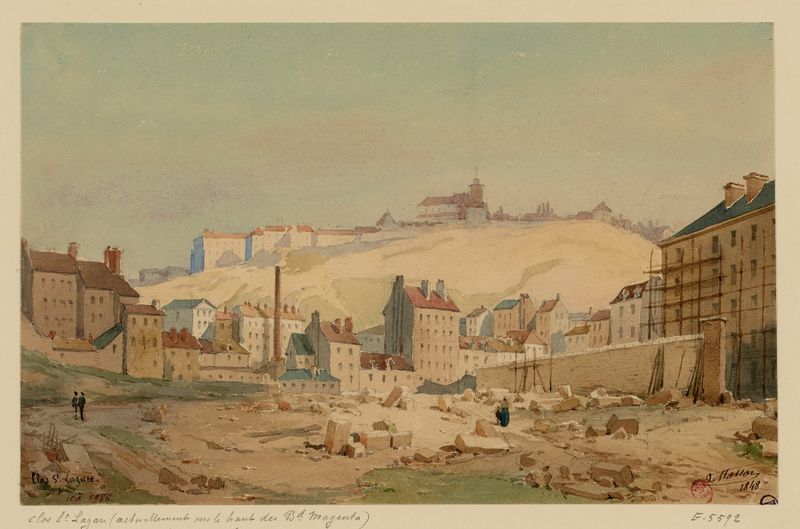
Le clos Saint-Lazare et la butte Montmartre en 1848
Louis-Martial-Théodat Masson
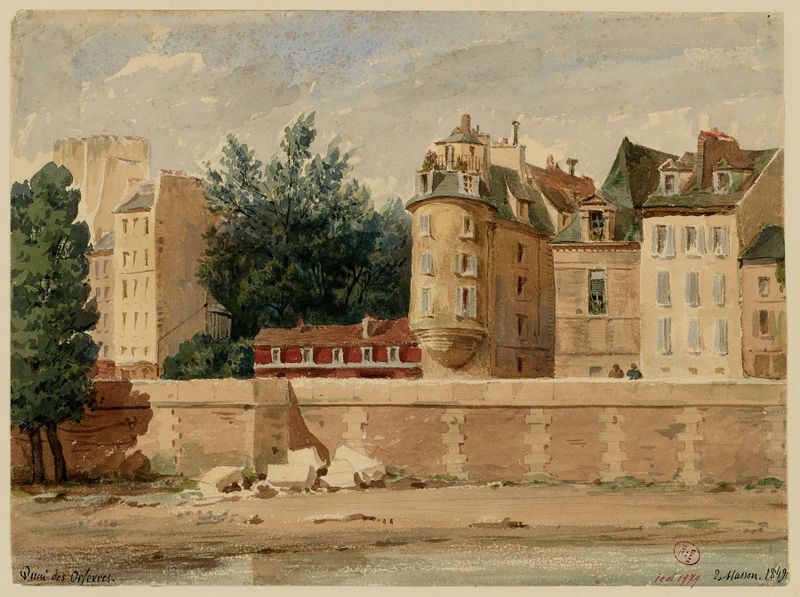
Ancienne Préfecture de Police en 1849
Louis-Martial-Théodat Masson
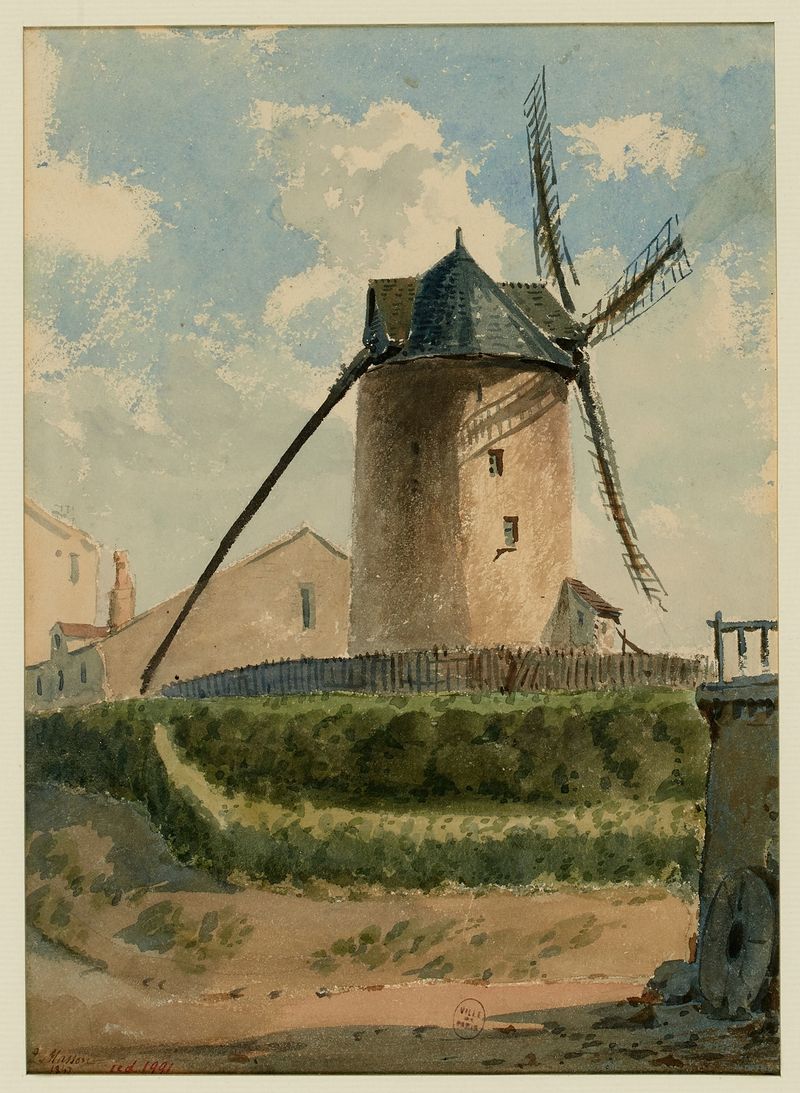
Moulin rue Girardon à Montmartre en 1847, 18ème arrondissement, Paris
Louis-Martial-Théodat Masson
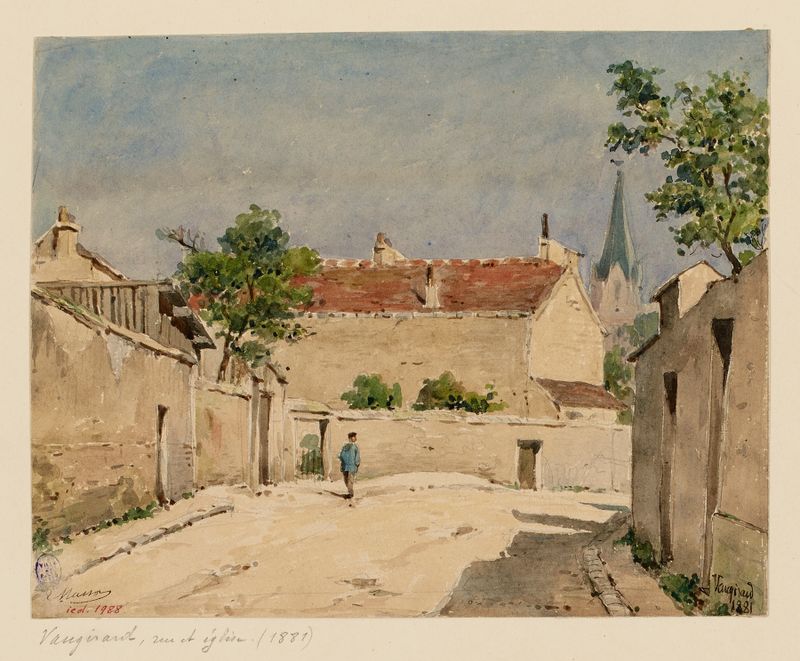
Rue et église à Vaugirard en 1881
Louis-Martial-Théodat Masson
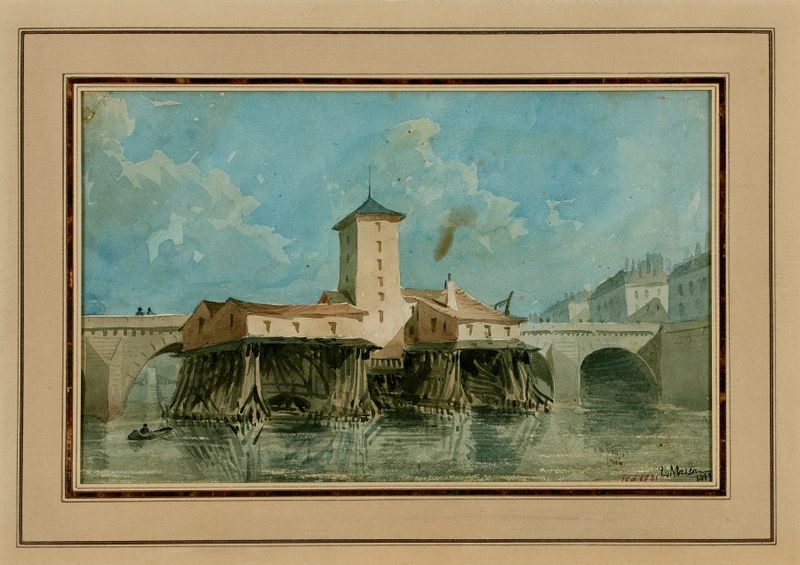
Pompe Notre-Dame en 1849
Louis-Martial-Théodat Masson
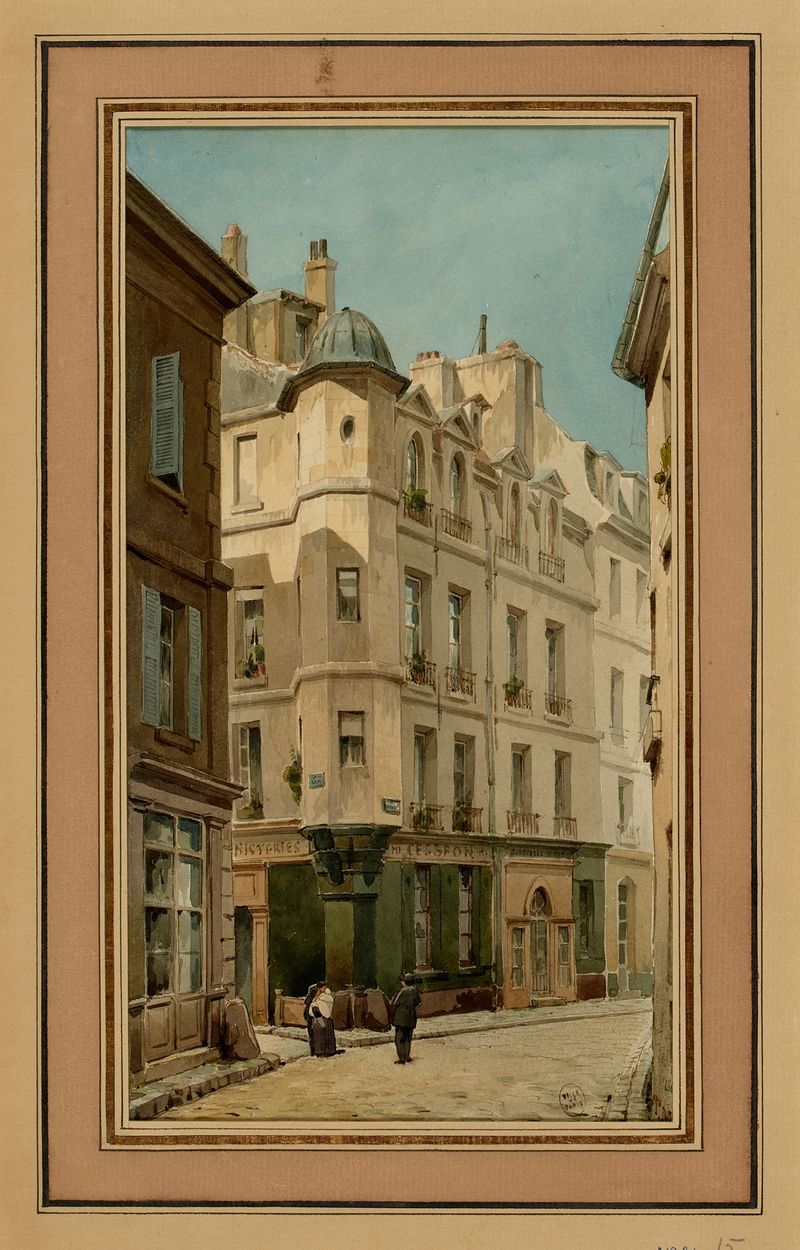
Tourelle rue du Jardinet en 1869
Louis-Martial-Théodat Masson
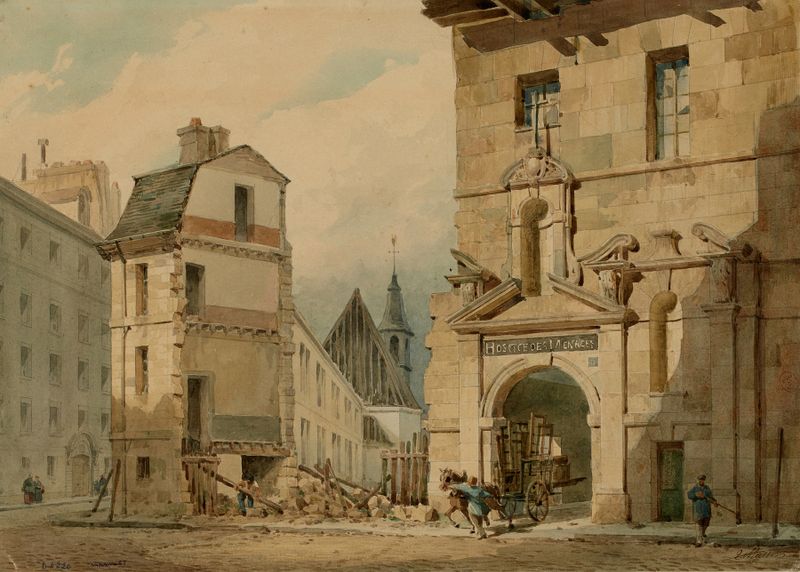
L’hospice des Petits-Ménages, rue de la Chaise
Louis-Martial-Théodat Masson
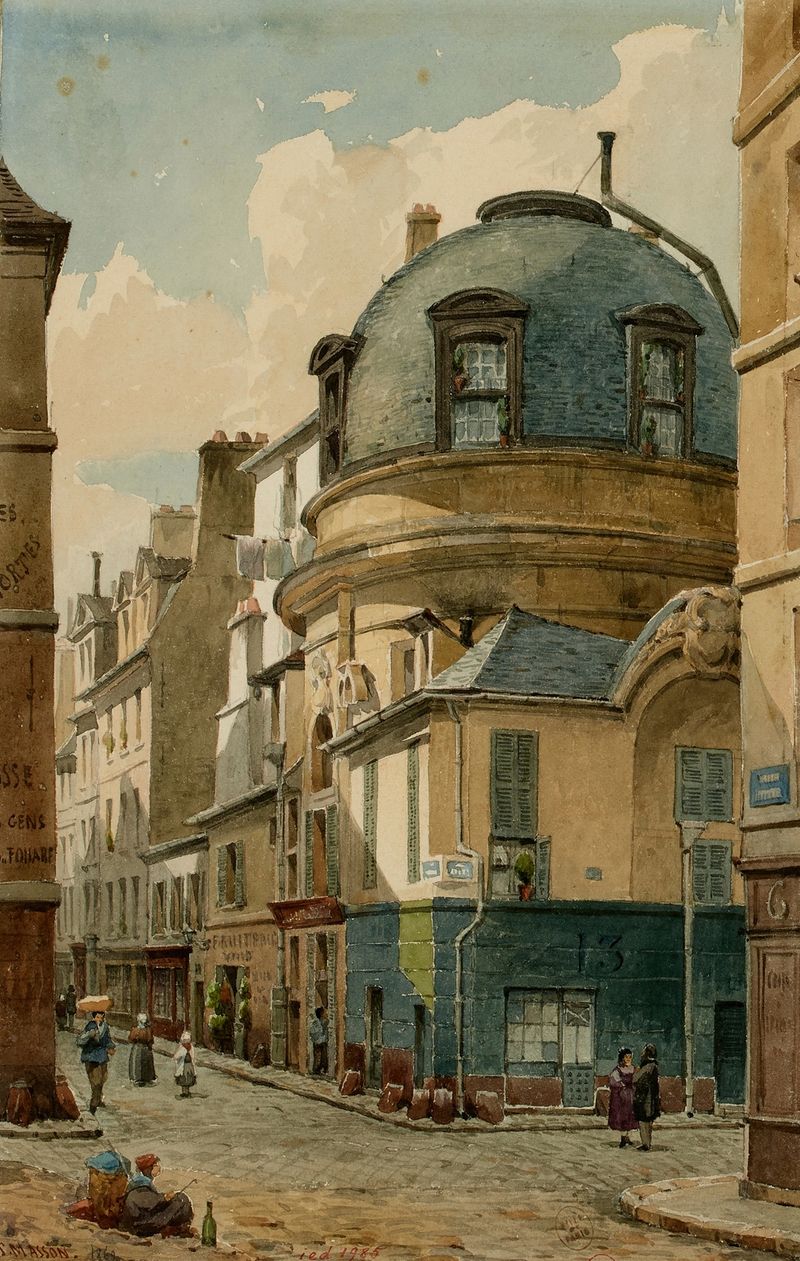
L’ancienne école de médecine en 1869
Louis-Martial-Théodat Masson





