
Le vieux pont Saint-Michel en 1850 — History & Facts
Can paint confess what words never could? In Le vieux pont Saint-Michel en 1850, the dreamlike quality of a bygone era unfolds, inviting viewers to step into a world where time seems to linger, suspended in a moment of ethereal beauty. Focus on the arching structure of the ancient bridge that spans the canvas, its weathered stones glistening under a gentle embrace of sunlight. Look closely at the tranquil water flowing beneath, mirroring the soft hues of dawn or dusk, where pale pinks and muted blues blend seamlessly. Each brushstroke reveals a meticulous attention to detail—faint ripples in the water hint at life while the surrounding landscape breathes with soft greens, embodying a serene natural world that cradles the historical monument. Yet amid the peaceful scene lies a contrast between the enduring stone and the ephemeral qualities of light and water.
The bridge suggests stability, a connection across time, while the shifting reflections below whisper of change, evoking a sense of nostalgia. This duality stirs an emotional tension—what stories do these aged stones hold, and who has crossed them? The interplay of permanence and transience speaks to our own fleeting existence. The artist, Louis-Martial-Théodat Masson, painted this work during a period marked by a growing appreciation for realism and historical accuracy in art. Ideally created in the mid-19th century, it reflects the Romantic fascination with the past, capturing both the physical and emotional landscapes of a Paris that was rapidly evolving.
Masson, emerging from a rich artistic tradition, sought to encapsulate the beauty and resonance of history, grounding his vision in the tangible while inviting dreams of what once was.
More Artworks by Louis-Martial-Théodat Masson
Browse all →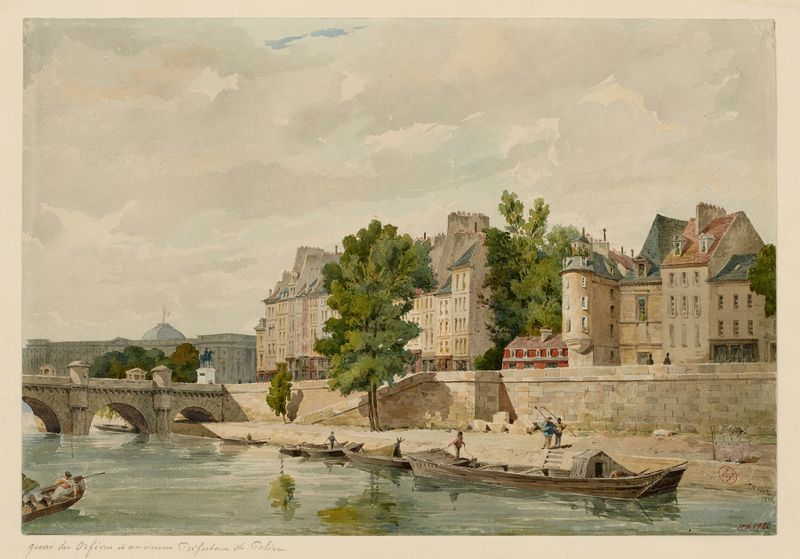
Ancienne Préfecture de Police, quai des Orfèvres et Pont Neuf en 1850
Louis-Martial-Théodat Masson
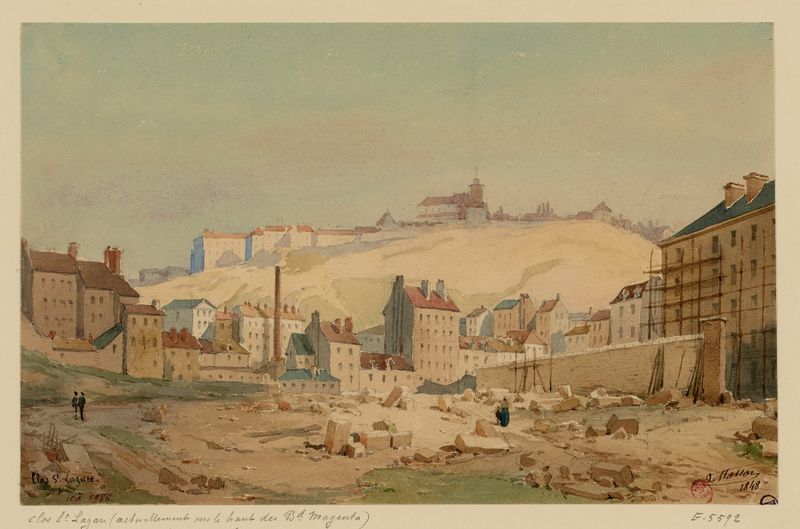
Le clos Saint-Lazare et la butte Montmartre en 1848
Louis-Martial-Théodat Masson
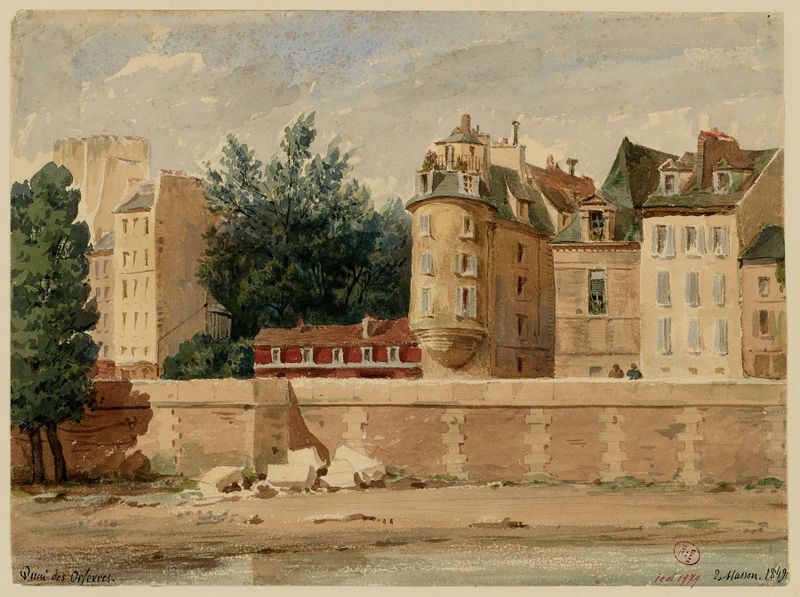
Ancienne Préfecture de Police en 1849
Louis-Martial-Théodat Masson
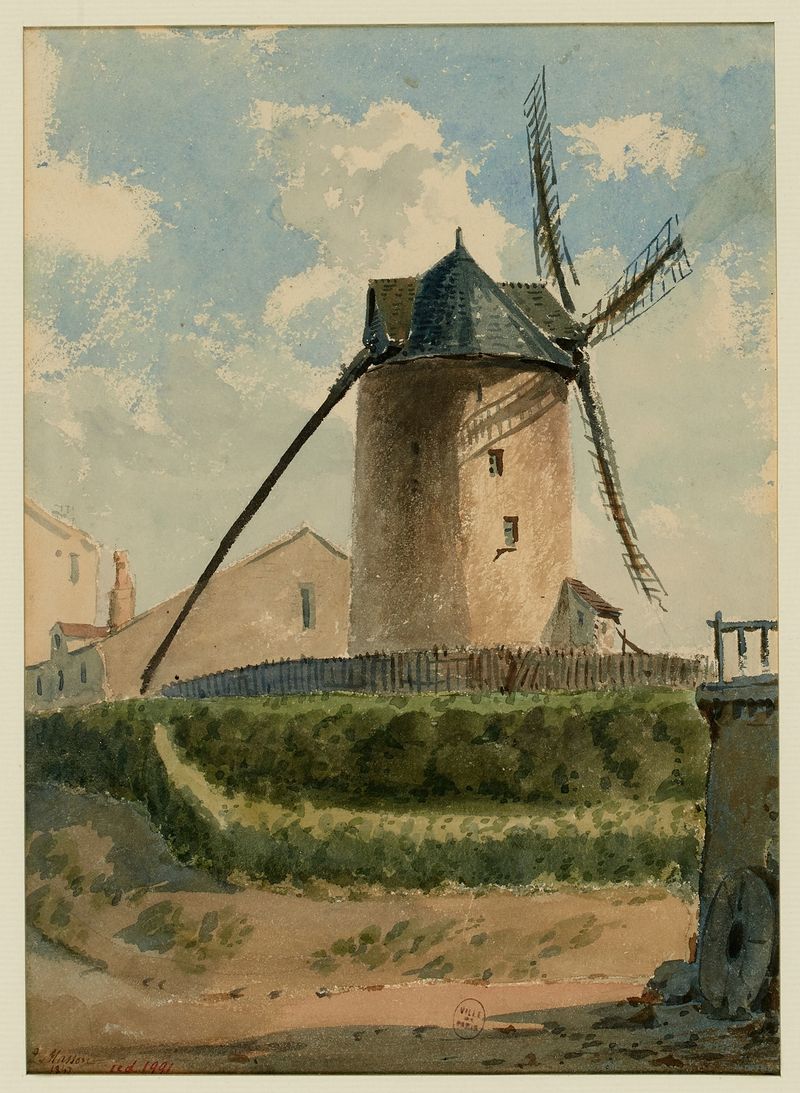
Moulin rue Girardon à Montmartre en 1847, 18ème arrondissement, Paris
Louis-Martial-Théodat Masson
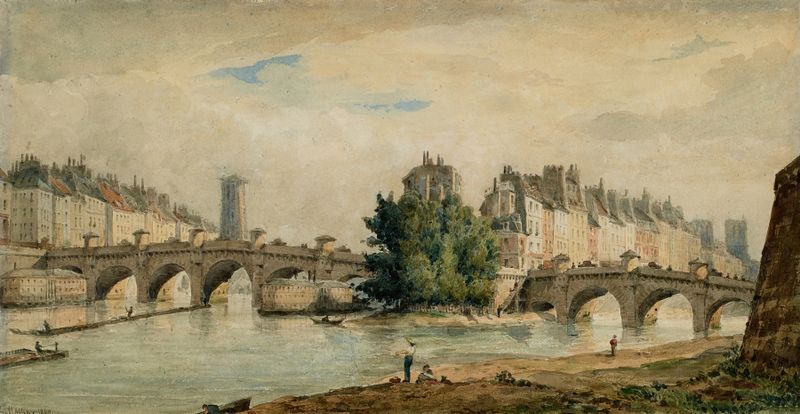
Le Pont-Neuf
Louis-Martial-Théodat Masson
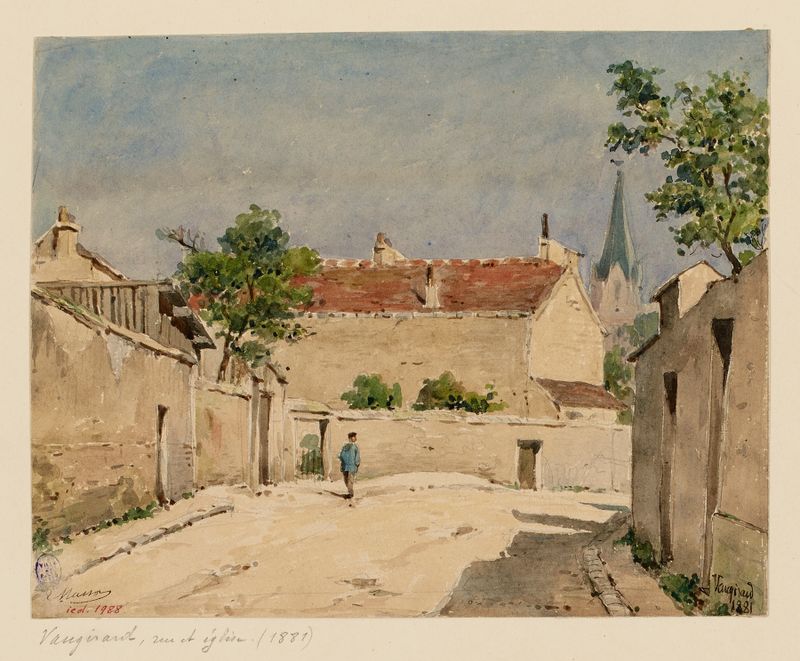
Rue et église à Vaugirard en 1881
Louis-Martial-Théodat Masson
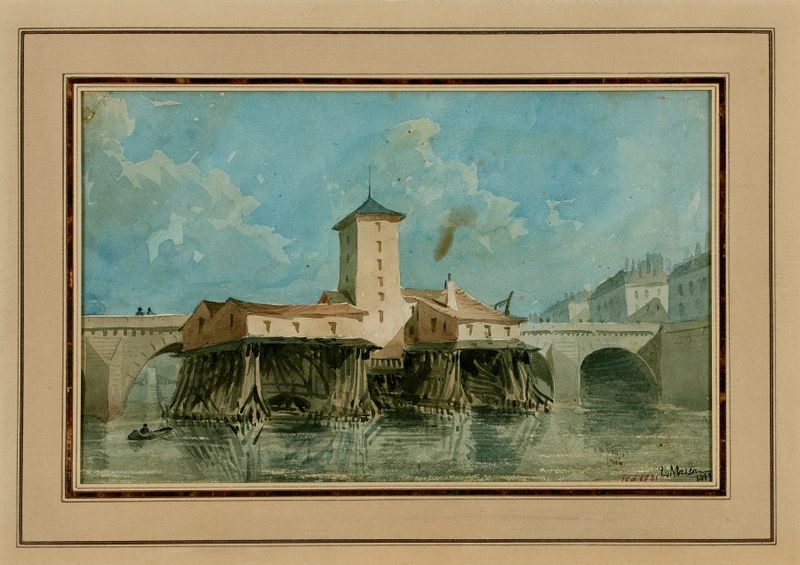
Pompe Notre-Dame en 1849
Louis-Martial-Théodat Masson
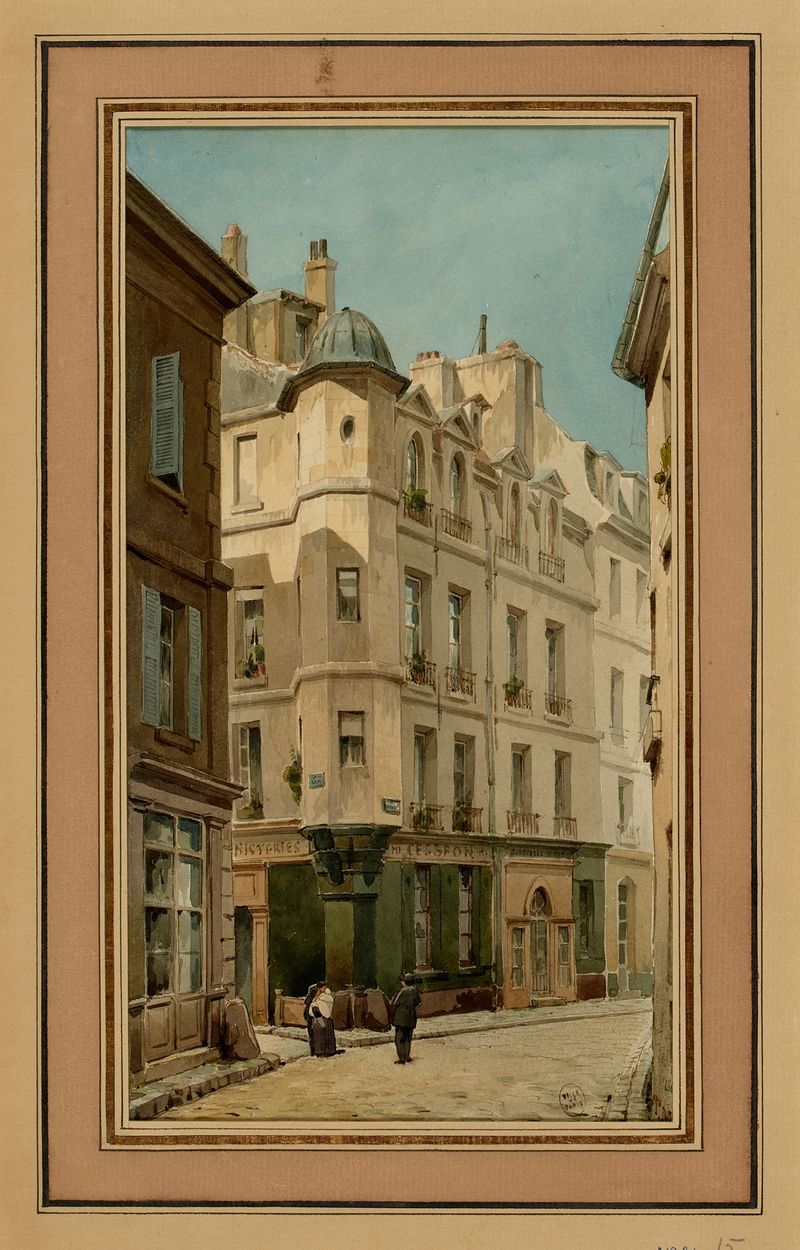
Tourelle rue du Jardinet en 1869
Louis-Martial-Théodat Masson
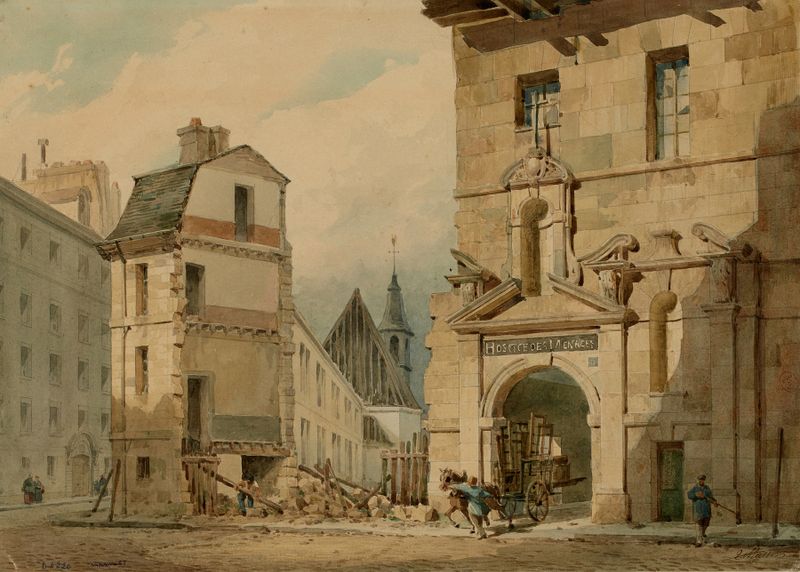
L’hospice des Petits-Ménages, rue de la Chaise
Louis-Martial-Théodat Masson
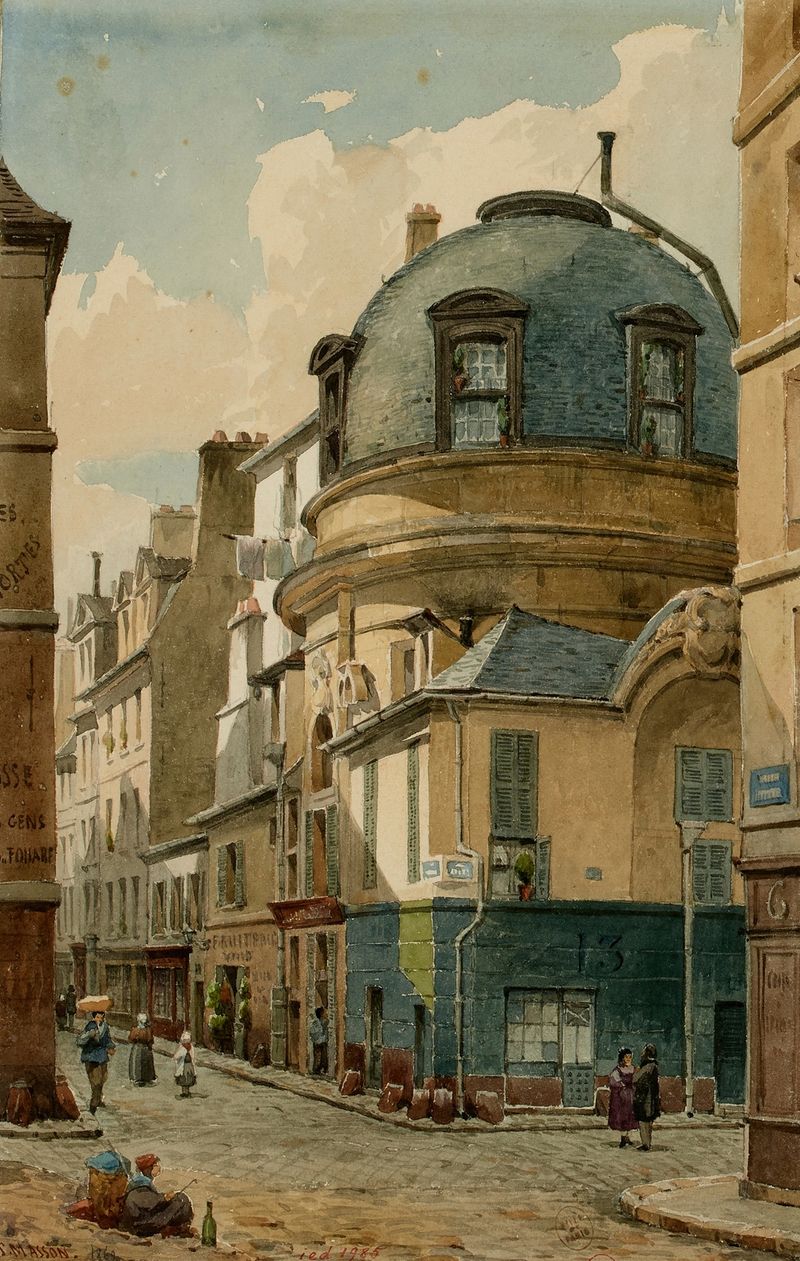
L’ancienne école de médecine en 1869
Louis-Martial-Théodat Masson





