
L’hospice des Petits-Ménages, rue de la Chaise — History & Facts
What secret hides in the quiet of the canvas? A stillness envelops the scene, yet a pulse of violence lies just beneath the surface, whispering to those who dare to look closer. Focus on the central structure, a nondescript building bathed in muted tones of grey and beige. Notice how the light creeps around the edges, casting long shadows that suggest movement, yet the atmosphere remains eerily stagnant. The composition draws the eye to the façade, where the windows, cold and uninviting, mirror a profound sense of isolation.
Each brushstroke conveys the weight of the moment, creating a tension that feels almost tangible. As you delve deeper, examine the small details that hint at life's complexities. The sparse vegetation surrounding the building stands in stark contrast to the bustling world outside, a reminder of abandonment and neglect. The interplay of light and shadow not only illuminates the physical space but also alludes to the unseen stories of those who may have found solace—or perhaps despair—within these walls.
It questions what lurks in the silence, evoking a sense of foreboding. Masson painted this work during a period marked by societal upheaval and transformation in France, likely around the late 19th century. Little is known about his personal struggles, but the echoes of his time resonate within the painting, reflecting themes of hardship and resilience. This setting, an institution meant for care, paradoxically invites contemplation on the violence of neglect and the human condition.
More Artworks by Louis-Martial-Théodat Masson
Browse all →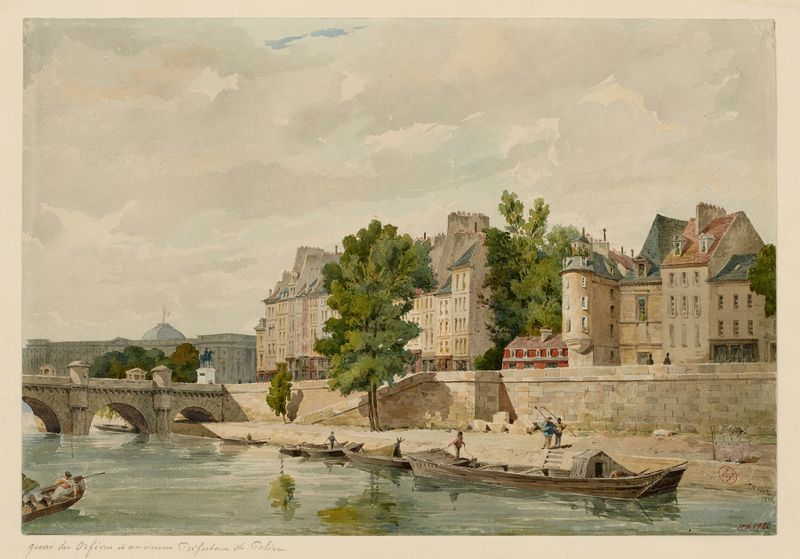
Ancienne Préfecture de Police, quai des Orfèvres et Pont Neuf en 1850
Louis-Martial-Théodat Masson
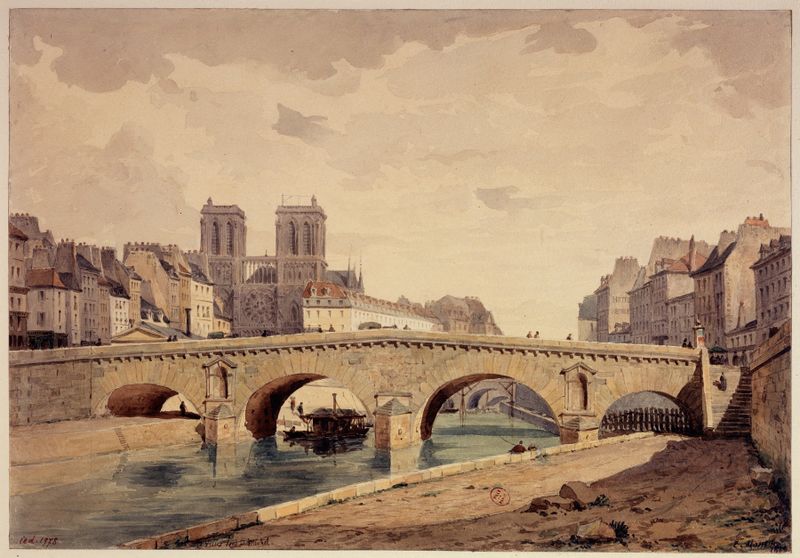
Le vieux pont Saint-Michel en 1850
Louis-Martial-Théodat Masson
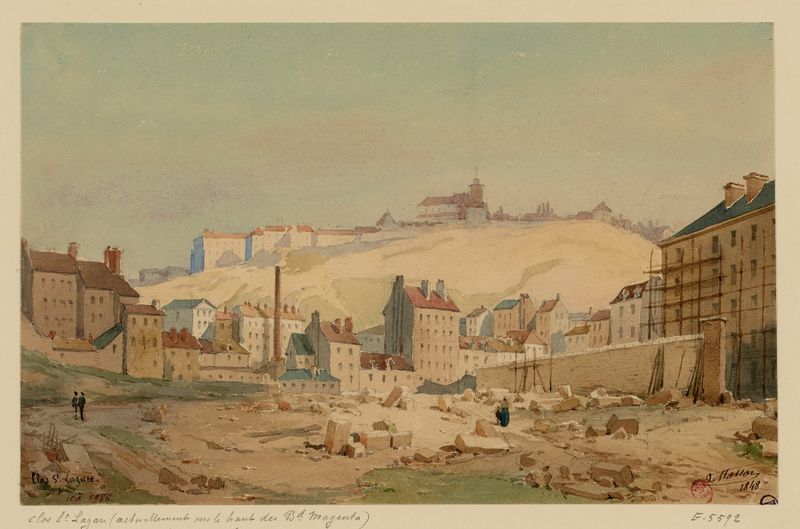
Le clos Saint-Lazare et la butte Montmartre en 1848
Louis-Martial-Théodat Masson
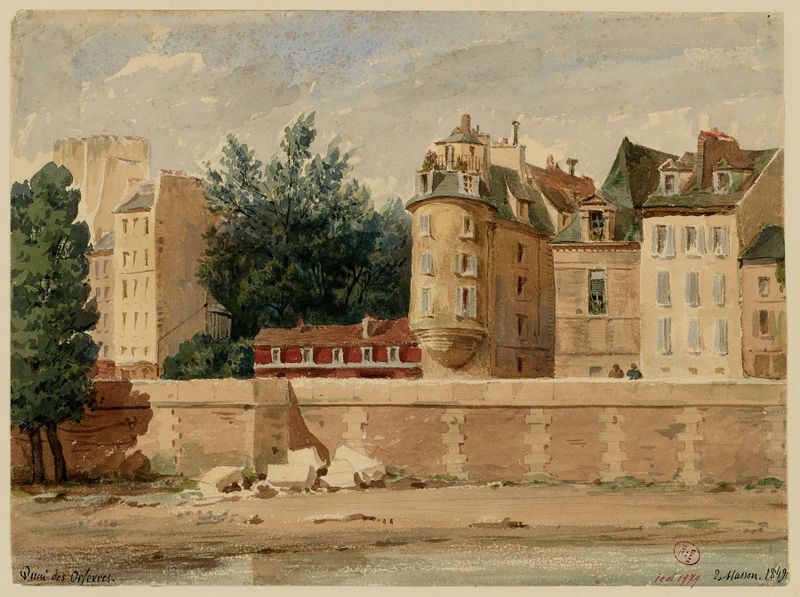
Ancienne Préfecture de Police en 1849
Louis-Martial-Théodat Masson
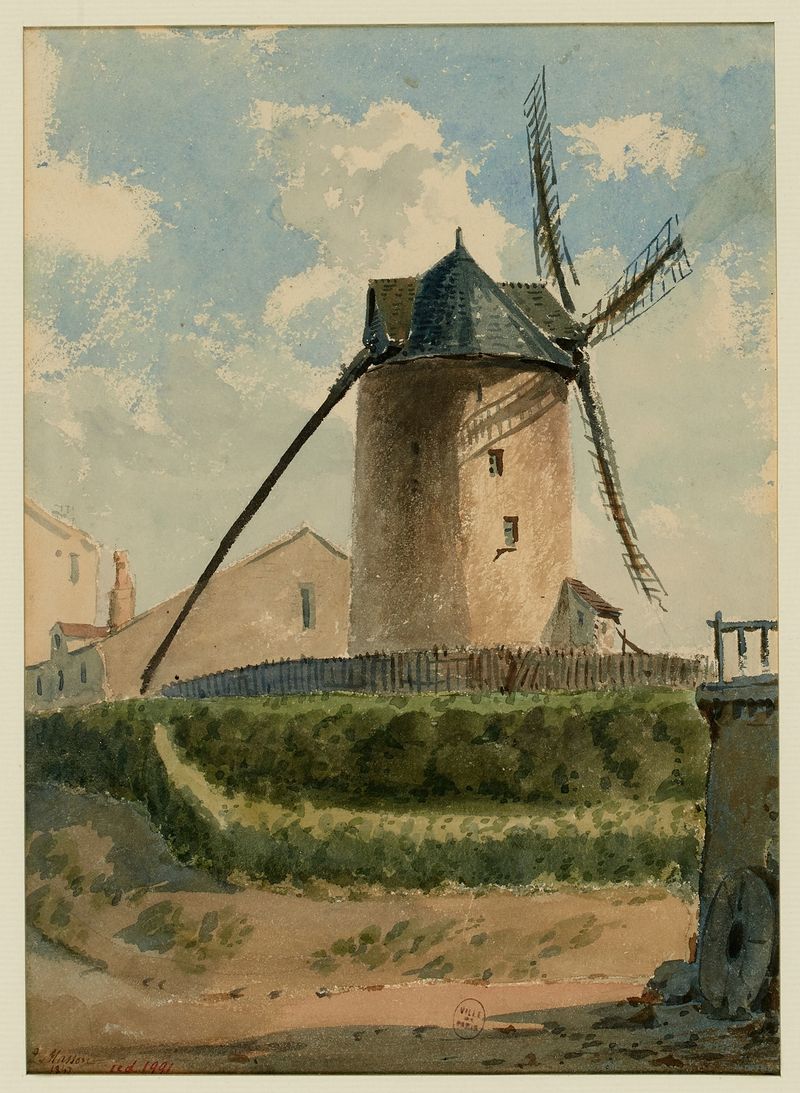
Moulin rue Girardon à Montmartre en 1847, 18ème arrondissement, Paris
Louis-Martial-Théodat Masson
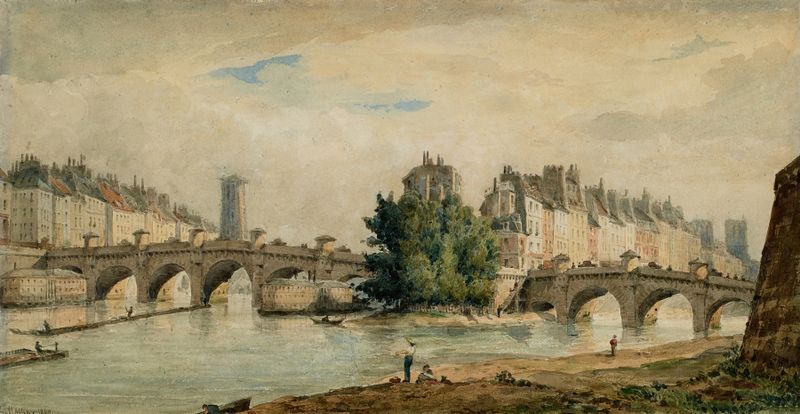
Le Pont-Neuf
Louis-Martial-Théodat Masson
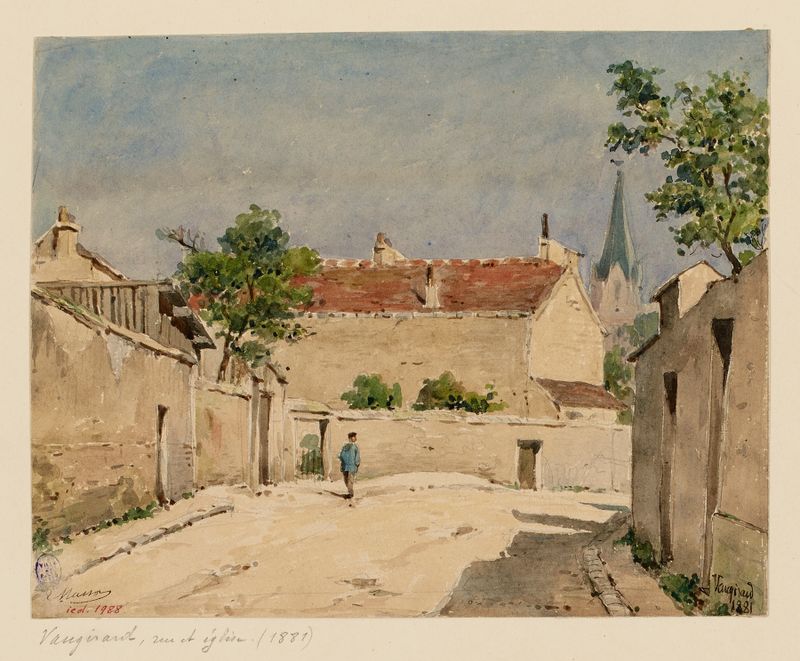
Rue et église à Vaugirard en 1881
Louis-Martial-Théodat Masson
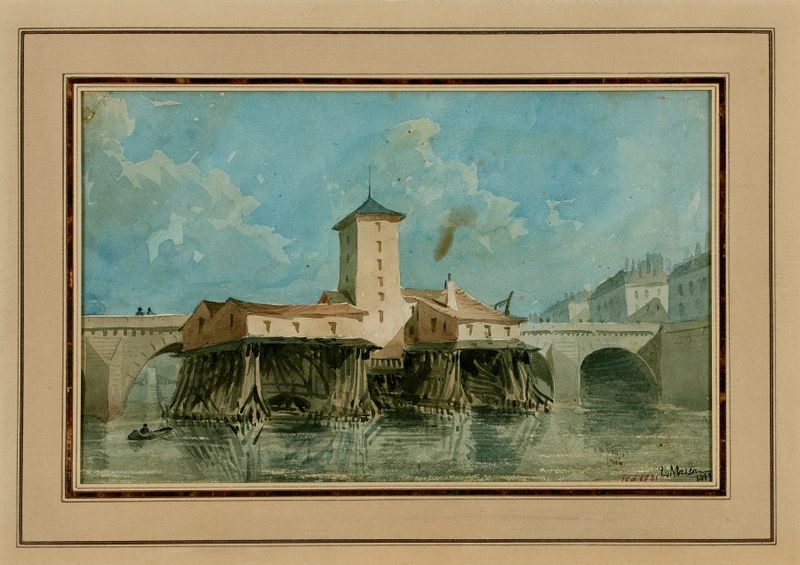
Pompe Notre-Dame en 1849
Louis-Martial-Théodat Masson
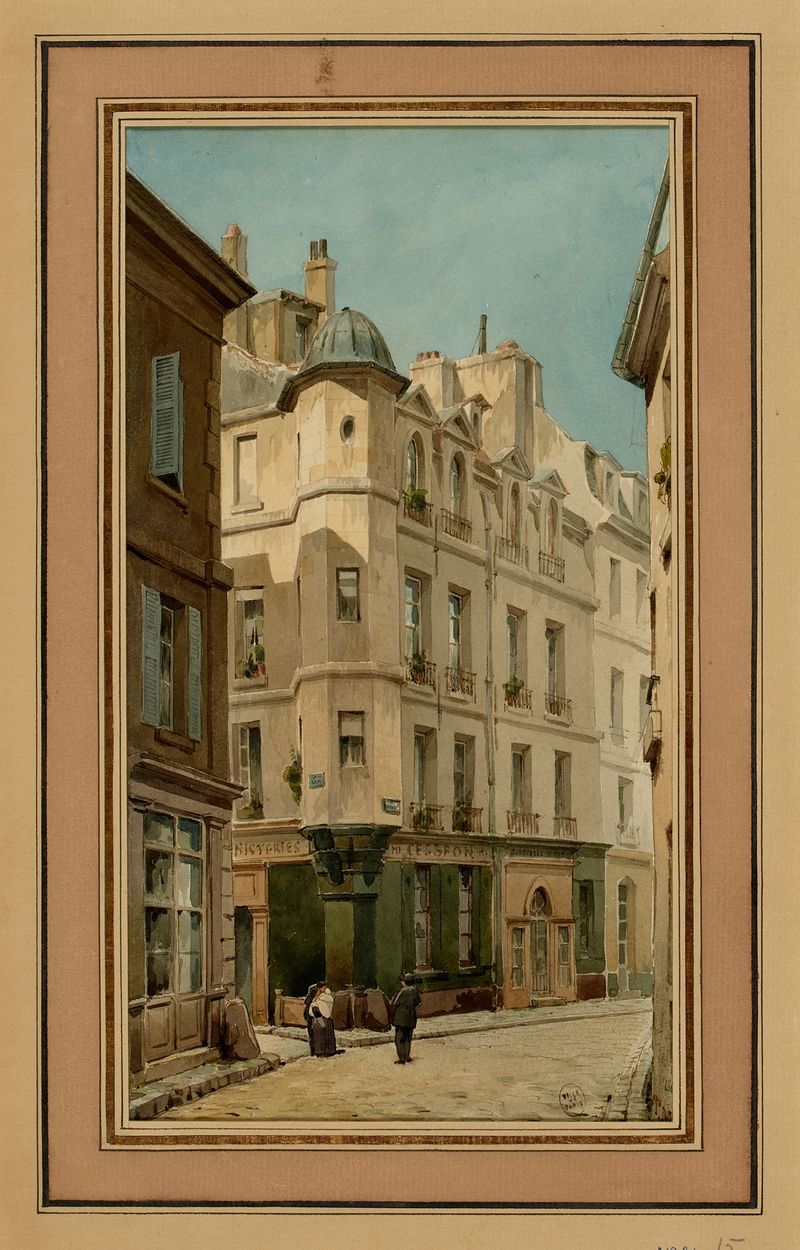
Tourelle rue du Jardinet en 1869
Louis-Martial-Théodat Masson
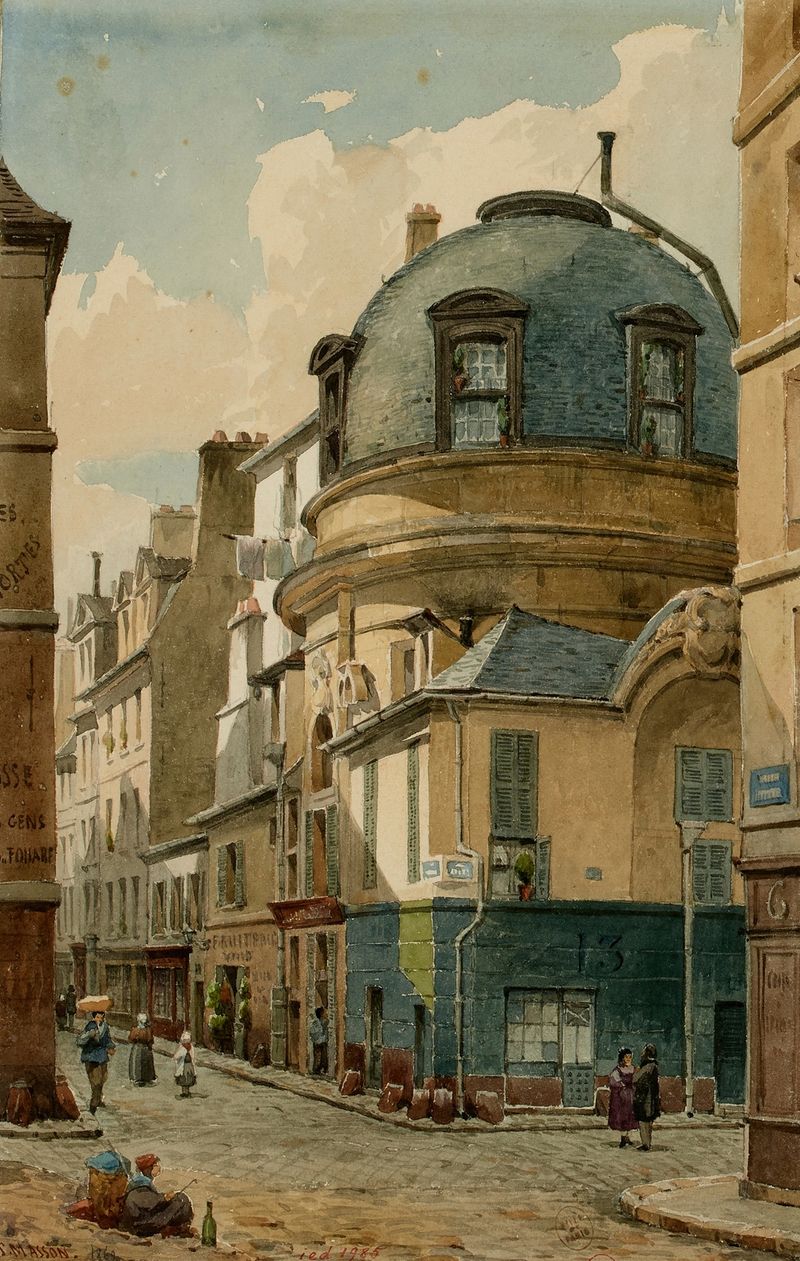
L’ancienne école de médecine en 1869
Louis-Martial-Théodat Masson
More Architecture Art
Browse all →
The statue of Liberty
Frédéric Auguste Bartholdi

View of Houses in Delft, Known as ‘The Little Street’
Johannes Vermeer

View of Houses in Delft, Known as ‘The Little Street’
Johannes Vermeer

The Cathedral in Rouen. The portal, Grey Weather
Claude Monet

The yellow house
Vincent van Gogh

The Church in Auvers-sur-Oise, View from the Chevet
Vincent van Gogh