
Pompe Notre-Dame en 1849 — History & Facts
Can beauty exist without sorrow? In the intricate embrace of light and shadow, Pompe Notre-Dame en 1849 invites reflection on the profound interconnections of faith and loss. Look to the center of the canvas where the majestic façade of Notre-Dame rises, grand yet solemn, a testament to resilience against the backdrop of a muted sky. The artist employs delicate brushwork to capture the intricate details of the cathedral’s architecture. Notice how the warm ochres and grays of the stone contrast with the cool blues, evoking a sense of melancholy while illuminating the enduring spirit of this sacred space.
The figures in the foreground, small and motionless, seem dwarfed by the monumental structure, embodying the weight of collective grief. Within this scene lies a complex emotional landscape; the cathedral is not merely a building, but a symbol of faith standing resilient amidst turmoil. The stillness of the figures suggests a moment of contemplation, perhaps mourning for what has been lost in the wake of societal upheaval. The juxtaposition of architectural grandeur and human vulnerability creates a poignant dialogue between beauty and the sorrow that often accompanies it, prompting viewers to ponder the essence of their own beliefs. During the period when this work was created, the artist found himself in the throes of a changing France, reflecting on a society grappling with its identity.
The mid-19th century was marked by political strife and the shifting tides of art, as Romanticism began to give way to Realism. Living in this cultural milieu, the artist sought to capture not just the physical form of Notre-Dame, but also its deeper resonance within the hearts of those who looked upon it.
More Artworks by Louis-Martial-Théodat Masson
Browse all →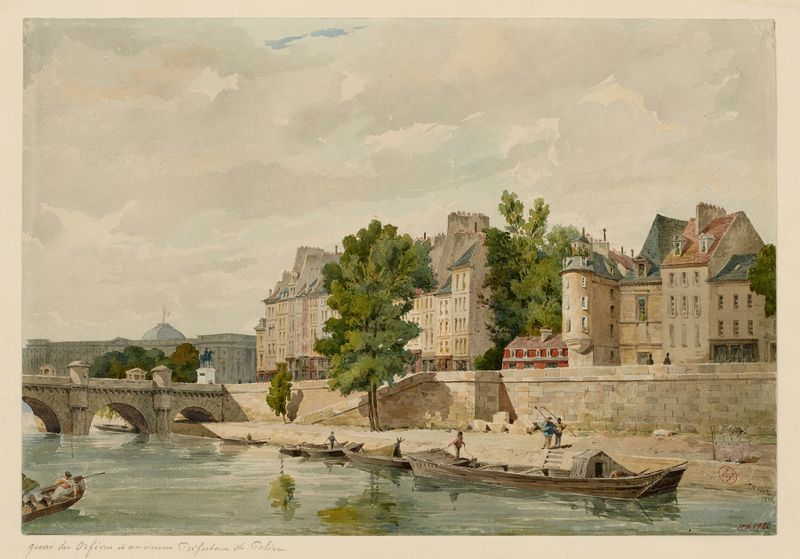
Ancienne Préfecture de Police, quai des Orfèvres et Pont Neuf en 1850
Louis-Martial-Théodat Masson
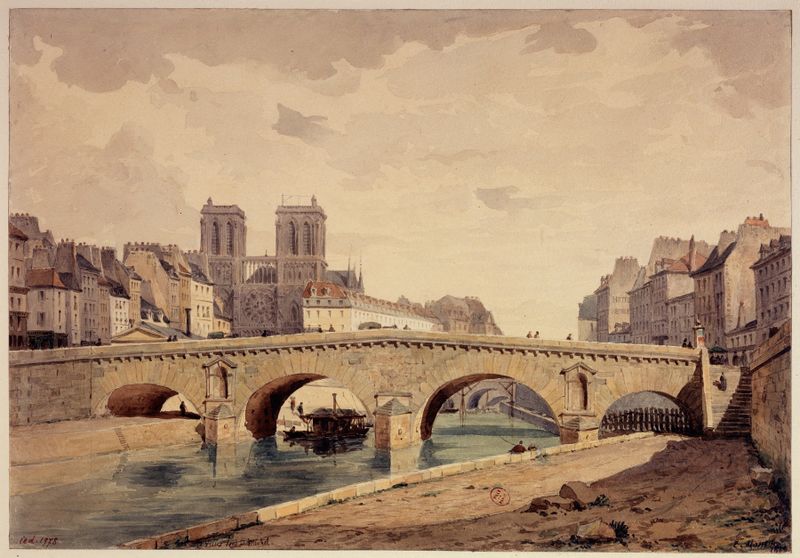
Le vieux pont Saint-Michel en 1850
Louis-Martial-Théodat Masson
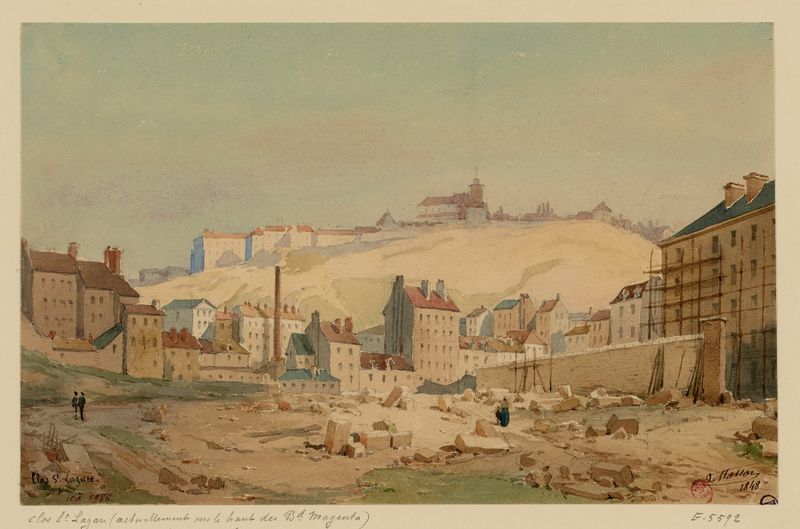
Le clos Saint-Lazare et la butte Montmartre en 1848
Louis-Martial-Théodat Masson
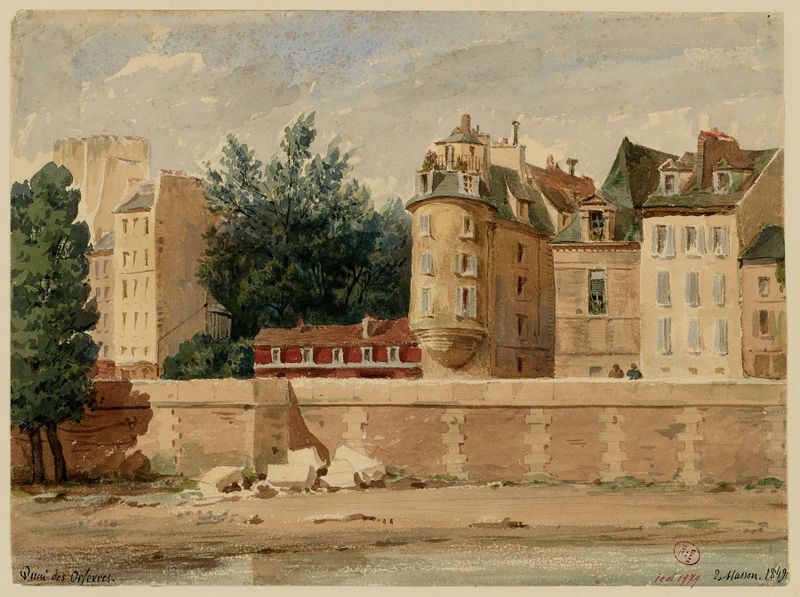
Ancienne Préfecture de Police en 1849
Louis-Martial-Théodat Masson
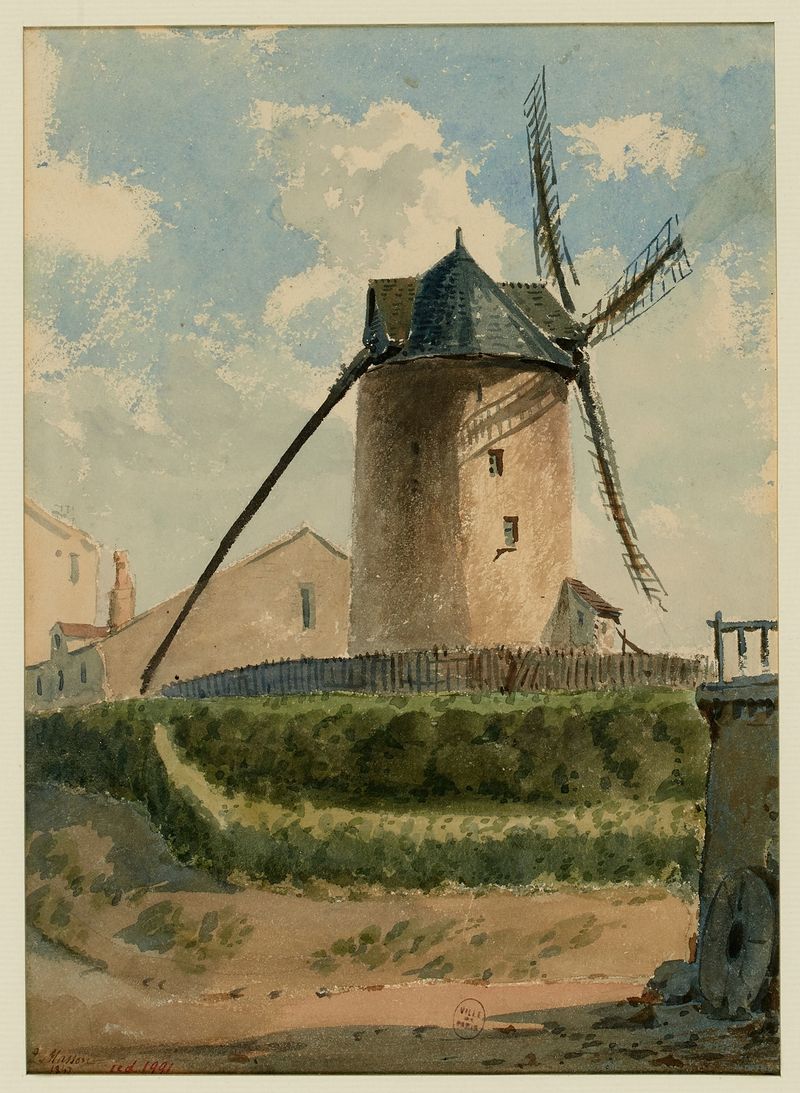
Moulin rue Girardon à Montmartre en 1847, 18ème arrondissement, Paris
Louis-Martial-Théodat Masson
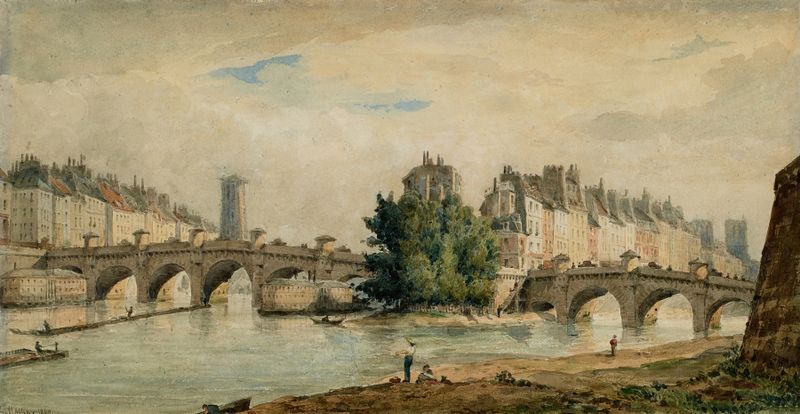
Le Pont-Neuf
Louis-Martial-Théodat Masson
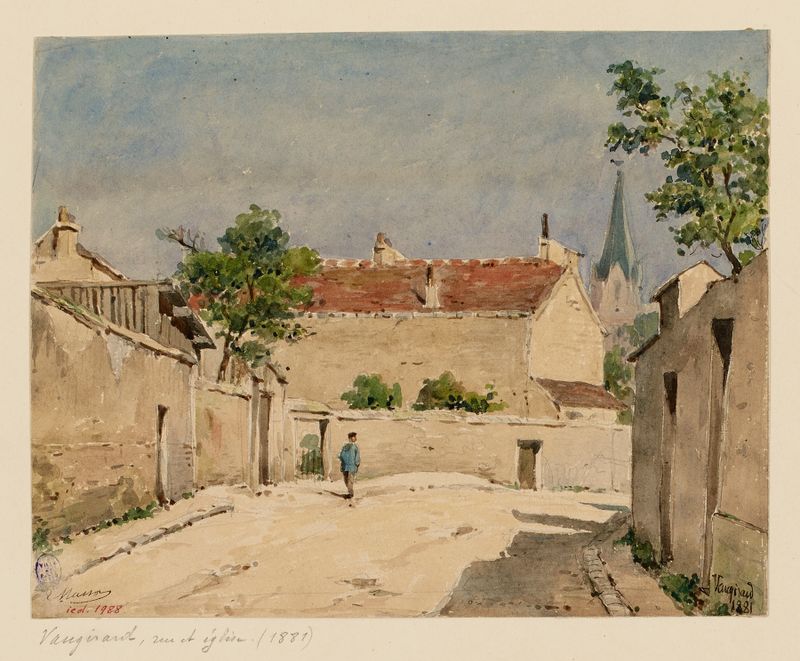
Rue et église à Vaugirard en 1881
Louis-Martial-Théodat Masson
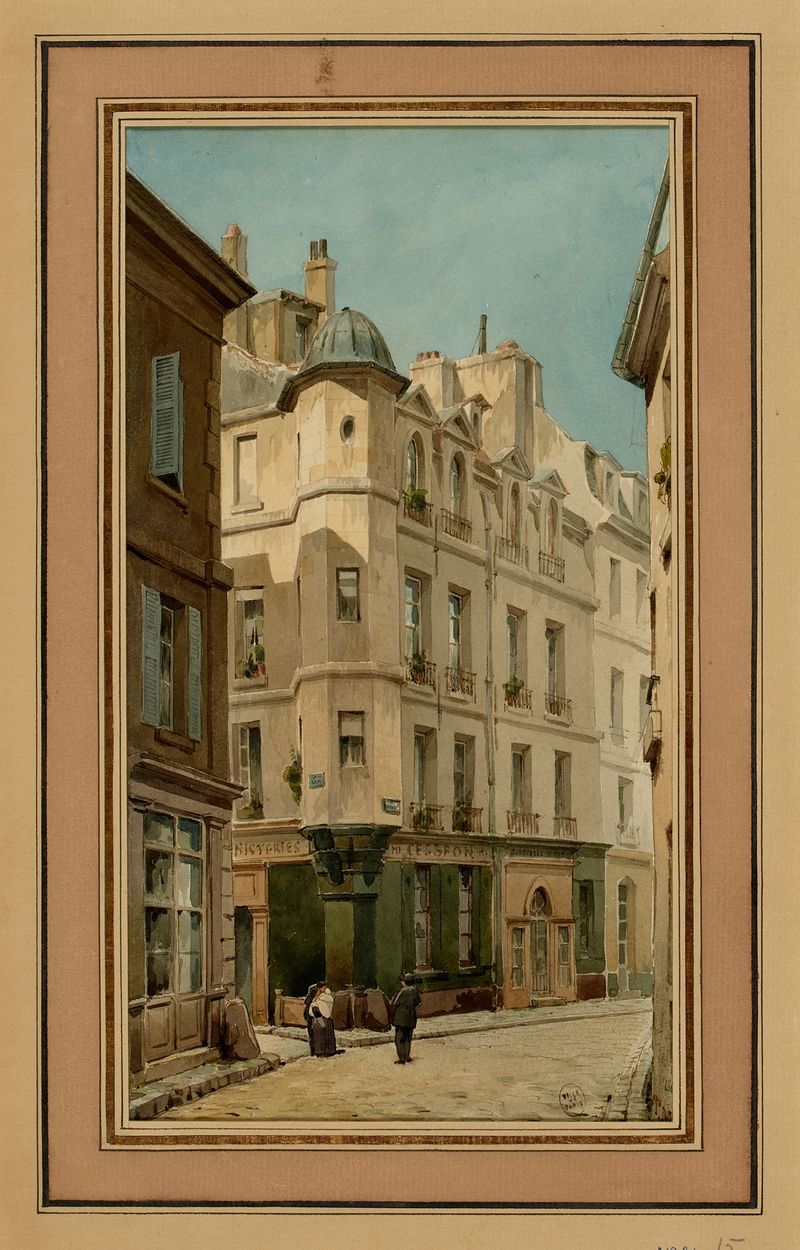
Tourelle rue du Jardinet en 1869
Louis-Martial-Théodat Masson
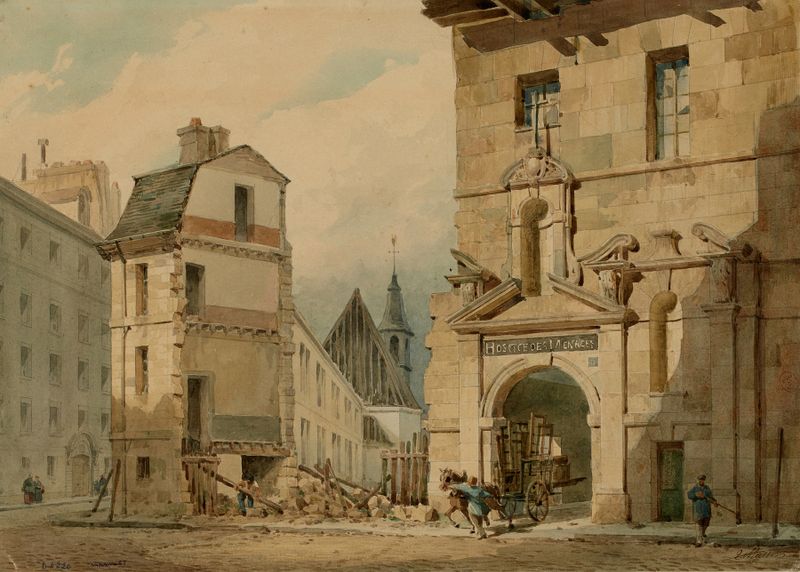
L’hospice des Petits-Ménages, rue de la Chaise
Louis-Martial-Théodat Masson
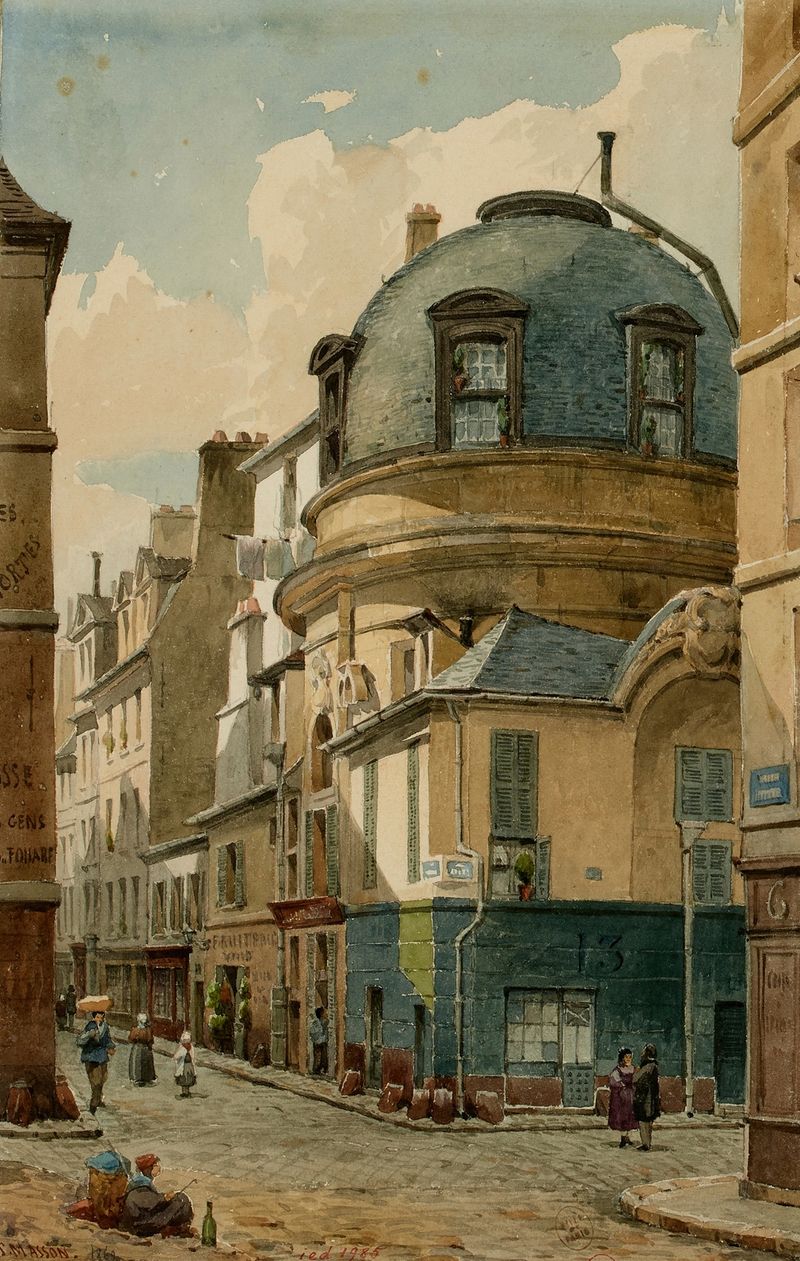
L’ancienne école de médecine en 1869
Louis-Martial-Théodat Masson
More Architecture Art
Browse all →
The statue of Liberty
Frédéric Auguste Bartholdi

View of Houses in Delft, Known as ‘The Little Street’
Johannes Vermeer

View of Houses in Delft, Known as ‘The Little Street’
Johannes Vermeer

The Cathedral in Rouen. The portal, Grey Weather
Claude Monet

The yellow house
Vincent van Gogh

The Church in Auvers-sur-Oise, View from the Chevet
Vincent van Gogh