
Le débardeur — History & Facts
A void can haunt the brightest of colors, revealing a profound truth that lies beneath the surface. Look to the center of the canvas, where the figure stands poised yet contemplative, a solitary presence amidst a sea of vibrant hues. Notice how the warm golds and deep blues intertwine, creating an atmosphere that is both alive and melancholic. The brushwork is dynamic yet sensitive, capturing movement that suggests not only physicality but also an inner struggle, as if the figure is caught between worlds. The juxtaposition of light and shadow is striking, with light illuminating the figure’s form while the background fades into an enigmatic blur.
The contrast speaks to the tension of existence—beauty framed by an overwhelming sense of void. Each stroke conveys an emotion, as the viewer is left to ponder the narrative behind the expression, where hope and despair coexist in delicate balance. In 1893, Armand Seguin was exploring the Post-Impressionist movement, a time when he was deeply influenced by the works of Van Gogh and Gauguin. Living in France, he sought to convey not only the visual beauty of his subjects but also the emotional depth they encapsulated.
This painting emerged during a period of experimentation in his artistic journey, reflecting his search for meaning in a rapidly changing world.
More Artworks by Armand Seguin
Browse all →
Femmes et vaches dans les champs en Bretagne
Armand Seguin
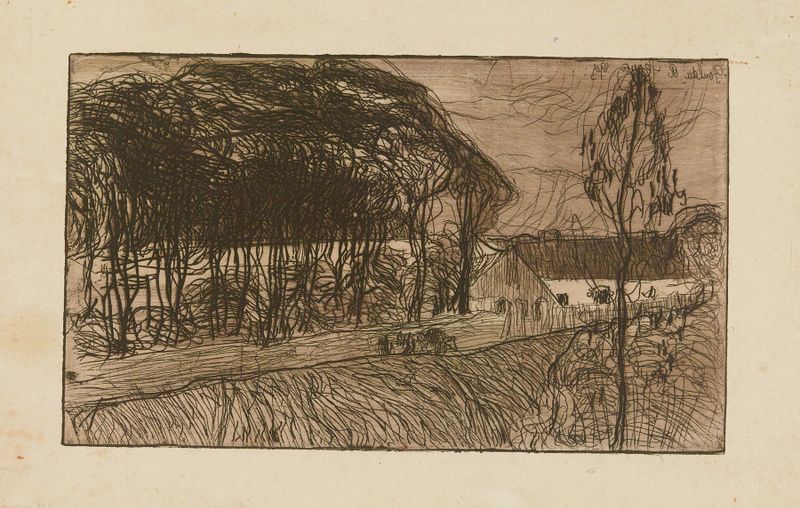
La Route du Pouldu
Armand Seguin

Pêcheurs de goémons
Armand Seguin
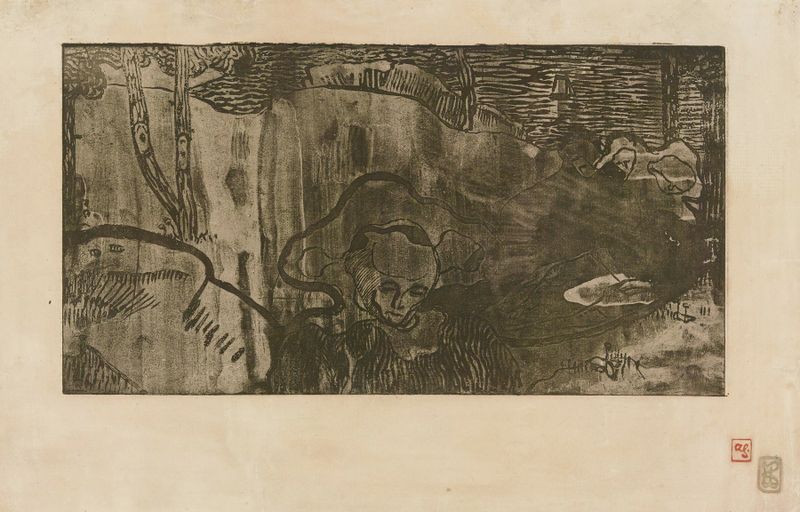
Décoration de Bretagne – Bretonnes au bord de la mer
Armand Seguin
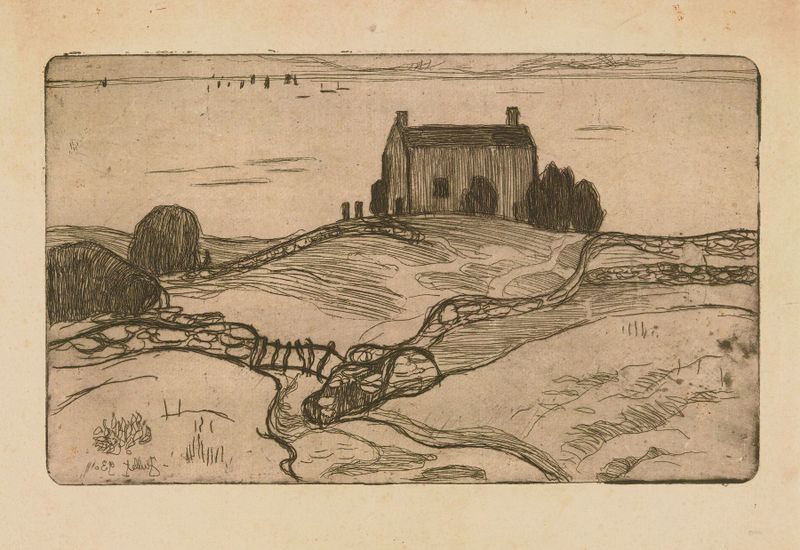
La maison du pendu
Armand Seguin
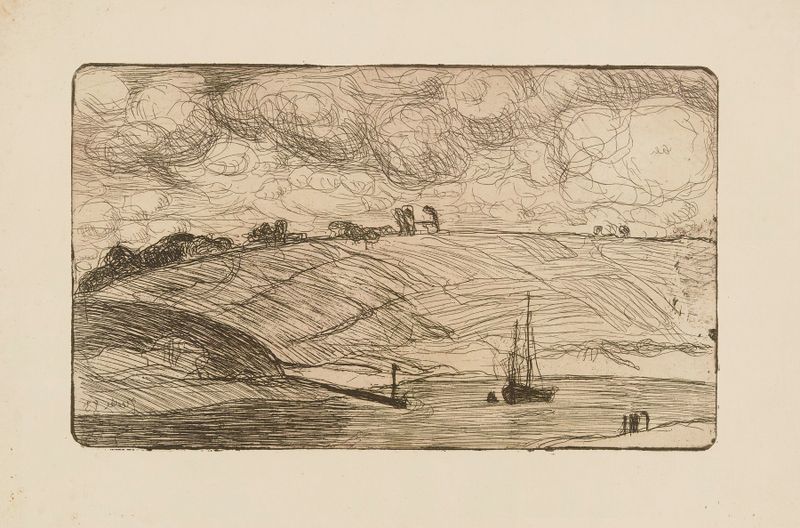
L’entrée de la rivière
Armand Seguin
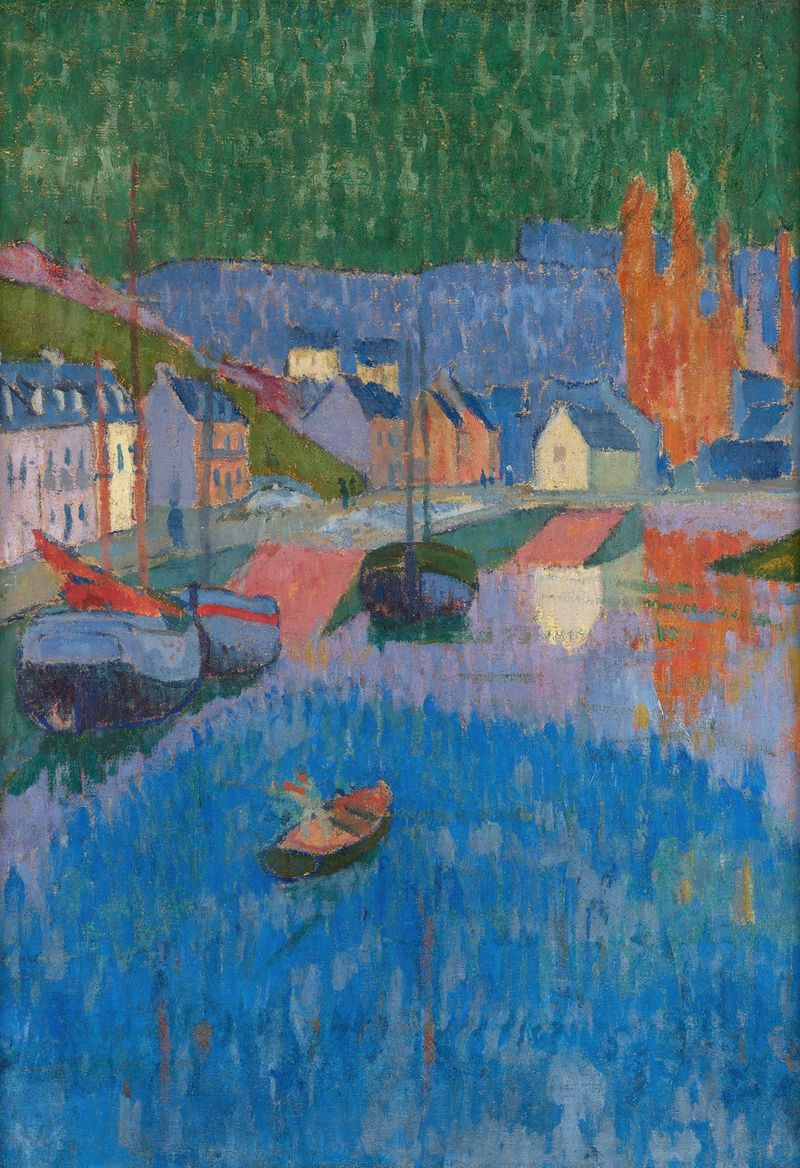
Seaport
Armand Seguin
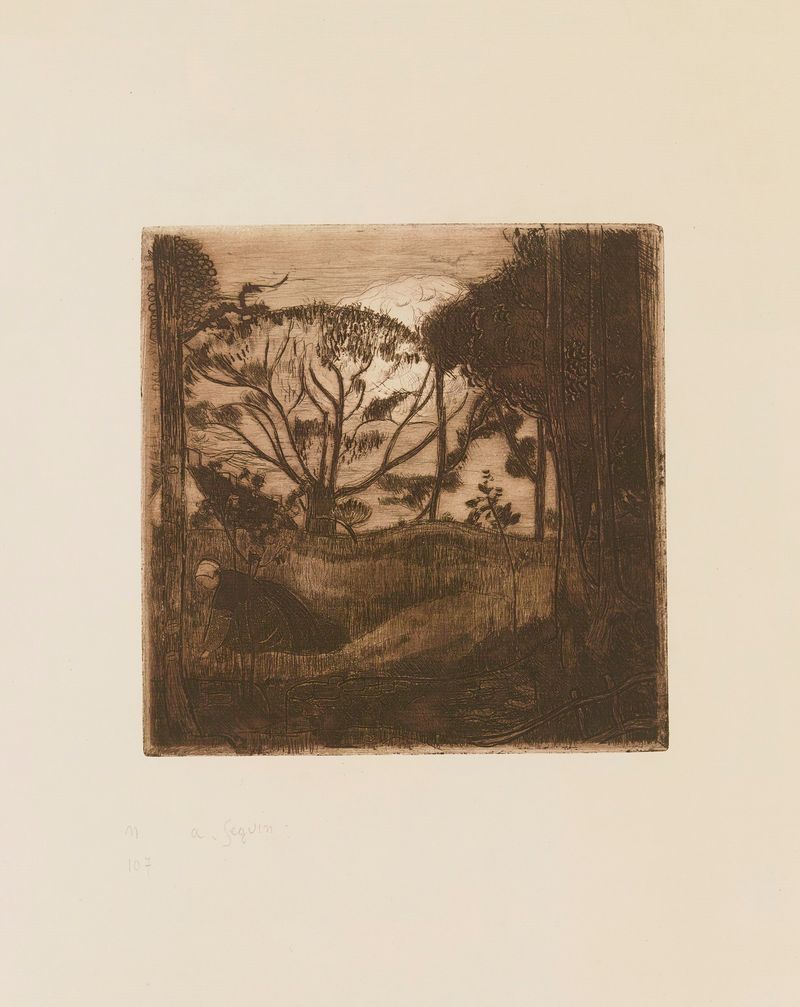
Le soir ou La glaneuse
Armand Seguin
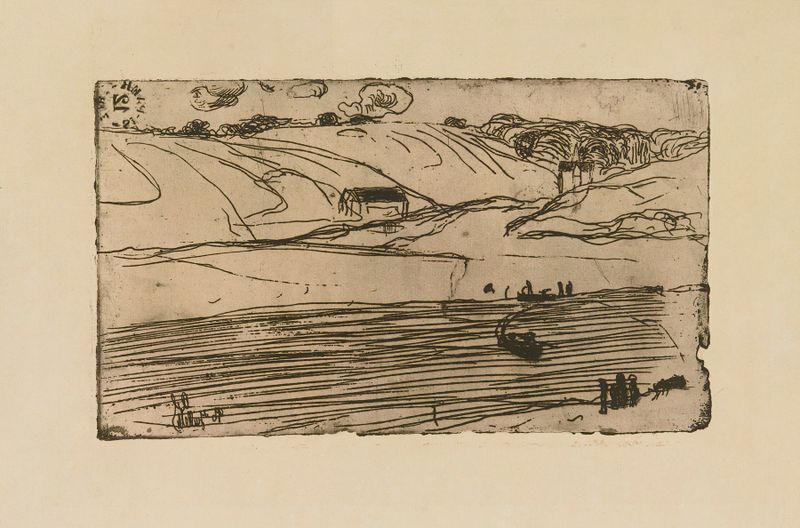
La pêche
Armand Seguin
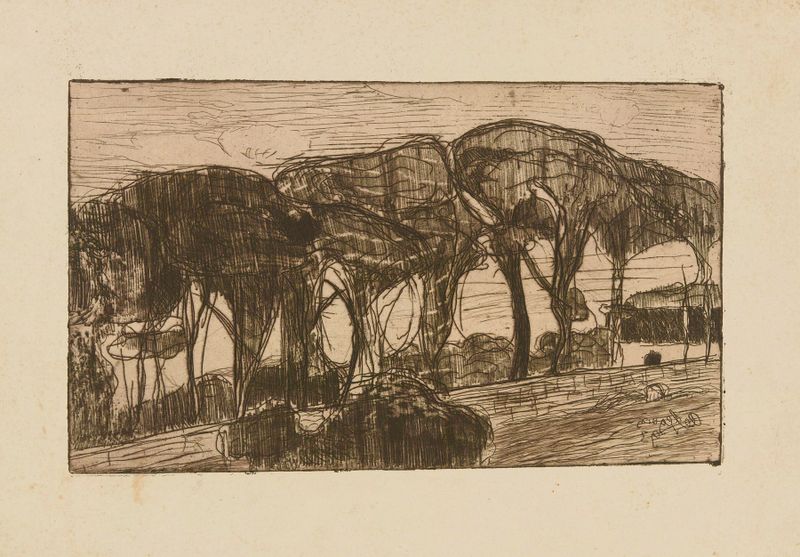
Les sapins
Armand Seguin
More Portrait Art
Browse all →
Las meninas
Diego Velázquez

Self-portrait with a Bandaged Ear and Pipe
Unidentified artist

Girl with a Pearl Earring
Johannes Vermeer

The Sampling Officials of the Amsterdam Drapers’ Guild, Known as ‘The Syndics’
Rembrandt van Rijn

The Hundred Guilder Print: the man seen on the back in the lower left corner
Rembrandt van Rijn

Portrait of Dr Gachet
Vincent van Gogh