
Seaport — History & Facts
What secret hides in the quiet of the canvas? Beneath the surface of Seaport, a profound sense of loneliness reverberates, inviting a deeper exploration of solitude amidst the bustling world. Look to the left at the gently swaying masts, their outlines stark against the muted backdrop of a twilight sky. Notice how the colors blend — soft blues and greys merging with strokes of warm white, creating a tranquil yet melancholic atmosphere. The boats, anchored in stillness, seem to yearn for the companionship of the sea, their reflections trembling on the water's surface, echoing a silent longing that transcends the canvas. As your gaze dances across the painting, subtle contrasts arise between the vibrancy of the port and the desolation of its surroundings.
The solitary figures, small and isolated, embody a deeper narrative of connection lost amid the expanse of space. The juxtaposition of the active boats and the empty docks highlights a profound tension — a longing for interaction in a world that often feels distant and unwelcoming. In the early 1890s, a time when Seguin was immersed in the Post-Impressionist movement in France, he sought to explore personal experiences through his art. Living in the vibrant yet isolating atmosphere of the evolving artistic landscape, he captured the essence of human solitude against the backdrop of the lively seaport, reflecting both his internal struggles and the broader societal feelings of disconnection.
More Artworks by Armand Seguin
Browse all →
Femmes et vaches dans les champs en Bretagne
Armand Seguin
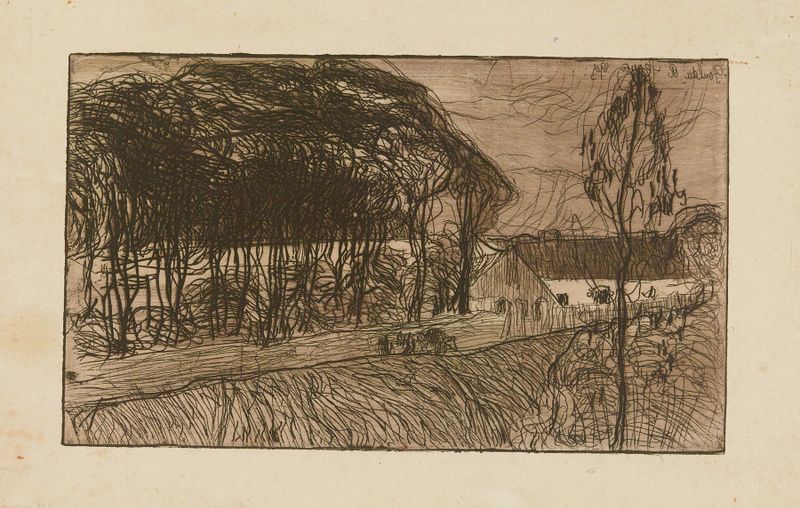
La Route du Pouldu
Armand Seguin

Pêcheurs de goémons
Armand Seguin
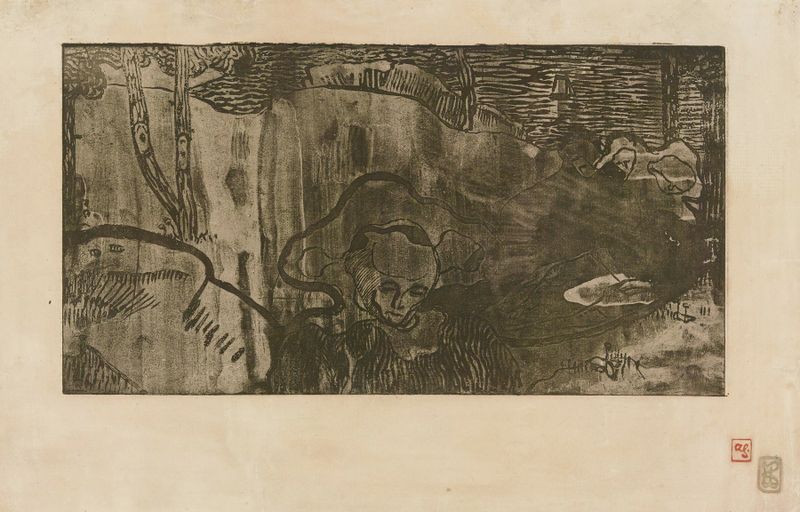
Décoration de Bretagne – Bretonnes au bord de la mer
Armand Seguin
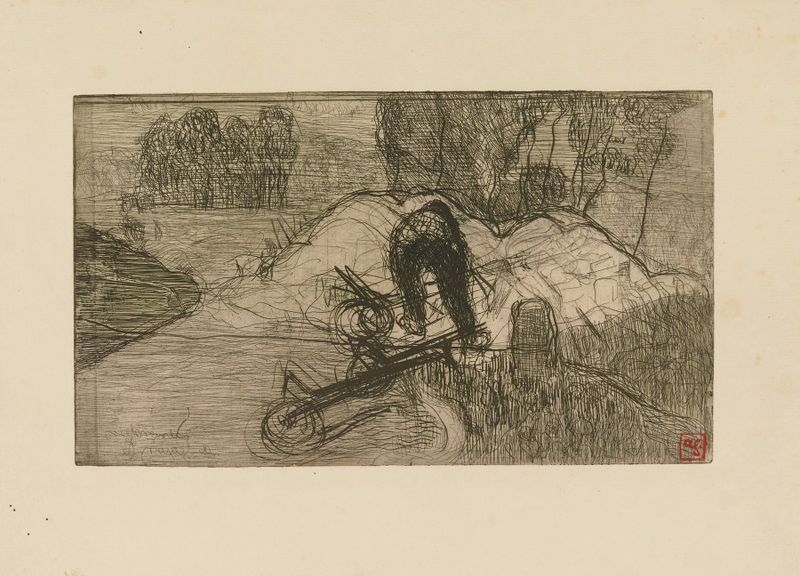
Le débardeur
Armand Seguin
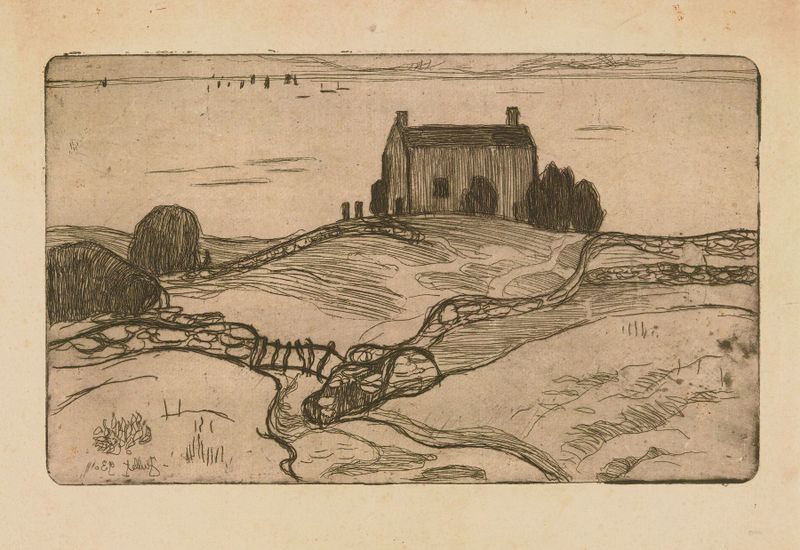
La maison du pendu
Armand Seguin
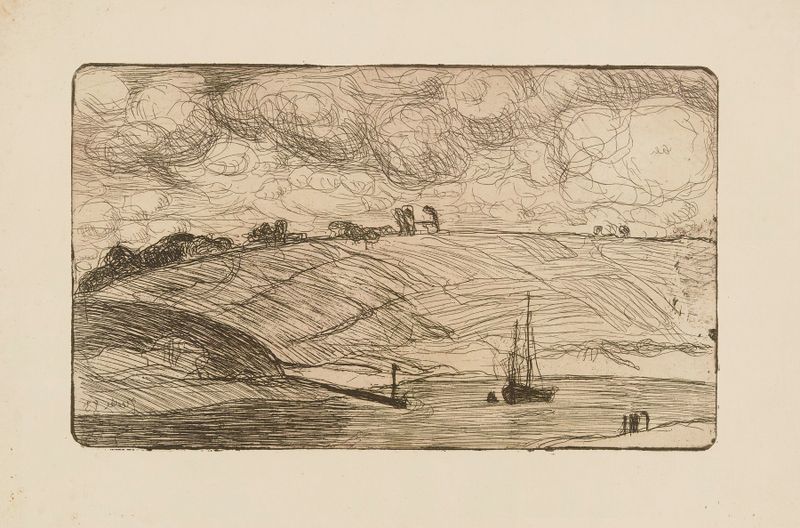
L’entrée de la rivière
Armand Seguin
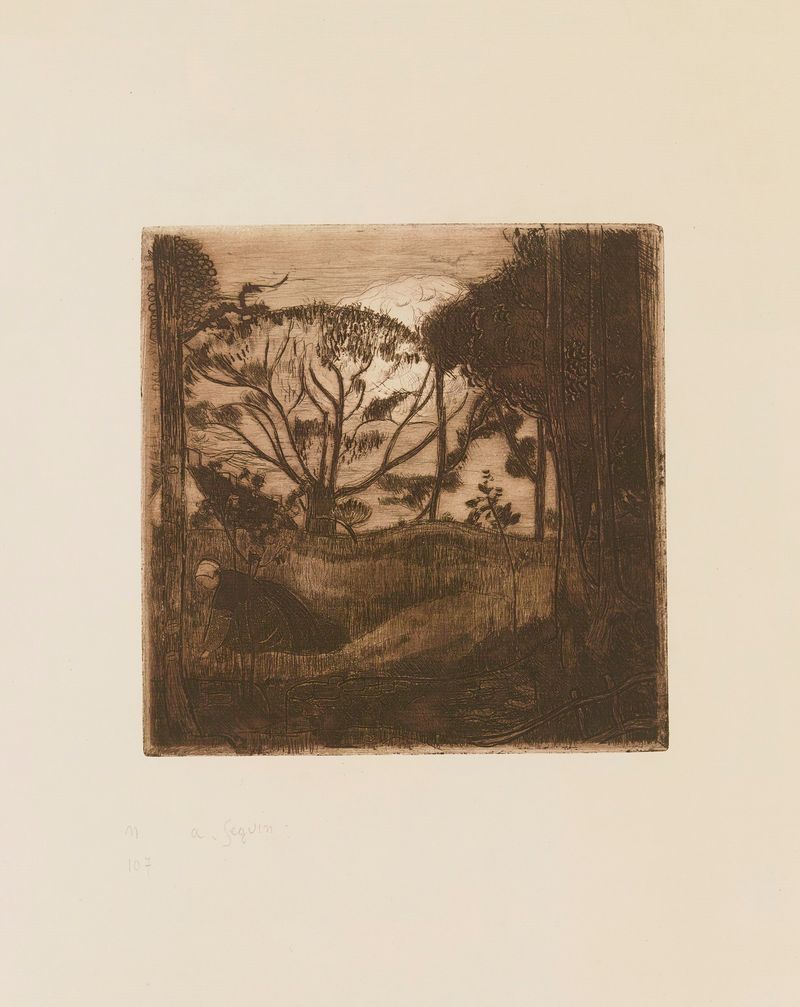
Le soir ou La glaneuse
Armand Seguin
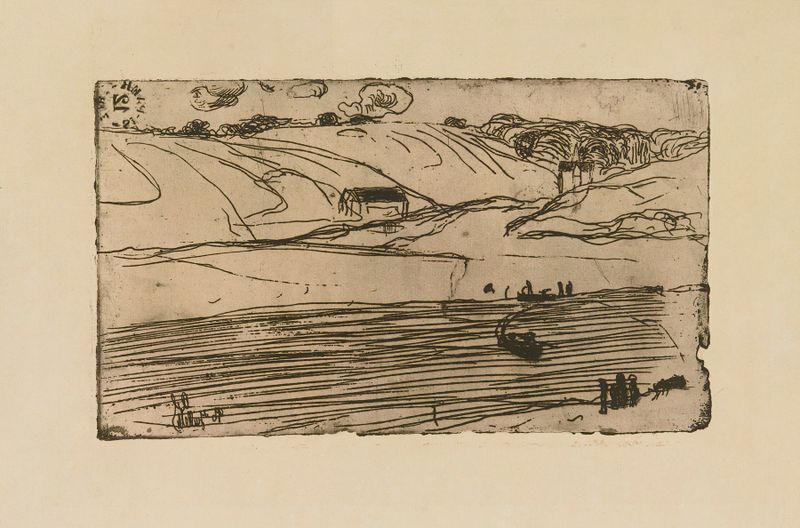
La pêche
Armand Seguin
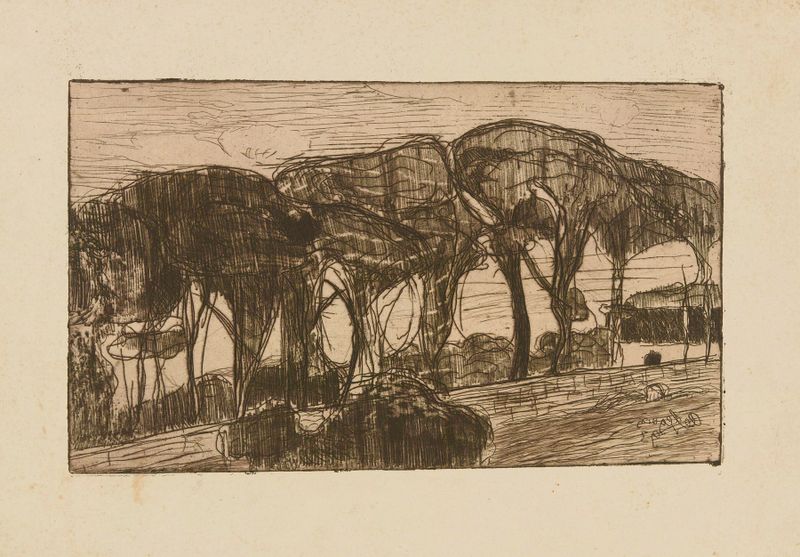
Les sapins
Armand Seguin





