
Femmes et vaches dans les champs en Bretagne — History & Facts
Who listens when art speaks of silence? In Femmes et vaches dans les champs en Bretagne, the stillness resonates with a yearning that transcends the canvas. Look to the left at the gently curved hills, their soft greens mingling with the vibrant blues of the sky. The figures of women, modest yet purposeful, stand amidst grazing cows, painted with fluid brush strokes that evoke warmth and intimacy. Notice how the sunlight bathes the scene, illuminating the figures while casting long shadows on the ground, creating a contrast between the vibrancy of life and the quietude of labor. The painting encapsulates a poignant harmony between nature and humanity, where the presence of the cows symbolizes sustenance and the women embody resilience.
Each figure appears lost in thought, perhaps reflecting a longing for connection to the land and each other. The subdued colors and serene expressions suggest a deeper narrative, one of a simpler life that carries unspoken stories of toil and hope. Armand Seguin painted this work in 1893 while immersed in the Post-Impressionist movement, a time when artists were shifting away from realism toward a subjective interpretation of the world. Living in Brittany, Seguin sought to capture the essence of rural life, often drawing inspiration from the region's landscapes and its people.
At this moment in art history, he was exploring new techniques and color palettes, embracing the emotional aspects of his subjects while contributing to the evolving dialogue of modern art.
More Artworks by Armand Seguin
Browse all →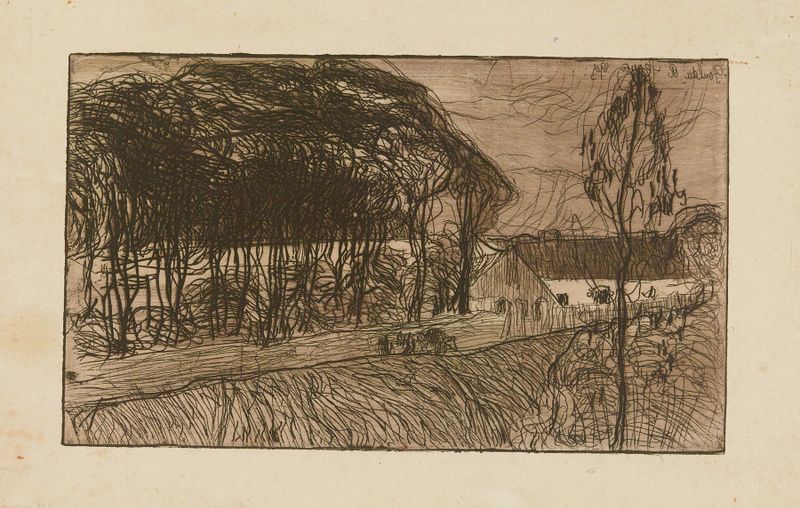
La Route du Pouldu
Armand Seguin

Pêcheurs de goémons
Armand Seguin
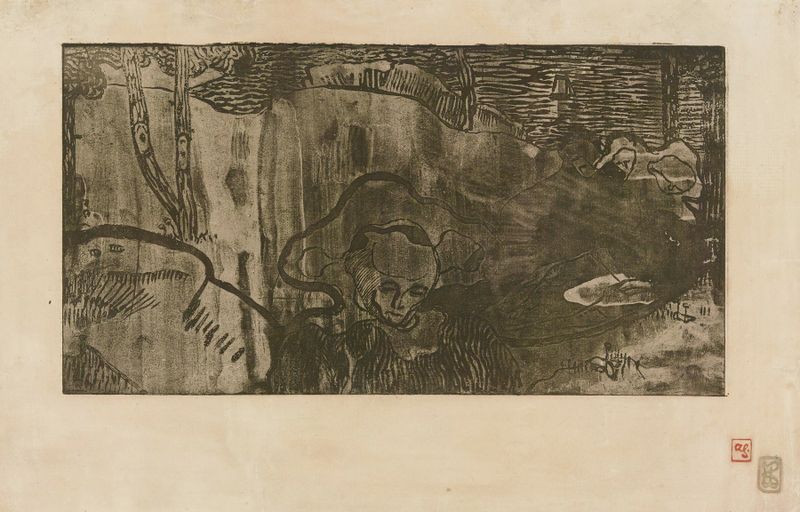
Décoration de Bretagne – Bretonnes au bord de la mer
Armand Seguin
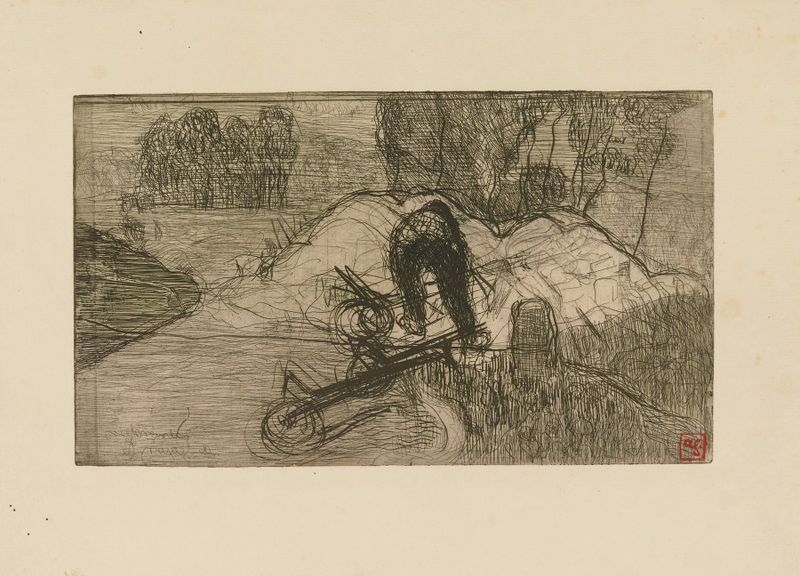
Le débardeur
Armand Seguin
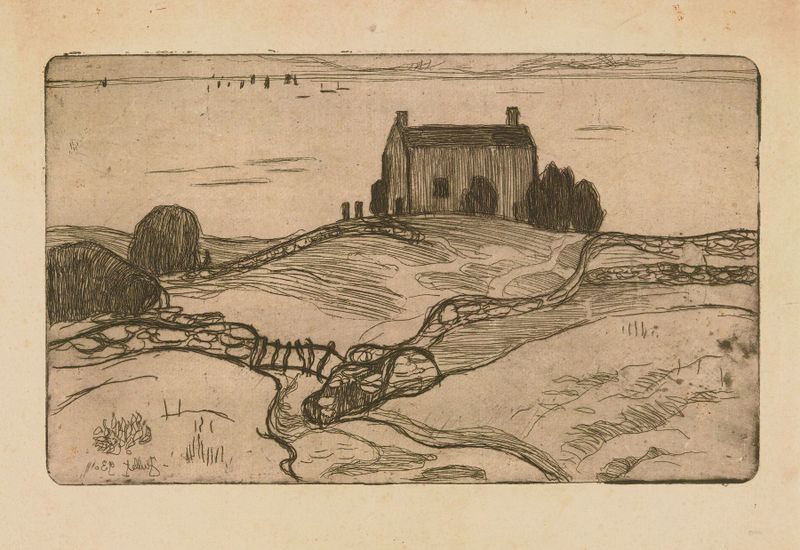
La maison du pendu
Armand Seguin
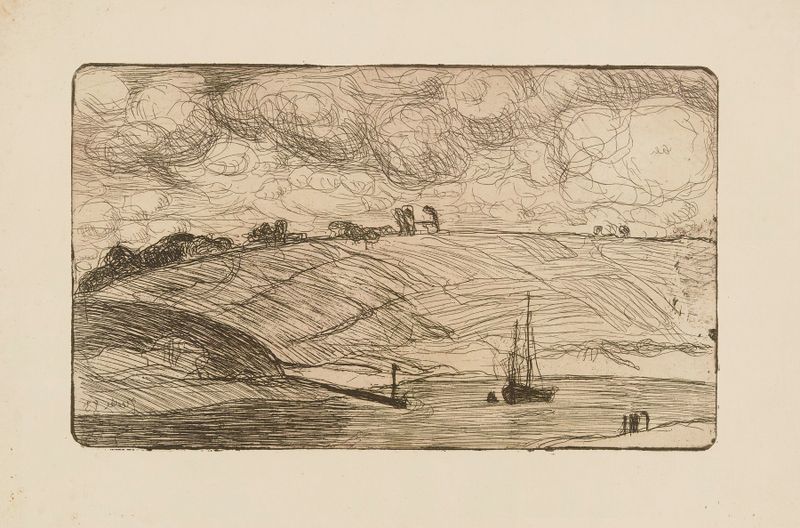
L’entrée de la rivière
Armand Seguin
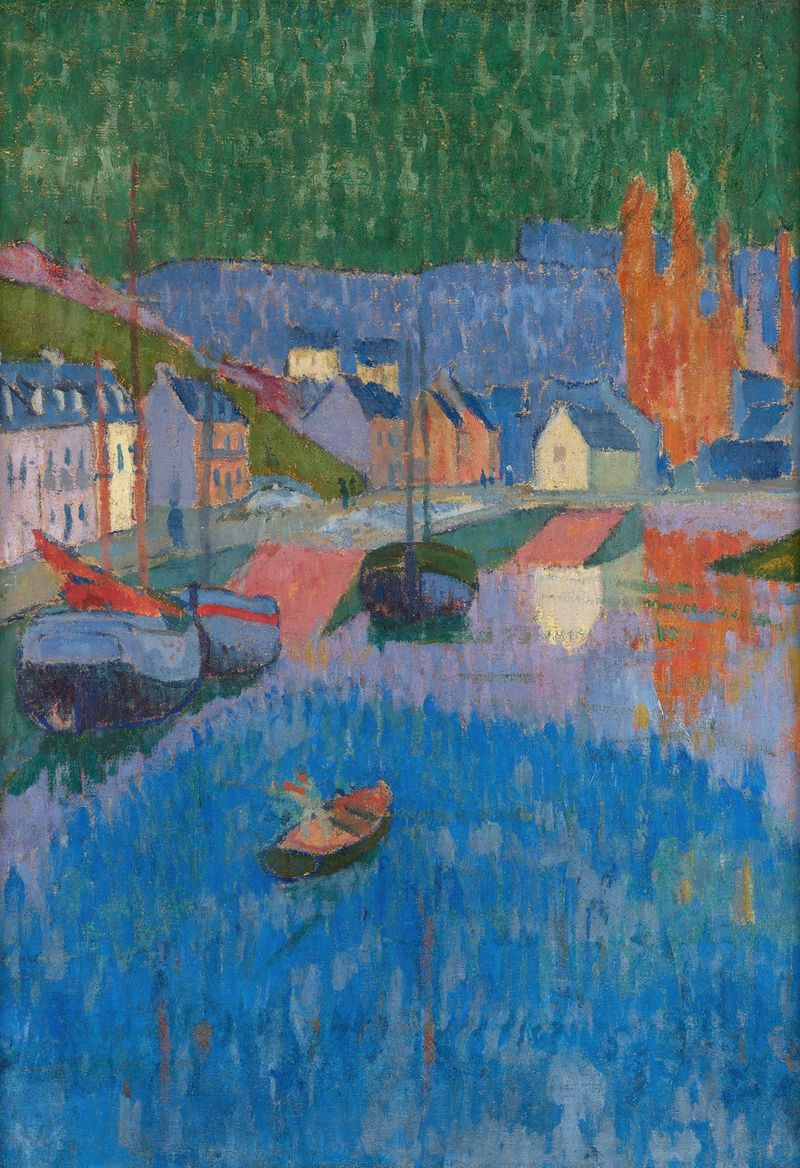
Seaport
Armand Seguin
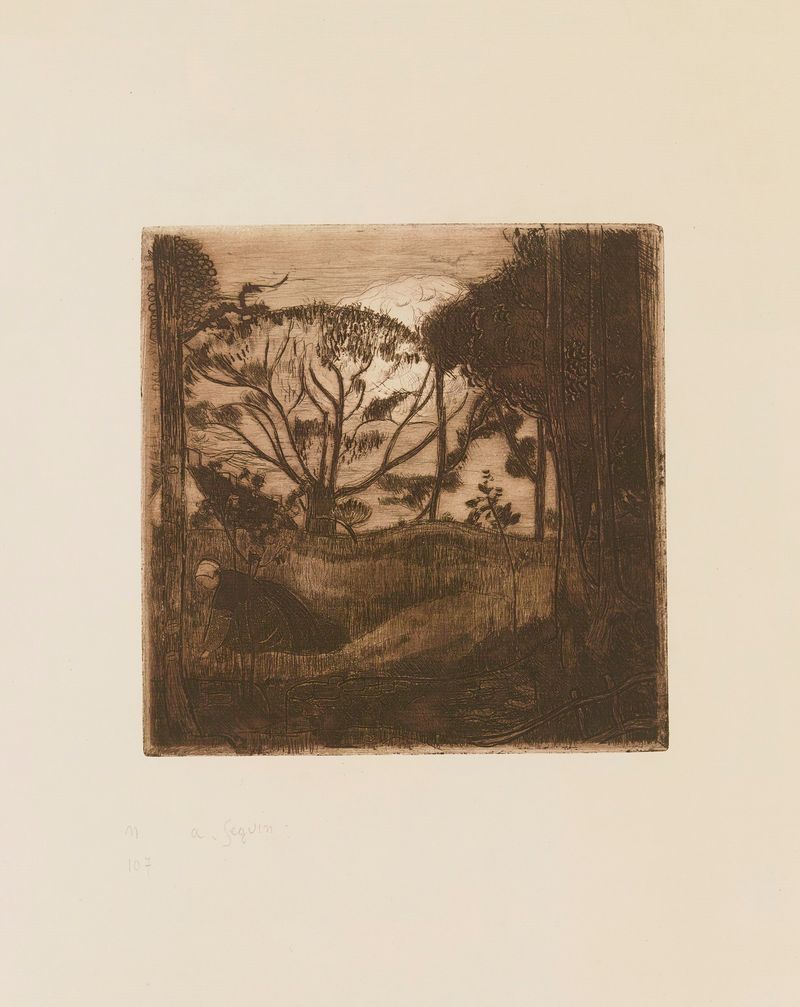
Le soir ou La glaneuse
Armand Seguin
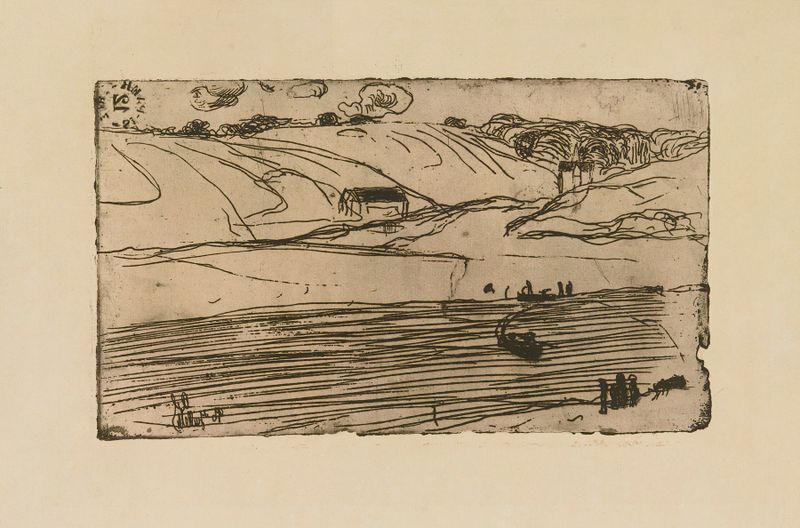
La pêche
Armand Seguin
Les sapins
Armand Seguin





