
Pêcheurs de goémons — History & Facts
In Pêcheurs de goémons, vibrant hues explode onto the canvas, transforming the tumultuous energy of the sea into an exuberant dance of color. It’s a testament to the profound relationship between nature and human endeavor, where every stroke echoes the relentless spirit of the fishermen at work. Look to the center of the painting, where bold strokes of azure and emerald swirl together, depicting the frothy waves crashing against the rocky coastline. The fishermen, with their weathered faces and dynamic postures, are rendered in sweeping lines that capture their toil.
Notice how the bright, sunlit palette contrasts with the darker, muted tones of the rocks, creating a striking balance that reflects both the beauty and danger of their environment. The waves, alive with movement, seem to cradle the men’s efforts, highlighting their intimate connection to the sea. Hidden within the brushwork lies a deeper narrative; the tension between man and nature is palpable in the way the figures are almost swallowed by the sea's embrace. The dynamic colors evoke both struggle and harmony, suggesting that the fishermen are at once conquerors and collaborators with the unpredictable ocean.
The interplay of light and dark not only conveys physicality but also speaks to the emotional weight of their labor, where each day holds both promise and peril. In 1895, as Armand Seguin was immersed in the vibrant art scene of France, he painted this piece in Brittany, where he found inspiration in the local fishermen's daily lives. This period saw a shift towards Impressionism and Post-Impressionism, with artists exploring color and form more freely, allowing him to experiment with his brushwork and palette. These influences shaped a new vision, one where nature's raw energy could be captured in a way that resonated deeply with both the artist and the viewer.
More Artworks by Armand Seguin
Browse all →
Femmes et vaches dans les champs en Bretagne
Armand Seguin
La Route du Pouldu
Armand Seguin
Décoration de Bretagne – Bretonnes au bord de la mer
Armand Seguin
Le débardeur
Armand Seguin
La maison du pendu
Armand Seguin
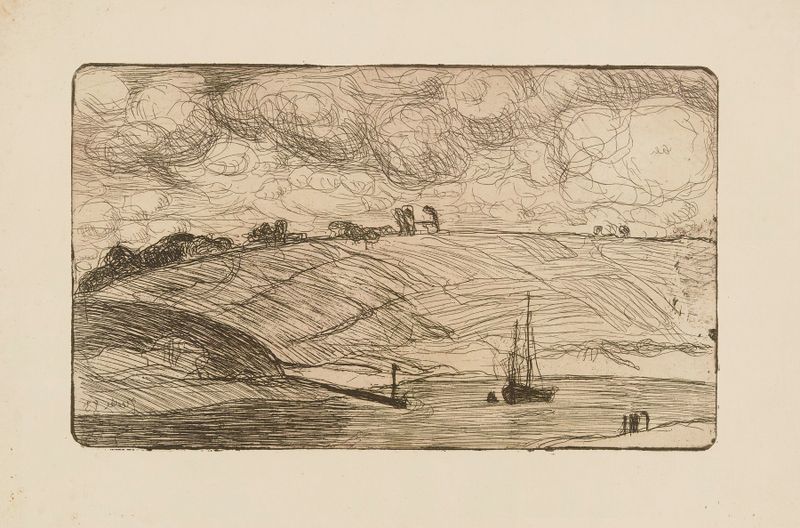
L’entrée de la rivière
Armand Seguin
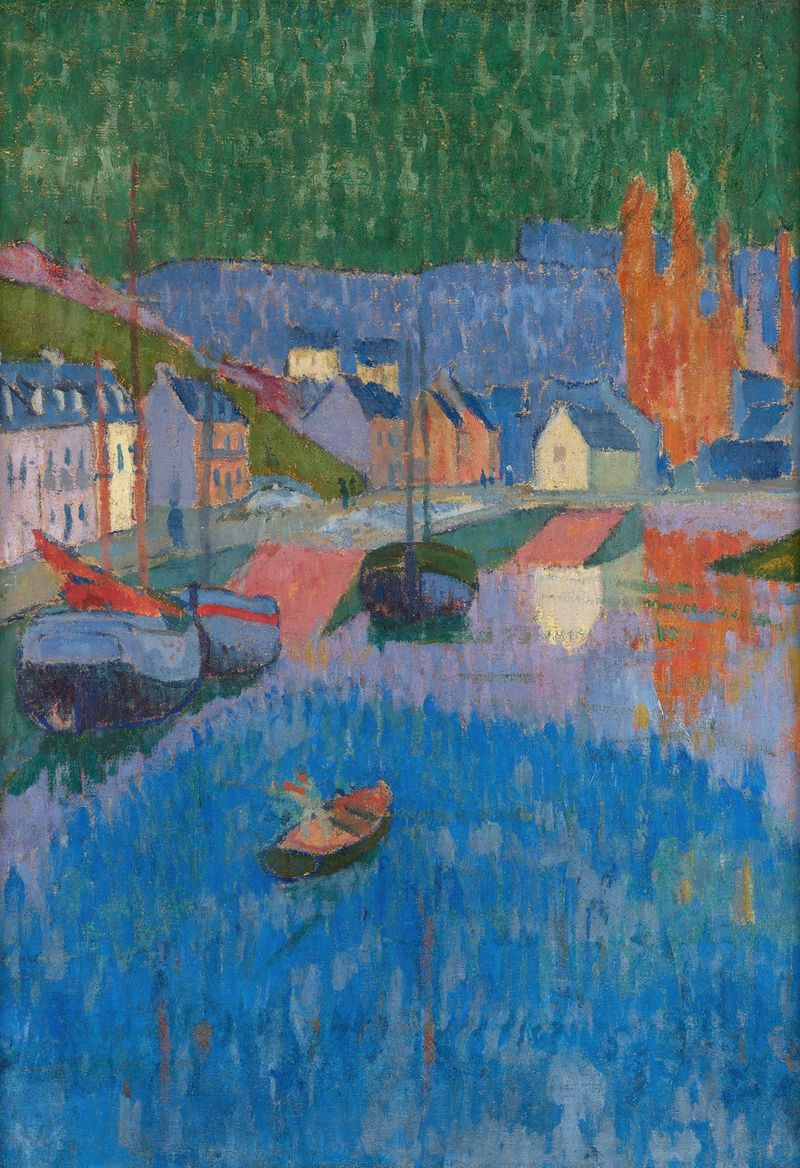
Seaport
Armand Seguin
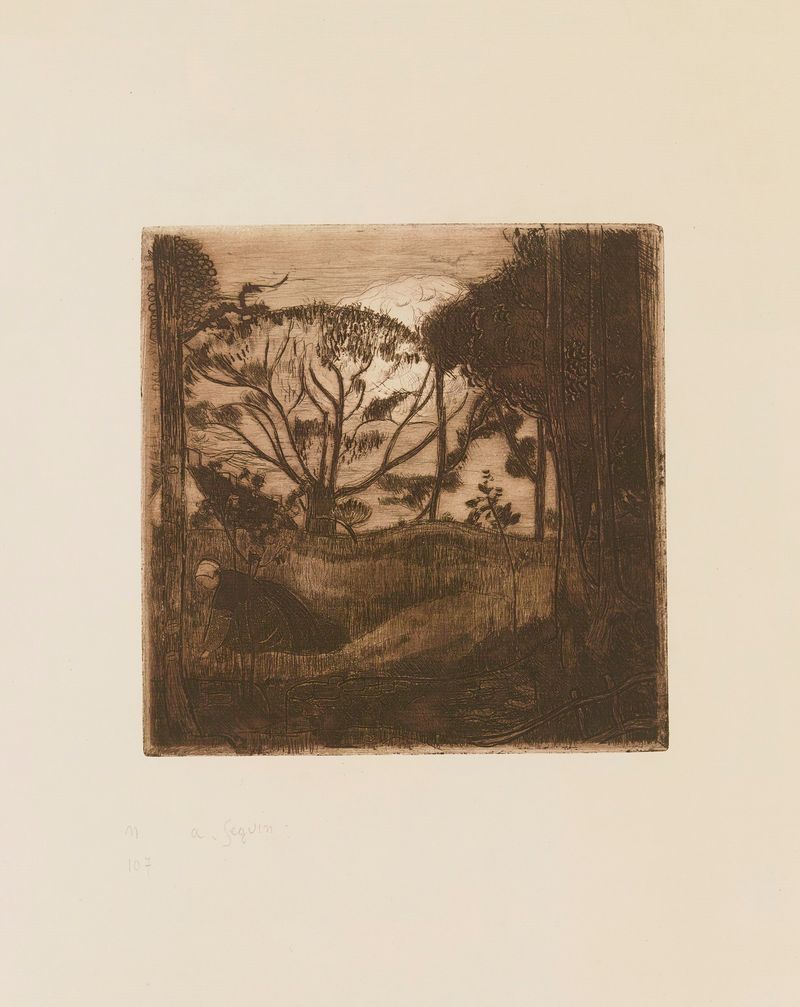
Le soir ou La glaneuse
Armand Seguin
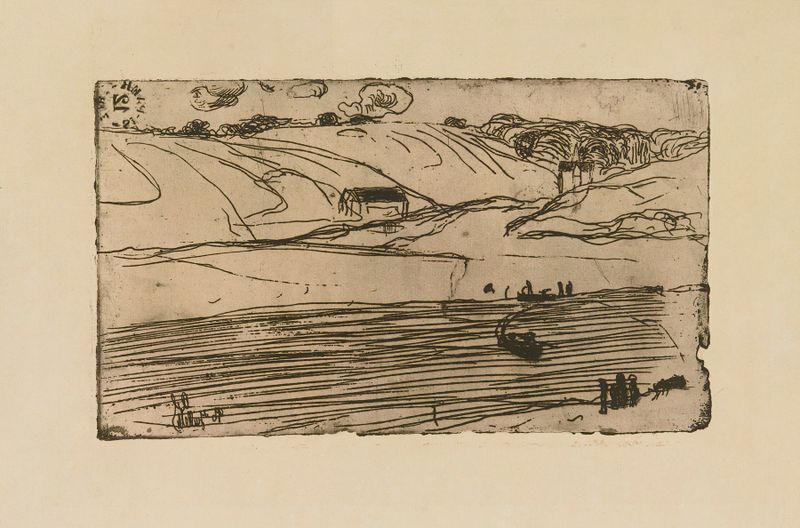
La pêche
Armand Seguin
Les sapins
Armand Seguin





