
Les sapins — History & Facts
Can beauty exist without sorrow? Amidst the vibrant hues of nature, this question resonates, inviting us to explore the intricate dance of light and shadow that defines Les sapins. Look to the left at the bold strokes of emerald and teal, where the trees rise majestically against a backdrop of swirling cerulean sky. Seguin’s technique, characterized by thick impasto, creates a tangible texture that seems to vibrate with life. Notice how the sunlight spills across the canvas, illuminating the foliage and casting a gentle glow that envelops the scene in warmth, while the cooler tones in the background offer a calming contrast that evokes a sense of depth and tranquility. Yet, beneath this vibrant surface lies a tension between the joyous celebration of nature and the inevitable passage of time.
The trees, sturdy and steadfast, symbolize resilience, but their towering presence also suggests transience. Each brushstroke captures an eternal moment, yet the fading colors hint at the changing seasons, reminding us that beauty often requires an awareness of sorrow. The juxtaposition of light and shadow speaks to the complex interplay of emotions that we navigate in our lives. In 1893, Seguin painted this work during a period of artistic transformation, both personally and within the broader Impressionist movement.
Working in France, he was influenced by the interplay of color and light that defined his contemporaries. As he sought to express the essence of nature through bold, expressive forms, he was also grappling with the changing artistic landscape, striving to carve out his unique voice amidst the rising tide of modernism.
More Artworks by Armand Seguin
Browse all →
Femmes et vaches dans les champs en Bretagne
Armand Seguin
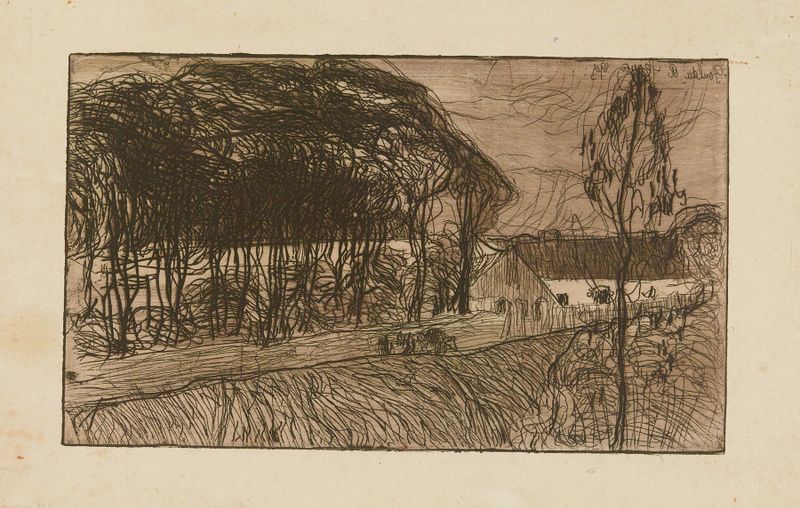
La Route du Pouldu
Armand Seguin

Pêcheurs de goémons
Armand Seguin
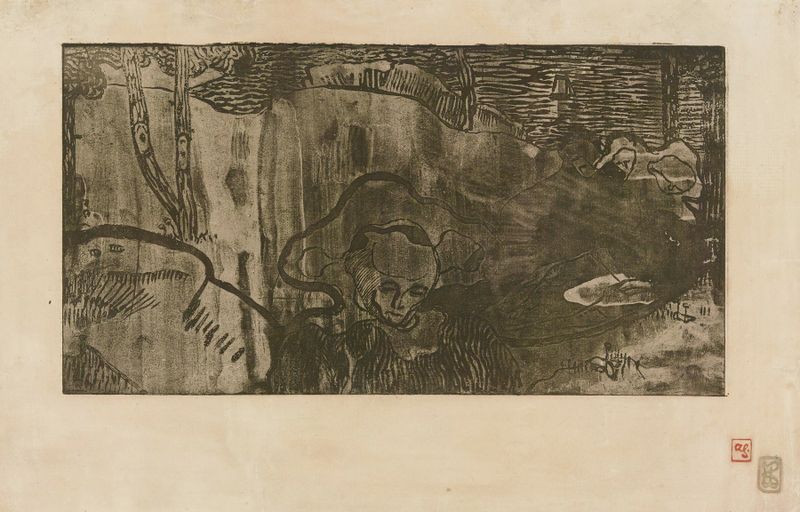
Décoration de Bretagne – Bretonnes au bord de la mer
Armand Seguin
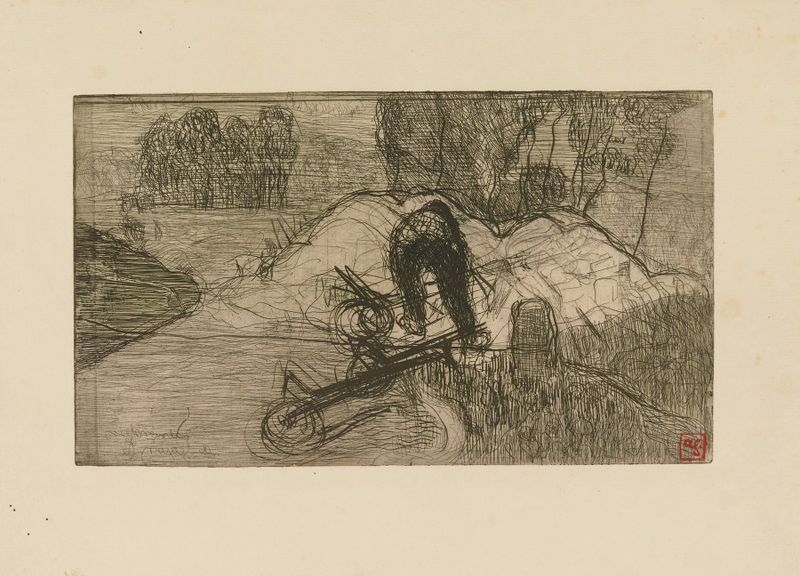
Le débardeur
Armand Seguin
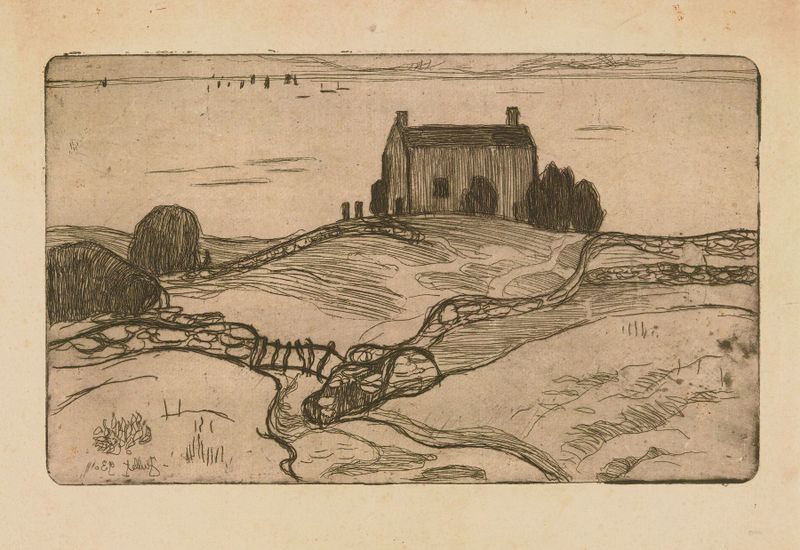
La maison du pendu
Armand Seguin
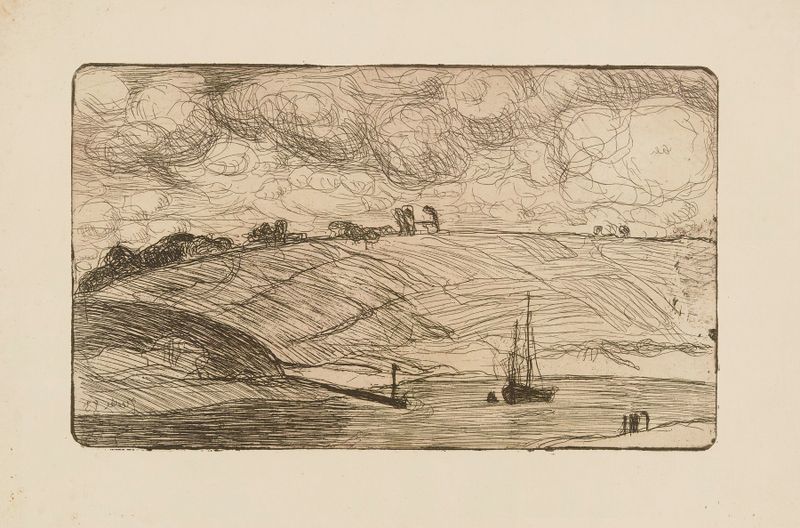
L’entrée de la rivière
Armand Seguin
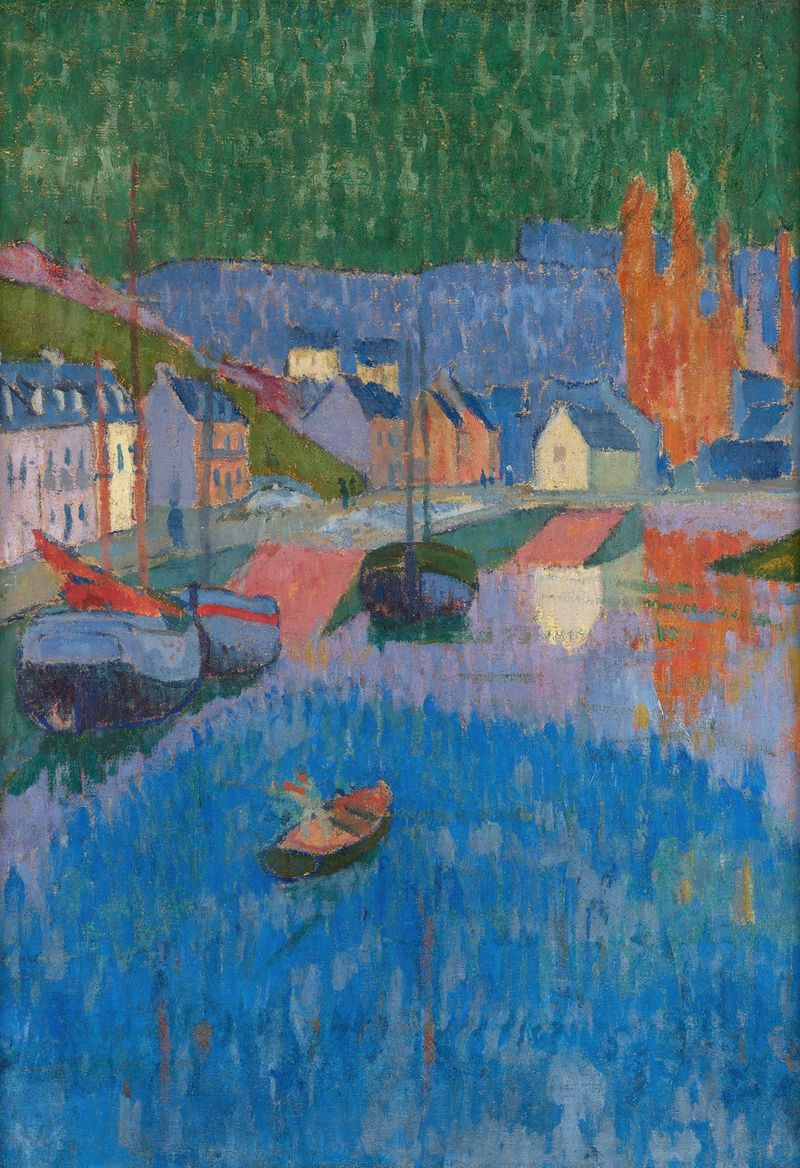
Seaport
Armand Seguin
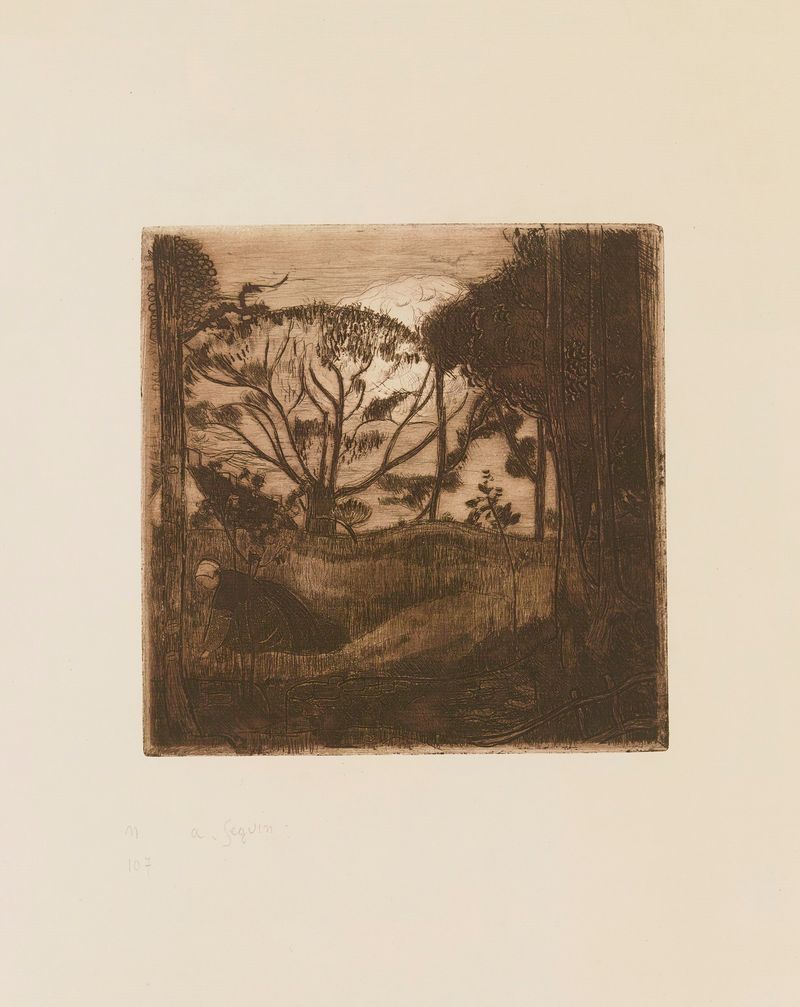
Le soir ou La glaneuse
Armand Seguin
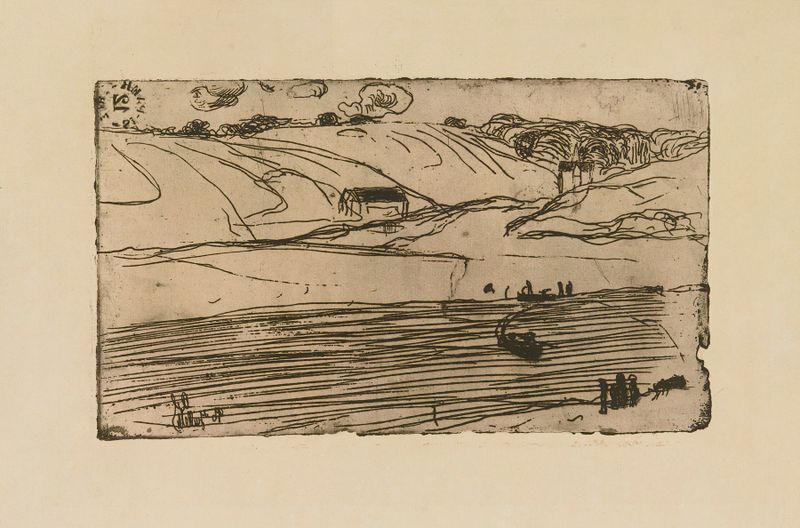
La pêche
Armand Seguin





